Destinations / North America
Valle de Guadalupe, Mexico travel guide
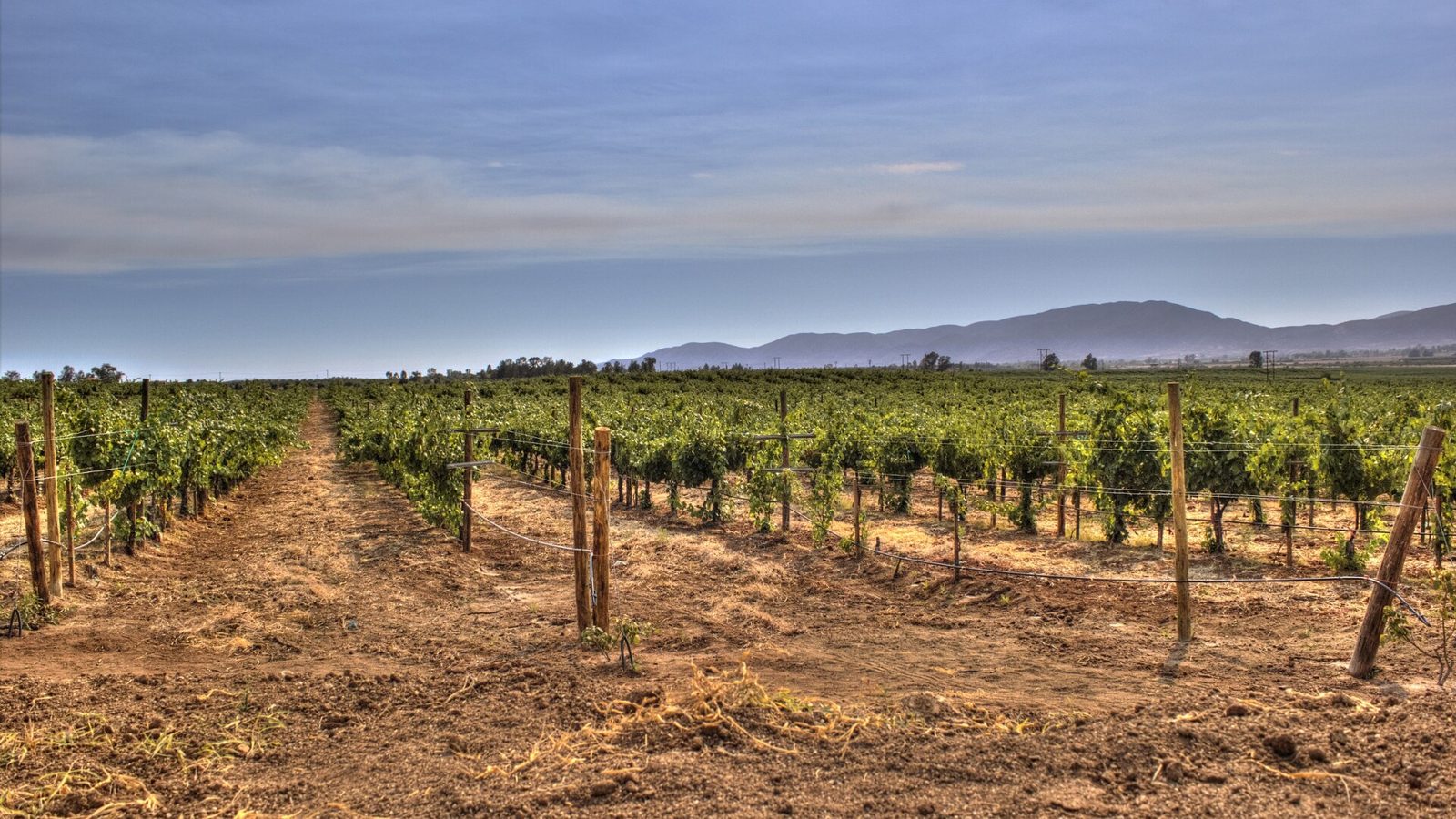
Mexico's best-known wine valley, set among dry hills in northern Baja California, half an hour inland from Ensenada. You taste Nebbiolo in wineries made from old boats and stone, eat long lunches over wood fires and finish the day with fish tacos by the Pacific.
- Best time to visit: April to June and September to October
- Daily budget (budget traveller): $90 to $350 USD
- Ideal trip length: 3 to 5 days
Valle de Guadalupe is a long, dusty valley along Highway 3 in Baja California, about 30 to 40 minutes north-east of Ensenada and roughly two hours south of the US border at Tijuana. Most of Mexico's wine comes from this part of Baja, and the valley now has well over 100 wineries, from big old estates to tiny producers working out of sheds. It is a rural place, not a town. A few villages, Francisco Zarco, El Porvenir and San Antonio de las Minas, are strung along the highway, and the wineries, restaurants and hotels sit at the end of dirt tracks between them. You come here to taste, eat and slow down. Book a tasting or two a day, take a long lunch under the oak trees at a campestre restaurant, see the ruins of the Dominican mission and learn about the Kumiai people and the Russian settlers who farmed the valley. Then drive down to Ensenada for fish tacos and seafood tostadas. The catch for solo travellers is cost and transport. Rooms in the valley are expensive, public transport only runs along the main road and you should never drive between tastings. Base yourself in Ensenada and take the bus, or splash out on a driver for a day, and the valley works well on your own.
Valle de Guadalupe is the heart of Mexican wine. It is a narrow valley of vineyards, olive groves and granite hills about 30km inland from Ensenada, and Baja California makes most of Mexico's wine. Dominican missionaries planted the first vines in the 1830s. Russian Molokan families arrived in the early 1900s, and the modern wine scene took off from the 1980s. Today the valley has well over 100 wineries, from old estates to tiny producers with a dog, a shed and a few barrels, along with some of the most talked-about restaurants in the country. It gets busy and expensive at weekends, when visitors arrive from Tijuana and Southern California. Come midweek, base yourself in Ensenada or a simple casita, and you get the better version: an empty tasting terrace, a long lunch outdoors and the hills glowing as the sun drops.
Getting here is easier than it looks. From San Diego, take the trolley to San Ysidro, walk across the border and get your FMM stamped. Then take an ABC bus to Ensenada, which takes about 1.5 to 2 hours for around $14 USD. From Ensenada, buses heading for Tecate and Mexicali stop on Highway 3 in the valley a few times a day for about $4 USD. Once you are here, transport is the main challenge. Wineries are scattered up dirt roads, Uber is unreliable and you should never drive between tastings. Plan days around one area at a time, such as Francisco Zarco or El Porvenir, and hire a driver or join a tour for your big tasting day.
Timing shapes the trip. Spring and autumn bring warm days, cool nights and the best light. Summer is hot in the valley, and August is packed during the harvest festival, which runs from 5 to 30 August in 2026. Winter is quiet and cheaper, but nights can be close to freezing. The valley is calm and friendly, and English is widely spoken in wineries, though a little Spanish goes a long way in Ensenada and with drivers. Evenings are early, as most tasting rooms shut by late afternoon and restaurants by 9 or 10pm. If you want bars and nightlife, go down to Ensenada. If you want a glass of Nebbiolo under an old oak and a quiet night, stay in the valley.
Valle de Guadalupe itinerary
Cross the border and head south
Morning: Take the trolley to San Ysidro, walk into Mexico and get your FMM stamped. Catch an ABC bus to Ensenada (about 1.5 to 2 hours).
Afternoon: Drop your bag and walk to the fish market area for battered fish tacos. Stroll the malecón and get some pesos from a bank ATM.
Evening: A simple seafood dinner and a craft beer in central Ensenada. Book your tastings for the next few days.
Wine museum and a first tasting
Morning: Take a morning ABC bus up Highway 3 and get off at Km 81 for the Museo de la Vid y el Vino (roughly 50 to 70 pesos, closed Mondays).
Afternoon: Long lunch at Finca Altozano next door, then a classic tasting at a nearby estate such as Monte Xanic (around $25 to $45 USD). Use a pre-booked Uber or driver between them.
Evening: Back to Ensenada on an early evening bus or Uber, or check into a valley casita for a quiet night under the stars.
Francisco Zarco and the valley's history
Morning: Breakfast at La Cocina de Doña Esthela, then the INAH mission ruins and the community museum in Francisco Zarco.
Afternoon: A tasting at Adobe Guadalupe or El Cielo, both a short ride from the village. Stop at a roadside stall for olives, honey and cheese.
Evening: Watch the sunset from a winery terrace before it closes, then have a relaxed dinner near your base.
Small producers in El Porvenir
Morning: Hire a driver for the day and head to El Porvenir. Visit La Escuelita, the community winemaking school, if it is open.
Afternoon: Lunch at Deckman's en el Mogor, then a natural wine tasting at Vena Cava or a visit to Bruma for the old oak tree.
Evening: An early night. Drink plenty of water after a day of tastings.
Ensenada and La Bufadora
Morning: Go early to La Guerrerense's cart for seafood tostadas, then wander the fish market and the old centre of Ensenada.
Afternoon: Take a tour or taxi about 35km south to La Bufadora, the marine blowhole on the Punta Banda peninsula. Walk past the souvenir stalls to the viewpoints.
Evening: Back to Ensenada for tacos and a drink at a cantina or craft beer bar.
Cheese and wine in Ojos Negros
Morning: Join a tour or hire a driver to the Ojos Negros valley, about an hour east of Ensenada, known for its cheese farms.
Afternoon: Cheese tastings, a farm lunch and a small winery stop. The scenery is wilder and emptier than Valle de Guadalupe.
Evening: Return to your base for a last dinner. Buy a bottle or two to take home.
Slow morning and back to the border
Morning: A late breakfast and a final walk on the malecón or around Francisco Zarco.
Afternoon: Bus back to Tijuana and walk to the US border. Allow plenty of time, as queues at San Ysidro can take one to three hours.
Evening: Arrive in San Diego, or fly out from Tijuana airport via the Cross Border Xpress bridge.
Best neighbourhoods
- Francisco Zarco: The main village in the middle of the valley, laid out by Russian Molokan settlers in the early 1900s. It has the mission ruins, the small community museum, a few shops and cheap places to eat, and big names such as Adobe Guadalupe and El Cielo are close by. It is the most practical base if you want to be able to walk to something.
- El Porvenir: A quieter farming village at the south-west end of the valley, with lots of small and family-run wineries and La Escuelita winemaking school nearby. Rooms are a little cheaper than around the big estates. You will need a lift for almost everything, but it feels more lived-in.
- San Antonio de las Minas: The southern gateway to the valley, closest to Ensenada and the coast. It has well-known wineries such as Casa de Piedra, some boutique hotels and restaurants just off Highway 3. It suits you if you want to move between the valley and Ensenada without long drives.
- Ensenada: The port city on the Pacific, 30 to 40 minutes south. It has hostels, cheap hotels, the bus station, the malecón, the fish market and the best street food in the region. It is the best budget base by far, and the ABC buses to the valley and Tijuana leave from here.
- El Sauzal and the coast: A small fishing town just north of Ensenada, where Highway 3 heads inland from the coast road. It has sea-view hotels, glamping and a few good seafood places. It works if you want to be by the ocean and visit the valley in short trips, but you will depend on a car or taxis.
Must-do experiences
- Start at the Museo de la Vid y el Vino: This modern wine museum at Km 81 on Highway 3 explains Baja's wine history from the missionaries to the present day. Entry is roughly 50 to 70 pesos and it is closed on Mondays. Most labels are in Spanish, but staff can often show you round in English.
- Taste at one of the pioneering estates: Monte Xanic and L.A. Cetto helped put the valley on the map and are easy places to start. Classic tastings across the valley cost around $25 to $45 USD for three to five wines, and premium tastings $60 USD or more. Book ahead for weekends.
- Seek out small and natural producers: Some of the best visits are at tiny wineries with odd buildings, such as Vena Cava, built partly from upturned fishing boats, or Bruma, built around a 300-year-old oak. Bruma's tastings cost around 750 to 850 pesos. Ask your host which small producers are open that day.
- See the mission ruins and the community museum: In Francisco Zarco, the INAH site protects the adobe remains of the Dominican mission of Nuestra Señora de Guadalupe del Norte, founded in 1834. Next door, the community museum covers the Kumiai and the Russian Molokan families who farmed here. Together they make a good break from wine.
- Take a long campestre lunch: The valley's style of cooking is outdoors, over wood and charcoal, with local produce. Try Finca Altozano, with its huge grill and barrel seats, or Deckman's en el Mogor, an open-air kitchen among the vines. Expect $40 to $80 USD with wine, and book for weekends.
- Eat your way around Ensenada: Ensenada claims the battered fish taco, and stands near the fish market sell them for a couple of dollars each. Go early for a tostada of sea urchin, clam or ceviche at La Guerrerense's street cart. Then walk the malecón.
- Time a visit for the Vendimia: The harvest festival in 2026 runs from 5 to 30 August, with more than 30 tastings, dinners and concerts. The big Muestra del Vino in Ensenada costs about 1,450 pesos. Rooms sell out at weekends, so book well ahead or come just after.
Hidden gems
- La Escuelita in El Porvenir, a community winemaking school where small producers make and sometimes pour their own wine, far from the polished tasting rooms
- The roadside stalls along Highway 3 selling local olives, olive oil, honey and fresh cheese, much cheaper than winery shops
- The Kumiai community at San Antonio Necua, at the north end of the valley, where guided visits cover traditional crafts, food and the valley's first people
- The grave markers and old adobe houses of the Molokan Russians around Francisco Zarco, a reminder of a strange chapter in the valley's history
- Late afternoon light from a hilltop tasting terrace, when the heat drops and the hills turn gold before the wineries close
Daily budget
- Accommodation: budget $25 to $50 USD / night (Ensenada hostel or simple guesthouse), mid-range $150 to $250 USD (valley casita or mid-range hotel), splurge $400+ USD (Encuentro Guadalupe or a top boutique hotel). Valley hotels mostly charge $150 to $500+ a night, and prices rise at weekends and in August. Weekend minimum stays are common. Solo travellers save most by sleeping in Ensenada.
- Food: budget $20 to $35 USD / day (tacos, market food, a cheap village lunch), mid-range $60 to $100 USD (a campestre lunch and a casual dinner), splurge $150+ USD (tasting menu with wine pairing). Street tacos in Ensenada cost a couple of dollars each. Valley restaurant mains are roughly $20 to $40 USD, and well-known restaurants need booking at weekends.
- Transport: budget $5 to $15 USD / day (ABC bus and the odd Uber), mid-range $40 to $80 USD (several Ubers or a half-day driver), splurge $100 to $260 USD (private driver or wine guide for the day). The Tijuana to Ensenada bus is about $14 USD each way, and Ensenada to the valley about $4 USD. An Uber from the border to the valley is roughly $70 USD.
- Activities: budget $25 to $45 USD / day (one tasting plus the wine museum), mid-range $60 to $120 USD (two or three tastings), splurge $150+ USD (premium tastings, winemaker sessions, festival events). Tastings run from about $15 to $75 USD. The wine museum costs roughly 50 to 70 pesos, and the mission ruins are free. Book wineries ahead for weekends.
- Drinks & nightlife: budget $8 to $15 USD (a glass of Baja wine or a craft beer), mid-range $25 to $50 USD (a few glasses with dinner), splurge $80+ USD (bottles from top estates). Winery bottles usually start at about $30 USD. Nightlife in the valley ends early, while Ensenada has bars and cantinas. US residents can usually take one litre of alcohol home duty-free.
Where to stay
- Social hostel in Central Ensenada ($25 to $50 USD / night): There are no real hostels in the valley, but Ensenada has a handful of hostels and simple guesthouses near the bus station and the malecón. You are close to the street food, the buses up Highway 3 and other travellers.
- Boutique hotel in Francisco Zarco ($220 to $380 USD / night): El Cielo and Adobe Guadalupe have rooms on working wine estates, with tastings and restaurants on site, so you do not need transport in the evening. Francisco Zarco village is a short ride away.
- Apartment in El Porvenir and Francisco Zarco ($90 to $160 USD / night): Casitas and small cabins on family plots give you a kitchen, a terrace and quiet nights. Check how far you are from the highway and whether the host can arrange drivers.
- Splurge in North of Francisco Zarco ($400 to $700+ USD / night): Encuentro Guadalupe has standalone eco-lofts set into the boulders above the valley, with a pool, a restaurant and huge views. It is one of the best-known design hotels in Mexico.
What to eat
- Fish and shrimp tacos: battered, with cabbage, crema and salsa, from stands near the Ensenada fish market for a few dollars each
- Seafood tostadas: sea urchin, pismo clam or ceviche from La Guerrerense's cart in Ensenada, one of the best-known street food stops in Mexico
- A ranch breakfast at La Cocina de Doña Esthela: machaca with eggs, borrego tatemado (slow-roasted lamb) and corn pancakes. Arrive early at weekends
- Campestre cooking: wood-fired meat, vegetables and local cheese at Finca Altozano or Deckman's en el Mogor, eaten outdoors among the vines
- Baja wines: Nebbiolo, Tempranillo, Cabernet and red blends, plus Chenin Blanc and Sauvignon Blanc. Bottles at wineries usually start at about $30 USD
- Craft beer in Ensenada and fresh cheese and olive oil from the farms around the valley and Ojos Negros
Day trips
- Ensenada and La Bufadora (Ensenada 30 to 40 minutes south, La Bufadora about 35km further): Ensenada has the fish market, the malecón and the best tacos in the region. La Bufadora is a marine blowhole on the Punta Banda peninsula that shoots seawater high into the air, reached through a lane of souvenir and snack stalls. Take an ABC bus or Uber down to Ensenada. For La Bufadora, join a tour or take a taxi, as public transport is very limited. Go in the morning, when the swell is often stronger.
- Tecate (About 1 hour north on Highway 3): A relaxed border town and Pueblo Mágico with a leafy main square, a famous brewery and bakeries known across Baja. It makes a good stop if you want to cross back into the US at the quieter Tecate border post. ABC buses run between Ensenada and Tecate along Highway 3 and stop in the valley. Check return times, as they are fewer in the evening.
- Ojos Negros (About 1 hour east of Ensenada): A high, wide valley of ranches, cheese farms and a few young wineries. It is wilder and much quieter than Valle de Guadalupe, and the farm cheeses are excellent. The easiest way is a cheese and wine tour from Ensenada, which costs from about $130 USD, or a hired driver. Public transport is not practical.
When to visit
- Spring (March - May): 20-28°C days, cool nights, green hills and new leaves on the vines. Crowds: Moderate, busy at Easter and on weekends. A lovely time to visit. The valley is at its greenest, days are warm without being harsh and midweek tastings are quiet.
- Summer (June - August): 30-38°C in the valley, cooler and often foggy on the coast. Crowds: Busy, very busy during the August harvest festival. Good for festival lovers and long evenings, but the midday heat is fierce. Book rooms for August early, and taste in the morning or late afternoon.
- Autumn (September - November): 25-32°C in September, easing to around 22°C by November. Crowds: Moderate, quieter on weekdays from October. The locals' pick. The harvest is wrapping up, the heat has eased and prices drop after August.
- Winter (December - February): 17-20°C days, 3-7°C nights, with most of the year's rain. Crowds: Quiet, except around Christmas, New Year and long weekends. Cheaper rooms and empty tasting rooms, with fires in the evening. Pack warm layers, and expect some places to shorten their hours.
Entry rules for your passport
Visa rules for Mexico depend on the passport you travel on. Check the official source before you book: Mexico National Migration Institute
Getting there
There is no airport in the valley. The nearest are San Diego International, about two hours away, and Tijuana International, about 1.5 to 2 hours away. From the San Diego side, you can walk straight into Tijuana airport over the Cross Border Xpress bridge. Flying into Tijuana from elsewhere in Mexico is often cheaper than flying to San Diego. From San Diego, take the Blue Line trolley to San Ysidro, walk across the border and stop at the immigration office for your FMM, which is free for land stays of up to seven days and 983 pesos for longer. ABC buses run from Tijuana to Ensenada about every hour, taking roughly 1.5 to 2 hours for around $14 USD. From Ensenada, ABC buses to Tecate and Mexicali stop on Highway 3 in the valley a few times a day for about $4 USD, and local minibuses also run. An Uber from the border straight to the valley costs about 1,300 pesos. If you drive, take the toll road south along the coast and turn inland on Highway 3 at El Sauzal. You need Mexican car insurance, but no vehicle import permit in Baja. Coming back to the US, allow plenty of time for border queues.
Getting around
Valle de Guadalupe is spread out along about 25km of Highway 3, and most wineries sit up dirt tracks off the road, so you cannot walk between them except around Francisco Zarco. ABC buses on the Ensenada to Tecate and Mexicali routes stop on the highway in the valley a few times a day, taking about 40 minutes for around $4 USD, and local El Vigía minibuses run from Ensenada too. Both drop you on the main road, and your winery may be a long, hot walk away. Uber works in Ensenada and sometimes in the valley, but drivers come up from the city, so book 15 to 20 minutes ahead and do not count on a lift back late in the day. Signal is patchy, too. Many hotels can arrange a local driver for around $70 to $120 USD a day, and private wine guides charge roughly $99 to $260 per person for a full day with transport. If you rent a car, you must buy Mexican insurance, take the dirt roads slowly and never drive after tastings, as the police set up checkpoints.
Safety
Valle de Guadalupe itself is a calm rural area and most visitors have no problems, but Baja California as a whole has high levels of violent crime, mostly linked to cartels and rarely aimed at tourists. Check your government's current advice, as the US State Department has long rated the state as 'reconsider travel'. The real everyday risks are drink-driving, unlit roads at night and dirt tracks. Use a driver or bus, avoid driving Highway 3 after dark and keep tastings small. Some police officers ask for bribes from drivers. Stay polite, ask for a written ticket and keep your documents in order. The sun is strong and summer days in the valley can pass 35°C, so carry water and a hat. Do not drink the tap water. Bottled or filtered water is easy to find. Watch your bag in central Tijuana and at the border crossing. The emergency number in Mexico is 911. Make sure your travel insurance has medical cover, as private hospitals in Ensenada and Tijuana expect payment.
Solo travel tips
- Sleep cheap, taste well: Valley hotels rarely discount for one person. Base yourself in Ensenada and spend the money you save on one or two really good tastings and a long lunch.
- Go midweek: Weekends bring crowds, higher room rates and fully booked tasting rooms. From Monday to Thursday you often have the terrace and the winemaker to yourself, though check which places close on Mondays or Tuesdays.
- Plan days by area: Group your tastings around Francisco Zarco one day and El Porvenir the next. It cuts down on rides and stops you getting stranded at a winery with no signal.
- Pay for a driver once: A driver for one full day is worth it for a solo traveller. You can taste freely, reach dirt-road wineries and get local tips, then use buses for the easier days.
- Safety for solo travellers: The main risks are drink-driving, dark roads and getting stuck without a lift. Book rides through your hotel, keep tastings modest, carry water and do not walk along Highway 3 at night.
- Meet people at the table: Join a small-group wine tour, sit at the bar at a campestre restaurant or book a communal tasting. Wineries are sociable places, and solo guests often get chatting to the staff.
Cultural etiquette
- Greet people with 'buenos días' or 'buenas tardes' and say 'gracias'. Using a little Spanish, even badly, is warmly received.
- Book your tastings and turn up on time. Many wineries are small family businesses that plan around bookings.
- Tip 10 to 15 percent in restaurants and leave something for staff who pour your tasting, especially at small wineries.
- Do not drive after tastings. Locals take drink-driving seriously, and so do the police.
- Ask before photographing people, ranch workers or private homes, especially in the villages and Kumiai communities.
- Respect the mission ruins and community sites. Stay on paths and do not climb on the adobe walls.
- Pay in pesos where you can. Dollars are accepted in many places, but at a poor rate, and paying in pesos is polite.
Frequently asked questions
How do I get to Valle de Guadalupe without a car?
Most people cross from San Diego on foot at San Ysidro, get their FMM stamped and walk to the ABC bus stop for Ensenada. The ride takes about 1.5 to 2 hours and costs roughly $14 USD. In Ensenada, take an ABC bus heading for Tecate or Mexicali, which stops on Highway 3 in the valley in about 40 minutes for around $4 USD, or catch a local El Vigía minibus. The bus leaves you on the main road, so arrange a pick-up with your hotel or book an Uber before you arrive. An Uber straight from the border costs about 1,300 pesos, roughly $70 USD.
How many days do I need in Valle de Guadalupe?
Two nights gives you two days of tastings and a long lunch. Three to five nights lets you add the wine museum, the mission ruins, a day in Ensenada and La Bufadora, and a slower pace of two tastings a day. A week works if you add trips to Tecate or the cheese and wine farms of Ojos Negros.
When is the best time to visit Valle de Guadalupe?
April to June and September to October are best, with warm days, cool nights and lighter crowds on weekdays. July and August are hot in the valley, and August is the busiest month because of the harvest festival, which runs from 5 to 30 August in 2026. Winter is quiet and cheaper, with mild days, cold nights and most of the year's rain. Weekends are busy all year with visitors from Tijuana and Southern California.
Do I need a car in Valle de Guadalupe?
Not really, and driving after tastings is a bad idea. A car gives you freedom, but you need Mexican insurance, dirt roads can be rough and police run checkpoints. Most solo travellers mix buses along the highway, the odd Uber booked in advance and a hired driver or guided tour for the main tasting day. Hotels can usually find a local driver for $70 to $120 USD a day.
How much do wine tastings cost and do I need to book?
Tastings usually cost $15 to $45 USD for three to five wines, and premium or reserve tastings $60 to $80 USD. Most wineries want a booking at weekends, and some small producers only open by appointment. Many close by 5 or 6pm, and a few close on Mondays or Tuesdays. Two or three tastings a day is plenty, and many places count the tasting fee against a bottle if you buy one.
Can I visit Valle de Guadalupe as a day trip from San Diego?
Yes, but it is a long day. Organised tours from San Diego or Tijuana last about 10 hours and usually include two or three tastings and lunch, with prices from about $100 USD on shared tours and much more for private ones. Allow for long queues coming back into the US at San Ysidro, often one to three hours on weekend evenings. Staying at least one night is far more relaxing.
Is Valle de Guadalupe safe for solo female travellers?
Generally yes. The valley is rural and visitor-focused, and plenty of women travel here alone or with tours. The main things to plan are transport and alcohol: book drivers through your hotel or a trusted tour company, keep tastings sensible and avoid walking along Highway 3 or dirt roads after dark. In Ensenada, stay around the centre and the malecón at night, and use Uber rather than street taxis late.
What entry rules apply to Mexico in 2026?
Many nationalities, including the UK, US, Canada, the EU and Australia, can visit Mexico without a visa for up to 180 days, but immigration decides your length of stay. Every visitor needs an FMM, even in the border zone. Entering by land, it is free for stays of seven days or less, and stays longer than that cost 983 pesos, about $54 USD, in 2026. Do not walk past the immigration office at San Ysidro. If you fly in, the fee is included in your ticket. Coming back into the US, check the current ESTA or visa rules for land arrivals. Confirm everything on official Mexican and US government websites before you travel.
More about Valle de Guadalupe
- The 7-Day Mexico City Itinerary for 2026, with Real Prices
- Mexico City vs Medellín for Digital Nomads: Which Base Suits You in 2026?
Tours and activities in Valle de Guadalupe | Valle de Guadalupe in 2 days | Valle de Guadalupe in 3 days | Valle de Guadalupe in 4 days | Valle de Guadalupe in 5 days | Valle de Guadalupe in 7 days
Joy Plus home | Destinations | Itineraries | Activities | Flights | Budget planner | Calendar | Map | Blog | Lifetime access