Valle de Guadalupe in 2 days
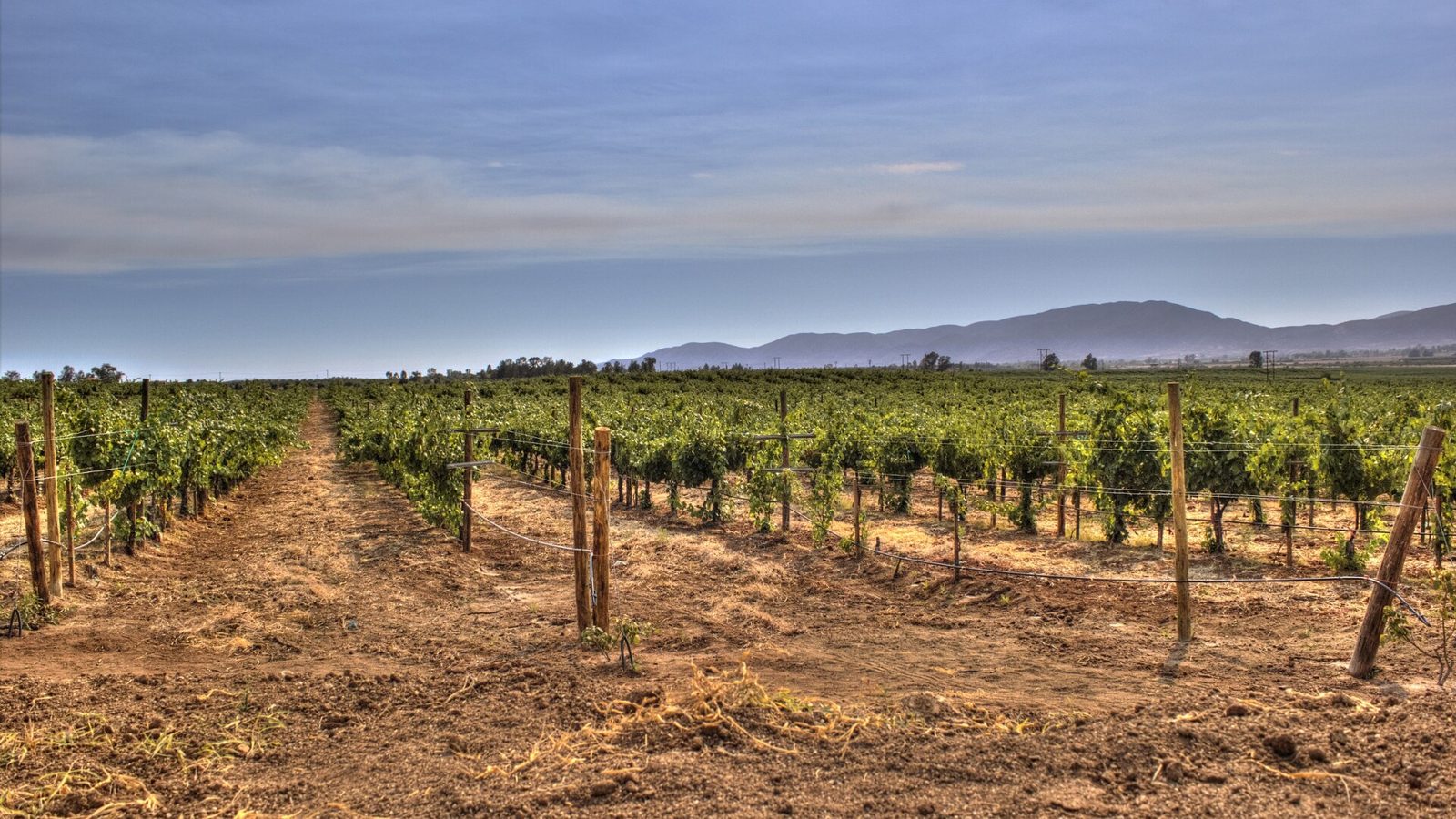
Mexico's best-known wine valley, set among dry hills in northern Baja California, half an hour inland from Ensenada. You taste Nebbiolo in wineries made from old boats and stone, eat long lunches over wood fires and finish the day with fish tacos by the Pacific. Best time to visit: April to June and September to October. Daily budget (budget traveller): $90 to $350 USD.
Cross the border and head south
Morning: Take the trolley to San Ysidro, walk into Mexico and get your FMM stamped. Catch an ABC bus to Ensenada (about 1.5 to 2 hours).
Afternoon: Drop your bag and walk to the fish market area for battered fish tacos. Stroll the malecón and get some pesos from a bank ATM.
Evening: A simple seafood dinner and a craft beer in central Ensenada. Book your tastings for the next few days.
Wine museum and a first tasting
Morning: Take a morning ABC bus up Highway 3 and get off at Km 81 for the Museo de la Vid y el Vino (roughly 50 to 70 pesos, closed Mondays).
Afternoon: Long lunch at Finca Altozano next door, then a classic tasting at a nearby estate such as Monte Xanic (around $25 to $45 USD). Use a pre-booked Uber or driver between them.
Evening: Back to Ensenada on an early evening bus or Uber, or check into a valley casita for a quiet night under the stars.
Heading home: Arrive in San Diego, or fly out from Tijuana airport via the Cross Border Xpress bridge.
What to eat in Valle de Guadalupe
- Fish and shrimp tacos: battered, with cabbage, crema and salsa, from stands near the Ensenada fish market for a few dollars each
- Seafood tostadas: sea urchin, pismo clam or ceviche from La Guerrerense's cart in Ensenada, one of the best-known street food stops in Mexico
- A ranch breakfast at La Cocina de Doña Esthela: machaca with eggs, borrego tatemado (slow-roasted lamb) and corn pancakes. Arrive early at weekends
- Campestre cooking: wood-fired meat, vegetables and local cheese at Finca Altozano or Deckman's en el Mogor, eaten outdoors among the vines
- Baja wines: Nebbiolo, Tempranillo, Cabernet and red blends, plus Chenin Blanc and Sauvignon Blanc. Bottles at wineries usually start at about $30 USD
- Craft beer in Ensenada and fresh cheese and olive oil from the farms around the valley and Ojos Negros
Hidden gems
- La Escuelita in El Porvenir, a community winemaking school where small producers make and sometimes pour their own wine, far from the polished tasting rooms
- The roadside stalls along Highway 3 selling local olives, olive oil, honey and fresh cheese, much cheaper than winery shops
- The Kumiai community at San Antonio Necua, at the north end of the valley, where guided visits cover traditional crafts, food and the valley's first people
- The grave markers and old adobe houses of the Molokan Russians around Francisco Zarco, a reminder of a strange chapter in the valley's history
- Late afternoon light from a hilltop tasting terrace, when the heat drops and the hills turn gold before the wineries close
Getting around
Valle de Guadalupe is spread out along about 25km of Highway 3, and most wineries sit up dirt tracks off the road, so you cannot walk between them except around Francisco Zarco. ABC buses on the Ensenada to Tecate and Mexicali routes stop on the highway in the valley a few times a day, taking about 40 minutes for around $4 USD, and local El Vigía minibuses run from Ensenada too. Both drop you on the main road, and your winery may be a long, hot walk away. Uber works in Ensenada and sometimes in the valley, but drivers come up from the city, so book 15 to 20 minutes ahead and do not count on a lift back late in the day. Signal is patchy, too. Many hotels can arrange a local driver for around $70 to $120 USD a day, and private wine guides charge roughly $99 to $260 per person for a full day with transport. If you rent a car, you must buy Mexican insurance, take the dirt roads slowly and never drive after tastings, as the police set up checkpoints.
Safety
Valle de Guadalupe itself is a calm rural area and most visitors have no problems, but Baja California as a whole has high levels of violent crime, mostly linked to cartels and rarely aimed at tourists. Check your government's current advice, as the US State Department has long rated the state as 'reconsider travel'. The real everyday risks are drink-driving, unlit roads at night and dirt tracks. Use a driver or bus, avoid driving Highway 3 after dark and keep tastings small. Some police officers ask for bribes from drivers. Stay polite, ask for a written ticket and keep your documents in order. The sun is strong and summer days in the valley can pass 35°C, so carry water and a hat. Do not drink the tap water. Bottled or filtered water is easy to find. Watch your bag in central Tijuana and at the border crossing. The emergency number in Mexico is 911. Make sure your travel insurance has medical cover, as private hospitals in Ensenada and Tijuana expect payment.
Frequently asked questions
What does this 2-day Valle de Guadalupe itinerary cover?
Day 1: Cross the border and head south. Day 2: Wine museum and a first tasting.
Is 2 days enough for Valle de Guadalupe?
Our recommended trip length for Valle de Guadalupe is 3 to 5 days. This 2-day plan focuses on the highlights and groups sights by area so you spend less time travelling between them.
How much does 2 days in Valle de Guadalupe cost?
A budget traveller spends about $90 to $350 USD a day in Valle de Guadalupe, so roughly $180 to $700 USD for 2 days, not counting flights.
Where should I stay for 2 days in Valle de Guadalupe?
Francisco Zarco: The main village in the middle of the valley, laid out by Russian Molokan settlers in the early 1900s. El Porvenir: A quieter farming village at the south-west end of the valley, with lots of small and family-run wineries and La Escuelita winemaking school nearby.
When is the best time to visit Valle de Guadalupe?
The best time to visit Valle de Guadalupe is April to June and September to October.
How do I get around Valle de Guadalupe?
Valle de Guadalupe is spread out along about 25km of Highway 3, and most wineries sit up dirt tracks off the road, so you cannot walk between them except around Francisco Zarco. ABC buses on the Ensenada to Tecate and Mexicali routes stop on the highway in the valley a few times a day, taking about 40 minutes for around $4 USD, and local El Vigía minibuses run from Ensenada too.
Is Valle de Guadalupe safe for solo travellers?
Valle de Guadalupe itself is a calm rural area and most visitors have no problems, but Baja California as a whole has high levels of violent crime, mostly linked to cartels and rarely aimed at tourists. Check your government's current advice, as the US State Department has long rated the state as 'reconsider travel'.
Read more about Valle de Guadalupe
- The 7-Day Mexico City Itinerary for 2026, with Real Prices
- Mexico City vs Medellín for Digital Nomads: Which Base Suits You in 2026?
More 2-day guides
- Mexico City in 2 days
- Tulum in 2 days
- Oaxaca in 2 days
- Guadalajara in 2 days
- Cancún in 2 days
- Mérida in 2 days
- Cabo San Lucas in 2 days
- Playa del Carmen in 2 days
Valle de Guadalupe in 3 days | Valle de Guadalupe in 4 days | Valle de Guadalupe in 5 days | Valle de Guadalupe in 7 days | Full Valle de Guadalupe guide
Joy Plus home | Destinations | Itineraries | Activities | Flights | Budget planner | Calendar | Map | Blog | Lifetime access