Destinations / Europe
Zermatt, Switzerland travel guide
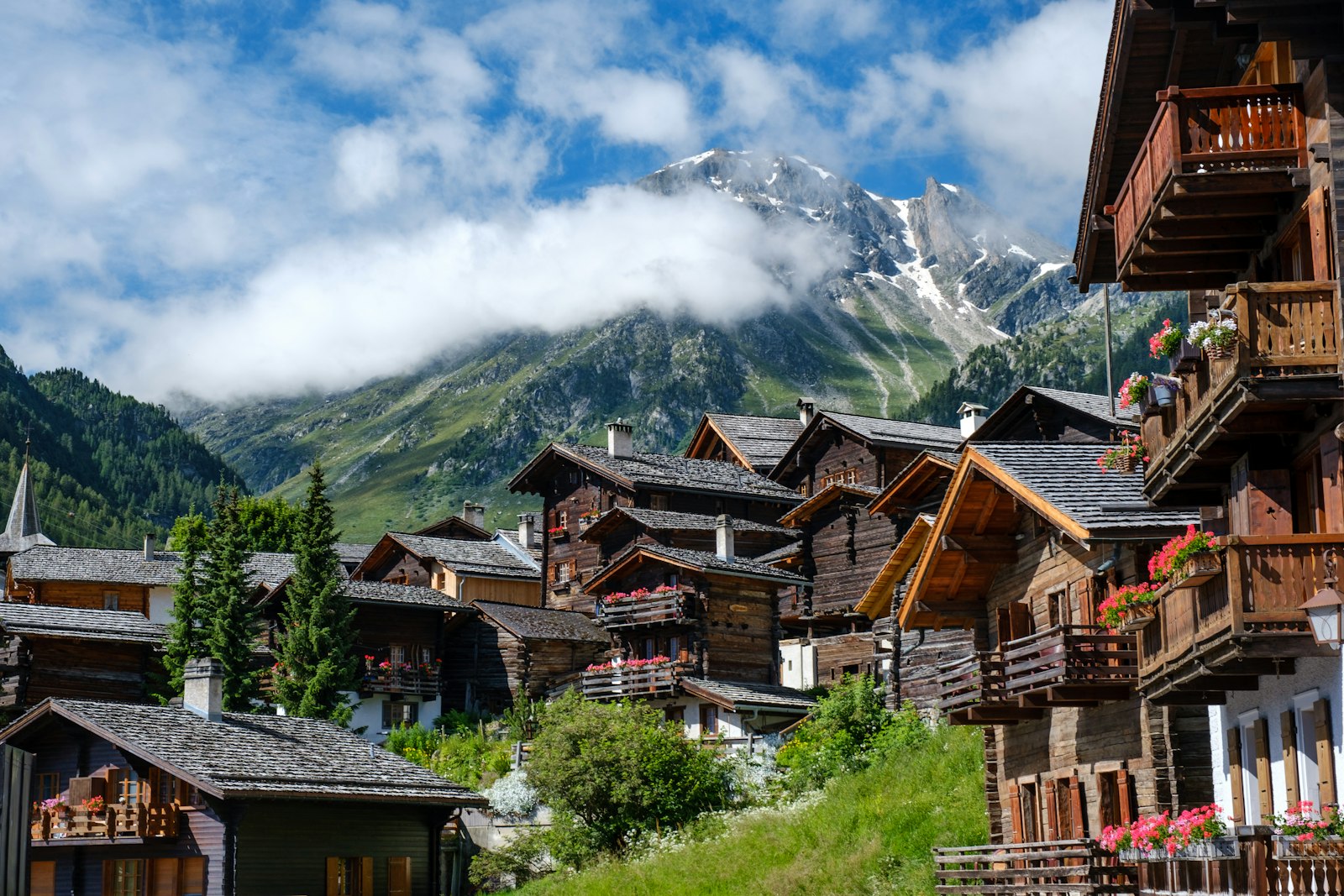
Switzerland's car-free alpine icon. The Matterhorn towering over a chalet village of skiing and high-altitude hikes.
- Best time to visit: December-April (ski) & June-September (hiking)
- Daily budget (budget traveller): $200 to $450 USD
- Ideal trip length: 3 to 5 days
Zermatt is Switzerland's most famous mountain village, a car-free cluster of timber chalets gathered beneath the unmistakable pyramid of the Matterhorn. A magnet for skiers, hikers and mountaineers, it offers snow sports for most of the year on Europe's highest ski area, a vast network of high-altitude trails, and some of the Alps' most jaw-dropping railway and cable-car journeys. Pricey but unforgettable, it's pure alpine theatre. Joy Plus shapes Zermatt into the right mix of peaks, hikes and viewpoints for your season and budget.
Zermatt sits at 1,608m with a 4,478m rock pyramid shoved into the end of the valley, and the whole village is built around looking at it. No petrol cars are allowed, so you arrive on the Matterhorn Gotthard Bahn from Visp, step out to the hum of electric taxis and cowbell-sized souvenir shops, and the Matterhorn is just there, hanging over the rooftops of the Bahnhofstrasse. It is theatrical, it is expensive, and it is better than the postcards.
The trick is that Zermatt is not one trip, it is four. There is the village itself (the Hinterdorf stilted barns, the mountaineers' graves by the church, Edward Whymper's broken rope in the Matterhorn Museum), the Gornergrat cogwheel ride to 3,089m, the Sunnegga and Five Lakes side for lakes and long hikes, and the Matterhorn Glacier Paradise cable car to 3,883m, Europe's highest. Each one is a half to full day, each one costs CHF 70 to 150 per person, and each one lives or dies on cloud. Build in slack days and decide the night before with the MeteoSwiss app and the Zermatt webcams, not a rigid plan.
Go in with a budget mindset and Zermatt becomes surprisingly doable. Sleep in the Youth Hostel or down in Täsch, buy lunch at Coop and eat it on a mountain bench, get a Swiss Half Fare Card (CHF 150) before you ride a single lift, and spend your real money on one proper fondue at Whymper-Stube and one long lunch on a Findeln terrace. Skiers have the long season from December to April, hikers have mid-June to early October, and the sweet spot for both clear skies and thin crowds is September. Joy Plus sequences the lifts, trails and weather windows so the Matterhorn actually shows up when you do.
How many days in Zermatt?
For Zermatt, we recommend 3 to 5 days. With more time, add a day trip to Cervinia or Leukerbad.
| Trip length | What you'll see | Itinerary |
|---|---|---|
| 2 days | Village, Hinterdorf and the Matterhorn at dusk; Gornergrat and the Riffelsee mirror | Zermatt in 2 days |
| 3 days · Recommended | Adds: Five Lakes Walk (Sunnegga to Blauherd) | Zermatt in 3 days |
| 4 days · Recommended | Adds: Matterhorn Glacier Paradise | Zermatt in 4 days |
| 5 days · Recommended | Adds: Zmutt valley and Stafelalp | Zermatt in 5 days |
| 7 days | Adds: Day trip to Saas-Fee; Findeln walk | Zermatt in 7 days |
Zermatt itinerary
Arrive, village, Hinterdorf and the Matterhorn at dusk
Morning: Train from Zurich or Geneva to Visp, change onto the Matterhorn Gotthard Bahn for the 1h10 climb to Zermatt. Drop bags at your hotel or call an electric taxi at the station (CHF 15 to 25). Coffee and a slice of Nusstorte at Café du Pont.
Afternoon: Walk to the Hinterdorf quarter, where the weathered larch barns sit on stilts with flat stone discs to keep mice out. Visit the mountaineers' cemetery beside the St. Mauritius church, then the Matterhorn Museum (about CHF 14), where Whymper's snapped rope from the deadly 1865 first ascent is on display.
Evening: Stand on the Kirchbrücke over the Vispa river as the Matterhorn turns pink and orange. Dinner of cheese fondue at Whymper-Stube in the Hotel Monte Rosa. Early night, the next three days are lift days.
Gornergrat and the Riffelsee mirror
Morning: Take the first Gornergrat Bahn from the station opposite the MGB (about 7am, 33 min to 3,089m). Matterhorn on one side, Monte Rosa and the Gorner Glacier on the other. Hot chocolate at the Gornergrat Kulm terrace.
Afternoon: Ride one stop down to Rotenboden (2,815m) and walk 10 minutes to Riffelsee for the Matterhorn reflection, best when the lake is still. Walk on to Riffelberg, lunch on the terrace of Hotel Riffelberg, then ride the train back to Zermatt.
Evening: Raclette at Z'alt Hischi in Hinterdorf, a local favourite. Fendant to wash it down. Early bed.
Five Lakes Walk (Sunnegga to Blauherd)
Morning: Take the underground Sunnegga funicular from the village, then the gondola up to Blauherd (2,571m). Walk down to Stellisee in 30 minutes, the best Matterhorn reflection shot of the trip, before the wind picks up.
Afternoon: Continue past Grindjisee, Grünsee, Moosjisee and Leisee, about 9.8km and 3 hours in total. Lunch at Restaurant Fluhalp above Stellisee if you want a long, slow one. Winter option: ski Rothorn and Sunnegga instead.
Evening: Back in town, burgers and a pint at Papperla Pub or après drinks at Hennu Stall. Legs will thank you for an early night.
Matterhorn Glacier Paradise
Morning: First cabins of the day (about 8:30, check the Zermatt Bergbahnen timetable). Matterhorn Express to Furi and Trockener Steg, then the Matterhorn Glacier Ride up to Klein Matterhorn at 3,883m. Clear mornings only, so check the webcam at breakfast.
Afternoon: Walk through the Glacier Palace ice tunnels 15m under the glacier, then the viewing platform at 3,883m for the Alps, Mont Blanc and, on perfect days, the Apennines. Ride down to Trockener Steg for lunch and a short walk.
Evening: Dinner at Café du Pont, simple Swiss plates. Drink water and sleep high-altitude-headache free.
Zmutt valley and Stafelalp
Morning: Walk from the village through the Zmutt valley, a quiet trail of old barns and hay meadows on the north side of the Matterhorn. Roughly 1h45 to Zmutt hamlet.
Afternoon: Continue to Stafelalp (about 2,200m) for lunch with the Matterhorn's north face straight above you. Walk back down through Zmutt and the Schwarzsee trail or ride back as far as you can on the bus.
Evening: Hot Glühwein or a cold Fendant at Elsie's Bar, a tiny wood-panelled classic in the village. Dinner at the hotel or something easy from Migros.
Day trip to Saas-Fee
Morning: Train to Visp (about 1h), then PostBus to Saas-Fee (about 55 min). Ride the Metro Alpin, the world's highest underground funicular, to Mittelallalin at 3,500m.
Afternoon: Glacier views and the Ice Pavilion, lunch at the revolving restaurant, then wander car-free Saas-Fee. Return the same way.
Evening: Back in Zermatt, a quiet dinner at your hotel. Pack for tomorrow.
Findeln walk and depart
Morning: Pastries and a Coop sandwich for the road. Walk up through Winkelmatten to Findeln (about 45 minutes), the sunny hamlet of old Valais houses and terraces.
Afternoon: Long lunch at Chez Vrony or Findlerhof (book ahead, mains CHF 40 to 60). Stroll down to the village, collect bags.
Evening: MGB train down to Visp (window seat on the left for the valley), then onward to Zurich, Geneva or Milan.
Best neighbourhoods
- Zermatt Village: The car-free centre of chalets, the Bahnhofstrasse and après-ski bars.
- Gornergrat: The ridge reached by cogwheel railway with classic Matterhorn panoramas.
- Matterhorn Glacier Paradise: Europe's highest cable-car station and glacier viewpoint.
- Sunnegga & Rothorn: Sunny slopes and lakes ideal for hiking and family skiing.
- Riffelberg & Riffelsee: The high plateau with the Matterhorn mirrored in an alpine lake.
Must-do experiences
- Ride the Gornergrat Railway: Take the cogwheel train to a ridge of glaciers and peaks.
- Go to Matterhorn Glacier Paradise: Ascend Europe's highest cable car to the glacier viewpoint.
- Photograph the Matterhorn at Riffelsee: Capture the peak mirrored in the high alpine lake.
- Hike the high-altitude trails: Walk the famous Five Lakes or Sunnegga panorama routes.
- Ski or snowboard Europe's highest slopes: Glacier skiing usually runs into summer, though it was suspended for the public from late July 2026 because of heat, so check first.
- Wander car-free Zermatt: Stroll the chalet village, old quarter and Bahnhofstrasse.
Hidden gems
- The reflection of the Matterhorn in the Stellisee on the Five Lakes Walk.
- The atmospheric old Hinterdorf quarter of weathered timber barns.
- Sunrise on the Matterhorn from the Gornergrat before the crowds.
- The mountaineers' cemetery telling the peak's dramatic climbing history.
Daily budget
- Accommodation: budget CHF 65-120 / night (Zermatt Youth Hostel dorm, or a cheap room in Täsch), mid-range CHF 220-400 (3 or 4 star double or a good apartment), splurge CHF 700+ (Mont Cervin Palace, Riffelalp Resort 2222m). Sleeping in Täsch or Randa saves CHF 80 to 150 a night. The 12-minute shuttle train costs CHF 8 to 9 each way. Winter weeks and August are the most expensive.
- Food: budget CHF 40-65 / day (Coop and Migros picnics, hostel dinner, one rösti), mid-range CHF 110-170 (mountain lunch, fondue dinner), splurge CHF 260+ (Chez Vrony or Findlerhof lunch, tasting menu dinner). A Coop sandwich is CHF 7 to 9. Fondue at Whymper-Stube is around CHF 40 per person. Mountain restaurant mains run CHF 30 to 60, so eat your picnic on the benches and splurge once.
- Transport: budget CHF 15-45 / day (Sunnegga ride, free valley trails, Half Fare Card), mid-range CHF 80-160 (one major lift or railway per day at half fare), splurge CHF 250+ (multi-lift Peak Pass days, Air Zermatt scenic flight). Gornergrat return is roughly CHF 130 to 150 and Glacier Paradise roughly CHF 110 to 130 at full price. The Half Fare Card halves both. The Swiss Travel Pass also gives 50% off the mountain lifts and covers the train to Zermatt.
- Activities: budget CHF 0-30 / day (valley hikes, Hinterdorf, cemetery, Matterhorn Museum), mid-range CHF 100-200 (ski pass, glacier trip or guided hike), splurge CHF 400+ (private mountain guide, heli-skiing, scenic helicopter). Most hiking is free once you are up the hill. A ski pass is around CHF 105 to 120 per day, cheaper on multi-day passes. Guides for glacier routes like the Breithorn are CHF 150 to 250 per person in groups.
- Drinks & nightlife: budget CHF 10-20 (supermarket beer, one pub pint), mid-range CHF 40-70 (après at Hennu Stall, a few rounds at Elsie's or Papperla), splurge CHF 120+ (cocktails and late club in a luxury hotel bar). A 0.3l beer is CHF 7 to 9, a glass of Fendant CHF 8 to 10, cocktails CHF 18 to 24. Après starts around 3pm in winter. Summer evenings are quiet and early.
Where to stay
- Social hostel in Village centre, near the station (CHF 65-120 / night): Zermatt Youth Hostel for communal dinners and a mixed crowd, or Hotel Bahnhof for the cheapest dorm beds and a guest kitchen. Both are a 5 to 10 minute walk from the trains.
- Boutique hotel in Hinterdorf (CHF 280-450 / night): Backstage Hotel Vernissage sits in the old barn quarter, with a theatre-meets-design feel and a bar that locals actually use. Quiet streets, Matterhorn view from some rooms, walk to everything.
- Apartment in Winkelmatten (CHF 180-320 / night): A quiet slope above the village with chalet apartments, kitchens and balconies facing the Matterhorn. Ten minutes uphill, close to Coop, ideal for stays of 4 nights or more and for self-catering.
- Splurge in Riffelalp, 2,222m (CHF 700-1,800 / night): Riffelalp Resort 2222m sits on the mountain itself, reached by Gornergrat Bahn and a tiny tram, with Matterhorn sunrise from your window. In the village, Mont Cervin Palace is the grand-hotel alternative.
What to eat
- Cheese fondue and raclette in a cosy chalet restaurant
- Rösti, the Swiss crispy potato dish
- Alpine air-dried meats and mountain cheeses
- Hot chocolate and Swiss pastries on a sunny terrace
Day trips
- Saas-Fee (about 1h45 by train and PostBus): A car-free village in the next valley, ringed by 13 four-thousanders. Ride the Metro Alpin, the highest underground funicular in the world, to 3,500m and the Ice Pavilion. Less polished and cheaper than Zermatt. MGB train Zermatt to Visp (about 1h, CHF 40), then PostBus Visp to Saas-Fee (about 55 min). Swiss Travel Pass covers the transport. Metro Alpin return is roughly CHF 70 to 90 at full price.
- Cervinia (Italy) (about 1h via the Klein Matterhorn lifts): Cross the border via the Matterhorn Glacier Paradise cable car and descend the Italian side to Cervinia. A ski-and-pasta day, with fresh risotto, espresso and a view of the Matterhorn from the south. Zermatt lifts to Klein Matterhorn, then Italian lifts and pistes in the ski season. Bring a passport or ID. Lift connections and summer hours vary, so check Zermatt Bergbahnen first.
- Leukerbad (about 2h each way by train and PostBus): Thermal baths in a high Valais valley, with the Gemmi pass cable car and a cliffside hot spring. A good rest-day option after three days of lifts, but better as an overnight. Train to Visp, then to Leuk, then PostBus to Leukerbad. Burgerbad entry from about CHF 25 to 30, Lindner Alpentherme a little more.
When to visit
- Winter (December - March): Village -10 to 3°C, glacier slopes -20°C and below, reliable snow, many bluebird days. Crowds: Heavy at Christmas, New Year and February half-term, calmer in January. Prime ski season on 360km of linked pistes, including Italian Cervinia. January is the sweet spot for clear skies and shorter lift queues. A one-day ski pass runs around CHF 105 to 120.
- Spring (April - mid June): 5-14°C in the village, snow to 2,000m, rain and slush at mid altitude. Crowds: Low, many hotels, restaurants and some lifts closed from late April to late May. Skiing holds up on the glacier into April, then the village goes to sleep. Cheap rooms, but hiking trails stay buried and half the town is shuttered. Fine for ski tourers, poor for first-timers.
- Summer (mid June - August): 15-24°C in the village, 3-10°C at Gornergrat, afternoon thunderstorms are common. Crowds: Busy from July, peak on August weekends and around 1 August national day. All lifts, huts and trails are open, wildflowers peak in late June and July, and glacier skiing usually runs into summer, but it was suspended for the public from 31 July 2026 because of heat. Start hikes by 8am to beat both the crowds and the storms.
- Autumn (September - October): 8-18°C in the village, crisp and clear, first snow on the peaks by mid October. Crowds: Moderate in September, thin by mid October as hotels and huts start closing. The locals' pick. Larch forests turn gold, the air is sharp and the Matterhorn is clear more often than any other month. Check lift and hut closing dates before you book.
Entry rules for your passport
Visa rules for Switzerland depend on the passport you travel on. Check the official source before you book: European Commission: Schengen visa policy
Getting there
Zermatt has no airport, so fly into Zurich (ZRH) or Geneva (GVA) and take the train. Zurich to Zermatt is about 3h45 and Geneva Airport to Zermatt about 3h30, with a change at Visp onto the Matterhorn Gotthard Bahn for the final 1h10 climb. A one-way fare from Zurich is roughly CHF 90 to 110, free with a Swiss Travel Pass, half price with the Half Fare Card (CHF 150). From Milan, take the Simplon route via Domodossola to Brig or Visp, about 3h. If you drive, park at the Matterhorn Terminal in Täsch (around CHF 15 to 16 a day) and take the shuttle train, every 20 minutes, 12 minutes, CHF 8 to 9. The Glacier Express from St. Moritz is 8 hours of scenery, with a mandatory reservation of about CHF 40 to 50 on top of the fare. Inside the village, electric taxis from the station cost CHF 15 to 25 and most hotels will collect you.
Border checks: non-EU visitors (other than Swiss, Norwegian, Icelandic, Liechtenstein, Andorran, Monegasque, San Marinese and Vatican citizens, and holders of an EU residence permit or long-stay visa) are registered in the EU's Entry/Exit System (EES) instead of getting a passport stamp. On your first crossing, officers take your photo and/or fingerprints, so allow extra time at passport control. ETIAS, the planned travel authorisation, is not in operation yet, so don't pay any website for one.
Getting around
Zermatt is completely car-free, so visitors leave their cars in Täsch and take the frequent shuttle train into the village; many arrive via Switzerland's scenic rail network, including the famous Glacier Express. Within the village, everything is walkable, with electric taxis and small carts for luggage. The mountains are accessed by an exceptional network of cogwheel railways, cable cars and gondolas (Gornergrat, Klein Matterhorn, Sunnegga), which double as the transport for skiers and hikers. A Zermatt or Swiss travel pass can make the many mountain trips better value.
Safety
Zermatt is extremely safe, with very low crime, and is excellent for solo travellers, including women, day and night. The car-free village is relaxed and easy to navigate. The real considerations are mountain-related: altitude (the Klein Matterhorn exceeds 3,800m), rapidly changing alpine weather, sun exposure and the need for proper footwear and layers on trails and slopes. Stick to marked pistes and trails, heed avalanche and weather warnings, and consider guides for glacier or high-altitude routes. The main 'risk' for most visitors is simply the high cost.
Solo travel tips
- Stay at the Youth Hostel or Hotel Bahnhof: Zermatt Youth Hostel has shared dorms, communal tables at dinner and a mixed crowd of skiers and hikers. Hotel Bahnhof by the station is cheaper and more basic, with a guest kitchen. Both are the cheapest way to sleep in the village and the easiest places to find a hiking partner.
- Book a guided day, not a whole trip: The Zermatt mountain guide office near the church runs group days (Breithorn, glacier walks, via ferrata, ski touring). Joining a group of six is the cheapest way onto a glacier and the best way to meet people. Ski school group lessons work the same way.
- Decide the night before, not the week before: Cloud rules everything. Check the MeteoSwiss app and the Zermatt Bergbahnen webcams each evening, then pick tomorrow's lift. Book refundable lodging and leave two flex days. Never pay for the Glacier Paradise on a cloudy morning.
- Picnic from Coop, drink from the fountains: The village fountains give free drinking water, and Coop and Migros near the station have sandwiches, cheese and fruit. Eating on a mountain bench saves CHF 30 to 50 a day, which is real money in Zermatt.
- Solo female travellers and solo hikers: Zermatt is one of the safest places in Europe for women on their own, day and night. The real risk is the mountain. Stay on marked trails, tell someone your route, carry your phone with offline maps, and learn the numbers: 112 for emergencies, 1414 for Rega helicopter rescue. A Rega supporter membership (about CHF 40 a year) covers rescue costs.
- Find your tribe at après or on the Gornergrat: Hennu Stall is the classic winter après spot and easy for solos at the bar. In summer, sit at a shared bench at Riffelberg or Fluhalp and the conversations happen on their own. Early starts on the lifts are full of other solo hikers.
Cultural etiquette
- Say Grüezi when you walk into a shop and on trails, then try Merci or Danke. English works everywhere, but the greeting matters more than the language.
- Tipping is built into prices. Round up at restaurants or leave CHF 2 to 5 for good service, no 20% needed.
- Do not touch, feed or chase the Valais blacknose sheep that wander through the village and the high pastures. They are the pride of the valley.
- Hikers going uphill have right of way on trails. Step aside and say Grüezi when you pass, and always close the cattle gates behind you.
- Leave no trace. Carry rubbish out, stay on marked trails and do not pick wildflowers. Many are protected.
- Drones are restricted near lifts, trails and many protected areas. Check local rules and never fly near rescue helicopters.
- Respect quiet hours in hotels and chalets from about 10pm, and do not bring your own food into restaurants, though picnics on benches are fine.
Frequently asked questions
How many days do you need in Zermatt?
Three to five days is ideal to make the most of the mountain experiences and the often-changeable weather. With this time you can ride the Gornergrat railway, ascend the Matterhorn Glacier Paradise cable car, hike or ski several areas, and have flexibility to wait for clear days when the Matterhorn shows itself. A short two-day visit can capture the highlights if the weather cooperates, but extra days greatly improve your chances of those iconic, cloud-free Matterhorn views.
How do you get to Zermatt if it's car-free?
Zermatt bans combustion-engine cars, so drivers park in the town of Täsch and take the frequent 12-minute shuttle train into the village. Most visitors, however, arrive entirely by Switzerland's excellent rail network, changing at Visp or Brig, and the village is also the terminus of the scenic Glacier Express. Within Zermatt, everything is walkable, with electric taxis and small electric vehicles handling luggage and short trips. The mountain railways and cable cars then carry you up to the peaks.
Is Zermatt good for solo travellers?
Yes, Zermatt is very safe, easy to navigate and welcoming for solo travellers, including women, year-round. The compact, car-free village feels relaxed and secure day and night. In ski season and summer hiking season there are plenty of fellow travellers, and group activities, ski schools, guided hikes and mountaineering courses, make it easy to meet people. The main consideration for solo visitors is cost, as dining and accommodation are expensive, so budgeting and self-catering options help.
When is the best time to visit Zermatt?
It depends on your goals. December to April is prime ski and snowboard season, with reliable snow and a lively alpine atmosphere. June to September is ideal for hiking, with accessible high-altitude trails, wildflowers and long daylight. Its glaciers usually allow summer skiing, though it was suspended for the public from late July 2026 because of heat. Shoulder seasons (late spring and November) can be quieter and cheaper but with some closures and unpredictable weather. Whenever you go, allow flexible days, as the Matterhorn is famously shy behind clouds.
Is Zermatt expensive?
Yes, Zermatt is one of the most expensive destinations in Switzerland, which is itself a pricey country. Accommodation, dining, ski passes and the numerous mountain railways and cable cars all add up quickly. You can manage costs by staying in apartments and self-catering, eating lunch at supermarkets or away from the main street, travelling in shoulder season, and using money-saving passes like the Peak Pass or Swiss Travel Pass for the mountain transport. Despite the cost, most visitors find the scenery worth it.
What is there to do in Zermatt besides skiing?
Plenty year-round. In the warmer months, Zermatt is a hiking paradise with hundreds of kilometres of trails, including the famous Five Lakes Walk with its Matterhorn reflections. You can ride the Gornergrat cogwheel railway and the Matterhorn Glacier Paradise cable car for spectacular viewpoints, mountain bike, paraglide, visit the glacier palace ice cave, explore the Matterhorn Museum and old Hinterdorf quarter, and enjoy the chalet restaurants and sun terraces. Even non-skiers find the mountain scenery endlessly rewarding.
Can you see the Matterhorn for free in Zermatt?
Yes. While the cable cars and railways offer the most spectacular high-altitude views, you can see and photograph the Matterhorn for free from within Zermatt itself, the classic view is from the Kirchbrücke bridge over the river in the village, especially at sunrise. Walking the lower trails and the streets at the village edge also gives wonderful, no-cost perspectives. For the famous mirrored-lake and ridge-top shots, however, you'll need to take the paid mountain transport up to viewpoints like Riffelsee and Gornergrat.
More about Zermatt
Tours and activities in Zermatt | Zermatt in 2 days | Zermatt in 3 days | Zermatt in 4 days | Zermatt in 5 days | Zermatt in 7 days
Can't decide? Compare Zermatt with...
- Chamonix vs Zermatt
- Grindelwald vs Zermatt
- Zermatt vs St. Moritz
- Dolomites vs Zermatt
- Interlaken vs Zermatt
- Lucerne vs Zermatt
Joy Plus home | Destinations | Itineraries | Activities | Flights | Budget planner | Calendar | Map | Blog | Lifetime access