Zermatt in 7 days
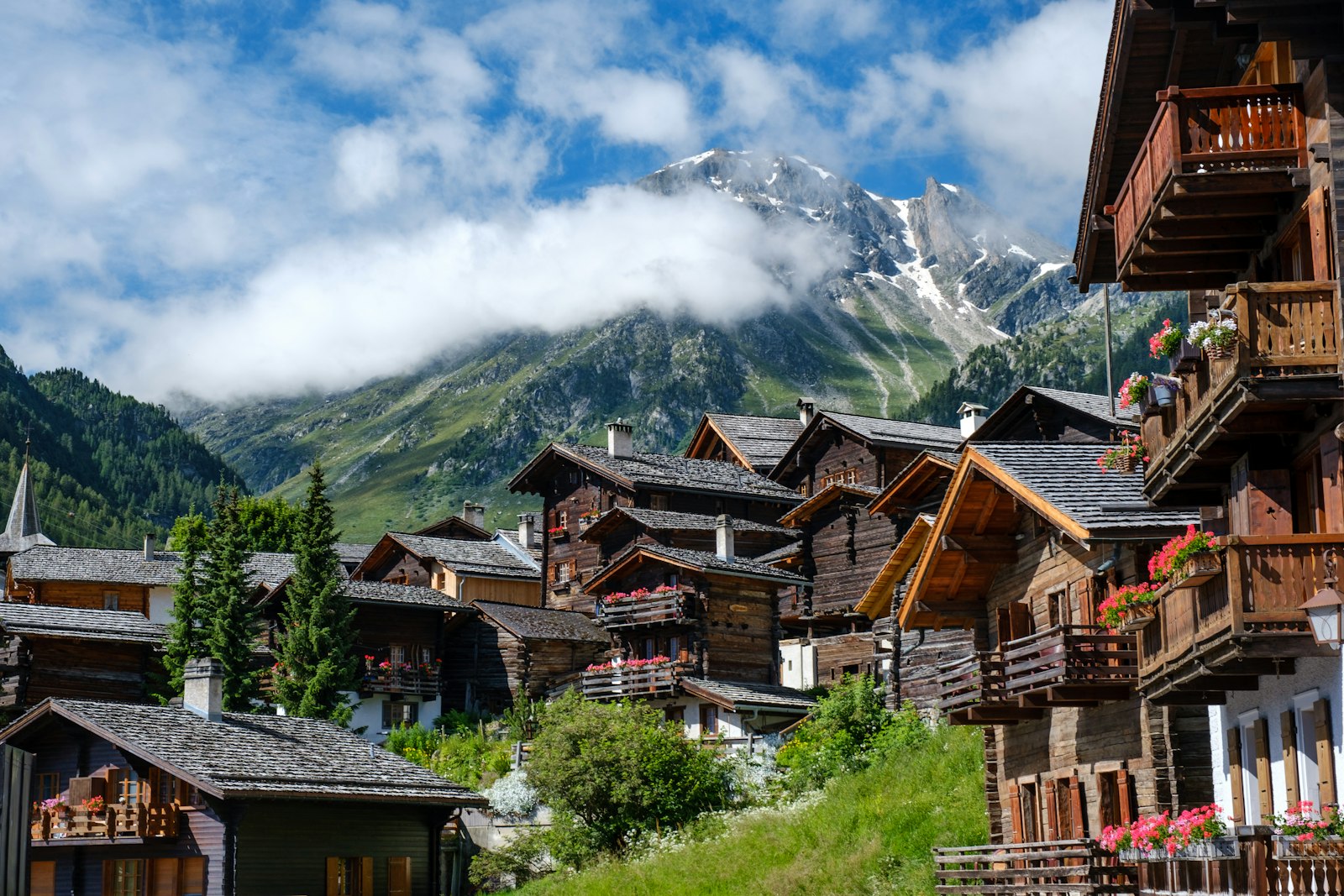
Switzerland's car-free alpine icon. The Matterhorn towering over a chalet village of skiing and high-altitude hikes. Best time to visit: December-April (ski) & June-September (hiking). Daily budget (budget traveller): $200 to $450 USD.
Arrive, village, Hinterdorf and the Matterhorn at dusk
Morning: Train from Zurich or Geneva to Visp, change onto the Matterhorn Gotthard Bahn for the 1h10 climb to Zermatt. Drop bags at your hotel or call an electric taxi at the station (CHF 15 to 25). Coffee and a slice of Nusstorte at Café du Pont.
Afternoon: Walk to the Hinterdorf quarter, where the weathered larch barns sit on stilts with flat stone discs to keep mice out. Visit the mountaineers' cemetery beside the St. Mauritius church, then the Matterhorn Museum (about CHF 14), where Whymper's snapped rope from the deadly 1865 first ascent is on display.
Evening: Stand on the Kirchbrücke over the Vispa river as the Matterhorn turns pink and orange. Dinner of cheese fondue at Whymper-Stube in the Hotel Monte Rosa. Early night, the next three days are lift days.
Gornergrat and the Riffelsee mirror
Morning: Take the first Gornergrat Bahn from the station opposite the MGB (about 7am, 33 min to 3,089m). Matterhorn on one side, Monte Rosa and the Gorner Glacier on the other. Hot chocolate at the Gornergrat Kulm terrace.
Afternoon: Ride one stop down to Rotenboden (2,815m) and walk 10 minutes to Riffelsee for the Matterhorn reflection, best when the lake is still. Walk on to Riffelberg, lunch on the terrace of Hotel Riffelberg, then ride the train back to Zermatt.
Evening: Raclette at Z'alt Hischi in Hinterdorf, a local favourite. Fendant to wash it down. Early bed.
Five Lakes Walk (Sunnegga to Blauherd)
Morning: Take the underground Sunnegga funicular from the village, then the gondola up to Blauherd (2,571m). Walk down to Stellisee in 30 minutes, the best Matterhorn reflection shot of the trip, before the wind picks up.
Afternoon: Continue past Grindjisee, Grünsee, Moosjisee and Leisee, about 9.8km and 3 hours in total. Lunch at Restaurant Fluhalp above Stellisee if you want a long, slow one. Winter option: ski Rothorn and Sunnegga instead.
Evening: Back in town, burgers and a pint at Papperla Pub or après drinks at Hennu Stall. Legs will thank you for an early night.
Matterhorn Glacier Paradise
Morning: First cabins of the day (about 8:30, check the Zermatt Bergbahnen timetable). Matterhorn Express to Furi and Trockener Steg, then the Matterhorn Glacier Ride up to Klein Matterhorn at 3,883m. Clear mornings only, so check the webcam at breakfast.
Afternoon: Walk through the Glacier Palace ice tunnels 15m under the glacier, then the viewing platform at 3,883m for the Alps, Mont Blanc and, on perfect days, the Apennines. Ride down to Trockener Steg for lunch and a short walk.
Evening: Dinner at Café du Pont, simple Swiss plates. Drink water and sleep high-altitude-headache free.
Zmutt valley and Stafelalp
Morning: Walk from the village through the Zmutt valley, a quiet trail of old barns and hay meadows on the north side of the Matterhorn. Roughly 1h45 to Zmutt hamlet.
Afternoon: Continue to Stafelalp (about 2,200m) for lunch with the Matterhorn's north face straight above you. Walk back down through Zmutt and the Schwarzsee trail or ride back as far as you can on the bus.
Evening: Hot Glühwein or a cold Fendant at Elsie's Bar, a tiny wood-panelled classic in the village. Dinner at the hotel or something easy from Migros.
Day trip to Saas-Fee
Morning: Train to Visp (about 1h), then PostBus to Saas-Fee (about 55 min). Ride the Metro Alpin, the world's highest underground funicular, to Mittelallalin at 3,500m.
Afternoon: Glacier views and the Ice Pavilion, lunch at the revolving restaurant, then wander car-free Saas-Fee. Return the same way.
Evening: Back in Zermatt, a quiet dinner at your hotel. Pack for tomorrow.
Findeln walk and depart
Morning: Pastries and a Coop sandwich for the road. Walk up through Winkelmatten to Findeln (about 45 minutes), the sunny hamlet of old Valais houses and terraces.
Afternoon: Long lunch at Chez Vrony or Findlerhof (book ahead, mains CHF 40 to 60). Stroll down to the village, collect bags.
Evening: MGB train down to Visp (window seat on the left for the valley), then onward to Zurich, Geneva or Milan.
What to eat in Zermatt
- Cheese fondue and raclette in a cosy chalet restaurant
- Rösti, the Swiss crispy potato dish
- Alpine air-dried meats and mountain cheeses
- Hot chocolate and Swiss pastries on a sunny terrace
Hidden gems
- The reflection of the Matterhorn in the Stellisee on the Five Lakes Walk.
- The atmospheric old Hinterdorf quarter of weathered timber barns.
- Sunrise on the Matterhorn from the Gornergrat before the crowds.
- The mountaineers' cemetery telling the peak's dramatic climbing history.
Getting around
Zermatt is completely car-free, so visitors leave their cars in Täsch and take the frequent shuttle train into the village; many arrive via Switzerland's scenic rail network, including the famous Glacier Express. Within the village, everything is walkable, with electric taxis and small carts for luggage. The mountains are accessed by an exceptional network of cogwheel railways, cable cars and gondolas (Gornergrat, Klein Matterhorn, Sunnegga), which double as the transport for skiers and hikers. A Zermatt or Swiss travel pass can make the many mountain trips better value.
Safety
Zermatt is extremely safe, with very low crime, and is excellent for solo travellers, including women, day and night. The car-free village is relaxed and easy to navigate. The real considerations are mountain-related: altitude (the Klein Matterhorn exceeds 3,800m), rapidly changing alpine weather, sun exposure and the need for proper footwear and layers on trails and slopes. Stick to marked pistes and trails, heed avalanche and weather warnings, and consider guides for glacier or high-altitude routes. The main 'risk' for most visitors is simply the high cost.
Frequently asked questions
What does this 7-day Zermatt itinerary cover?
Day 1: Arrive, village, Hinterdorf and the Matterhorn at dusk. Day 2: Gornergrat and the Riffelsee mirror. Day 3: Five Lakes Walk (Sunnegga to Blauherd). Day 4: Matterhorn Glacier Paradise. Day 5: Zmutt valley and Stafelalp. Day 6: Day trip to Saas-Fee. Day 7: Findeln walk and depart.
Is 7 days enough for Zermatt?
Yes, 7 days in Zermatt gives you time to spare. We recommend 3 to 5 days, and this plan uses the extra days for day trip to Saas-Fee; Findeln walk.
How much does 7 days in Zermatt cost?
A budget traveller spends about $200 to $450 USD a day in Zermatt, so roughly $1,400 to $3,150 USD for 7 days, not counting flights.
Where should I stay for 7 days in Zermatt?
Zermatt Village: The car-free centre of chalets, the Bahnhofstrasse and après-ski bars. Gornergrat: The ridge reached by cogwheel railway with classic Matterhorn panoramas.
When is the best time to visit Zermatt?
The best time to visit Zermatt is December-April (ski) & June-September (hiking).
How do I get around Zermatt?
Zermatt is completely car-free, so visitors leave their cars in Täsch and take the frequent shuttle train into the village; many arrive via Switzerland's scenic rail network, including the famous Glacier Express. Within the village, everything is walkable, with electric taxis and small carts for luggage.
Is Zermatt safe for solo travellers?
Zermatt is extremely safe, with very low crime, and is excellent for solo travellers, including women, day and night. The car-free village is relaxed and easy to navigate.
Read more about Zermatt
More 7-day guides
- Montreux in 7 days
- Lugano in 7 days
- Lausanne in 7 days
- Grindelwald in 7 days
- Lauterbrunnen in 7 days
- Mürren in 7 days
- Appenzell in 7 days
- Ascona in 7 days
Zermatt in 2 days | Zermatt in 3 days | Zermatt in 4 days | Zermatt in 5 days | Full Zermatt guide
Joy Plus home | Destinations | Itineraries | Activities | Flights | Budget planner | Calendar | Map | Blog | Lifetime access