Bonaire in 3 days
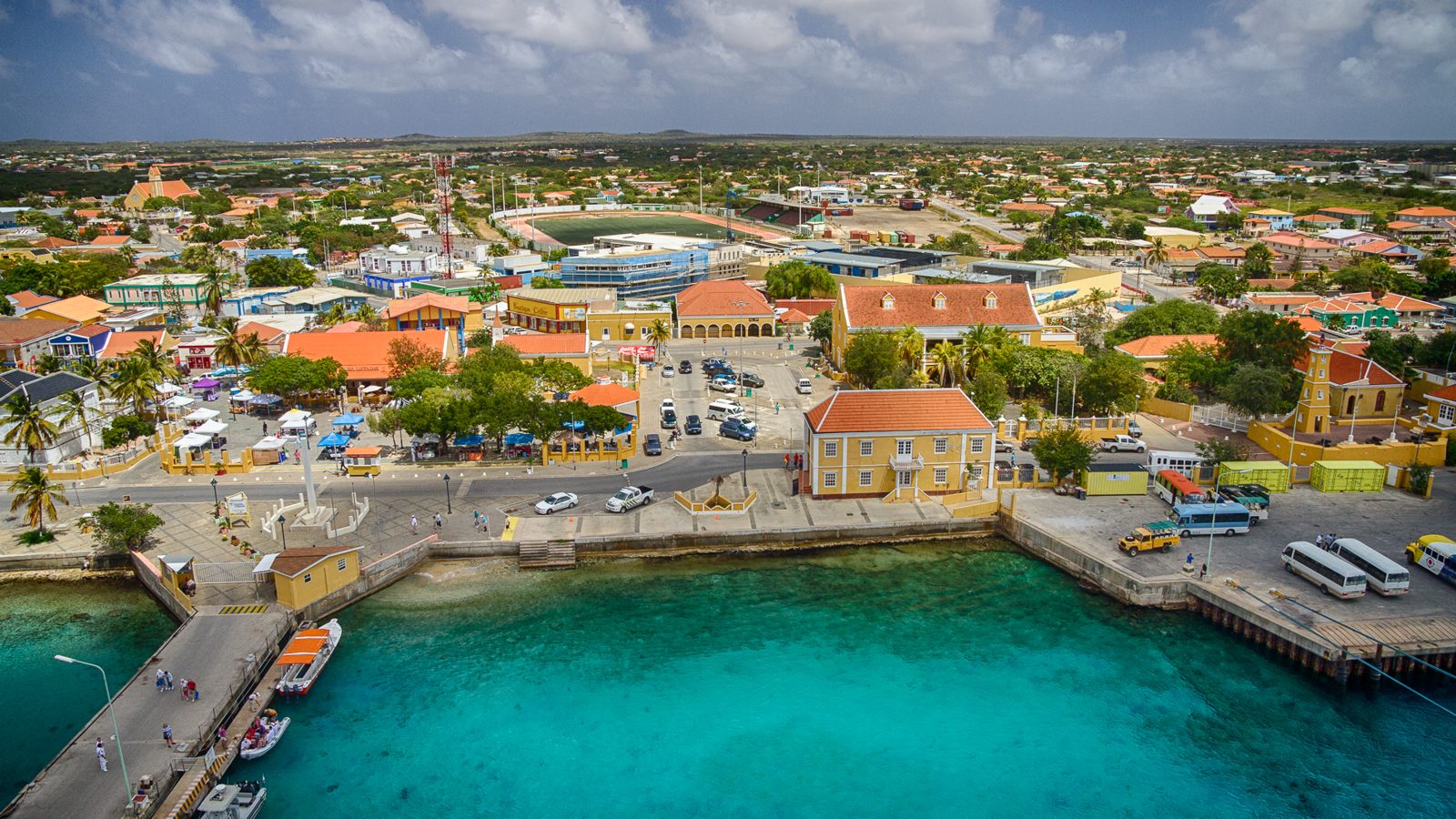
A dry, quiet Dutch Caribbean island known for its reefs. You can walk into the sea from almost anywhere on the west coast, drive past cactus and flamingos to old salt pans, and end the day with a cold beer on the Kralendijk waterfront. Best time to visit: April to June and September to October. Daily budget (budget traveller): $110 to $300 USD.
Arrive and find your feet
Morning: Land at Flamingo Airport, collect your hire car and stock up at a Kralendijk supermarket. Check that your entry tax and nature fee are sorted.
Afternoon: Check in, then walk the boulevard past Fort Oranje. Have a first easy snorkel at Bari Reef or another entry close to town.
Evening: Watch the sunset from a waterfront bar, then get dinner from a snack truck or a simple local restaurant.
North coast reefs
Morning: Drive the coast road north early, while the sea is flat. Snorkel or dive at 1000 Steps and stop at the Seru Largu lookout on the way back.
Afternoon: Rest through the heat, then try another yellow-stone site such as Andrea I or II.
Evening: Join a sunset happy hour at a dive resort bar in Hato, a good place to meet other divers.
Klein Bonaire
Morning: Take the morning water taxi from the boulevard (about $25 return) and join the free drift snorkel if it is offered.
Afternoon: Swim and snorkel off No Name Beach. Bring lunch, plenty of water and shade, as there is nothing on the island.
Evening: Return to Kralendijk, rinse off and try grilled lionfish for dinner.
Heading home: Buy Bonaire salt or Cadushy, return the car and allow time at the small airport. Fly home, or hop over to Curaçao or Aruba on a short regional flight.
What to eat in Bonaire
- Lionfish: an invasive reef species that tastes like a delicate white fish. Eating it helps the reef, and many restaurants serve it grilled or as fish and chips
- Stoba di kabritu: slow-cooked goat stew, served with funchi (cornmeal) or rice at local snack spots and on Rincón lunch menus
- Pastechi: fried pastries filled with cheese, chicken or tuna, sold at bakeries and snack trucks for a cheap breakfast
- Keshi yena: a round of Gouda baked with a spiced meat filling, a dish that mixes Dutch and Caribbean food
- Cadushy: a cactus liqueur made in Rincón, plus local sea salt from the southern pans to take home
- Snack truck dinners: burgers, satay and fresh fish from the trucks at Te Amo Beach and around town, often the best-value meal on the island
Hidden gems
- Lac Cai, at the far end of Lac Bay, where huge piles of discarded conch shells line the shore near a simple beach bar
- Seru Largu, a hilltop lookout just north of Kralendijk with wide views over the town, the sea and Klein Bonaire
- The Onima rock inscriptions on the north-east coast, centuries-old red drawings left by the island's Indigenous people
- Mangazina di Rei near Rincón, a small cultural park in an old storehouse that explains the island's slavery and farming history
- Te Amo Beach at sunset, a thin strip of sand by the airport runway where food trucks park and planes come in low over the water
Getting around
Bonaire has no public transport, so most visitors hire a car. Expect around $40-50 a day for a small car and $60-75 for a pickup truck, which divers like for carrying gear and which you need for Washington Slagbaai. Most hire cars are manual, and automatics cost extra. Many local firms offer free pick-up at the airport. Driving is on the right, roads are quiet, and the main loop around the south takes only a couple of hours. Watch for donkeys and goats on the road, especially at dusk. Taxis wait at the airport but have no meters. The ride to Kralendijk costs about $15-20, so agree the fare before you get in, and an hourly hire costs around $45. Scooters, e-bikes and small electric cars can be rented for short hops, but they are not allowed in the national park. Kralendijk itself is easy to walk, though the heat makes long walks hard work. Water taxis to Klein Bonaire leave from the boulevard and from some resort piers.
Safety
Bonaire is one of the safest islands in the Caribbean, and violent crime against visitors is rare. The main problem is theft from cars at dive sites. Leave nothing in the car, and many people leave the windows down so they are not smashed. The sun is fierce all year, so drink lots of water and cover up. In the sea, stay on the calm west coast, as the east coast has strong currents and rough surf. Avoid touching fire coral and watch for sea urchins and the venomous spines of lionfish. Do not snorkel alone in deep water or far from shore. Drive slowly at night because of the donkeys and goats. Mosquitoes can carry dengue, so use repellent. Tap water is desalinated and safe to drink. For police and ambulance call 911, and for the coast guard call 913. The hospital in Kralendijk has a recompression chamber for divers. Bring travel insurance with medical and diving cover.
Frequently asked questions
What does this 3-day Bonaire itinerary cover?
Day 1: Arrive and find your feet. Day 2: North coast reefs. Day 3: Klein Bonaire.
Is 3 days enough for Bonaire?
Our recommended trip length for Bonaire is 5 to 7 days. This 3-day plan focuses on the highlights and groups sights by area so you spend less time travelling between them.
How much does 3 days in Bonaire cost?
A budget traveller spends about $110 to $300 USD a day in Bonaire, so roughly $330 to $900 USD for 3 days, not counting flights.
Where should I stay for 3 days in Bonaire?
Kralendijk centre and the boulevard: The island's only real town, strung along a seafront promenade with the cruise pier, Fort Oranje, the Klein Bonaire water taxis and most of the bars and restaurants. Hato and the northern coast road: The stretch north of town where the big dive resorts sit along the reef, with on-site dive shops, house reefs and sunset bars.
When is the best time to visit Bonaire?
The best time to visit Bonaire is April to June and September to October.
How do I get around Bonaire?
Bonaire has no public transport, so most visitors hire a car. Expect around $40-50 a day for a small car and $60-75 for a pickup truck, which divers like for carrying gear and which you need for Washington Slagbaai.
Is Bonaire safe for solo travellers?
Bonaire is one of the safest islands in the Caribbean, and violent crime against visitors is rare. The main problem is theft from cars at dive sites.
More 3-day guides
- Grenada in 3 days
- Trinidad in 3 days
- Vieques in 3 days
- Viñales in 3 days
- Havana in 3 days
- San Juan in 3 days
- Punta Cana in 3 days
- Nassau in 3 days
Bonaire in 2 days | Bonaire in 4 days | Bonaire in 5 days | Bonaire in 7 days | Full Bonaire guide
Joy Plus home | Destinations | Itineraries | Activities | Flights | Budget planner | Calendar | Map | Blog | Lifetime access