Delft in 7 days
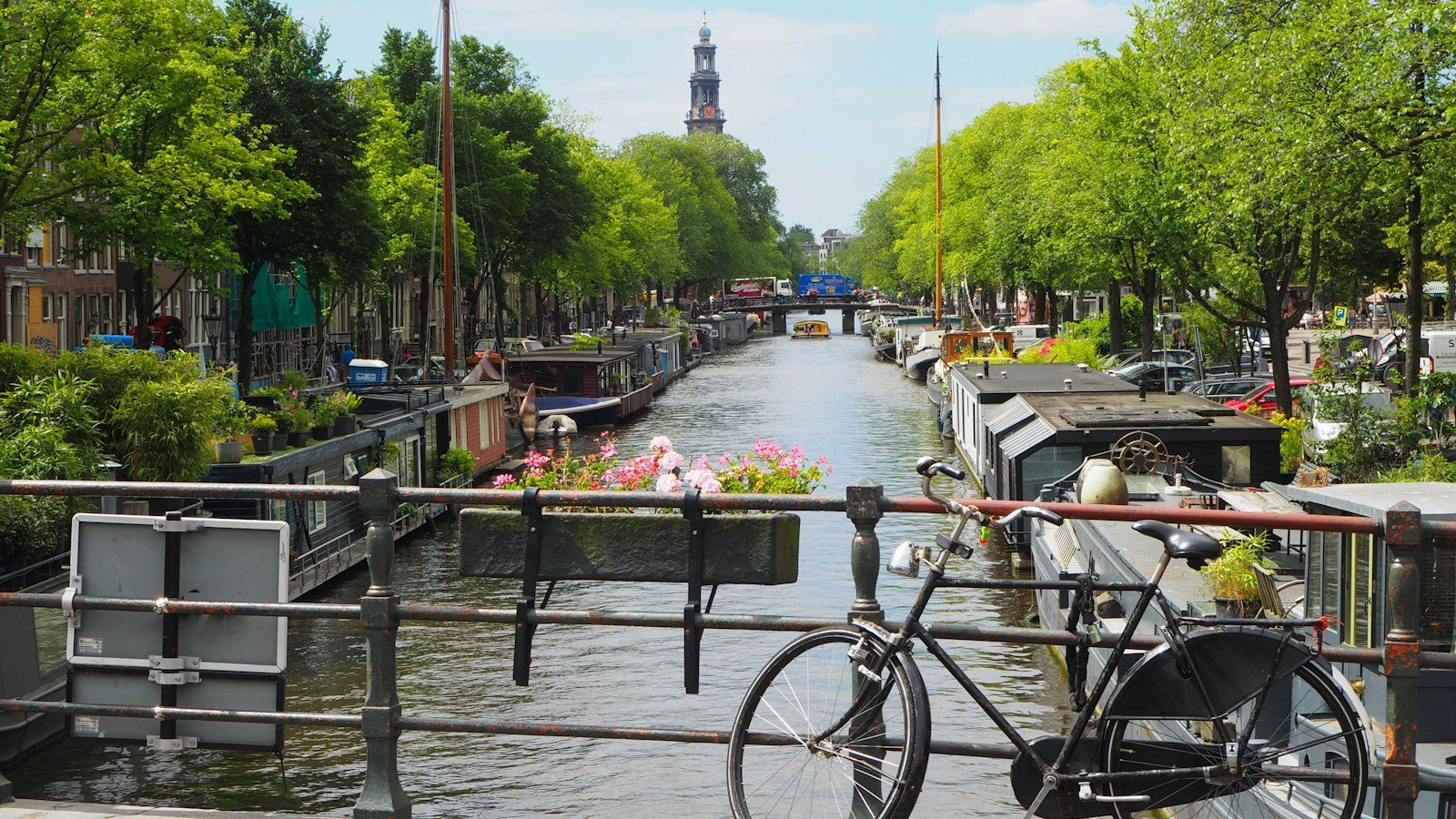
A small canal city between The Hague and Rotterdam, known for Vermeer, blue-and-white pottery and the House of Orange. You climb a 108m church tower, walk tree-lined canals and use the cheap, fast trains to reach two big cities in about 15 minutes. Best time to visit: April to June and September. Daily budget (budget traveller): $85 to $270 USD.
Arrive and find the Markt
Morning: Take the train from Schiphol or Amsterdam (40 to 60 minutes). Drop your bag and walk to the Markt for coffee facing the Nieuwe Kerk.
Afternoon: Buy the €15 churches and tower ticket. See William of Orange's tomb, climb the tower, then walk to the Oude Kerk to see Vermeer's memorial stone.
Evening: Wander the Oude Delft as the lights come on, then have bitterballen and a local beer in a brown café.
Delft Blue and Vermeer
Morning: Walk or cycle south to Royal Delft (around €18) and watch the painters at work before the tour groups arrive.
Afternoon: Back in the centre, visit the Vermeer Centrum (around €12-15) and then find Vlamingstraat, the likely setting of The Little Street.
Evening: Dinner in one of the restaurants around the Markt or along the Beestenmarkt, a leafy square full of terraces in summer.
Markets, canals and a windmill
Morning: If it is Thursday, browse the market on the Markt and the flower stalls. If it is Saturday, go to the Brabantse Turfmarkt market and the canal-side flea market. Eat herring or kibbeling for a snack.
Afternoon: Visit the Paul Tetar van Elven canal house, then walk west to Molen De Roos. Take a canal boat if they are running.
Evening: Watch the Oostpoort at sunset, then go for a drink at Locus Publicus or another beer café.
The Hague and the sea
Morning: Take the train (about 10 minutes) or tram 1 to The Hague. See the real View of Delft and Girl with a Pearl Earring at the Mauritshuis.
Afternoon: Walk past the Binnenhof and through the old centre, then take tram 1 to the beach at Scheveningen.
Evening: Watch the sunset on the North Sea, then take tram 1 back to Delft.
Bikes and green space
Morning: Rent a bike (about €12-15 a day) and ride to the Delftse Hout for a loop of the lake and woods.
Afternoon: Cycle back via the TU Delft campus and the Botanical Garden. Have lunch in a student café.
Evening: Picnic or have a simple dinner by a canal, then a quiet walk through the old centre.
A day in Rotterdam
Morning: Train to Rotterdam Centraal (about 15 minutes). Walk to the Markthal and the cube houses.
Afternoon: Cross the Erasmus Bridge, explore the Kop van Zuid and go up the Euromast if the weather is clear.
Evening: Dinner and drinks on the Witte de Withstraat, then a late train back to Delft.
Slow morning and depart
Morning: Have a last walk along the Oude Delft and breakfast at Stads-Koffyhuis or a café on the Markt.
Afternoon: Buy Delft Blue (genuine Royal Delft is marked on the base) or stroopwafels to take home, then take the train to Schiphol or onwards.
Evening: Arrive at the airport, or carry on to Leiden or Amsterdam.
What to eat in Delft
- Raw herring or kibbeling (fried cod chunks): from a fish stall on the market, eaten standing up with onions and pickles
- Stroopwafels: thin waffles with caramel syrup, best warm and freshly made at a market stall
- Broodjes and sandwiches at Stads-Koffyhuis on the Oude Delft, where you can eat on a moored boat terrace in summer
- Bitterballen: crisp fried ragout balls with mustard, the standard bar snack with a local beer
- Delft-brewed beer: try De Koperen Kat brews or the long beer list at a proeflokaal such as Locus Publicus
- Dutch apple pie with whipped cream, or poffertjes (small fluffy pancakes) from a market stall on a cold day
Hidden gems
- Vlamingstraat 40-42, the spot that researchers believe Vermeer painted in The Little Street, a short walk east of the Markt
- Molen De Roos, a working windmill on the western edge of the old town where volunteers sometimes let you climb up to the gallery on open days
- The Paul Tetar van Elven canal house museum on Koornmarkt, a 19th-century artist's home that feels as if he has just stepped out
- The TU Delft Botanical Garden, with glasshouses and quiet lawns that most visitors never find
- The Oostpoort early in the morning, when the twin towers and the drawbridge are reflected in still water
Getting around
The old centre of Delft is small and flat, so you can walk almost everywhere. It takes about 10 minutes from the station to the Markt and 15 minutes from the Markt to Royal Delft. Cycling is the local way to travel. Rental shops in town charge roughly €12-15 a day, and a bike makes the Delftse Hout, the university and the edges of town quick to reach. Lock it to something solid every time, because bike theft is common. Trains are the key to day trips. The Hague is about 10 minutes away, Rotterdam about 15, Leiden about 20 and Schiphol around 40, with trains running several times an hour. You can tap in and out with a contactless bank card or phone at the station gates and on trams and buses. Always tap out, or you will pay a maximum fare. Tram 1 runs from Delft through The Hague all the way to the beach at Scheveningen. Taxis are expensive, and there is little need for one in town. Do not drive into the centre: parking is costly and the lanes are narrow and one-way.
Safety
Delft is very safe, and violent crime against visitors is rare. The biggest real danger is traffic, mainly bikes. Never walk in the red cycle lanes, look both ways before stepping off a kerb and expect bikes to come at you from unexpected directions. Canals have few railings, so take care at night, especially after a few beers. Watch for bag snatching and pickpocketing at busy stations and on the Thursday market. If you rent a bike, use both locks and keep it in sight where possible. Cobbles and tram rails can be slippery in the rain. The Nieuwe Kerk tower has steep, narrow spiral stairs and is not for anyone who struggles with tight spaces. Tap water is safe to drink. The EU emergency number is 112. EU travellers should carry an EHIC and UK travellers a GHIC, and everyone else needs travel insurance with medical cover.
Frequently asked questions
What does this 7-day Delft itinerary cover?
Day 1: Arrive and find the Markt. Day 2: Delft Blue and Vermeer. Day 3: Markets, canals and a windmill. Day 4: The Hague and the sea. Day 5: Bikes and green space. Day 6: A day in Rotterdam. Day 7: Slow morning and depart.
Is 7 days enough for Delft?
Our recommended trip length for Delft is 3 to 5 days. This 7-day plan focuses on the highlights and groups sights by area so you spend less time travelling between them.
How much does 7 days in Delft cost?
A budget traveller spends about $85 to $270 USD a day in Delft, so roughly $595 to $1,890 USD for 7 days, not counting flights.
Where should I stay for 7 days in Delft?
Markt and the historic centre: The heart of Delft, between the Nieuwe Kerk and the town hall. Oude Delft and the Oude Kerk quarter: The oldest canal in the city runs past grand merchant houses, the leaning Oude Kerk and the closed Prinsenhof.
When is the best time to visit Delft?
The best time to visit Delft is April to June and September.
How do I get around Delft?
The old centre of Delft is small and flat, so you can walk almost everywhere. It takes about 10 minutes from the station to the Markt and 15 minutes from the Markt to Royal Delft.
Is Delft safe for solo travellers?
Delft is very safe, and violent crime against visitors is rare. The biggest real danger is traffic, mainly bikes.
Read more about Delft
More 7-day guides
- Leiden in 7 days
- Amsterdam in 7 days
- Rotterdam in 7 days
- Utrecht in 7 days
- Maastricht in 7 days
- The Hague in 7 days
- Giethoorn in 7 days
- Folegandros in 7 days
Delft in 2 days | Delft in 3 days | Delft in 4 days | Delft in 5 days | Full Delft guide
Joy Plus home | Destinations | Itineraries | Activities | Flights | Budget planner | Calendar | Map | Blog | Lifetime access