La Gomera in 3 days
A small, steep, round island an hour by ferry from Tenerife, where you walk through misty laurel forest, eat almogrote on village terraces and finish the day watching the sun set over Valle Gran Rey. Best time to visit: March to June and September to November. Daily budget (budget traveller): $75 to $215 USD.
Ferry over and Columbus's San Sebastián
Morning: Take a morning ferry from Los Cristianos (about 50 minutes) and sit on deck for the view of Tenerife behind you. Drop your bag at your San Sebastián hotel.
Afternoon: Walk to the Torre del Conde, the Iglesia de la Asunción and the old customs house well linked to Columbus. Pick up a hire car if you have booked one, and get cash.
Evening: Watch the ferries come in from the town beach, then have tapas with almogrote and a glass of local wine near the main square.
Roque de Agando and the summit
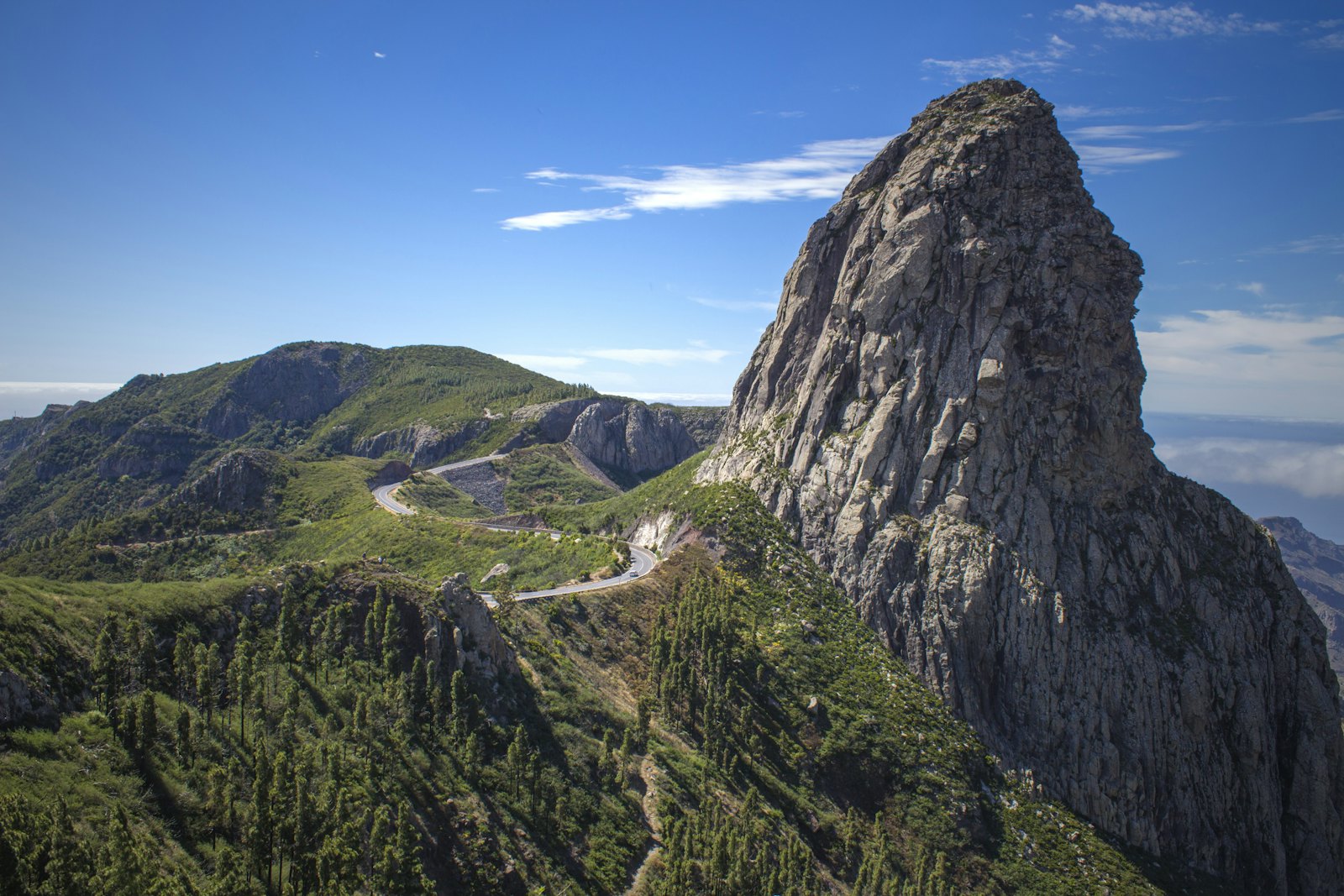
Morning: Drive up into the hills and stop at the Mirador de Los Roques for Roque de Agando. Continue to Pajarito and walk up Alto de Garajonay (about 40 minutes) while it is still clear.
Afternoon: Lunch at the Laguna Grande recreation area, then walk an easy forest loop. Drive down to Valle Gran Rey via Arure, stopping at the Mirador de César Manrique.
Evening: Check into your apartment near La Playa or Vueltas. Watch the sunset from the beach, then have grilled fish in Vueltas.
Whales and a slow day in the valley
Morning: Join a whale and dolphin trip from Vueltas port with Oceano Gomera (about €44) or Excursiones Tina (about €43). Bring a hat and seasickness tablets.
Afternoon: Swim at Charco del Conde, the sheltered rock pool, then nap or read. Walk up through the palm groves towards La Calera.
Evening: Join the sunset crowd on the beach at La Playa, then have a drink at a beach bar. Self-cater to save money.
Heading home: Fly home from Tenerife South, or stay a night in Los Cristianos if your flight leaves early the next day.
What to eat in La Gomera
- Almogrote: a spicy spread of hard, aged goat's cheese blended with peppers, garlic and oil, eaten on bread or crackers
- Miel de palma: palm honey, a dark syrup boiled down from palm sap, poured over desserts, cheese and pancakes
- Potaje de berros: a hearty watercress stew with potatoes, maize and pork, the classic mountain-village lunch
- Papas arrugadas con mojo: small salt-crusted potatoes with red and green mojo sauces, served with almost everything
- Fresh local fish such as vieja (parrotfish), grilled simply at harbour restaurants in Vueltas and Playa Santiago
- Gomerón: a sweet local liqueur of aguardiente and palm honey, offered as a digestif after a long lunch
Hidden gems
- Charco del Conde in Valle Gran Rey, a natural rock pool sheltered from the waves, good for a calm swim at high tide
- Mirador de César Manrique above Valle Gran Rey, a viewpoint and restaurant building by the Lanzarote artist, with a sheer drop into the valley
- Chorros de Epina near Vallehermoso, a small set of springs in the forest, with a local legend about drinking from them in the right order
- La Fortaleza near Chipude, a flat-topped table mountain that was sacred to the island's first inhabitants, reached by a short scramble
- The village of Agulo early in the morning, when the cobbled lanes are empty and Teide floats above the clouds across the water
Getting around
Most visitors hire a car, and a small one costs roughly €30-50 a day. Roads are good but steep and winding, so the 45km from San Sebastián to Valle Gran Rey takes well over an hour. Fuel is cheaper than on mainland Spain. The public bus company, GuaguaGomera, runs eight lines. Line 1 links San Sebastián with Valle Gran Rey across the middle of the island in about 1 hour 40 minutes, with only a few departures a day. Line 2 runs along the north via Hermigua and Agulo to Vallehermoso, and line 7 links San Sebastián with the airport. Fares are a few euros, and bank cards are increasingly accepted on board. Check timetables carefully, because Sunday services are thin. Fred. Olsen's Benchi Express catamaran sails along the south coast between San Sebastián, Playa Santiago and Valle Gran Rey. The full trip takes about 70 minutes and costs roughly €15-20. Taxis are available in the main towns, but long journeys across the island are expensive, so agree the fare first. Walkers can join trails from bus stops, especially on line 1.
Safety
La Gomera is very safe, and crime against visitors is rare. The real risks are outdoors. Trails are steep, often loose underfoot and can be slippery in the cloud forest, so wear proper shoes, carry water and tell someone your route. Cloud can drop quickly in Garajonay, so check the forecast and take a layer. Trails and roads can be closed during high fire risk, storms or strong winds, and the island lost large areas of forest in the 2012 wildfire, so follow any warnings and never light fires. Many beaches have strong Atlantic swell and currents, especially on the north coast. Swim only where locals do, and use sea pools in rough weather. Mountain roads are narrow, with sharp bends and occasional rockfall, so drive slowly and do not drive tired after a long hike. The sun is strong all year, even on cool, breezy days. EU visitors should carry a GHIC or EHIC card, and everyone should have travel insurance.
Frequently asked questions
What does this 3-day La Gomera itinerary cover?
Day 1: Ferry over and Columbus's San Sebastián. Day 2: Roque de Agando and the summit. Day 3: Whales and a slow day in the valley.
Is 3 days enough for La Gomera?
Our recommended trip length for La Gomera is 5 to 7 days. This 3-day plan focuses on the highlights and groups sights by area so you spend less time travelling between them.
How much does 3 days in La Gomera cost?
A budget traveller spends about $75 to $215 USD a day in La Gomera, so roughly $225 to $645 USD for 3 days, not counting flights.
Where should I stay for 3 days in La Gomera?
San Sebastián de La Gomera: The capital and ferry port on the east coast. Valle Gran Rey: A deep, green valley in the west that ends in black-sand beaches and a small port at Vueltas.
When is the best time to visit La Gomera?
The best time to visit La Gomera is March to June and September to November.
How do I get around La Gomera?
Most visitors hire a car, and a small one costs roughly €30-50 a day. Roads are good but steep and winding, so the 45km from San Sebastián to Valle Gran Rey takes well over an hour.
Is La Gomera safe for solo travellers?
La Gomera is very safe, and crime against visitors is rare. The real risks are outdoors.
Read more about La Gomera
More 3-day guides
- Oviedo in 3 days
- El Hierro in 3 days
- Sóller in 3 days
- Cáceres in 3 days
- Pamplona in 3 days
- Sitges in 3 days
- Tarifa in 3 days
- Zaragoza in 3 days
La Gomera in 2 days | La Gomera in 4 days | La Gomera in 5 days | La Gomera in 7 days | Full La Gomera guide
Joy Plus home | Destinations | Itineraries | Activities | Flights | Budget planner | Calendar | Map | Blog | Lifetime access