San Blas Islands in 3 days
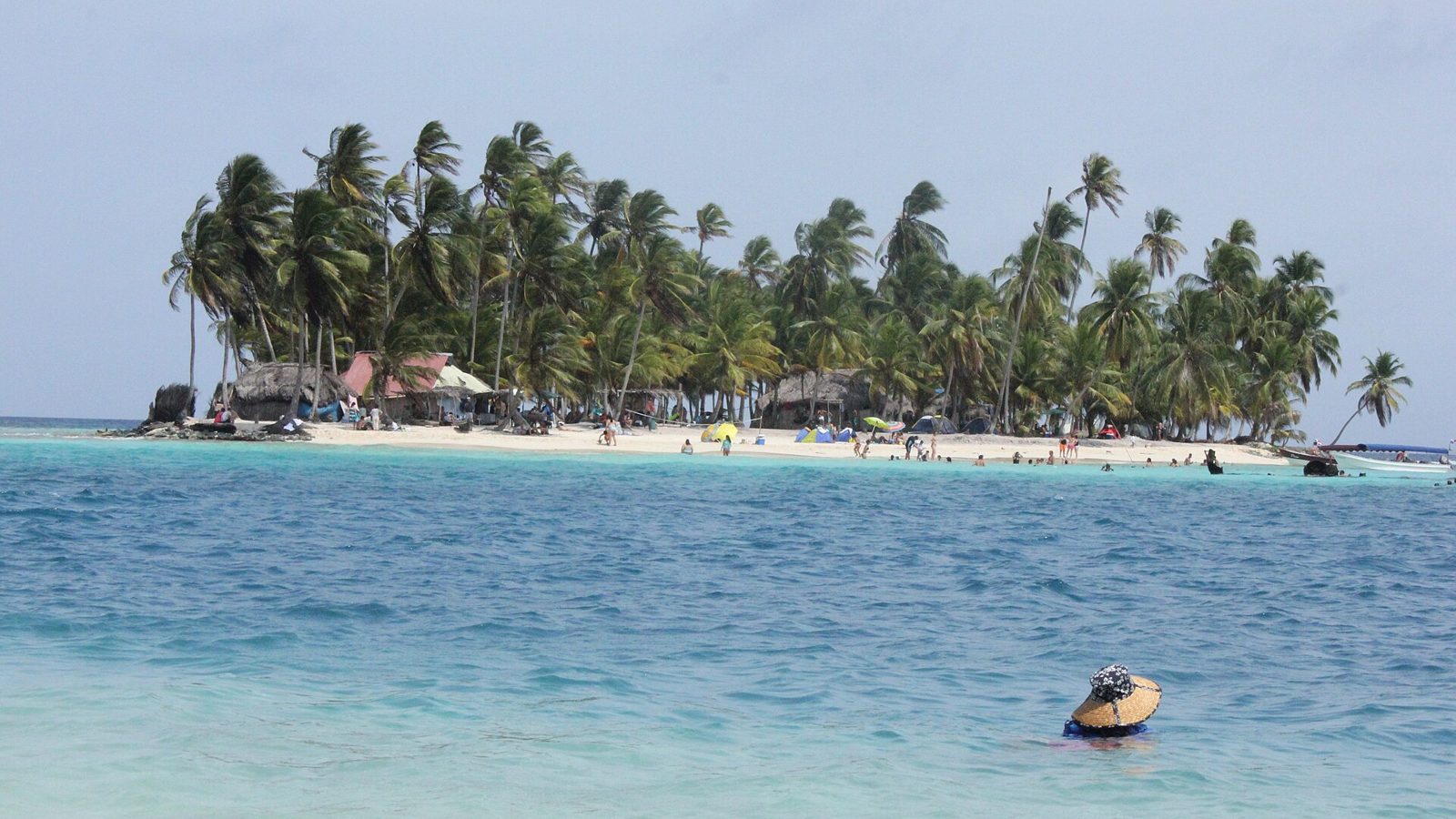
A chain of low palm islands off Panama's Caribbean coast, run by the Guna people as their own autonomous territory. You sleep in a simple cane cabin on the sand, snorkel over reefs and a sunken ship and eat fish caught that morning. Best time to visit: January to April. Daily budget (budget traveller): $80 to $250 USD.
Over the mountains to Cartí
Morning: A 4x4 picks you up in Panama City at around 5am. Pay the Guna Yala entry fee in cash at the checkpoint, then wait at Cartí port for your boat.
Afternoon: Ride out to your island in Cayos Limones, check into your cabin and have lunch. Swim and snorkel straight off the beach.
Evening: Watch the sunset from a hammock, eat dinner at the shared table and turn in early once the generator goes off.
Natural Pool and Isla Perro
Morning: Join the island-hopping boat to the Natural Pool before the day trippers arrive, and wade across the sandbank looking for starfish.
Afternoon: Stop at Isla Perro to snorkel over the sunken ship just off the beach, then have lunch and a lazy hour in the shade.
Evening: Back on your island for a lobster or crab dinner, if it is in season, and stargazing on the sand.
A day in Cayos Holandeses
Morning: Take the long boat ride out to the Dutch Cays, the clearest water in the archipelago. Bring seasickness tablets if the wind is up.
Afternoon: Snorkel the outer reefs, have lunch on a near-empty beach and swim in the turquoise channel known as the Swimming Pool.
Evening: Return to your island tired and salty. A simple fish dinner and an early night.
Heading home: Spend the night in Casco Viejo, or catch an evening flight. Leave a buffer night if you have an international flight.
What to eat in San Blas Islands
- Fresh fish with coconut rice and patacones: the standard island lunch, usually snapper or jack caught that morning and fried whole
- Lobster, crab and octopus: offered on most islands for a few extra dollars at dinner. Lobster is off the menu during the spring closed season, so ask your host
- Tule masi: the traditional Guna stew of fish and green plantain in coconut milk, worth asking for if your island cooks it
- Fresh coconut water straight from the shell. Never pick coconuts yourself, as every palm belongs to a family and coconuts are sold for income
- Balboa or Atlas beer and a glass of Panamanian rum such as Ron Abuelo, sold cold on most islands, with prices a little above the mainland
- Snacks and fruit bought in Panama City before you leave, as there are no shops on most islands and meals come at fixed times
Hidden gems
- The small Guna culture museum on Cartí Sugtupu, a simple room of photos and objects that explains the 1925 Guna Revolution and the comarca's self-rule
- The sandbars that appear between the Cayos Limones islands at low tide, where you can wade from one island to the next
- Sunrise on the eastern side of Chichime, before the sailboat crews wake up and the day boats arrive
- Wichub-Huala, a small inhabited island next to El Porvenir where you can wander the sand lanes between cane houses and watch children paddling dugout canoes
- The night sky from any outer island when the generator goes off, around 10pm on many islands, with no light pollution for miles
Getting around
There are no roads or cars on the islands, so every journey is by boat. Your host or tour operator meets you at Cartí port and takes you to your island in a motorboat called a lancha. The ride takes from 30 minutes to the nearest islands to around 90 minutes to Cayos Holandeses. Island-hopping trips to the Natural Pool, Isla Perro and nearby beaches are usually included in overnight packages, or cost extra on a per-trip basis. Boats leave when the captain decides the sea is calm enough, not to a timetable. If you want to move between islands mid-trip, arrange it with your host in advance and expect to pay for the boat. Rides can be wet and bumpy, especially from January to March when the trade winds are strong. Keep your bag in a dry bag and sit towards the back if you get seasick. Life jackets should be provided, so ask for one if you are not handed one. Kayaks and paddleboards are available on many islands for short trips across calm water.
Safety
Crime against visitors on the islands is rare, and the Guna communities keep a close eye on who comes and goes. The real risks are the sea, the sun and being far from medical help. Boat rides can be rough, so wear a life jacket and hold on. Currents can be strong between islands, so swim near the beach, never alone after dark, and ask your host where it is safe. Coral cuts get infected quickly in the tropics, so clean them well. Sunburn comes fast on the water, and sandflies and mosquitoes bite at dusk. There are no hospitals in the archipelago, so bring a basic first-aid kit and any medication you need, and make sure your travel insurance covers medical evacuation. Do not drink the tap water on the islands. Drink bottled or filtered water instead. Keep your passport and cash in a dry bag. Panama's emergency number is 911. Some governments warn against travel to parts of the Darién region further east, but the main San Blas tourist islands near Cartí are not in that zone. Check your own government's advice before you travel.
Frequently asked questions
What does this 3-day San Blas Islands itinerary cover?
Day 1: Over the mountains to Cartí. Day 2: Natural Pool and Isla Perro. Day 3: A day in Cayos Holandeses.
Is 3 days enough for San Blas Islands?
Our recommended trip length for San Blas Islands is 3 to 5 days. This 3-day plan focuses on the highlights and groups sights by area so you spend less time travelling between them.
How much does 3 days in San Blas Islands cost?
A budget traveller spends about $80 to $250 USD a day in San Blas Islands, so roughly $240 to $750 USD for 3 days, not counting flights.
Where should I stay for 3 days in San Blas Islands?
Cartí and Cartí Sugtupu: The gateway to the archipelago. El Porvenir and Wichub-Huala: The administrative heart of the western islands, with an airstrip, a police post and a couple of simple places to stay.
When is the best time to visit San Blas Islands?
The best time to visit San Blas Islands is January to April.
How do I get around San Blas Islands?
There are no roads or cars on the islands, so every journey is by boat. Your host or tour operator meets you at Cartí port and takes you to your island in a motorboat called a lancha.
Is San Blas Islands safe for solo travellers?
Crime against visitors on the islands is rare, and the Guna communities keep a close eye on who comes and goes. The real risks are the sea, the sun and being far from medical help.
More 3-day guides
- Panama City in 3 days
- Bocas del Toro in 3 days
- Boquete in 3 days
- San Juan del Sur in 3 days
- Antigua in 3 days
- León in 3 days
- Suchitoto in 3 days
- Copán Ruinas in 3 days
San Blas Islands in 2 days | San Blas Islands in 4 days | San Blas Islands in 5 days | San Blas Islands in 7 days | Full San Blas Islands guide
Joy Plus home | Destinations | Itineraries | Activities | Flights | Budget planner | Calendar | Map | Blog | Lifetime access