AI Travel Planning in 2026: What It Can and Cannot Do
Mar 16, 2026, 10 min read. Last updated Nov 9, 2026

AI can shortlist places, order your stops and pace your days, but it can be wrong on prices, hours and entry rules. Here is what to trust, what to check and what to keep private.
AI assistants can now draft a week in Lisbon, suggest a route through Japan or turn a messy list of ideas into a day-by-day plan in a few minutes of chatting. They are genuinely useful. They are also confidently wrong often enough that you should never treat their answer as the last word on prices, opening hours or entry rules.
This is the honest explainer: what AI is good at in 2026, where it slips, how to check its answers against official sources, what not to paste into a chat, and what to keep for yourself. If you want the practical version, our step-by-step guide to planning a trip in one day with AI walks through a full planning day from morning to evening.
How many people plan trips with AI

The answer depends on who is asked and what counts as using AI. Two UK surveys with published methods give a grounded picture.
- ABTA, 2025: 8% of UK adults used AI for holiday ideas, up from 4% a year earlier. Among 25 to 34 year olds it was 18% (ABTA).
- Method: a nationally representative sample of 2,001 UK adults, surveyed between 21 July and 1 August 2025 for ABTA's Holiday Habits report.
- Trust: in the same survey, 43% said they would be confident, to some degree, letting an AI tool plan their holiday. Fewer, 38%, would be confident letting it book.
- YouGov, July 2025: 20% of UK travellers felt comfortable using AI for trip planning, up from 15% in April 2024 (YouGov).
- Women and men: 19% of women felt comfortable and 52% uncomfortable, compared with 22% and 43% of men.
So planning with AI is growing, but it is still a minority habit, and many people are wary. That caution is reasonable. The rest of this guide explains why, and how to get the useful parts without the risk.
What AI does well
Used as a research assistant, a good AI tool saves you from the blank page. These are the jobs it handles best, because small errors are easy to spot and cheap to fix.
- Ideas: shortlisting places that fit your dates, budget and interests, with reasons you can weigh. Ask for three, not ten.
- Routing: putting stops in a sensible order and grouping sights by area, so you do not cross the city twice in one afternoon.
- Timing: rough pacing, such as how many sights fit in a day, where to put a slow afternoon and which day suits a day trip.
- Comparing: laying out trade-offs side by side, for example Lisbon against Porto for a long weekend.
- Language: drafting a polite message to a guesthouse or useful phrases. In the YouGov survey, translation was the most chosen use, picked by 26% of travellers who said they had used or would consider AI.
- Lists: turning a finished plan into a packing list or a to-do list you can tick off.
Where AI gets it wrong

Language models write the most likely sounding answer. Unless a tool is connected to live sources, it does not check what it writes, and even connected tools can misread a page. These are the failures that matter for travellers.
- Out of date: prices, opening hours, timetables and rules change. An answer can reflect pages that were right last year.
- Invented places: in 2025, tourists in Peru set out to find a "Sacred Canyon of Humantay" that does not exist, a name produced by an AI chatbot (OECD incident record).
- Wrong policies: in 2024 a Canadian tribunal ordered Air Canada to pay a passenger after its website chatbot wrongly said he could claim a bereavement fare after travelling (Global News).
- Many rules at once: in a 2024 research test called TravelPlanner, GPT-4 met every constraint in only 0.6% of trip plans (TravelPlanner paper). Models have changed since; check anyway.
- Same confident tone: a wrong answer reads exactly like a right one. Nothing in the wording tells you which is which.
None of this means you should avoid AI. It means you treat its answer as a draft full of claims to check, not as a confirmation. The cost of a wrong museum time is a wasted morning. The cost of a wrong entry rule can be the whole trip.
What to check, and where
Every plan has a handful of facts that can cost you money, or the trip, if they are wrong. Check these at the source, not in the chat window.
- Entry rules and visas: your own government's travel advice. GOV.UK foreign travel advice covers 226 countries and territories and offers email alerts.
- Prices: the airline, rail operator or attraction's own booking page, on the day you book. Treat any price from AI as a rough guide only.
- Opening hours and tickets: the venue's official website, for your exact dates.
- Last departures: the operator's own timetable for last trains, ferries and cable cars. A wrong last departure can leave you stranded.
- Safety: official travel advice first, then recent local news and recent reviews from people who travelled the way you will.
Why entry rules need extra care
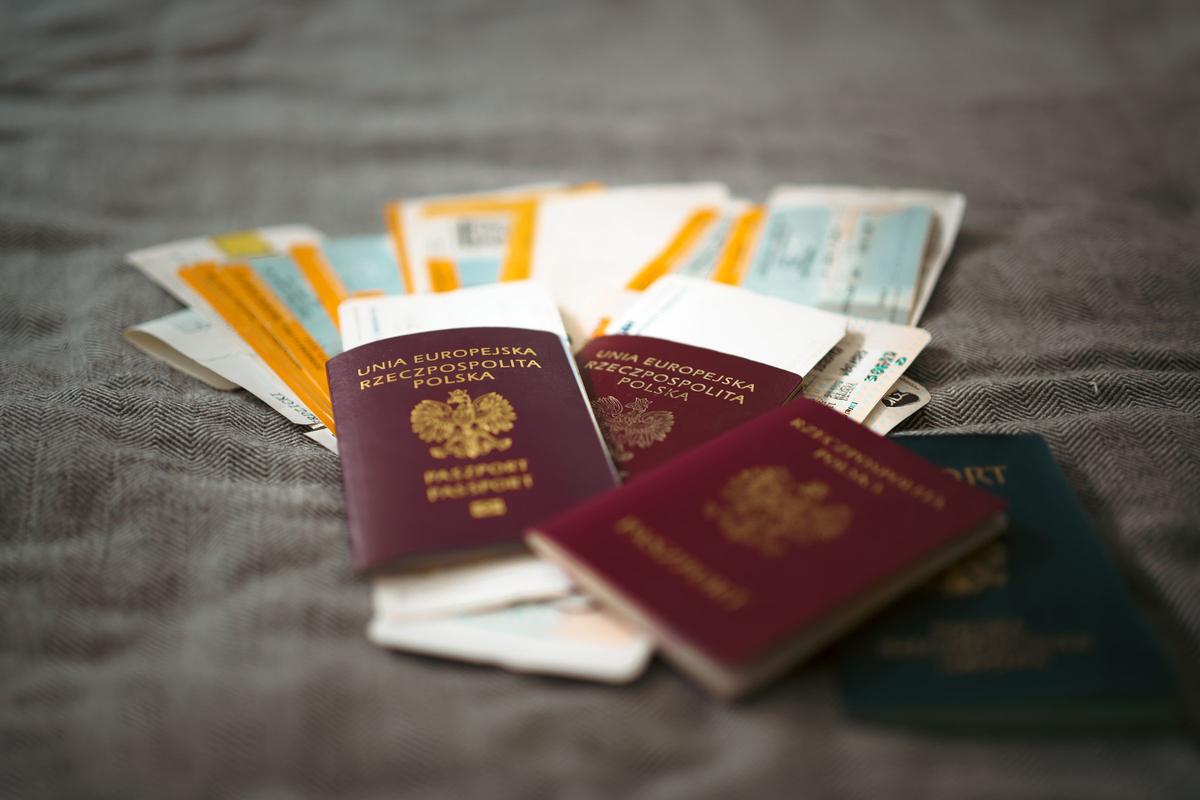
Entry rules are where stale answers bite hardest, because they change and the changes are phased. At Schengen borders, the EU's Entry/Exit System has been fully running since April 2026, so non-EU visitors on short stays register fingerprints and a photo, usually on their first entry. The EU's planned ETIAS travel authorisation has had its start date pushed back more than once. Check the official EU travel site before you go.
An AI answer written from older pages can be wrong in either direction: telling you that you need something you do not, or missing something you do. For the Schengen stay limit itself, our Schengen 90/180 rule explainer shows how to count your days.
How to ask for answers you can check
The way you ask changes how easy the answer is to verify. These habits help with any assistant.
- Ask for sources: ask it to link the official page for every price, time or rule. If it cannot give one, treat that fact as unconfirmed.
- Ask what it is unsure of: ask it to flag anything seasonal, recently changed or not confirmed. Then check those first.
- Give the constraints up front: dates, budget, which passport you hold, your pace and anything you will not do.
- Name your dates: say the exact dates, so it considers holidays and seasonal hours. Then confirm them yourself.
- Keep it small: ask for one day or one leg at a time. Shorter answers are quicker to check line by line.
Privacy: what not to paste
Chat assistants store what you type, and some have people read samples. Google says a subset of Gemini chats is read by human reviewers and asks users not to enter confidential information they would not want a reviewer to see.
- Leave out: passport numbers, full date of birth, booking references, home address and any card details.
- Use general terms: "a woman in her late twenties travelling solo" is enough to get suitable suggestions.
- Check the settings: look at whether your chats train models and how long they are kept. Gemini keeps chats for 72 hours even with activity turned off (Gemini privacy hub).
- Watch for lookalike sites: if AI links you to a visa site, check it is official. The UK ETA costs £20 on GOV.UK, which warns other websites may charge more (GOV.UK ETA).
- Live location: share it with a person you trust, not with a chatbot.
What to keep human

Some parts of a trip are better decided by you, or by people who know the place. AI can inform these choices; it should not make them.
- The why: whether the trip is worth the money and time, and what you want to feel when you get there.
- Your comfort on safety: which area you would walk back through at night, and which stay feels right. Our solo female travel safety tips help here.
- Local knowledge: a guide, host or friend who was there recently. In the Peru case, reports say it was a local guide who spotted the invented canyon.
- The final booking: reading the terms, cancellation rules and what is included before you pay. That part is yours.
- Room to wander: unplanned hours are often the best part of a trip. Leave some gaps in every day.
Used this way, AI is a fast first draft and a patient sounding board. The checking, the judgement and the moments that make a trip worth taking stay with you.
Plan it with Joy Plus
Joy Plus is one way to turn a rough idea into a day-by-day itinerary on a map, so you can see how each day fits together before you book. The trip hub keeps your bookings, flight alerts, budget and packing list in one place. As with any planning tool, check prices, hours and entry rules on official sites. For inspiration, browse our destination pages or a ready-made plan such as Porto in 3 days. Start planning your trip
Frequently asked questions
Can AI plan an accurate trip itinerary?
AI can draft a sensible itinerary, group sights by area and suggest pacing, but it can be out of date or simply wrong on prices, opening hours and rules. In a 2024 research test, GPT-4 met every constraint in only 0.6% of trip plans. Use the draft as a starting point and check each booking, time and price on the official site.
Is it safe to share my travel details with an AI chatbot?
Share only what the assistant needs to help: dates, budget and interests. Leave out passport numbers, booking references, card details and your home address. Google says a subset of Gemini chats is read by human reviewers, and it keeps chats for 72 hours even with activity turned off. Check your assistant's data settings before you start.
How can I tell if an AI travel recommendation is real?
Ask the assistant for the official website of every place it suggests, then open that site yourself. Search the name on a map and look for recent reviews and photos. In 2025, tourists in Peru went looking for a "Sacred Canyon of Humantay" invented by a chatbot, so a confident description is not proof that a place exists.
Can I trust AI for visa and entry requirements?
No. Use AI to know which questions to ask, then check the answer with your own government. GOV.UK foreign travel advice covers 226 countries and territories, and the US State Department has its own country pages. Entry rules change: the EU's Entry/Exit System is in use at Schengen borders, and the ETIAS start date has moved more than once.
How many people use AI to plan their holidays?
In ABTA's 2025 Holiday Habits survey of 2,001 UK adults, 8% used AI for holiday ideas, up from 4% the year before, and 18% of 25 to 34 year olds did. A separate YouGov survey in July 2025 found 20% of UK travellers felt comfortable using AI for trip planning, up from 15% in 2024.
Who is responsible if a travel company's chatbot gives wrong information?
It depends on the country and the case, but companies cannot always blame the bot. In 2024 a Canadian tribunal ordered Air Canada to pay a passenger after its website chatbot wrongly said he could claim a bereavement fare after travelling. Keep screenshots of what a company's chatbot tells you, and check the written policy before you pay.