Solo Female Travel Safety: Official Tips for Women Travelling Alone
Feb 5, 2026, 11 min read. Last updated Nov 9, 2026

What the UK, US and Canadian governments actually tell women travelling alone, turned into a plan: where to sleep, how to get home at night, local laws, spiking, health and who to call.
Women travel alone all the time, and official advice is about preparing well, not staying home. Still, some risks land differently when you are a woman on your own: the late taxi, the drink from a stranger, the hotel room on the ground floor, the clinic that does not stock what you need.
This guide pulls together what three governments tell women travellers: the UK Foreign Office (FCDO), the US State Department and Global Affairs Canada. For the less obvious risks every solo traveller faces, such as fake taxis, card skimming, phone theft and methanol, read our companion piece, solo travel safety tips nobody tells you. Emergency numbers and insurance basics are in first-time solo travel fears.
Start with the official women's pages
Each government keeps one page for women and one advice page per country. Ten minutes on both beats an hour of forum threads.
- UK: the FCDO page advice for women travelling abroad (updated 8 September 2026) covers local laws, spiking, pregnancy, insurance and domestic abuse.
- US: the State Department's advice page for women suggests packing health items that may be hard to find, such as period products and birth control.
- Canada: advice for women travellers (modified 18 August 2026) is the most practical of the three, with tips on rooms, taxis, drinks and dress.
- Country pages: read the safety and local laws sections for your destination on GOV.UK. Canada says its advisories flag risks specific to women.
- Register your trip: Canada runs the free Registration of Canadians Abroad, and the US has STEP. UK travellers can sign up for FCDO email alerts per country.
Choose where you sleep with care
The FCDO's solo travel guidance says you are most vulnerable when you first arrive, so it suggests booking the first night before you land.
- Night one: book it in advance and arrange the airport transfer before you fly, so you are not choosing a room or a driver while tired.
- Security: Canada suggests a place with real security features, such as cameras or a guard. A staffed 24-hour desk helps for late arrivals.
- Your room number: keep it private. The FCDO says not to leave your key where others can read the number.
- Visitors: use the spy hole or chain, and confirm who staff are before you open the door, even if they say they are housekeeping.
- Windows: close them, especially on the ground floor or near a balcony, and lock the door when you are inside.
- Small kit: both the UK and Canada mention a rubber door wedge. Canada also suggests a door alarm or a wearable personal alarm.
Getting home after dark

Most bad nights abroad start with the journey home, not the night out. Plan the ride back before the evening starts.
- Taxis: use legal, licensed taxis or a booked car. Canada warns against accepting rides from strangers or people you have only just met.
- Trains: pick a busy carriage at night, and reserved seats where you can. Canada suggests women-only carriages or buses where they exist.
- On foot: avoid poorly lit streets at night. Canada advises against walking or using public transport alone late, so budget for a taxi.
- Agree a check-in: leave your plans with someone at home and agree how often you will be in touch, as the FCDO suggests.
- Before you go out: save the address of your stay in the local script, so any driver can read it even if your phone dies.
How to check that a car is really the one you booked, and spot fake drivers at airports, is covered step by step in our less obvious risks guide.
Dress and local laws
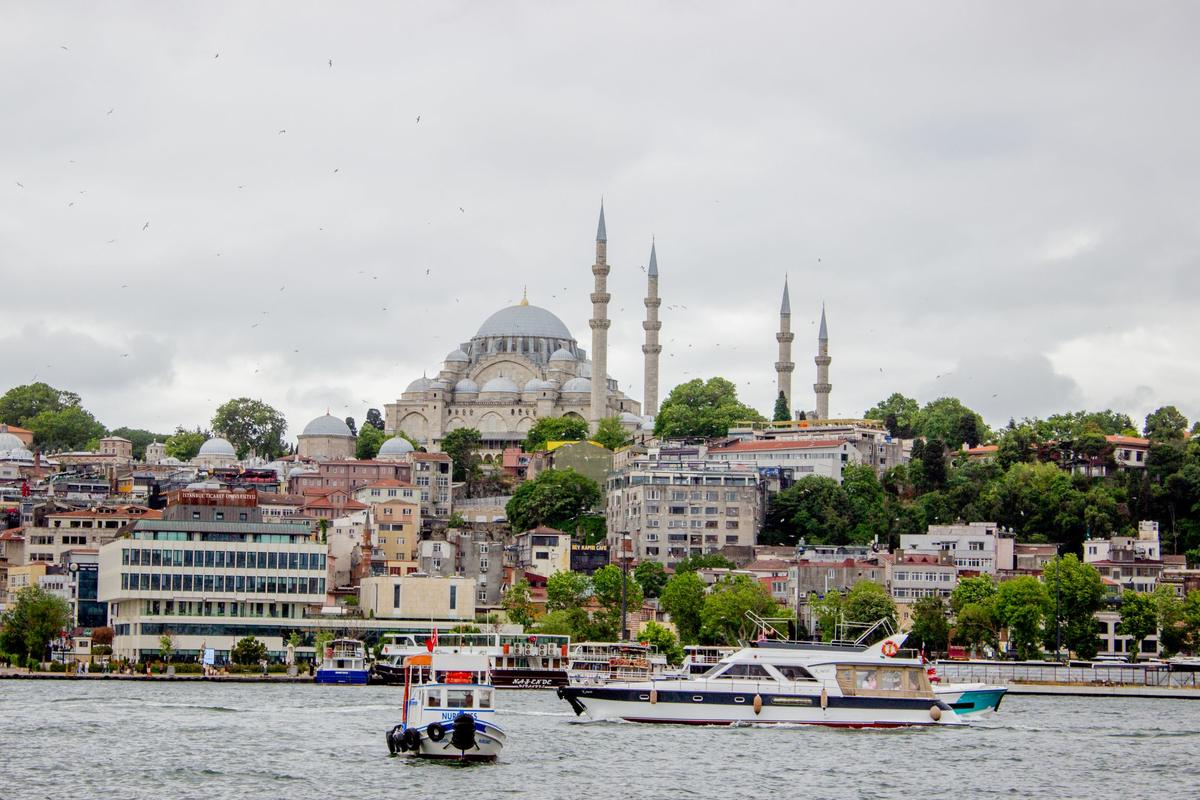
Norms on clothing differ a lot between countries, and in some places the law treats women differently. Canada warns that ignoring local dress norms could put your safety at risk.
- Research the norm: check the local laws section of the country page, and ask women who live there or travel there often, as Canada suggests.
- Pack one cover-up: a scarf and a layer for shoulders and knees cover most religious sites, from temples in Kyoto to mosques in Marrakech.
- Know the laws: the FCDO tells women to research how the authorities treat gender equality issues before they travel.
- Pregnancy: the FCDO notes that abortion is heavily restricted in some countries. Check the country page before you go if this could affect you.
Harassment and what to do
Canada says plainly that women may be harassed, verbally abused or assaulted in some places. You cannot control other people, but you can control how quickly you leave.
- Leave early: the FCDO puts it simply: being safe matters more than being polite. Walk into a shop, hotel lobby or café and ask for help.
- Say less online: Canada advises against posting your exact location on social media while you are still there. Post the photos later.
- Call the police: if you feel fearful or in danger, the FCDO says to contact local police. Save the local emergency number before you land.
- Write it down: note the time, place and description while it is fresh. It helps any police report or complaint to your accommodation.
- Robbery: if someone demands your bag or phone, Canada advises staying calm and not resisting, as resisting can raise the risk of violence.
Drink spiking
Spiking happens in bars, clubs and private parties. The UK's Travel Aware spiking advice says drugs can make you black out or lose control, sometimes so that someone can rob or assault you.
- Watch it made: Canada suggests watching drinks being prepared and served, and never leaving food or drinks unattended.
- Not just alcohol: the FCDO says drinks can be spiked whether they contain alcohol or not, and the drugs are usually undetectable.
- Strangers: do not accept drinks from people you do not know. Canada adds snacks, gum and cigarettes to that list.
- Warning signs: feeling far drunker than you should, drowsy, confused or losing memory. Travel Aware says to trust your gut if something feels wrong.
- If it happens: get to a safe place with someone you trust, get medical help if needed, and report it to local police.
Spirits abroad can also contain methanol, which is a different danger with different symptoms. We explain the drinks to avoid in the methanol section of our companion guide.
If you are sexually assaulted abroad
This is the hardest topic here, and the official advice is clear. The FCDO's guidance for victims of rape and sexual assault abroad explains medical care, police reports and support at home.
- Get medical help first: a doctor can treat injuries and talk to you about emergency contraception and PEP, medicine that lowers the risk of HIV.
- Report before you leave: the FCDO says police investigations in most countries generally depend on the crime being reported while you are still there.
- Call your consulate: UK nationals can call the FCDO on +44 20 7008 5000, 24 hours a day. Staff can sometimes go with you to the police.
- Canadians: contact the nearest embassy or the Emergency Watch and Response Centre on +1 613 996 8885, which can guide you through the process.
- Back home: the FCDO says you can still have a medical examination in the UK, and continue PEP you started abroad.
Health: periods, contraception and pregnancy
Pharmacies abroad may not stock your brand, and some places stock very little. Pack enough for the whole trip, plus a week.
- Period products: Canada warns they may be hard to find in some parts of the world, especially outside big cities. A menstrual cup or period pants save space.
- The pill and time zones: keep taking it at the same home time. Ask your doctor or pharmacist before a long-haul trip if you take the progestogen-only pill.
- Sickness: if you vomit within 3 hours of a combined pill, the NHS says take another straight away. For a progestogen-only pill the window is 2 to 4 hours by type, so ask a pharmacist.
- Longer illness: on the combined pill, if diarrhoea lasts more than 24 hours, the NHS says keep taking your pills and use condoms until 7 days after it stops.
- Pregnancy: Canada advises insurance that covers pregnancy-related conditions, and the FCDO advises cover for medical evacuation. The FCDO adds that in some countries pregnancy outside marriage may not be covered.
- Medicines: Canada suggests seeing a health professional about six weeks before you go, and checking that your medicines are legal at your destination.
Meeting people without risk
Company makes most solo trips safer and more fun. Group walking tours, cooking classes and day trips are easy ways to meet other travellers in daylight, with a guide in charge.
- First meet-ups: pick busy public places and get yourself there and back. Canada advises caution with strangers and new acquaintances.
- Hostels: many have women-only dorms. Read recent reviews from other women before you book.
- More ideas: our guide to making friends while travelling solo has tested ways to meet people that do not feel awkward.
Your pre-trip checklist
Five things to do the week before you fly, all from the advice above.
- Read: your government's women's page and the safety and local laws sections for each country on your route.
- Book: the first night and the airport transfer, and save both addresses offline.
- Share: your itinerary with one person at home and agree when you will check in.
- Pack: a door wedge, a cover-up, period products and enough contraception for the trip plus spare.
- Connect: sort out mobile data before you land so maps and calls work at once. Our travel eSIM guide explains the options.
Plan it with Joy Plus
Joy Plus builds a day-by-day itinerary with a map, so you can see where each evening ends and how far you are from your bed. The trip hub keeps your bookings, flight alerts, budget and packing list in one place, ready to share with someone at home. Start planning your solo trip
Frequently asked questions
Is it safe for a woman to travel alone?
For most destinations, yes, with planning. The UK, US and Canadian governments all publish advice for women rather than telling them to stay home. Read your government's women's page and the country advice for each stop, book your first night ahead, arrange transport home before dark and share your plans with someone at home.
Which government advice should I read before a solo trip?
Read your own government's advice first, because it explains the help its consulates can give you. UK travellers use the FCDO's advice for women travelling abroad, Americans use the State Department's page for women and Canadians use advice for women travellers on travel.gc.ca. Then read the safety and local laws sections of the page for each country.
Should I tell people I meet that I am travelling alone?
You do not have to. Canada advises caution with strangers and recent acquaintances, and against posting your exact location online while you are still there. Keep your room number private, as both the UK and Canada advise, and share your full plans only with someone you trust at home who knows when to expect your next message.
What should I do if I think my drink was spiked?
Get to a safe place with someone you trust, and seek medical help if you feel very unwell. The UK's Travel Aware advice lists feeling much drunker than expected, drowsiness, confusion and memory loss as warning signs. Report it to local police, and if you were assaulted, contact your embassy or consulate as soon as you can.
Can I buy tampons and pads abroad?
In most cities, yes, but Canada's advice for women travellers warns that period products may be hard to find in some parts of the world, especially outside big cities. The US State Department also suggests bringing items that may be hard to find. Pack enough for your whole trip, or bring a menstrual cup or period pants.
Does the pill still work if I get travel sickness or diarrhoea?
It may not. The NHS says if you vomit within 3 hours of a combined pill, take another straight away. For a progestogen-only pill the window is 2 to 4 hours depending on the type, and you may need emergency contraception, so ask a pharmacist. With diarrhoea lasting over 24 hours on the combined pill, use condoms until 7 days after it stops.
Who can help a British woman who is assaulted abroad?
Call local emergency services first if you are in danger. Then contact the nearest British embassy or consulate, or the FCDO on +44 20 7008 5000, which answers 24 hours a day. The FCDO says investigations usually depend on reporting before you leave, and its staff can sometimes go with you to the police station.