Destinations / Asia
Ha Giang, Vietnam travel guide
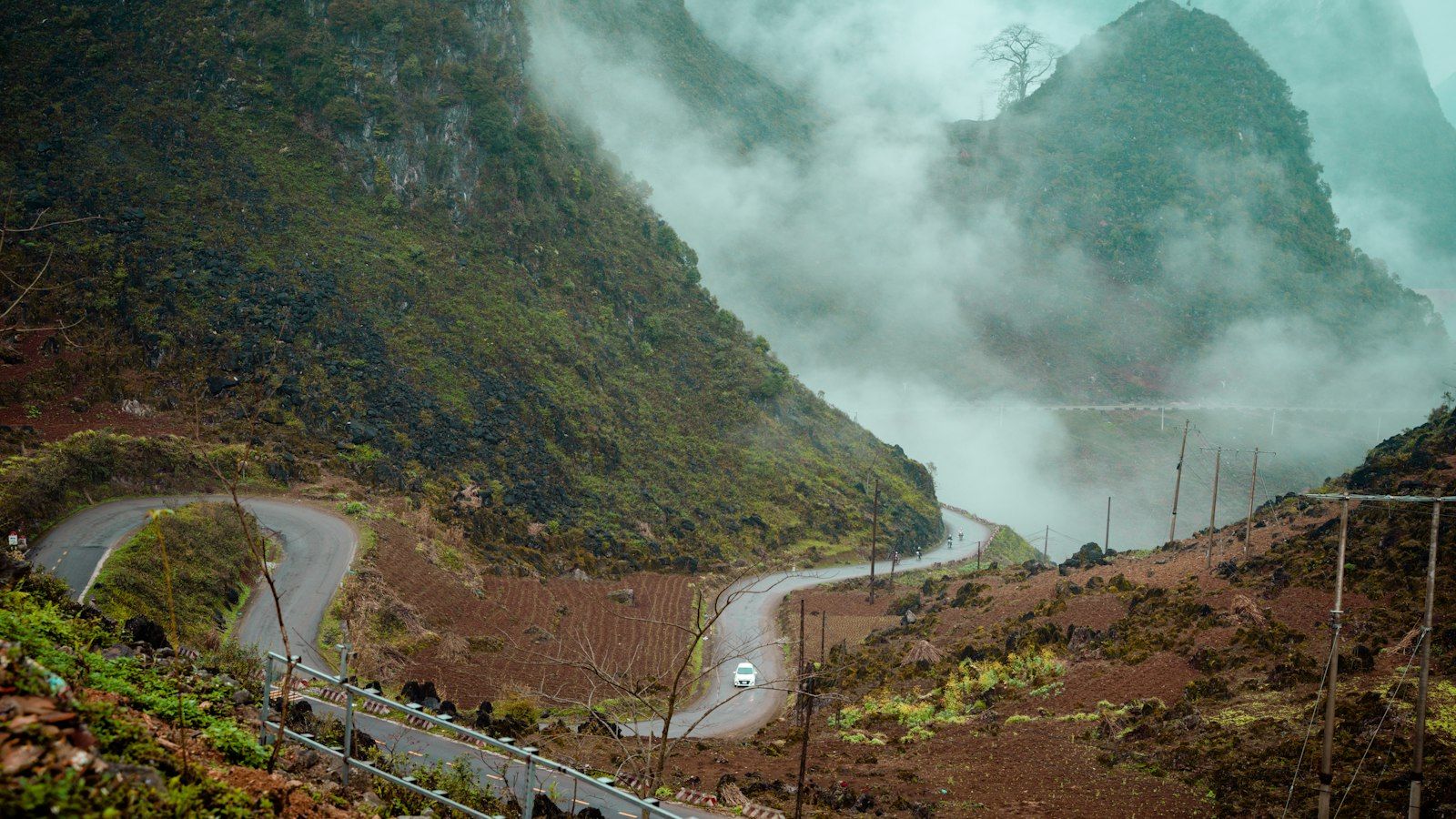
Vietnam's far-north karst plateau, where the Ha Giang Loop climbs through Hmong villages, limestone passes and the turquoise Nho Que gorge to the edge of China.
- Best time to visit: Late September to November and March to April
- Daily budget (budget traveller): $25 to $115 USD
- Ideal trip length: 5 to 7 days
Ha Giang is the northernmost tip of Vietnam, a jagged plateau of grey limestone and terraced maize fields pressed against the Chinese border. Since July 2025 the old Ha Giang province has officially been part of Tuyen Quang province, but the city, the Loop and the geopark all still use the Ha Giang name, so does everyone you'll meet. Most travellers come for the Ha Giang Loop, a roughly 350km circuit from Ha Giang City through Quan Ba, Yen Minh, Dong Van, the Ma Pi Leng Pass, Meo Vac and Du Gia. Much of the route crosses the Dong Van Karst Plateau, Vietnam's first UNESCO Global Geopark and home to Hmong, Lo Lo, Dao, Tay and more than a dozen other ethnic groups. Solo travellers have it easy here. Hostels in Ha Giang City run group tours with easy riders, local drivers who carry you on the back of their bike, and you end up sharing homestay dinners, corn wine and mountain passes with a crew of strangers who are friends by day two. The rules got stricter in 2026, so plan properly. You need a border-area permit, and nobody should ride themselves without the correct licence.
Ha Giang is a road trip before it is a place. The city itself is a pleasant riverside town where people spend one night, then everyone heads north on National Highway 4C, the Happiness Road, built by hand across the karst plateau. The Loop runs for roughly 350km through Quan Ba, Yen Minh, Dong Van, the Ma Pi Leng Pass, Meo Vac and Du Gia. Each day brings another pass, another limestone valley, and another market town where Hmong women in indigo carry baskets of maize up the road. Officially, this has all been Tuyen Quang province since July 2025, but the Ha Giang name has stuck everywhere that matters to a traveller.
Solo travellers mostly do the Loop as part of a group, and it works brilliantly. Hostels and operators in Ha Giang City sell three to five-day tours where you ride pillion behind an easy rider, sleep in family homestays and eat every meal together. In 2026, a group easy-rider tour cost roughly US$150-220 for three days and US$190-285 for four. That's the main cost of the trip. Rules tightened in 2026: every foreigner needs a border-area permit, police checkpoints check licences, and the province cracked down on unlicensed tour operators after a fatal accident in April. The fun is still there, but choose your operator with care.
Timing changes everything. October and November bring dry skies and pink buckwheat flowers, along with weekend crowds of domestic tourists. On 30 October 2026, the small Lo Lo village of Lo Lo Chai below Lung Cu received around 6,000 visitors in a single day. March and April are quieter and full of blossom. In summer, the land turns very green but fills with mud and landslide risk. Winter brings frost and fog on the passes. Go midweek if you can, start each morning early, and leave time for the slow moments: a Sunday market in Dong Van, a boat on the Nho Que, a swim in Du Gia.
Ha Giang itinerary
Arrive in Ha Giang City
Morning: Arrive on the overnight bus from Hanoi, often between 3am and 5am. Bang Phan sometimes lets passengers doze on board until about 7am. Check into your hostel and hand over your passport details for the border permit.
Afternoon: Withdraw cash for the whole Loop and buy a Viettel SIM. Then walk or cycle out to Thon Tha, a Tay village of stilt houses and rice fields a few kilometres from the centre.
Evening: Tour briefing and family dinner at your hostel. Meet your easy rider, check your helmet, and pack a small day bag.
Quan Ba Heaven Gate to Yen Minh
Morning: Leave by 8am and climb the Bac Sum Pass, then stop at Quan Ba Heaven Gate to see Tam Son valley and the Fairy Twin Mountains below.
Afternoon: Visit the Lung Tam linen cooperative to see hemp weaving and batik. Then ride on through the pine forests to Yen Minh, about 100km for the day.
Evening: Homestay dinner in Yen Minh. Expect corn wine toasts and karaoke, but drink slowly because there's an early start.
Tham Ma Pass, Vuong Palace and Lung Cu
Morning: Ride up the zigzag Tham Ma Pass and into Sung La valley. Stop at Lung Cam village, then visit Vuong Palace at Sa Phin (about 20,000-30,000 VND, cash).
Afternoon: Continue north to Lung Cu and climb roughly 280 steps to the flag tower (around 25,000-40,000 VND). The view across Lo Lo villages runs towards China.
Evening: Stay in a Lo Lo Chai homestay (about 200,000-350,000 VND with dinner). Come on a weekday, as autumn weekends get very crowded.
Dong Van, Ma Pi Leng and the Nho Que
Morning: Have coffee in Dong Van Old Quarter. If it's Sunday, the market is in full swing. Then ride the Ma Pi Leng Pass, stopping at the viewpoints while the light is soft.
Afternoon: Drop down to the Tu San dock for the Nho Que boat (150,000 VND, 60-90 minutes, cash). Boats leave when full, and queues are shortest before 9am or after 2pm.
Evening: Short ride on to Meo Vac. Have a hot dinner and an early night, as the next day is on rougher roads.
Meo Vac back roads to Du Gia
Morning: If it's Sunday, walk through the Meo Vac livestock market. Then take the back roads south towards Du Gia through Dao and Hmong villages. Some sections are rough or under repair.
Afternoon: Arrive in Du Gia and walk to the waterfall for a cold swim. The water is best after the rains and can be thin late in the dry season.
Evening: Final group dinner in a Du Gia homestay. This is usually the loudest night of the Loop.
Back to Ha Giang City
Morning: Take a slow walk through Du Gia's rice fields, then ride back south to Ha Giang City, around 4 to 5 hours with stops.
Afternoon: Arrive mid-afternoon, tip your rider in cash, and swap photos with your group. Have a long, hot shower.
Evening: Try chao au tau at an established shop in Ha Giang City. Only eat it at well-known places, because the root is toxic if prepared badly.
Slow morning, back to Hanoi
Morning: Have banh cuon with hot pork-bone broth for breakfast, then pick up Shan tuyet tea or smoked buffalo to take home.
Afternoon: Take a limousine van or day bus back to Hanoi, about 5.5 to 7 hours. Daytime limousines are calmer than overnight sleepers.
Evening: Arrive in Hanoi's Old Quarter. Book your next onward bus or flight with a buffer, in case of road delays.
Best neighbourhoods
- Ha Giang City: The starting line for the Loop, set on the Lo River at low altitude. Hostels, motorbike rental shops, tour operators and bus offices cluster here, and it is where you sort your permit, cash and SIM before heading north.
- Quan Ba (Tam Son): The first big viewpoint town, about 45km north of Ha Giang City, below Quan Ba Heaven Gate. Tam Son valley spreads out under the Fairy Twin Mountains, and nearby Lung Tam village still weaves hemp linen.
- Yen Minh: A low-key market town ringed by pine forest, where many Loop groups spend the first night. Homestays here have a reputation for long, loud dinners with plenty of 'happy water' corn wine.
- Dong Van: The plateau's cultural heart, with an Old Quarter of tiled-roof houses around the market square, a busy Sunday market, and easy access to Lung Cu, Vuong Palace and the start of Ma Pi Leng.
- Meo Vac: A small town in a high bowl just beyond Ma Pi Leng, with a big Sunday livestock market and a quieter feel than Dong Van. It's the base for the Nho Que boat trip and the back roads to Du Gia.
- Du Gia: A green valley of rice paddies, Tay stilt houses and a swimming waterfall, reached on rougher roads off the main loop. It's quieter and more rural than anywhere else on the route, and a favourite last night for groups.
Must-do experiences
- Ride the Ma Pi Leng Pass: Follow the road between Dong Van and Meo Vac as it is carved into the cliff high above the Nho Que River. Stop at the viewpoints in the morning, before the fog lifts or the afternoon crowds arrive.
- Take a boat through Tu San Canyon: Drop down from Ma Pi Leng to the Nho Que dock for a 60 to 90-minute boat ride between sheer limestone walls. Tickets were 150,000 VND per adult in 2026, cash only, and boats leave when full.
- Climb to Lung Cu Flag Tower: Walk up roughly 389 steps to the foot of the flag tower, then about 140 more inside it, near Vietnam's northernmost point, with views over Lo Lo villages and into China. Entry is a small cash fee, around 25,000-40,000 VND, so check at the counter.
- Explore Dong Van Old Quarter: Wander the old market square and its tiled, timber-fronted houses, then come back on a Sunday morning when Hmong, Dao and Tay families arrive from the hills to trade.
- Stand at Quan Ba Heaven Gate: Pause at the pass above Tam Son for your first big view of the plateau, with the rounded Fairy Twin Mountains rising out of the valley floor below.
- Visit Vuong Palace at Sa Phin: Tour the stone-and-timber mansion of the Vuong family, the Hmong clan that controlled the opium trade on this border in the early twentieth century. Entry is about 20,000-30,000 VND, cash only.
- Spend a night in Du Gia: End the Loop in a rice valley with a cold waterfall swim, a homestay feast and the karaoke-and-corn-wine nights that Ha Giang groups are known for.
Hidden gems
- Lung Tam linen cooperative in Quan Ba, where Hmong women grow, spin, weave and batik hemp cloth by hand and sell it directly
- Thon Tha, a Tay village of stilt houses and rice fields a few kilometres from Ha Giang City, best on foot or by bicycle in late afternoon light
- Nam Dam, a Red Dao village under the Quan Ba hills with community homestays and herbal-bath traditions, a slower alternative to the main loop stops
- The Khau Vai love market near Meo Vac, held only once a year on the 27th day of the third lunar month, usually in April or May
- Hoang Su Phi on the province's western side, where the rice terraces turn gold in September and very few foreign visitors make the detour
Daily budget
- Accommodation: budget 150,000-300,000 VND / night (hostel dorm or homestay bed), mid-range 500,000-1,200,000 VND (private room, small hotel in Dong Van), splurge 3,500,000+ VND (H'Mong Village Resort, P'apiu Resort). Group Loop tours include homestays, so you only pay separately for nights in Ha Giang City. Homestays often sleep guests on mattresses in a shared loft, so ask about private rooms. Prices rise at weekends in October and November.
- Food: budget 150,000-300,000 VND / day (pho, banh cuon, rice plates), mid-range 400,000-700,000 VND (sit-down dinners, cafés), splurge 1,000,000+ VND (resort dining). Easy-rider tours usually include homestay meals. A bowl of noodles or banh cuon costs around 30,000-50,000 VND. Bring snacks for long riding days, as roadside stops are basic.
- Transport: budget 150,000-300,000 VND / day (rental bike plus fuel, licensed riders only), mid-range 1,300,000-1,800,000 VND / day (group easy-rider tour, all-in), splurge 2,000,000+ VND / day (private easy rider, car or jeep with driver). The bus from Hanoi starts from about 235,000-260,000 VND for a basic sleeper, with private cabins at about 450,000-750,000 VND. Tip easy riders about 250,000-500,000 VND a day. The border permit costs about 250,000-260,000 VND.
- Activities: budget 50,000-150,000 VND / day (Lung Cu, Vuong Palace, free viewpoints), mid-range 200,000-400,000 VND (Nho Que boat plus entries), splurge 1,000,000+ VND (private guide, kayaking, weaving workshop). In 2026 the Nho Que boat was 150,000 VND, Lung Cu about 25,000-40,000 VND, Vuong Palace about 20,000-30,000 VND and the Tu San viewpoint about 30,000 VND. All cash, and prices change, so check on the day.
- Drinks & nightlife: budget 30,000-80,000 VND (shop beer, homestay corn wine), mid-range 150,000-300,000 VND (café coffees, bar beers in Ha Giang City), splurge 500,000+ VND (resort bar). Nightlife means homestay karaoke, drinking games and corn wine, especially in Yen Minh and Du Gia. Vietnam has a zero alcohol limit for riders, so the next morning matters too.
Where to stay
- Social hostel in Ha Giang City (150,000-300,000 VND / night (dorm)): Bong Hostel and Mama's Homestay both run easy-rider tours from their own base, so you sleep, book and meet your group in one place, often with a family dinner the night before departure.
- Boutique hotel in Dong Van Old Quarter (600,000-1,200,000 VND / night): Small family-run hotels in and around the old market square put you on cobbles and tiled roofs, a short walk from the Sunday market and early starts on Ma Pi Leng. Check recent reviews, as quality varies.
- Apartment in Ha Giang City, along the Lo River (400,000-900,000 VND / night): True apartments are rare, but serviced studios and private homestay rooms near the river give you space, a desk and quiet nights before or after the Loop.
- Splurge in Quan Ba or Hoang Su Phi (3,500,000-12,000,000+ VND / night): H'Mong Village Resort in Quan Ba uses earth-and-stone design with valley views, and P'apiu Resort in Hoang Su Phi sits among rice terraces. Both are a long way from dorm-room karaoke.
What to eat
- Thang co: the Hmong market stew of horse or beef meat and offal simmered with spices in a giant pan, eaten at Sunday markets with corn wine
- Men men: steamed ground maize, the old staple of the plateau, served as a crumbly side to soups and stir-fries in homestays
- Chao au tau: a bitter, warming evening porridge made with a medicinal root that is toxic if badly prepared, so only eat it at established shops in Ha Giang City
- Banh cuon Ha Giang: soft steamed rice rolls served with a hot pork-bone broth rather than the dipping sauce used in Hanoi, a classic breakfast
- Banh tam giac mach: buckwheat cakes, pan-fried or grilled, sold along the road in Dong Van during the autumn flower season
- Thit trau gac bep: smoked, air-dried buffalo meat with mac khen pepper and chilli, a snack with beer and a popular gift to take home
- Ruou ngo: home-distilled corn wine, the famous 'happy water', poured generously at homestay dinners, so pace yourself
Day trips
- Hoang Su Phi rice terraces (Roughly 100-120km west of Ha Giang City, around 3 hours by road): Steep terraces worked by Dao, Nung and La Chi families, at their best when they turn gold in September. Far fewer foreigners make it here than to the Loop. Best as an overnight by private car or easy rider arranged in Ha Giang City. Local buses exist but are slow and hard to use without Vietnamese.
- Thon Tha village (A few kilometres from central Ha Giang City): A Tay village of wooden stilt houses, rice paddies and quiet lanes, good for a late-afternoon walk before or after the Loop. Walk, cycle or take a short xe om ride from the city centre. Ask your hostel to mark the route on your map.
- Nam Dam village (About 45-50km north of Ha Giang City, near Quan Ba): A Red Dao village with earthen houses, herbal-bath traditions and community homestays, under the Quan Ba hills. Ask your operator to add a stop on Loop day one, or go by easy rider or private car. A night here adds a gentle start to the Loop.
When to visit
- Spring (February - April): 10-25°C, mild days, cold nights on the plateau, morning fog. Crowds: Busy around Tet (early February in 2027), then moderate. Peach and plum blossom, then mustard flowers and fresh green maize. Avoid the Tet holiday week, when homestays fill and some businesses close.
- Rainy summer (May - August): 22-33°C, hot in Ha Giang City, heavy downpours June to August. Crowds: Low for foreigners, Vietnamese school-holiday traffic. Lush and dramatic, with full rivers and green terraces, but landslides and slick roads are a real risk. Build in a buffer day and check conditions every morning.
- Dry autumn (September - November): 15-28°C, mostly dry and clear, chilly evenings by November. Crowds: Peak, especially weekends and the 2 September holiday. The classic season. Golden rice in September and buckwheat flowers from mid-October to November. Book tours and homestays early and travel midweek.
- Winter (December - January): 2-18°C on the plateau, occasional frost, thick fog on passes. Crowds: Quiet. Moody, empty roads and Ha Giang oranges in season, but cold and sometimes hazy. Pack proper warm layers, gloves and a windproof shell for the bike.
Entry rules for your passport
Visa rules for Vietnam depend on the passport you travel on. Check the official source before you book: Vietnam National E-Visa system
Getting there
Fly into Noi Bai International Airport (HAN) in Hanoi. Ha Giang has no airport and no railway, so the last 300km is by road. Sleeper buses, cabin buses and limousine vans run between Hanoi and Ha Giang City many times a day. Operators include Bang Phan, Quang Nghi, Sao Viet, Cau Me and Ngoc Cuong. Expect 5.5 to 7 hours. Basic sleepers start at about 235,000-260,000 VND, private cabins cost about 450,000-750,000 VND, and limousine vans are similar. Many pick up in the Old Quarter. Overnight buses often arrive between 2am and 5am, so arrange early check-in or a bed on the bus. Before you fly, check your visa: 24 nationalities including the UK and much of Europe get up to 45 days visa-free, while others need the official e-visa (up to 90 days, about US$25). Once in Ha Giang City, your operator or the immigration office can arrange the border-area permit (about 250,000-260,000 VND).
Getting around
There is no airport or railway in Ha Giang, so everyone arrives by road from Hanoi, about 300km away. Sleeper buses, cabin buses and limousine vans run several times a day, taking about 5.5 to 7 hours. On the Loop itself you have four realistic options. An easy rider (a local driver carries you as a pillion passenger) is the most popular solo choice and is usually sold as a group tour with homestays and meals included. A guided self-ride or a rental bike from Ha Giang City is only legal if you hold a motorcycle licence plus a 1968 Convention International Driving Permit with the right motorcycle category, and police checkpoints along the route check documents. Private cars and jeeps suit travellers who don't want to ride at all. Whatever you choose, foreigners need a border-area permit for the districts along the Chinese frontier, which operators usually arrange. A few local minibuses run between Ha Giang City, Dong Van and Meo Vac, but timetables are irregular and mostly in Vietnamese, so ask at the Ha Giang bus station. Inside Ha Giang City, you can walk to most places, and xe om motorbike taxis or local taxis cover the rest.
Safety
The road is the real danger. The Loop has hairpin bends, sheer drops, overloaded trucks, tour convoys, fog and loose gravel after rain, and serious accidents involving foreign visitors happen. After a British tourist died in April 2026, Tuyen Quang authorities tightened the rules for motorbike tour operators and banned unlicensed operators from selling tours, so book with a properly registered company and check the helmets, tyres and brakes yourself. Do not ride unless you're licensed and experienced. Vietnam enforces a zero alcohol limit for drivers, so keep the corn wine for the evenings and never get on a bike with a rider who has been drinking. Avoid riding after dark. Between June and August, heavy rain can trigger landslides, so check road conditions daily. Winter nights on the plateau can drop close to freezing, so pack warm layers. You're in a border zone, so carry your passport and permit, don't wander towards the frontier, and don't fly a drone. Ha Giang is generally safe for solo women, but homestays often use shared sleeping rooms, so book a private room if you prefer one, and keep an eye on your drink during the late-night drinking games.
Solo travel tips
- Join a group, not just a tour: Hostel-run group tours give you riders, beds and a ready-made crew. Solo travellers sitting behind easy riders often outnumber couples, so you will rarely eat alone.
- Vet your operator properly: After the April 2026 crackdown, check that the company is licensed, read recent reviews, ask how many hours the riders work, and inspect your helmet. A cheap tour that cuts corners on safety is a bad deal.
- Get the paperwork right: Carry your passport, a photo of your visa or entry stamp and the border permit every day. If self-riding, bring your home motorcycle licence and a 1968 Convention IDP with a motorbike category. Without them, checkpoints can turn you back or take the bike.
- Tip your rider in cash: Easy riders do long, skilled days. Around 250,000-500,000 VND a day is normal, handed over at the end. Keep small notes for coffees, toilets, parking and boat tickets.
- Avoid the weekend crush: Domestic visitors pour in on autumn weekends and public holidays. Start the Loop on a Sunday or Monday so your Lung Cu and Ma Pi Leng days fall midweek.
- Pace the 'happy water': Corn wine sessions are part of the fun, and you can say no with a smile and a hand on your cup. Nobody should ride hungover, and Vietnam's alcohol limit for drivers is zero.
Cultural etiquette
- Ask before photographing people, especially women and elders at markets. A smile and a gesture at your camera works. Accept a no without argument.
- Don't give sweets, money or gifts to children who pose or ask for them. It encourages kids to skip school. Buy crafts from adults or donate through schools or community programmes instead.
- Take your shoes off when entering a homestay or family house, and don't touch or sit near the family altar.
- In Hmong villages, a green branch or leaves hung over a doorway can mean the household is holding a ritual and visitors should not enter.
- Dress in layers that cover shoulders and knees in villages. Beachwear and drone flying both go down badly in a sensitive border area.
- At meals, wait for the host to start, accept the first toast of corn wine if you drink, and use both hands when receiving a cup.
- Learn 'xin chao' (hello) and 'cam on' (thank you). Few people speak English outside Ha Giang City, so a translation app helps.
Frequently asked questions
How do I get to Ha Giang from Hanoi?
Fly into Noi Bai International Airport (HAN) in Hanoi, then take a bus north. There's no train or airport in Ha Giang. Sleeper buses, cabin buses and limousine vans run all day and overnight, taking about 5.5 to 7 hours to cover roughly 300km. Major operators include Bang Phan, Quang Nghi, Sao Viet and Cau Me. Basic sleepers start from about 235,000-260,000 VND, and private cabins cost roughly 450,000-750,000 VND. Many limousines pick up from hotels in Hanoi's Old Quarter.
How many days do I need for the Ha Giang Loop?
Three days is the minimum, but it means long days on the bike. Four days is the usual recommendation. Five days lets you add Lo Lo Chai and Du Gia at a gentler pace. Allow an extra day each side for the bus from Hanoi and a rest in Ha Giang City, so a week in total is comfortable.
When is the best time to visit Ha Giang?
October and November are dry and clear, and buckwheat flowers bloom on the plateau, but this is also the busiest season, especially at weekends. March and April bring spring blossom and fewer crowds. September is the time for golden rice terraces. June to August is hot, green and wet, with a risk of landslides. December and January are cold and foggy on the plateau but very quiet.
Do I need a permit or a licence for the Ha Giang Loop?
Yes, you need a border-area permit, whether you ride yourself or sit behind an easy rider. It costs about 250,000-260,000 VND and is usually arranged by your tour operator or hostel, or at the immigration office in Ha Giang City. Checks became much stricter in 2026. To ride a motorbike yourself, you need your home motorcycle licence plus a 1968 Convention International Driving Permit that covers motorbikes. A car licence does not count, and permits from the US, Canada and Australia are issued under the 1949 convention, which Vietnam does not recognise.
Should I choose an easy rider or ride myself?
For most solo travellers, an easy rider is the safer and simpler choice, and with the 2026 licence checks it has become the norm. In 2026, a three-day group easy-rider tour usually cost about US$150-220 and a four-day tour about US$190-285, with homestays and meals included. Expect to tip your rider around 250,000-500,000 VND a day on top. Only ride yourself if you're licensed and confident on steep mountain roads.
Can I use cards in Ha Giang?
Mostly not once you leave Ha Giang City. Homestays, market stalls, entry tickets and the Nho Que boats are cash only. Ha Giang City has plenty of ATMs, but the district towns have only a few, and they can run out at weekends, so withdraw enough for the whole Loop before you set off.
Is Ha Giang safe for solo female travellers?
Generally yes. Group tours and busy homestays mean you're rarely alone, and harassment is uncommon. Book a private room if you don't want shared homestay sleeping, keep an eye on your drink during corn-wine sessions, choose a licensed operator with good recent reviews, and never travel the passes after dark.
What entry rules apply to travellers visiting Vietnam in 2026?
Vietnam offers an e-visa to all nationalities, valid for up to 90 days with single or multiple entry, from about US$25. Citizens of 24 countries, including the UK, Germany, France, Italy and Spain, can enter visa-free for up to 45 days. For some of these countries, the exemption covers tourism only. Travellers from the US, Canada, Australia, New Zealand and Ireland need a visa, and the e-visa is the simplest option. Your passport generally needs at least six months' validity. Rules change, so always check the official Vietnam immigration and e-visa website and your own government's travel advice before you book.
More about Ha Giang
- Ha Giang Loop Solo: The Complete Guide for First-Time Solo Travelers (2026)
- Best Time to Visit Southeast Asia: Month by Month and Where to Go
- Solo Travel Southeast Asia Itinerary 2026: 2, 3 and 4 Week Overland Routes
- Solo Travel in Southeast Asia: The 2026 Beginner's Guide to Visas, Money and Safety
Tours and activities in Ha Giang | Ha Giang in 2 days | Ha Giang in 3 days | Ha Giang in 4 days | Ha Giang in 5 days | Ha Giang in 7 days
Can't decide? Compare Ha Giang with...
Joy Plus home | Destinations | Itineraries | Activities | Flights | Budget planner | Calendar | Map | Blog | Lifetime access