Ha Giang in 7 days
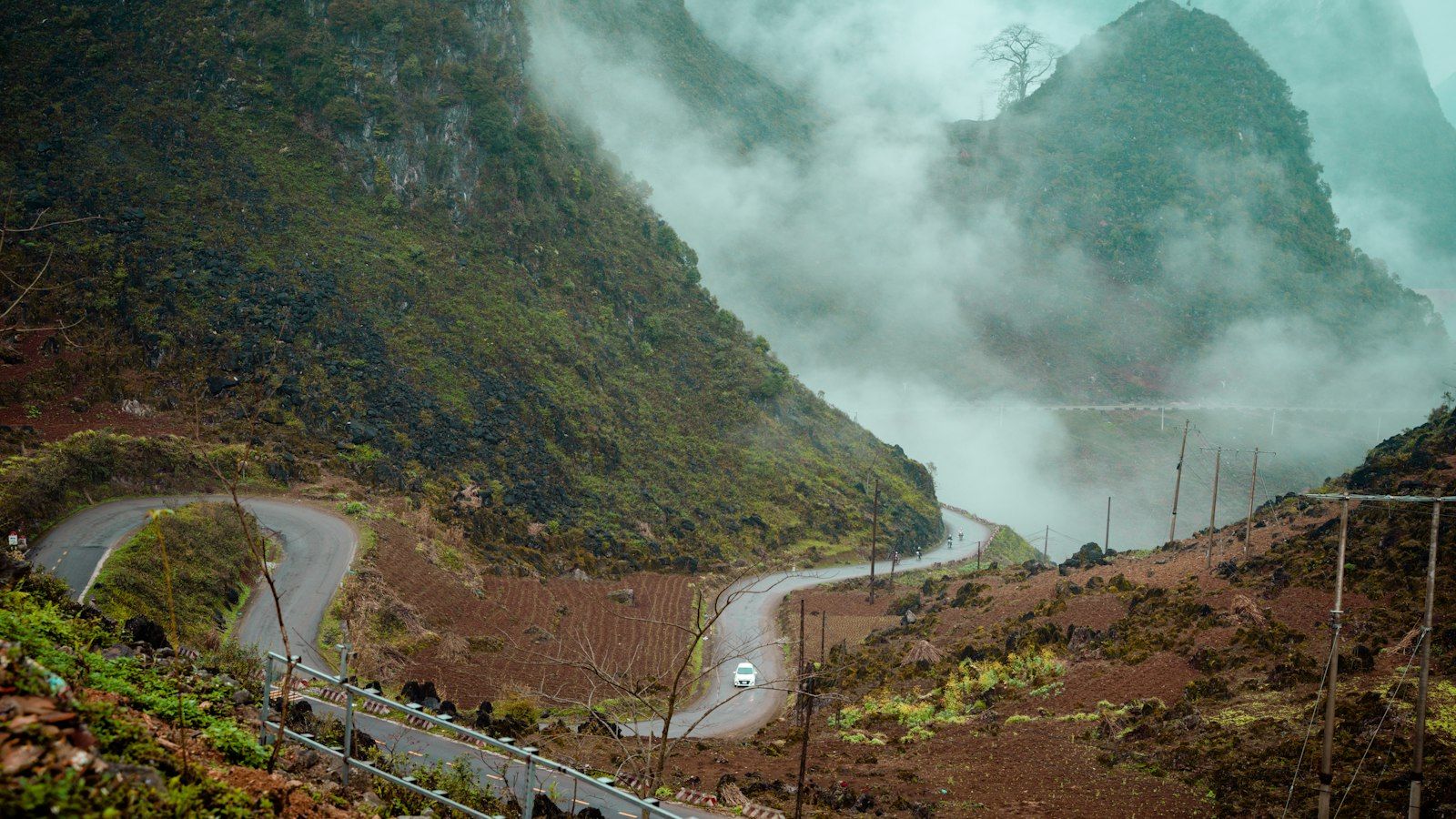
Vietnam's far-north karst plateau, where the Ha Giang Loop climbs through Hmong villages, limestone passes and the turquoise Nho Que gorge to the edge of China. Best time to visit: Late September to November and March to April. Daily budget (budget traveller): $25 to $115 USD.
Arrive in Ha Giang City
Morning: Arrive on the overnight bus from Hanoi, often between 3am and 5am. Bang Phan sometimes lets passengers doze on board until about 7am. Check into your hostel and hand over your passport details for the border permit.
Afternoon: Withdraw cash for the whole Loop and buy a Viettel SIM. Then walk or cycle out to Thon Tha, a Tay village of stilt houses and rice fields a few kilometres from the centre.
Evening: Tour briefing and family dinner at your hostel. Meet your easy rider, check your helmet, and pack a small day bag.
Quan Ba Heaven Gate to Yen Minh
Morning: Leave by 8am and climb the Bac Sum Pass, then stop at Quan Ba Heaven Gate to see Tam Son valley and the Fairy Twin Mountains below.
Afternoon: Visit the Lung Tam linen cooperative to see hemp weaving and batik. Then ride on through the pine forests to Yen Minh, about 100km for the day.
Evening: Homestay dinner in Yen Minh. Expect corn wine toasts and karaoke, but drink slowly because there's an early start.
Tham Ma Pass, Vuong Palace and Lung Cu
Morning: Ride up the zigzag Tham Ma Pass and into Sung La valley. Stop at Lung Cam village, then visit Vuong Palace at Sa Phin (about 20,000-30,000 VND, cash).
Afternoon: Continue north to Lung Cu and climb roughly 280 steps to the flag tower (around 25,000-40,000 VND). The view across Lo Lo villages runs towards China.
Evening: Stay in a Lo Lo Chai homestay (about 200,000-350,000 VND with dinner). Come on a weekday, as autumn weekends get very crowded.
Dong Van, Ma Pi Leng and the Nho Que
Morning: Have coffee in Dong Van Old Quarter. If it's Sunday, the market is in full swing. Then ride the Ma Pi Leng Pass, stopping at the viewpoints while the light is soft.
Afternoon: Drop down to the Tu San dock for the Nho Que boat (150,000 VND, 60-90 minutes, cash). Boats leave when full, and queues are shortest before 9am or after 2pm.
Evening: Short ride on to Meo Vac. Have a hot dinner and an early night, as the next day is on rougher roads.
Meo Vac back roads to Du Gia
Morning: If it's Sunday, walk through the Meo Vac livestock market. Then take the back roads south towards Du Gia through Dao and Hmong villages. Some sections are rough or under repair.
Afternoon: Arrive in Du Gia and walk to the waterfall for a cold swim. The water is best after the rains and can be thin late in the dry season.
Evening: Final group dinner in a Du Gia homestay. This is usually the loudest night of the Loop.
Back to Ha Giang City
Morning: Take a slow walk through Du Gia's rice fields, then ride back south to Ha Giang City, around 4 to 5 hours with stops.
Afternoon: Arrive mid-afternoon, tip your rider in cash, and swap photos with your group. Have a long, hot shower.
Evening: Try chao au tau at an established shop in Ha Giang City. Only eat it at well-known places, because the root is toxic if prepared badly.
Slow morning, back to Hanoi
Morning: Have banh cuon with hot pork-bone broth for breakfast, then pick up Shan tuyet tea or smoked buffalo to take home.
Afternoon: Take a limousine van or day bus back to Hanoi, about 5.5 to 7 hours. Daytime limousines are calmer than overnight sleepers.
Evening: Arrive in Hanoi's Old Quarter. Book your next onward bus or flight with a buffer, in case of road delays.
What to eat in Ha Giang
- Thang co: the Hmong market stew of horse or beef meat and offal simmered with spices in a giant pan, eaten at Sunday markets with corn wine
- Men men: steamed ground maize, the old staple of the plateau, served as a crumbly side to soups and stir-fries in homestays
- Chao au tau: a bitter, warming evening porridge made with a medicinal root that is toxic if badly prepared, so only eat it at established shops in Ha Giang City
- Banh cuon Ha Giang: soft steamed rice rolls served with a hot pork-bone broth rather than the dipping sauce used in Hanoi, a classic breakfast
- Banh tam giac mach: buckwheat cakes, pan-fried or grilled, sold along the road in Dong Van during the autumn flower season
- Thit trau gac bep: smoked, air-dried buffalo meat with mac khen pepper and chilli, a snack with beer and a popular gift to take home
- Ruou ngo: home-distilled corn wine, the famous 'happy water', poured generously at homestay dinners, so pace yourself
Hidden gems
- Lung Tam linen cooperative in Quan Ba, where Hmong women grow, spin, weave and batik hemp cloth by hand and sell it directly
- Thon Tha, a Tay village of stilt houses and rice fields a few kilometres from Ha Giang City, best on foot or by bicycle in late afternoon light
- Nam Dam, a Red Dao village under the Quan Ba hills with community homestays and herbal-bath traditions, a slower alternative to the main loop stops
- The Khau Vai love market near Meo Vac, held only once a year on the 27th day of the third lunar month, usually in April or May
- Hoang Su Phi on the province's western side, where the rice terraces turn gold in September and very few foreign visitors make the detour
Getting around
There is no airport or railway in Ha Giang, so everyone arrives by road from Hanoi, about 300km away. Sleeper buses, cabin buses and limousine vans run several times a day, taking about 5.5 to 7 hours. On the Loop itself you have four realistic options. An easy rider (a local driver carries you as a pillion passenger) is the most popular solo choice and is usually sold as a group tour with homestays and meals included. A guided self-ride or a rental bike from Ha Giang City is only legal if you hold a motorcycle licence plus a 1968 Convention International Driving Permit with the right motorcycle category, and police checkpoints along the route check documents. Private cars and jeeps suit travellers who don't want to ride at all. Whatever you choose, foreigners need a border-area permit for the districts along the Chinese frontier, which operators usually arrange. A few local minibuses run between Ha Giang City, Dong Van and Meo Vac, but timetables are irregular and mostly in Vietnamese, so ask at the Ha Giang bus station. Inside Ha Giang City, you can walk to most places, and xe om motorbike taxis or local taxis cover the rest.
Safety
The road is the real danger. The Loop has hairpin bends, sheer drops, overloaded trucks, tour convoys, fog and loose gravel after rain, and serious accidents involving foreign visitors happen. After a British tourist died in April 2026, Tuyen Quang authorities tightened the rules for motorbike tour operators and banned unlicensed operators from selling tours, so book with a properly registered company and check the helmets, tyres and brakes yourself. Do not ride unless you're licensed and experienced. Vietnam enforces a zero alcohol limit for drivers, so keep the corn wine for the evenings and never get on a bike with a rider who has been drinking. Avoid riding after dark. Between June and August, heavy rain can trigger landslides, so check road conditions daily. Winter nights on the plateau can drop close to freezing, so pack warm layers. You're in a border zone, so carry your passport and permit, don't wander towards the frontier, and don't fly a drone. Ha Giang is generally safe for solo women, but homestays often use shared sleeping rooms, so book a private room if you prefer one, and keep an eye on your drink during the late-night drinking games.
Frequently asked questions
What does this 7-day Ha Giang itinerary cover?
Day 1: Arrive in Ha Giang City. Day 2: Quan Ba Heaven Gate to Yen Minh. Day 3: Tham Ma Pass, Vuong Palace and Lung Cu. Day 4: Dong Van, Ma Pi Leng and the Nho Que. Day 5: Meo Vac back roads to Du Gia. Day 6: Back to Ha Giang City. Day 7: Slow morning, back to Hanoi.
Is 7 days enough for Ha Giang?
Our recommended trip length for Ha Giang is 5 to 7 days. This 7-day plan focuses on the highlights and groups sights by area so you spend less time travelling between them.
How much does 7 days in Ha Giang cost?
A budget traveller spends about $25 to $115 USD a day in Ha Giang, so roughly $175 to $805 USD for 7 days, not counting flights.
Where should I stay for 7 days in Ha Giang?
Ha Giang City: The starting line for the Loop, set on the Lo River at low altitude. Quan Ba (Tam Son): The first big viewpoint town, about 45km north of Ha Giang City, below Quan Ba Heaven Gate.
When is the best time to visit Ha Giang?
The best time to visit Ha Giang is Late September to November and March to April.
How do I get around Ha Giang?
There is no airport or railway in Ha Giang, so everyone arrives by road from Hanoi, about 300km away. Sleeper buses, cabin buses and limousine vans run several times a day, taking about 5.
Is Ha Giang safe for solo travellers?
The road is the real danger. The Loop has hairpin bends, sheer drops, overloaded trucks, tour convoys, fog and loose gravel after rain, and serious accidents involving foreign visitors happen.
Read more about Ha Giang
- Ha Giang Loop Solo: The Complete Guide for First-Time Solo Travelers (2026)
- Best Time to Visit Southeast Asia: Month by Month and Where to Go
- Solo Travel Southeast Asia Itinerary 2026: 2, 3 and 4 Week Overland Routes
- Solo Travel in Southeast Asia: The 2026 Beginner's Guide to Visas, Money and Safety
More 7-day guides
- Quy Nhon in 7 days
- Ho Chi Minh City in 7 days
- Hanoi in 7 days
- Hoi An in 7 days
- Da Nang in 7 days
- Da Lat in 7 days
- Nha Trang in 7 days
- Halong Bay in 7 days
Ha Giang in 2 days | Ha Giang in 3 days | Ha Giang in 4 days | Ha Giang in 5 days | Full Ha Giang guide
Joy Plus home | Destinations | Itineraries | Activities | Flights | Budget planner | Calendar | Map | Blog | Lifetime access