Destinations / Asia
Hakodate, Japan travel guide
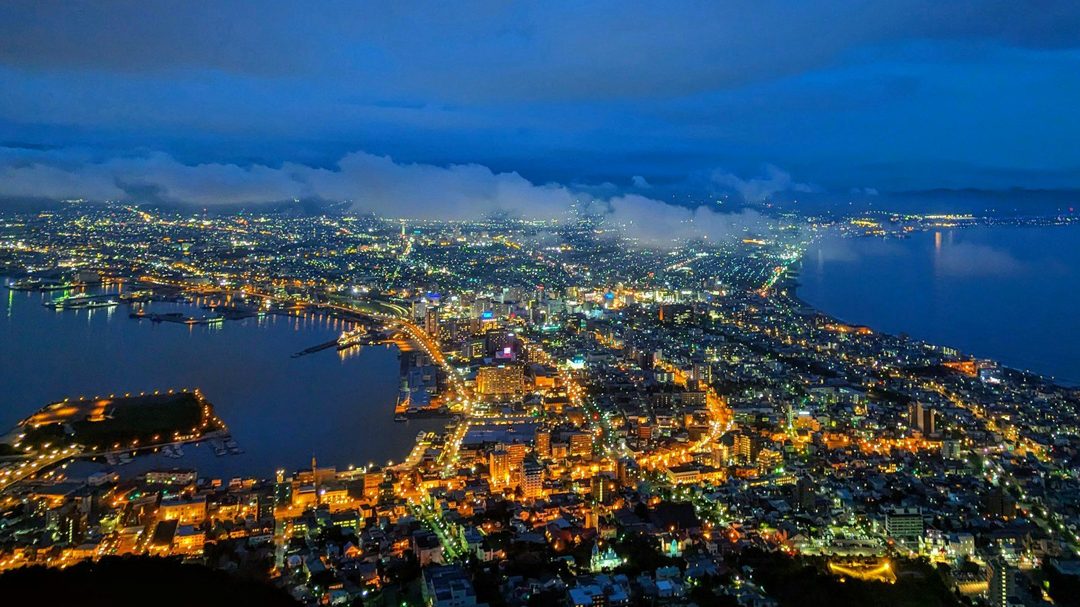
Hokkaido's coastal cradle: star-shaped fortresses, morning squid markets and twinkling bay lights.
- Best time to visit: May to October
- Daily budget (budget traveller): $65 to $160 USD
- Ideal trip length: 2 to 4 days
Draped across a narrow peninsula between Hakodate Bay and the Tsugaru Strait, Hakodate is Hokkaido's most atmospheric port city. As one of Japan's first harbours opened to international trade in 1859, it blends Western brick warehouses and Russian Orthodox spires with traditional timber merchant quarters. Solo travellers will find a remarkably accessible city where vintage trams rattle between steaming seafood morning markets, a star-shaped citadel lined with cherry trees, and one of the world's most dramatic nightscapes atop Mount Hakodate.
Hakodate occupies a distinctive hourglass-shaped spit of land at the southern tip of Hokkaido, facing Honshu across the moody waters of the Tsugaru Strait. Long before Sapporo rose as Hokkaido's administrative hub, Hakodate was the island's bustling cosmopolitan frontier. It was here that foreign merchants, diplomats, and missionaries first dropped anchor in the mid-19th century under the Treaty of Kanagawa, erecting colonial brick warehouses, French-designed keeps, and onion-domed Russian churches against the backdrop of Mount Hakodate.
Today, the city possesses an easy-going coastal rhythm that makes it one of the most welcoming solo destinations in northern Japan. The scent of salt air and charcoal-grilled squid drifts through the morning market, vintage trams in candy-striped livery hum along tree-lined tracks, and wide pedestrian avenues climb smoothly up hillsides to frame the harbour. Unlike the dizzying scale of Tokyo or Osaka, Hakodate can be embraced at human speed, allowing solo explorers to spend unhurried mornings slurping golden shio ramen and afternoons leafing through books in renovated red-brick dockside lofts.
Beyond the city limits, southern Hokkaido opens into dramatic wilderness. Volcanic peaks like Mount Komagatake mirror across the island-dotted waters of Onuma Park, while natural thermal hot springs bubble straight into the coastal surf at Yunokawa. Whether you arrive via the subsea rails of the Shinkansen or fly in over the sea, Hakodate offers an intoxicating blend of seafaring history, culinary indulgence, and rugged northern panoramas.
Hakodate itinerary
Arrival and the Waterfront Wharves
Morning: Arrive at Hakodate Station via Shinkansen and the Hakodate Liner. Check in or drop bags in lockers (¥500 to ¥800), and walk 10 minutes south to the harbour front.
Afternoon: Stroll through the Kanemori Red Brick Warehouses. Browse craft studios, taste fresh milk soft serve, and walk out to the waterfront boardwalk to view Hakodate Bay.
Evening: Head to the foot of Hachiman-zaka slope for dinner. Order a famous Chinese Chicken Burger at the original Lucky Pierrot Bay Area branch, then stroll along the illuminated docks.
Fresh Squid and the Star Fortress
Morning: Wake early and head to Hakodate Morning Market (Asaichi). Try your hand at catching a live squid from the indoor tank, and enjoy a fresh katsu-ika squid sashimi breakfast bowl (¥1,800 to ¥2,500).
Afternoon: Board the streetcar to Goryokaku-Koen-Mae. Ascend the 107-metre Goryokaku Tower (¥1,200) for breathtaking views of the star-shaped fortress, then wander the peaceful pine-lined moat grounds below.
Evening: Walk across the street to Menchubo Ajisai for a bowl of authentic Hakodate shio ramen. Explore the lively Goryokaku nightlife alleys for craft beer before catching the tram back.
Hillside Heritage and Mount Hakodate
Morning: Take the tram to Jujigai and hike into the Motomachi quarter. Explore the Russian Orthodox Church, the Old Public Hall of Hakodate Ward, and the British Consulate gardens.
Afternoon: Walk down the steep, tree-fringed cobblestones of Hachiman-zaka slope. Stop for drip coffee and cheesecake at a converted timber kissaten overlooking the bay.
Evening: Take the Mount Hakodate Ropeway (¥1,800 return) up the mountain one hour before dusk. Watch the city narrow into an hourglass of sparkling lights, then return to Daimon Yokocho for izakaya skewers.
Coastal Hot Springs and Wild Capes
Morning: Hop on the tram to Yachigashira. Walk 20 minutes to Cape Tachimachi, where jagged cliffs drop abruptly into the deep blue Tsugaru Strait facing the coast of Honshu.
Afternoon: Take the streetcar across to Yunokawa Onsen. Visit the Hakodate Tropical Botanical Garden to watch the resident Japanese macaques soaking in hot mineral baths during cooler months, then enjoy a public bath soak.
Evening: Pick up a freshly grilled yakitori-bento from Hasegawa Store near Yunokawa, and eat on the beach as fishing boats fire up their bright squid-luring lamps on the open water.
Lakes and Volcanoes at Onuma Park
Morning: Board the JR Hokuto Limited Express from Hakodate Station to Onuma-Koen Station (30 minutes, ¥1,840 for reserved seat, or local train for ¥680).
Afternoon: Rent a bicycle outside the station and pedal the scenic 14-kilometre trail around Lake Onuma and Lake Konuma, admiring the craggy summit of Mount Komagatake. Try famous Onuma dango rice dumplings for lunch.
Evening: Return by train to Hakodate. Enjoy a relaxed dinner at Hakodate Beer hall, sampling local stouts and red ales paired with grilled Hokkaido sausages and potato cakes.
Historic Ports and Samurai Castles
Morning: Take an early regional bus or train-bus link to Matsumae (roughly 2 hours), Hokkaido's sole Edo-period castle town.
Afternoon: Tour Matsumae Castle, its defensive gatehouses, and the surrounding park dotted with historic temples and thousands of cherry trees. Sample regional Matsumae-zuke pickled squid and kelp.
Evening: Travel back to Hakodate. Spend your final evening in the snug counter bars of Daimon Yokocho, chatting with local bartenders over warm Hokkaido sake and grilled scallops.
Bayside Goodbyes
Morning: Enjoy a leisurely morning along the Morning Market, sampling fresh melon slices and buying vacuum-packed dashi kelp for cooking back home.
Afternoon: Walk along Midori-no-Shima island for one last expansive view of Mount Hakodate across the water, then collect luggage from your hotel.
Evening: Board the Hakodate Liner to Shin-Hakodate-Hokuto for the Shinkansen south to Tokyo, or take the airport bus (20 minutes) to Hakodate Airport for domestic departures.
Best neighbourhoods
- Motomachi & Bay Area: A historic hillside district famous for dramatic sea-facing slopes, 19th-century consulates, foreign churches, and renovated red-brick harbour warehouses.
- Goryokaku: The green heart of the city centred on Japan's first French-style star fortress, surrounded by wide avenues, ramen counters and izakaya.
- Hakodate Station & Asaichi: The lively transit hub bordered by the raucous morning seafood market, artisan coffee bars, and seaside boardwalks overlooking the harbour and the Mashu Maru memorial ship.
Must-do experiences
- Ascend Mount Hakodate for the night view: Ride the ropeway before sunset to witness the iconic double-curved bay illuminate as dusk settles across the peninsula.
- Wander the star-shaped moat gardens of Fort Goryokaku: Walk along the verdant ramparts of this 1864 fortress, then ascend Goryokaku Tower for a bird's-eye view of its geometric symmetry.
- Hook fresh squid at the Morning Market: Visit Hakodate Asaichi to catch live squid from indoor tanks, which market chefs prepare immediately into translucent sashimi.
- Walk the cobblestone decline of Hachiman-zaka: Stroll down Motomachi's most picturesque hillside avenue for an unbroken, tree-framed vista straight out into the deep blue harbour.
- Tuck into a Chinese chicken burger at Lucky Pierrot: Experience Hakodate's beloved, quirky homegrown diner chain, famous for its sweet-savoury fried chicken burgers and retro decor.
- Soak in coastal mineral waters at Yunokawa Onsen: Unwind in seaside thermal baths that have comforted travellers since the samurai era, just a short tram ride from the city centre.
Hidden gems
- The wind-swept cliffs and wild sea vistas of Cape Tachimachi
- The quiet foreign cemetery tucked away on the coastal bluffs of Motomachi
- The tranquil artificial islet of Midori-no-Shima with 360-degree harbour panoramas
- The intricate Meiji-era interior and balcony views of the Old Public Hall of Hakodate Ward
Daily budget
- Accommodation: budget ¥3,500-6,000 / night (hostel capsule bed or guesthouse dorm), mid-range ¥11,000-22,000 (comfortable business hotel near station with hot spring bath), splurge ¥38,000+ per person with kaiseki (traditional onsen ryokan in Yunokawa). Hotels near Hakodate Station often feature onsen baths on top floors, offering immense value for solo guests.
- Food: budget ¥2,500-4,000 / day (market squid bowl, Lucky Pierrot burger, convenience store breakfast), mid-range ¥6,000-10,000 (shio ramen lunch, freshly prepared kaisendon, seafood izakaya dinner), splurge ¥16,000+ (multi-course crab feast or seasonal Hokkaido sushi omakase). Lunch sets at local seafood restaurants offer generous sashimi platters for around ¥1,500 to ¥2,200.
- Transport: budget ¥800-1,000 / day (one-day tram pass and walking), mid-range ¥1,800-3,500 (tram pass plus Mount Hakodate ropeway round trip or regional train to Onuma), splurge ¥15,000+ (private taxi tour around peninsular capes and rural viewpoints). The ¥800 daily tram pass pays for itself after just three rides, making it the top transport choice.
- Activities: budget ¥0-1,200 (walking Fort Goryokaku grounds, viewing historical buildings, free cape lookouts), mid-range ¥2,700-4,700 (Goryokaku Tower observatory ¥1,200, Mount Hakodate Ropeway ¥1,800, Old Public Hall ¥300), splurge ¥10,000+ (charter fishing tour in the bay or private historic walking guide). Many of Hakodate's best historic sights, churches, and park gardens are free to admire from outside.
- Drinks & nightlife: budget ¥500-1,200 (supermarket Sapporo Classic beer and local sake cans), mid-range ¥2,500-4,500 (craft pints at Hakodate Beer hall, local sake flights in Daimon Yokocho izakaya), splurge ¥7,000+ (whisky pours at vintage bayside cocktail lounges). Daimon Yokocho food alley features cosy 6-seat stalls where solo travellers can drink alongside locals without high table charges.
Where to stay
- Social hostel in Yunokawa / Bayside (¥3,500-6,000 / night): Tasogare Hostel (formerly Tune) or Hakodateyama Guest House, offering spotless timber capsule bunks, shared kitchens, cafe workspaces and a sociable base for independent travellers.
- Boutique hotel in Bay Area / Hakodate Station (¥13,000-24,000 / night): La Vista Hakodate Bay or Century Marina Hakodate, famed for world-class buffet breakfasts loaded with self-serve seafood, rooftop hot springs and views over the harbour.
- Apartment in Motomachi / Omori-cho (¥12,000-22,000 / night): Modern serviced apartments and converted historic storehouses with full kitchen facilities, laundry, and easy walking access to the slopes.
- Splurge in Yunokawa Onsen (¥38,000-75,000 / person with meals): Heiseikan Shiosaitei or Kappo Ryokan Wakamatsu, presenting oceanfront open-air onsen baths, multi-course Hokkaido seafood kaiseki, and traditional tatami suites.
What to eat
- Hakodate shio ramen: a crystal-clear, delicate broth flavoured with local kelp, topped with tender char siu and spring onions
- Kaisen don (or katsu-ika don): a towering breakfast rice bowl loaded with freshly caught sea urchin, salmon roe, scallop and dancing squid
- Lucky Pierrot Chinese Chicken Burger: crunchy fried chicken thigh coated in sweet soy glaze and stuffed with crisp lettuce
- Hasegawa Store yakitori bento: grilled skewered pork belly (locally dubbed yakitori) basted in rich tare sauce over savoury nori seaweed and rice
Day trips
- Onuma Quasi-National Park (30 min by train): A tranquil nature park composed of picturesque lakes dotted with tiny pine islands, framed by the jagged volcanic peak of Mount Komagatake. Perfect for renting a bicycle or taking scenic walking trails across timber footbridges. Take the JR Hokuto Limited Express from Hakodate Station directly to Onuma-Koen Station (30 min, ¥1,840) or local train (50 min, ¥680).
- Matsumae Castle Town (2 hours by train and bus): Hokkaido's only traditional feudal castle town, featuring the reconstructed Matsumae Castle, samurai temple quarters, and a world-renowned park containing over 10,000 cherry trees blooming from April through May. Take the South Hokkaido Railway from Hakodate to Kikonai (1 hour), then connect to the Hakodate Bus bound for Matsumae (1 hour 30 min).
- Mount Esan (1h 45m by bus): An active volcano standing at the eastern tip of the Kameda Peninsula, famous for smoking sulphur vents, rust-red volcanic slopes, and vibrant alpine azalea blossoms blooming across its lower slopes in late spring. Catch the regional Hakodate Bus from Hakodate Station bus terminal to the Todohokke or Mount Esan trailhead area (roughly 1 hour 45 minutes).
When to visit
- Spring (April - June): 5-17°C in April and May, warming to 14-21°C by June; crisp, bright days with sea breezes. Crowds: High around Golden Week and Goryokaku cherry blossom peak (late April to early May); calm in June. Spectacular for cherry blossoms. Fort Goryokaku turns into an enormous star of pink petals. Pack a warm jumper and light windbreaker for evenings.
- Summer (July - August): 19-27°C, pleasantly warm with minimal humidity compared to main-island Japan. Crowds: Moderate; popular with domestic tourists avoiding Tokyo heat, peak during Hakodate Port Festival in August. The most comfortable time for outdoor walking, cycling along the bays, and enjoying seafood beer gardens along the port.
- Autumn (September - November): 7-18°C in October, dropping to 1-10°C by late November; dry air and clear skies. Crowds: Moderate, with weekend foliage travellers visiting Kosetsuen garden. Superb conditions. Crisp autumn air ensures pristine visibility from Mount Hakodate, while autumn squid and fresh salmon roe reach peak culinary quality.
- Winter (December - March): -4 to 3°C, cold with regular snowfall, freezing winds off the sea, and icy pavements. Crowds: Low to moderate, rising during Christmas Fantasy festivities in the bay. Atmospheric and peaceful. Snow transforms the Western churches and fortress into a magical landscape. Requires insulated boots and thermal layers.
Entry rules for your passport
Visa rules for Japan depend on the passport you travel on. Check the official source before you book: Japan Ministry of Foreign Affairs
Getting there
Hakodate is southern Hokkaido's primary transport hub. From Tokyo, the JR Hokkaido Shinkansen runs through the Seikan Undersea Tunnel to Shin-Hakodate-Hokuto Station in roughly 4 hours (around ¥23,500, covered by the national JR Pass). The connecting Hakodate Liner shuttle train takes 15 to 20 minutes to reach central Hakodate Station (¥470, also JR Pass eligible). From Sapporo, the JR Hokuto Limited Express departs every 1 to 2 hours, connecting to Hakodate in 3 hours and 40 minutes (around ¥9,400). Hakodate Airport (HKD) sits just 8 kilometres east of the city, handling frequent 80-minute domestic flights from Tokyo Haneda, Osaka Itami, and Nagoya, with airport shuttle buses reaching Hakodate Station in 20 minutes for ¥700. Long-distance ferries operated by Tsugaru Kaikyo Ferry link Aomori to Hakodate across the strait in about 3 hours and 40 minutes.
Getting around
Hakodate is exceptionally easy to navigate using its vintage municipal streetcar network (Hakodate City Tram). Two tram lines run from Hakodate Station toward Motomachi, Goryokaku, and Yunokawa Onsen for ¥250 to ¥300 per journey, with a digital or paper one-day tram pass available for ¥800. The Hakodate Bus connects directly from the station to Mount Hakodate summit in the evening. The historic Motomachi district and waterfront warehouses are compact and best explored on foot.
Safety
Hakodate is among the safest urban destinations in Japan, with negligible crime. For solo travellers, the main hazards are physical. The steep streets of Motomachi freeze into slick ice sheets between December and March, requiring boots with good rubber tread or strap-on spikes. Wind gusts along Cape Tachimachi and Mount Hakodate summit can be severe, so dress in windproof layers. Mind your step when boarding and descending the heritage streetcars, which have high steps.
Solo travel tips
- Embrace the Morning Market counter seats: The Donburi Yokocho building inside the Morning Market consists almost entirely of narrow diner counters. Sitting solo to eat a steaming bowl of kaisendon feels completely natural and welcomed.
- Get the tram one-day pass early: Buy the digital tram pass on your phone via the DohNa!! web service or pick up a paper version at Hakodate Station Tourist Information. At ¥800, it makes hopping between Motomachi, Goryokaku, and the station seamless.
- Hostel pick: Tasogare Hostel or Hakodateyama Guest House: Both offer pristine, secure dormitory capsules, warm English-speaking hosts, communal lounges, and central locations near tram lines that make meeting fellow travellers effortless.
- Time your Mount Hakodate trip carefully: Check summit webcams before setting off. If clouds blanket the peak, save the trip for the following night. Reach the observation deck 45 minutes before sunset to claim a front-row balcony spot without jostling.
- Solo female safety: Hakodate is exceptionally safe and welcoming for solo female travellers. Streets are peaceful even late at night. In winter, walking alone after 9pm is tranquil, though sticking to main tram roads ensures clear, gritted pavements.
- Send large luggage ahead on regional hops: If you are touring onward to Sapporo or Otaru, use Yamato Transport at 7-Eleven to forward heavy bags for about ¥2,000, leaving you free to explore train stops like Onuma Park unencumbered.
Cultural etiquette
- Always remove your outdoor footwear when entering traditional onsen facilities, ryokan, or historic buildings like the Old Public Hall.
- In onsen baths, wash thoroughly with soap at the seated wash stations before entering the mineral water, and keep hair tied up and towels out of the bath.
- Do not walk around eating seafood skewers or snacks purchased at the Morning Market; eat in front of the stall where purchased or sit in designated market areas.
- Slurping noodles when enjoying shio ramen is normal and appreciated, as it cools the broth and shows enthusiasm for the dish.
- Tipping is not practiced in restaurants, taxis or hotels; simply say 'Gochisousama deshita' to the chef or server when concluding a meal.
- Keep phone conversations off public trams and local trains, and set your mobile devices to silent mode.
- When ordering at market stalls, ask permission before snapping close-up photos of vendors and fresh seafood.
Frequently asked questions
How do I reach Hakodate from Tokyo?
Take the JR Tohoku/Hokkaido Shinkansen from Tokyo Station to Shin-Hakodate-Hokuto Station in roughly 4 hours. From there, the Hakodate Liner shuttle train takes 15 to 20 minutes to reach downtown Hakodate Station. Domestic flights from Haneda take just 80 minutes to Hakodate Airport.
How many days should I spend in Hakodate?
Two to three days are ideal to explore the morning markets, star fortress, Western-style slopes, Mount Hakodate night view, and Yunokawa Onsen at a relaxing solo pace. Add a fourth day if you plan to hike around Onuma Quasi-National Park.
When is the best time to visit Hakodate?
Late April to early May brings spectacular cherry blossoms around the moats of Fort Goryokaku. Summer from June to August provides refreshingly cool temperatures compared to Honshu, while autumn in October offers crisp sunny skies and colourful foliage. Winter turns the city into a dramatic snowy wonderland.
Can I use major IC cards like Suica in Hakodate?
Yes, standard Japanese IC cards including Suica, Pasmo and Icoca are accepted on the Hakodate City Tram and local Hakodate Buses. Simply tap your card on entry and again on exit.
Why is the local pork skewer called yakitori here?
In southern Hokkaido, charcoal-grilled skewered meat has traditionally been called yakitori regardless of whether it is chicken or pork. The famous local convenience chain Hasegawa Store prepares pork belly skewers grilled to order over rice, universally loved by locals as yakitori-bento.
Is Hakodate suitable for solo dining?
Hakodate is a paradise for solo eaters. The Morning Market has informal counter stalls serving single-portion seafood bowls, ramen shops throughout town cater heavily to individual diners, and local establishments like Lucky Pierrot and Hasegawa Store make solo meals effortless.
What is the best way to see the Mount Hakodate night view without crowds?
Take the ropeway or direct bus up roughly 45 minutes before sunset to secure an unobstructed spot along the outdoor viewing terraces. Alternatively, wait until after 8:30pm when tour group buses have departed, leaving the summit terraces far more peaceful.
What entry rules apply to travellers visiting Japan in 2026?
Japan provides visa-free short stays for tourism up to 90 days for many nationalities, including British, European Union, US, Canadian, and Australian passport holders. Be sure to check specific entry requirements for your nationality and complete immigration and customs registration via Visit Japan Web prior to travel to obtain fast-track digital QR codes.
More about Hakodate
- Tokyo for First-Time Visitors: 5-Day Guide With Hidden Gems
- Japanese Culture and Etiquette: A Situation-by-Situation Guide
- Cultural Etiquette in Japan: Quick Do's and Don'ts for First-Timers
Tours and activities in Hakodate | Hakodate in 2 days | Hakodate in 3 days | Hakodate in 4 days | Hakodate in 5 days | Hakodate in 7 days
Joy Plus home | Destinations | Itineraries | Activities | Flights | Budget planner | Calendar | Map | Blog | Lifetime access