Japanese Culture and Etiquette: A Situation-by-Situation Guide
Feb 20, 2026, 10 min read. Last updated Nov 9, 2026

What to do at a ryokan, an onsen, a shrine, an izakaya or a friend's home in Japan, with tattoo rules, Shinkansen luggage rules and the reasons behind the customs.
Japanese etiquette makes far more sense once you know where each rule comes from. A bath routine is about clean water for the next person. A quiet train is about not imposing on strangers. Once you see the logic, you stop memorising rules and start reading situations.
This guide goes place by place: ryokan, onsen, shrines, temples, izakaya, the Shinkansen, shops and a friend's home. For the quick list of everyday do's and don'ts (shoes, chopsticks, tipping, queues, rubbish), read our Japan etiquette cheat sheet first.
Why the customs exist
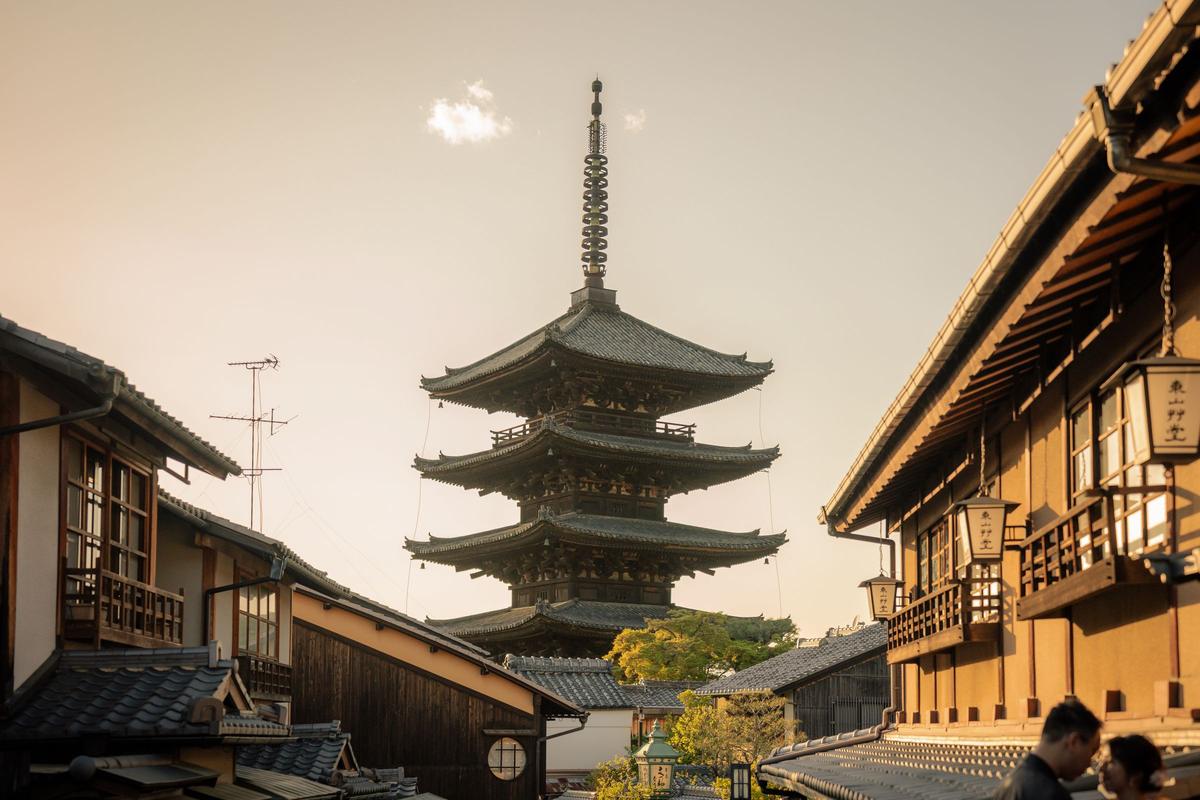
Most rules share a few roots. Knowing them helps when you meet a situation no guide covered.
- Not troubling others: the Japan National Tourism Organization says much of the etiquette centres on not inconveniencing other people. Quiet trains and orderly queues follow from this.
- Clean floors: shoes stay at the door because Japanese homes were built around sitting and sleeping on tatami at floor level.
- Shared water: bath rules exist because everyone soaks in the same water after you.
- Respect for the dead: chopstick taboos and the yukata wrap exist so you do not copy funeral customs by mistake, which feels unlucky.
- No waste: the idea of mottainai, a regret for anything wasted, is why leaving food or litter is frowned on.
Staying at a ryokan
A ryokan is a traditional inn with tatami rooms, futon bedding and, usually, a kaiseki dinner and breakfast included. Staff will explain the house customs when you arrive, but these are near universal.
- Shoes: off at the entrance or before your room. Some inns take them at the front door.
- Tatami: no slippers on the mats, and lift your suitcase rather than dragging it, as tatami damage easily.
- Alcove: the decorated tokonoma is for display. Do not sit in it or put bags there.
- Yukata: wrap the left side over the right. Right over left is how the dead are dressed.
- Where to wear it: yukata and slippers are fine around the inn and to the bath, not out on the street unless staff say so.
- Meals: dinner may come to your room or a dining hall, and breakfast can be somewhere else. Ask at check-in.
- Leaving: fold the yukata loosely and leave it with the others. It belongs to the inn.
The onsen routine, step by step
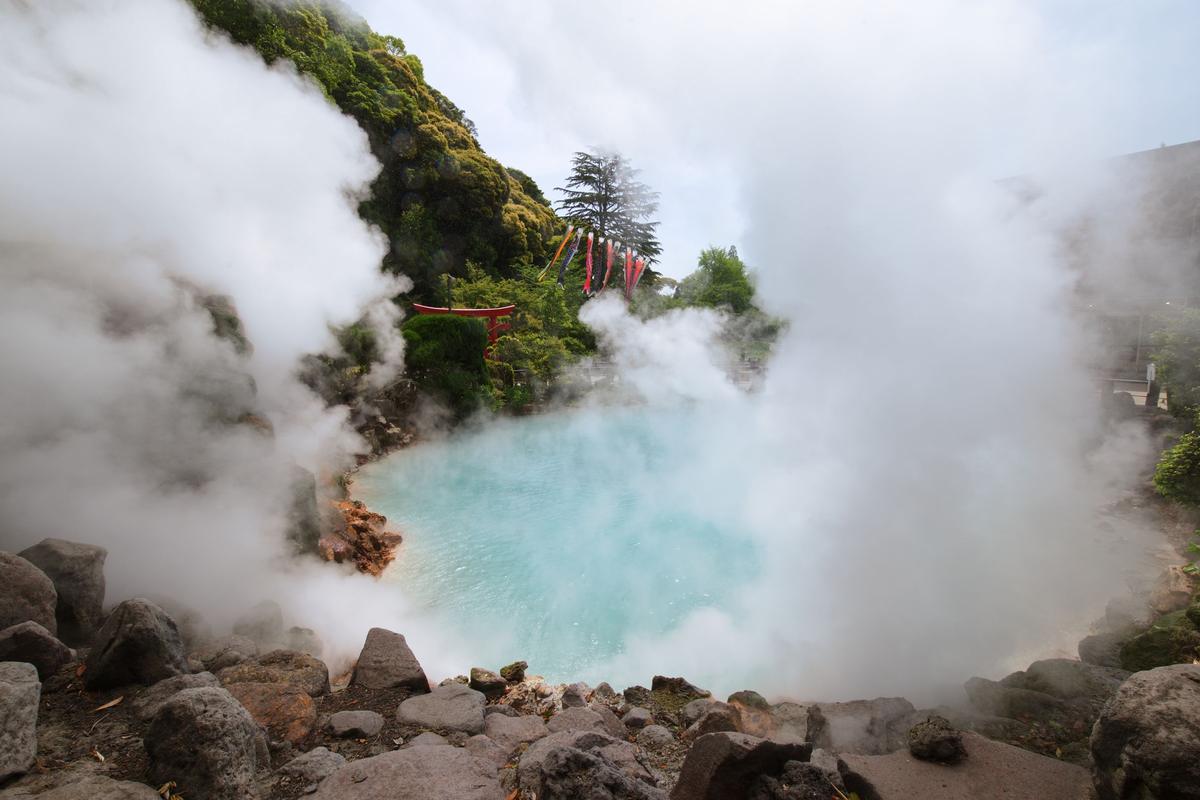
Most baths are split by sex and everyone bathes naked, so the routine matters more than modesty. These steps follow the Japan Tourism Agency's hot spring rules and Tokyo's official guidance.
- Undress fully: leave clothes and the big towel in the changing room. Swimsuits are not allowed.
- Wash first: sit at a shower station and wash with soap, then rinse completely, before you enter any bath.
- Hair and towel: tie long hair up, and keep the small towel out of the water. Fold it on your head or the edge.
- In the water: lower yourself in slowly. No jumping, swimming or splashing.
- Phones and drink: photos are banned in the bathing area, and skip alcohol before soaking.
- Getting out: dry off before stepping back into the changing room, so the floor stays safe.
Onsen with tattoos
This is the rule that catches most visitors. Tattoos were long linked with organised crime in Japan, so many baths banned them. Attitudes are shifting, but slowly, and each place sets its own policy.
- The numbers: in a 2015 Japan Tourism Agency survey, about 56% of responding hotels and inns refused tattooed bathers, 31% allowed them and 13% allowed them with conditions such as covering up.
- Cover small ones: skin-coloured waterproof patches are sold in drugstores, but some baths refuse even covered tattoos.
- Book a private bath: a kashikiri bath or a room with its own bath is the most reliable option.
- Try a sento: neighbourhood public baths are typically more accepting, says JNTO's tattoo-friendly onsen list, but double-check.
- Ask first: email the ryokan or check the bath's website before booking, not at the door.
Visiting a Shinto shrine
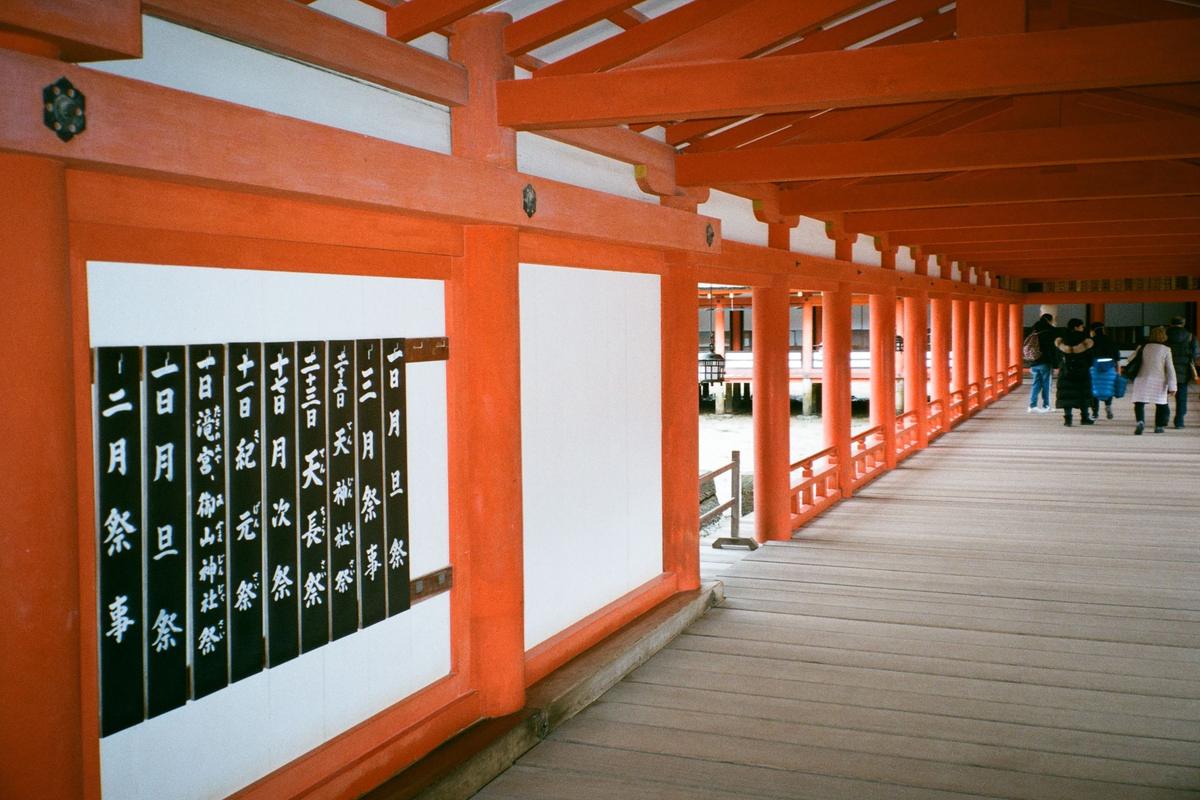
Shrines are marked by torii gates and are places of worship, not only sights, so join in quietly or simply watch. The steps below follow Sapporo's official shrine guide and Tokyo's official tourism site; some shrines vary, so follow any sign.
- At the gate: bow once before passing under the torii, and walk to the side of the path, not the middle.
- Purify: at the water basin, rinse your left hand, then your right, then your mouth from your cupped left hand. Never drink from the ladle.
- Offer: drop a coin in the offering box and ring the bell gently if there is one.
- Pray: two bows, two claps, a short silent prayer, then one more bow.
- Photos: avoid shooting straight at the main hall while people are praying.
Visiting a Buddhist temple
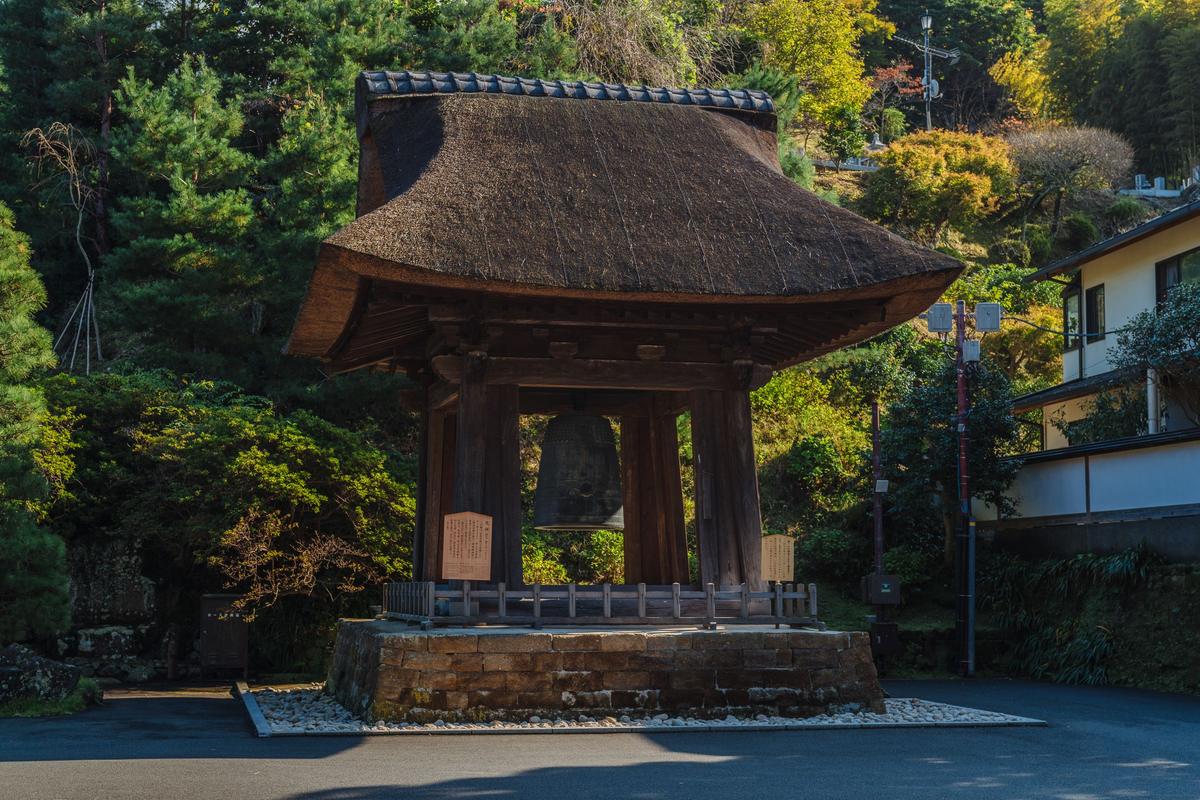
Temples look similar to shrines but the rituals differ. A torii gate usually tells you that you are at a shrine; temples tend to have a roofed main gate and often an incense burner. Places like Kamakura and Nara let you see both in one day.
- No clapping: at a temple you put your hands together quietly. Clapping is for Shinto shrines only.
- Shoes: take them off when you enter halls with tatami or wooden floors, and when asked.
- Hands off: touch statues, pillars and old woodwork as little as possible.
- Bags: wear your backpack on your front in narrow or crowded halls, as Kyoto's visitor rules ask.
- Leaving: a light bow towards the main hall is a kind way to say goodbye.
Restaurants and izakaya
Eating out is relaxed once you know the flow. Izakaya, the small pubs that serve plates to share, have a few customs of their own that the Japan National Tourism Organization flags for visitors.
- Arriving: wait at the door to be seated, or catch a server's eye. Do not just take a free table.
- Hot towel: the oshibori is for wiping your hands only, not your face or the table.
- Otoshi: a small starter often arrives unasked. It is a set charge per person, a kind of cover charge.
- Late night: some izakaya add a surcharge after a certain hour. Check the menu.
- Changes and allergies: kitchens rarely change dishes, but tell them about allergies, ideally when booking.
- Finishing: leaving lots of food is frowned on, so order in small rounds.
Trains and the Shinkansen
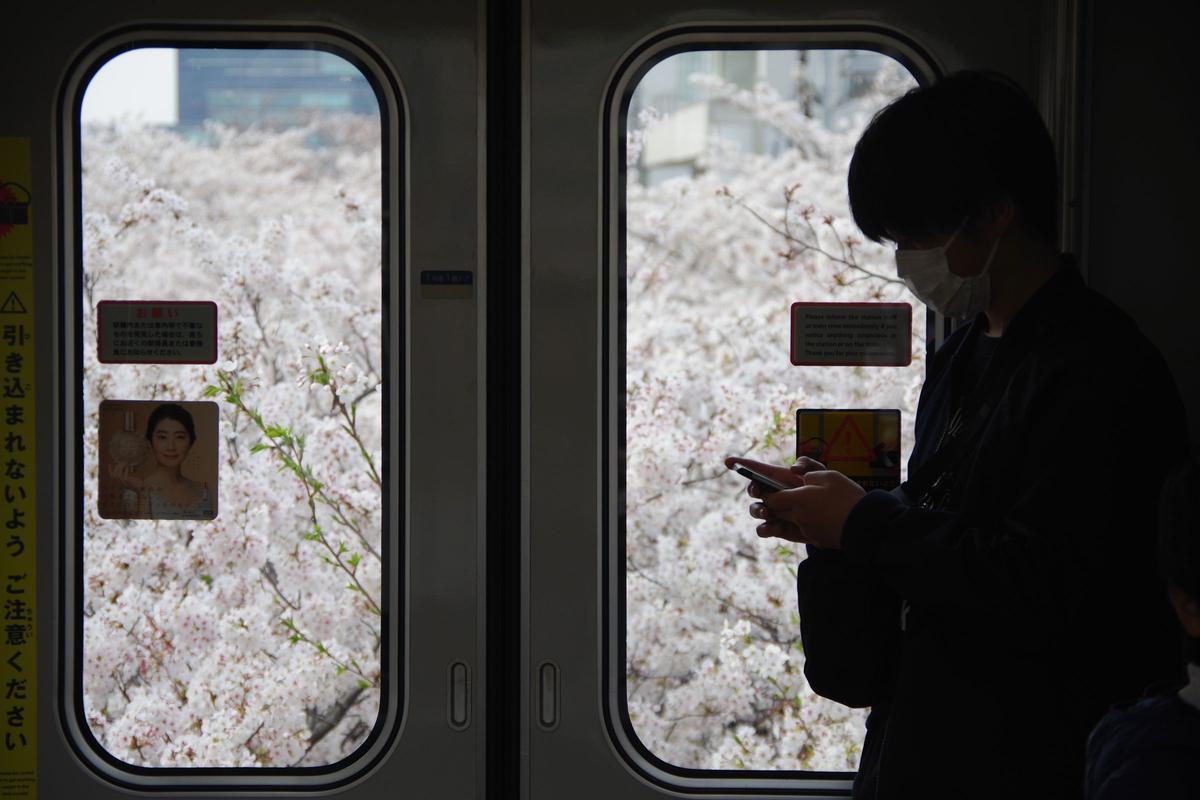
Local trains run on quiet and queueing. The bullet train adds a few practical rules, mostly about luggage and seats.
- Big luggage: on the Tokaido, Sanyo, Kyushu and Nishi-Kyushu lines, bags of 161 to 250 cm (length plus width plus height) need a seat with an oversized baggage area.
- Booking it: that seat costs the same as a normal reserved seat. Without one, you pay ¥1,000 on board and the conductor decides where the bag goes. Bags over 250 cm cannot go on board.
- Food: a station bento on a long-distance train is normal. Skip strong-smelling food, and take your rubbish off with you.
- Women-only cars: many city lines run them at rush hour. Signs on the platform and the car show where they stop.
- Platforms: wait behind the yellow line in the marked boarding zone.
Shops and convenience stores
Service in shops is formal but quick. Staff will greet you on the way in; you do not need to reply, though a nod is nice.
- Bags: plastic bags are charged for, so carry a fold-up tote. Say "daijoubu desu" to decline one.
- Queues: in busy shops one line often feeds several tills. Join it and wait for a free counter.
- Tax-free shopping: since 1 November 2026, you pay tax at the till and claim it back when you leave Japan.
- Your refund: show your passport when you buy, and see customs at the airport before you check in. Goods must leave Japan within 90 days.
Visiting a Japanese home
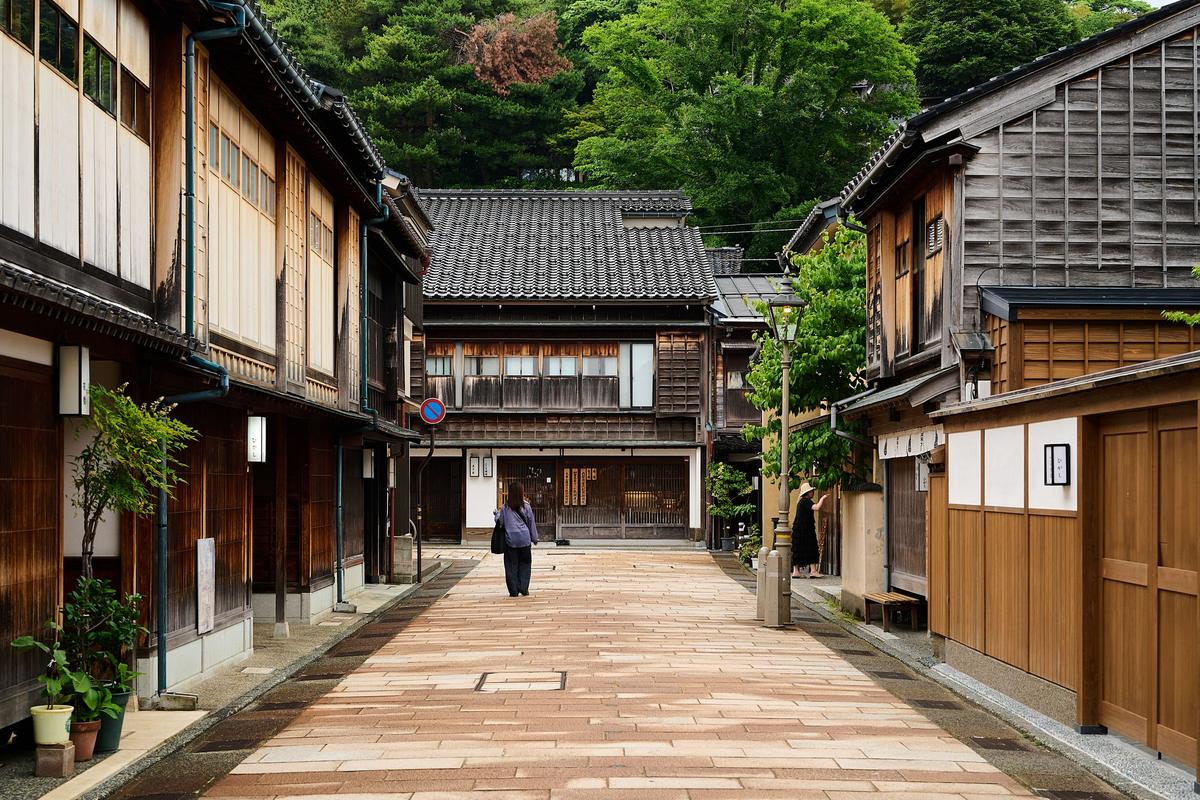
An invitation home is a real gesture of friendship. Most rules are the ryokan ones in a smaller space, plus a little thought about what you bring.
- At the door: step out of your shoes in the entrance area, the genkan, before the raised floor.
- Slippers: the same slipper rules as at a ryokan apply, including separate toilet slippers.
- A small gift: sweets or a treat from your home town is usual. Offer it with both hands.
- At the table: say thank you for the meal before and after, and try a little of everything.
- Afterwards: a thank-you message the next day is a warm touch.
Plan it with Joy Plus
Joy Plus builds a day-by-day itinerary with a map, so you can see which shrine, temple or onsen town sits on which day of your trip to Tokyo, Kyoto or Hakone. The trip hub keeps your ryokan bookings, flight alerts, budget and packing list together. Start planning your Japan trip
Frequently asked questions
Can I use an onsen if I have a tattoo?
Sometimes. In a 2015 Japan Tourism Agency survey about 56% of hotels and inns that replied refused tattooed bathers. Your best options are a private kashikiri bath, a room with its own bath, a neighbourhood sento, or an onsen that says it is tattoo-friendly. Covering small tattoos with waterproof patches works in some places, so always ask before you book.
Do men and women bathe together at onsen?
Usually not. Most public onsen have separate baths for men and women, so check the sign or curtain each time you go in. Some ryokan offer private baths you can book for yourself or a partner. Swimsuits are not allowed in standard baths.
How do I pray at a Japanese shrine?
Bow at the torii gate, walk to the side of the path and purify your hands and mouth at the water basin. At the main hall, drop a coin in the box, ring the bell if there is one, then bow twice, clap twice, pray silently and bow once more. A few shrines use a different pattern and post it.
Should I clap at a Buddhist temple?
No. Clapping belongs to Shinto shrines. At a Buddhist temple, put your hands together quietly in front of you and bow slightly. Tokyo's official tourism site says clapping is reserved for shrines. If you are unsure which you are visiting, look for a torii gate: shrines have one, temples generally do not.
What is the small dish I did not order at an izakaya?
That is otoshi, a small starter served to each guest at many izakaya. It works as a table or cover charge and appears on your bill. Japan's tourism board describes it as mandatory, so it is not a mistake. Some izakaya also add a late-night surcharge.
Do I need to book a seat for a big suitcase on the Shinkansen?
On the Tokaido, Sanyo, Kyushu and Nishi-Kyushu Shinkansen, yes, if your bag measures 161 to 250 cm in total dimensions. Book a seat with an oversized baggage area at no extra cost. Without a booking, JR charges ¥1,000. Bags of 160 cm or less need no booking, and bags over 250 cm are not allowed.
Which way do I wrap a yukata at a ryokan?
Left side over right, so the left panel sits on top. Wrapping right over left is how the dead are dressed for funerals, so it is worth getting right. Tie the obi belt at your waist. You can wear the yukata around the inn and to the baths, but ask before wearing it outside.
How does tax-free shopping work in Japan now?
Since 1 November 2026 Japan uses a refund system. You show your passport and pay the full price including tax in a tax-free shop. When you leave Japan, you go to customs before check-in so they can confirm the goods are leaving, and the shop or its refund provider pays the tax back by card, bank transfer or cash, depending on the shop. Goods must leave within 90 days.