Cultural Etiquette in Japan: Quick Do's and Don'ts for First-Timers
Jan 5, 2026, 10 min read. Last updated Nov 9, 2026
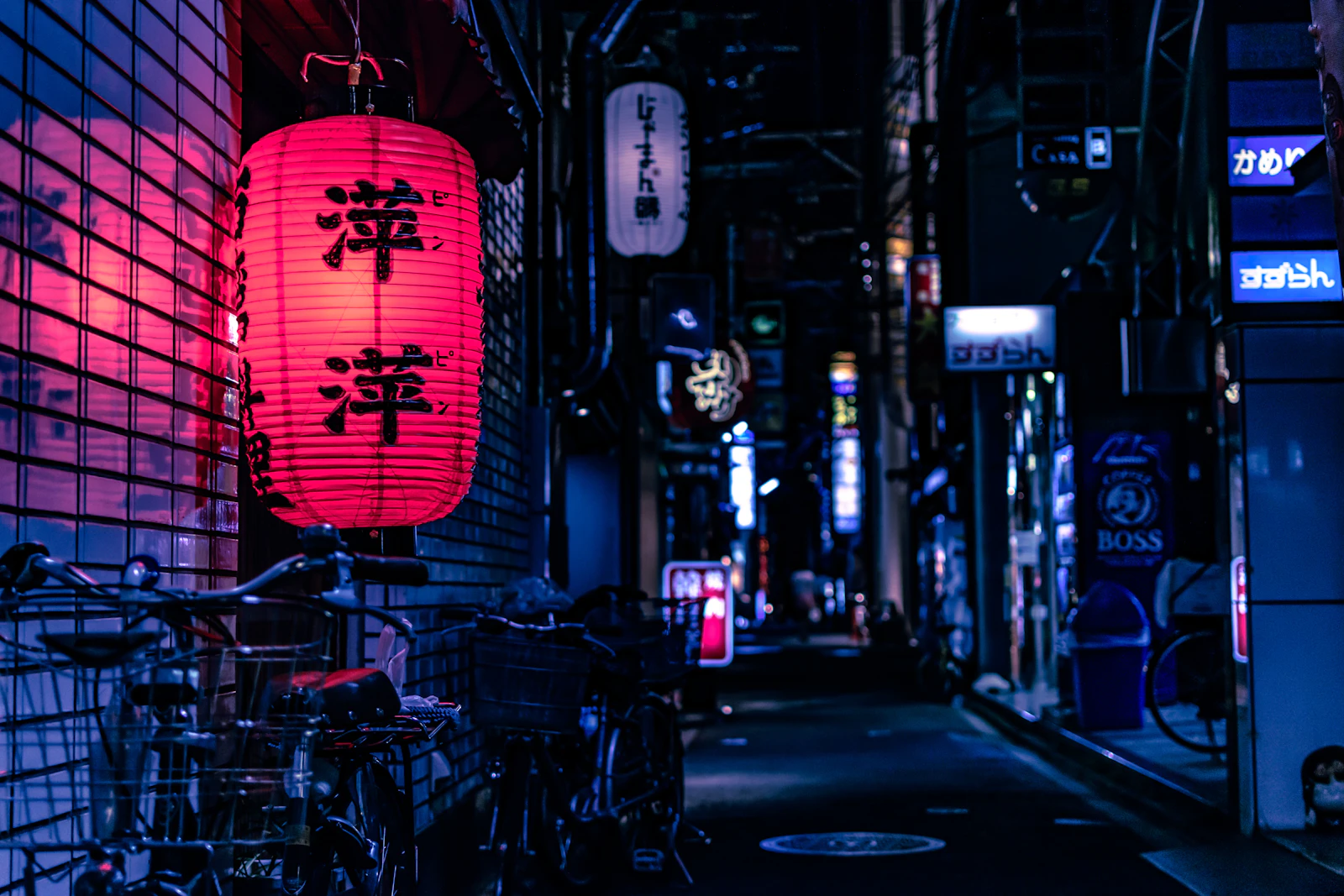
The short version of Japanese etiquette: the everyday do's and don'ts on shoes, chopsticks, tipping, trains and rubbish, ready to read on the plane.
Most etiquette mistakes in Japan come from not knowing, not from rudeness, and people tend to be patient with visitors who are clearly trying. You do not need a course in manners to have a smooth trip, just a handful of habits. This page is the short version: the rules that come up every single day, written as quick do's and don'ts you can read on the plane.
Want the deeper version, situation by situation? Our full guide to Japanese culture and etiquette walks you through a ryokan stay, an onsen bath (including tattoo rules), shrines and temples, izakaya, the Shinkansen and visiting a home, and explains why the customs exist.
The one rule behind all the others
Japan's own tourism board sums it up well: much of the etiquette is about not inconveniencing other people. When you are unsure, ask yourself whether you are making noise, mess or a queue for someone else.
- Do: keep your voice low on transport and in restaurants, where people speak softly.
- Do: step aside before you stop to check your phone or map.
- Do: watch what locals do and copy them. It works almost everywhere.
- Don't: worry about getting every detail right. Effort is noticed and appreciated.
Shoes and slippers
You will take your shoes off more often than you expect. Look for a raised step, a shoe rack or a row of slippers at the door. The Japan National Tourism Organization traces this to a long history of sitting and sleeping on tatami floors.
- Do: take shoes off at homes, ryokan, many temple halls, some restaurants and fitting rooms.
- Do: take slippers off too before you step on tatami mats.
- Do: use the separate toilet slippers, then leave them at the toilet door.
- Don't: wear socks with holes. Easy slip-on shoes save a lot of time.
Bowing and greetings
You do not need to learn the formal rules. A courteous nod or small bow of the head when you greet someone, thank them, or enter and leave a shop is enough.
- Do: nod and say thank you when staff greet you, even if you say nothing else.
- Do: bow back if someone bows to you. Matching their depth is not necessary.
- Don't: go in for hugs or cheek kisses. A bow is the safe default with anyone you do not know well.
Chopsticks and table manners
Two chopstick habits are linked to funerals, so they really do make people wince. Everything else is relaxed: restaurants will usually give you cutlery if you ask.
- Don't: stand chopsticks upright in a bowl of rice. That is done only for offerings to the dead.
- Don't: pass food from your chopsticks to someone else's. It mirrors the way bones are moved at a cremation.
- Don't: dig through a shared dish looking for the best piece.
- Do: say "itadakimasu" before eating and "gochisosama deshita" after. Both say thank you for the meal.
- Do: slurp your noodles if you like. It is accepted in most noodle shops, but nobody expects you to.
Tipping and paying
Tipping is not part of daily life in Japan, and leaving cash on the table usually causes confusion rather than gratitude. Good service is simply the standard.
- Don't: tip in restaurants, cafes, bars, taxis or hotels. A warm thank you is the right response.
- Do: if a private guide has gone above and beyond, put a tip in an envelope. Small envelopes are sold in convenience stores.
- Do: if there is a small tray at the till, put your cash or card in it. Staff will hand your change back the same way.
- Do: carry some yen. Cards and phone payments are now common, but small shops, shrines and food stalls can be cash only.
Queues and escalators
Queues in Japan are orderly, however long they are, and nobody cuts in. Platforms often have painted marks showing exactly where to stand.
- Do: join the back of the line, even when it looks pointless.
- Do: stand at the floor markings on platforms and let people off before you board.
- Do: stand still on escalators in Nagoya and Saitama Prefecture, which have local rules asking riders not to walk.
Phones on trains
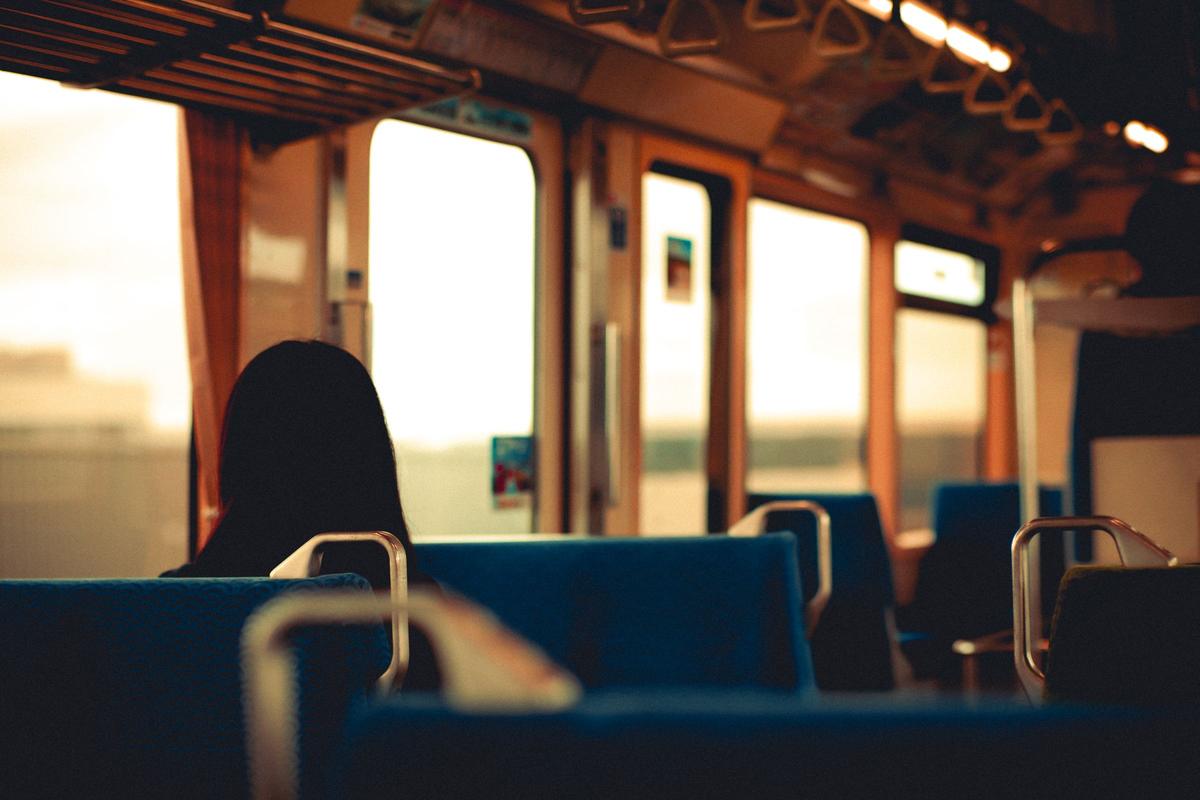
Trains are quiet, and the quiet is part of the service. Tokyo's official tourism site also asks you to switch devices off near priority seats.
- Do: set your phone to silent (called "manner mode") as soon as you board.
- Do: use headphones for any video or music, with the volume low.
- Don't: take phone calls on the train. Send a message or step off at the next stop.
- Do: give priority seats to older, pregnant, disabled or injured passengers and people with babies.
- Do: keep backpacks and suitcases out of the aisle and doorways at busy times.
Rubbish and eating on the go
Public bins are scarce, yet the streets are spotless because people take rubbish home with them. Plan for it and it stops being a problem.
- Do: carry a small bag for your rubbish until you find a bin, usually at a convenience store or station.
- Do: sort it: burnable, cans, PET bottles. Peel the label off plastic bottles along the perforated line.
- Do: eat street food where you bought it, or step aside out of the crowd.
- Don't: walk and eat in busy areas. Kyoto asks visitors not to, and messy food and open drinks annoy people everywhere.
- Don't: smoke while walking. Use marked smoking areas. Many cities ban street smoking, and in Kyoto it can mean a ¥1,000 fine.
Photos and quiet places
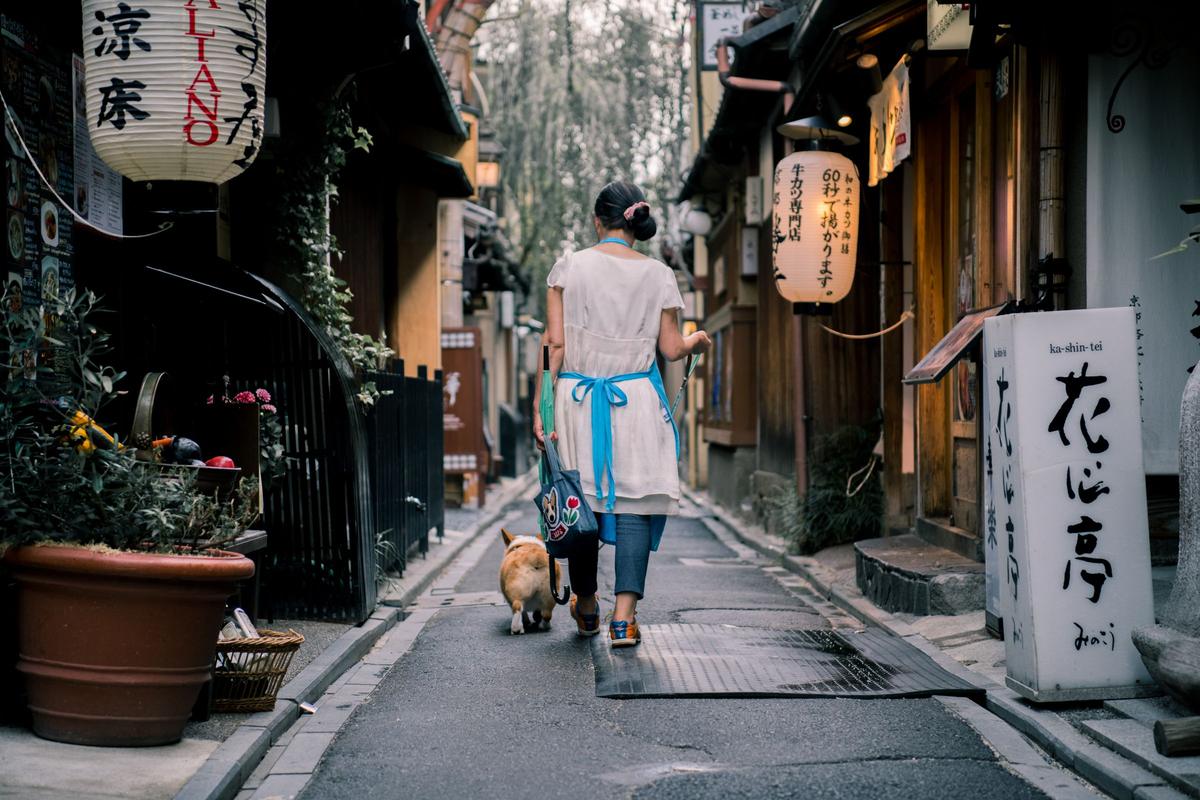
Ask before you photograph people, and look for no-photo signs in shrines, temples, shops and some restaurants. In Kyoto the city's responsible travel rules are now firm.
- Don't: stop, follow or photograph geiko and maiko without permission in Kyoto's Gion district.
- Don't: walk into private lanes or front gardens for a better shot.
- Do: dress a little more conservatively at temples and shrines.
- Do: wear a mask on crowded transport if you have a cough or cold. It is expected.
Hotels, rentals and neighbourhoods
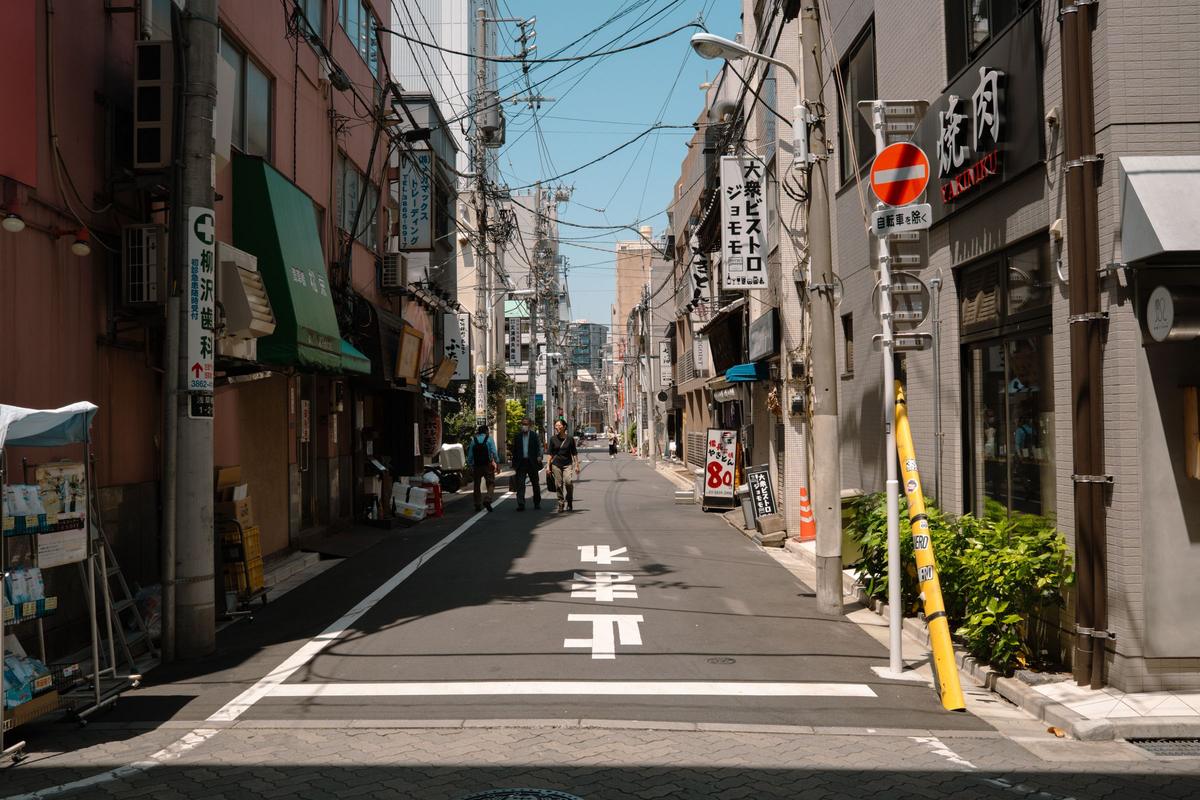
Many of the best streets in Japan are also where people live. Kyoto in particular asks visitors to treat old neighbourhoods as homes, not film sets, and the same habits are good manners anywhere in Japan.
- Do: keep noise down late at night and early in the morning, in your room and in the street outside.
- Do: book licensed hotels, ryokan or registered holiday rentals only.
- Don't: carve names into bamboo or touch old wooden pillars. In Kyoto, damaging bamboo can mean a fine of up to ¥300,000.
- Do: send big suitcases ahead with a luggage service so you are not dragging them through narrow lanes and packed trains.
Baths and tattoos in one line
Wash fully before you get in, go in without a swimsuit, and keep your towel out of the water. Many baths still refuse visible tattoos, so check before you go: the full etiquette guide linked above has the step-by-step bath routine and tattoo options.
Five words that help
Nobody expects fluent Japanese, but a few words get a warm reaction every time. Staff in Tokyo, Osaka and Kyoto often speak some English, and translation apps cover menus.
- Sumimasen: excuse me, sorry, and a polite way to get a server's attention.
- Arigatou gozaimasu: thank you (polite).
- Onegaishimasu: please, when asking for something.
- Daijoubu desu: I'm fine, or no thank you, when offered a bag or chopsticks.
- Oishii: delicious. Chefs love hearing it.
Your plane-read checklist
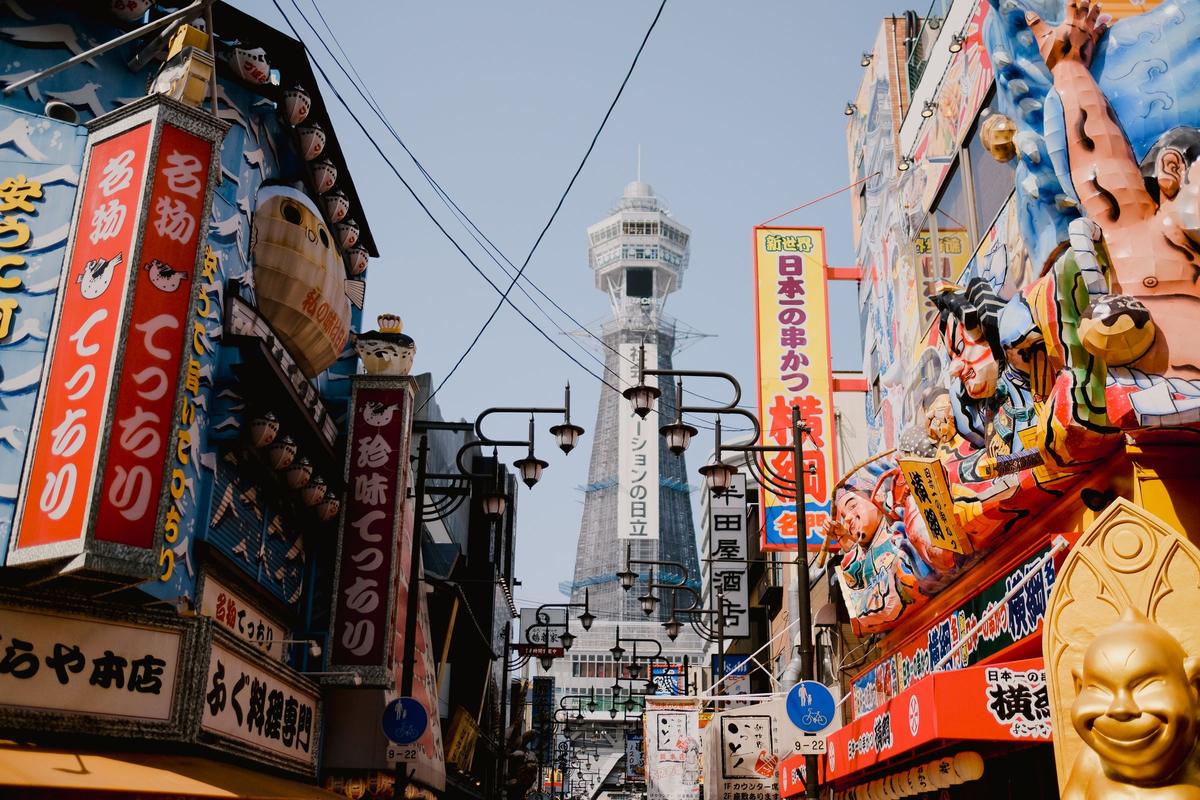
If you remember nothing else, remember these. They cover most of what you will meet in your first week, whether you start with our Tokyo in 5 days plan Kyoto in 3 days or Osaka in 3 days.
- Shoes: off at the step, slippers off on tatami.
- Trains: silent phone, no calls, queue at the markings.
- Money: no tips, use the tray, carry some cash.
- Chopsticks: never upright in rice, never food to food.
- Rubbish: carry it, sort it, bin it later.
Travelling solo? Our solo female travel safety tips and Tokyo first-timer guide pair well with this list.
Plan it with Joy Plus
Joy Plus builds a day-by-day itinerary with a map, so you can see where the temple visits, train rides and food stops fall each day. The trip hub keeps your bookings, flight alerts, budget and packing list in one place, slip-on shoes included. Start planning your Japan trip
Frequently asked questions
Is it rude to tip in Japan?
It is not rude so much as unexpected. Japan's tourism board says tipping is not common in restaurants, cafes, bars, taxis or hotels, and cash left on a table often confuses staff or gets returned. If a private guide gives you exceptional service and you want to tip, put the money in a small envelope and hand it over discreetly.
Can I use my credit card in Japan or do I need cash?
Cards and phone payments are widely used now. Japan's trade ministry says cashless payments made up 58.0% of consumer spending in 2025, on its newest measure. Still, small restaurants, market stalls, shrines and rural buses can be cash only, so keep some yen on you and use the counter tray when you pay.
What should I do with rubbish when there are no bins?
Carry a small bag and take your rubbish with you, which is what most locals do. Convenience stores and stations usually have bins split by type, such as burnable, cans and PET bottles. Peel the label off plastic bottles before you drop them in, and never leave rubbish on the street or in a shrine.
Do I have to bow in Japan?
No deep bowing is needed as a visitor. A courteous nod or small bow of the head when greeting someone, saying thank you, or entering and leaving a shop is enough. If someone bows to you, nod back. Bowing is also the safest greeting with people you do not know well, rather than a hug.
Is it OK to walk and eat in Japan?
It depends where. Japan's tourism board calls it situational: avoid messy food and open drinks in crowds, and step aside to eat. Kyoto asks visitors not to eat while walking in busy tourist areas. The easiest habit is to eat at the stall or shop where you bought the food, then bin the wrapper there.
What is manner mode on trains?
Manner mode is the Japanese name for your phone's silent setting. On trains and buses you are asked to switch to it, keep your voice low and avoid calls entirely. Tokyo's official tourism site also asks passengers to turn devices off near priority seats. Use headphones at low volume for anything with sound.
How much Japanese do I need for a first trip?
Very little. Learn sumimasen (excuse me), arigatou gozaimasu (thank you), onegaishimasu (please) and daijoubu desu (I'm fine, no thank you). Any effort with the language tends to be warmly received. Translation apps with a camera mode handle menus and signs well in Tokyo, Osaka and Kyoto.