Destinations / Asia
Koh Tao, Thailand travel guide
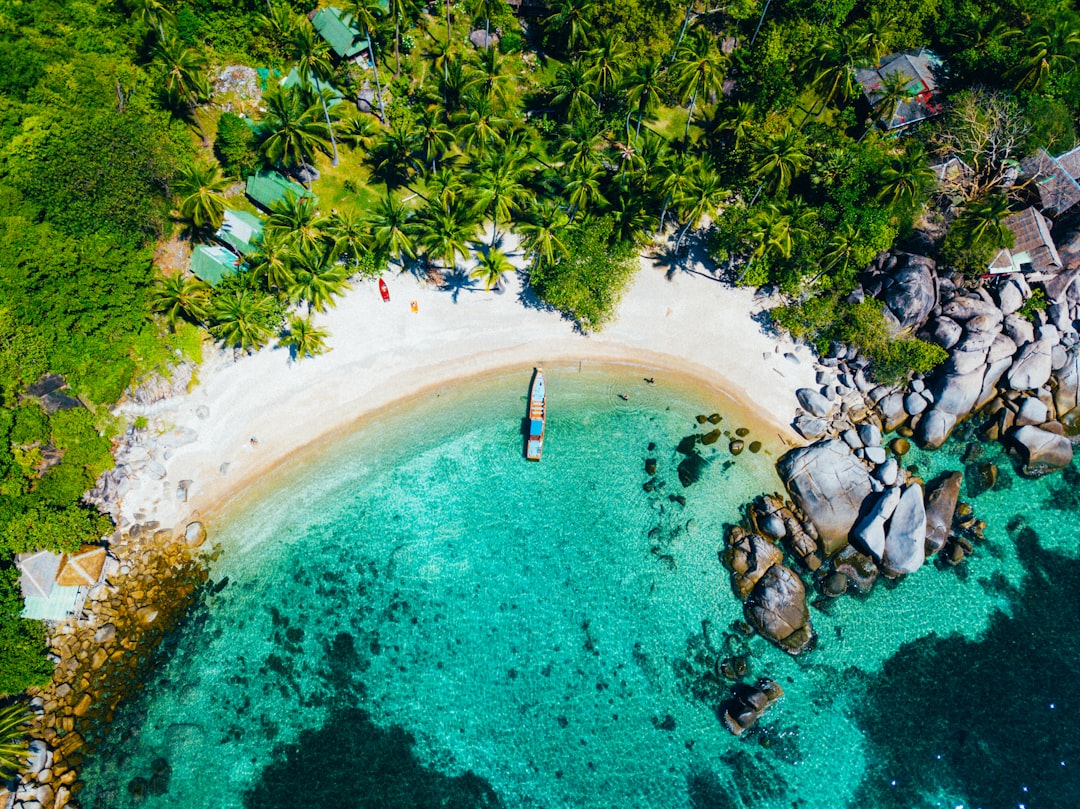
One of the world's cheapest places to learn to dive: granite coves, coral bays and a laid-back island the size of a walk.
- Best time to visit: March-September
- Daily budget (budget traveller): $35 to $90 USD
- Ideal trip length: 4 to 6 days
Koh Tao is small, green and built almost entirely around what's underwater. It certifies more open-water divers than almost anywhere on earth, and does it cheaply, in warm, calm, shallow water. Above the surface it's a low-key island of granite boulders, viewpoints, hidden coves and beach bars, walkable end to end. Joy Plus plans the dive course, the surface days and the ferry chain.
Koh Tao is about 8km long and 3km wide, a green lump of granite boulders and jungle in the Gulf of Thailand. Nearly everything on it is organised around what's underwater. It is one of the busiest dive-certification islands on earth, with dozens of schools along the sand. Warm, shallow, usually calm water and steep competition keep a PADI Open Water course at roughly ฿10,000 to ฿12,000, a fraction of what the same card costs in Europe, Australia or the US. Above the surface it's a barefoot place: beach bars on Sairee, boulder-strewn coves on the east coast, and a handful of viewpoints you reach by scrambling over rocks in flip-flops you probably shouldn't be wearing.
The island runs on a dive-day rhythm. Boats leave around 7:30am, you're back by lunch, and the afternoon belongs to banana pancakes, a hammock and a nap. Sairee Beach is the social engine: dive shops, fire shows, buckets and the best sunset strip. Mae Haad is the ferry port with banks, 7-Elevens and the road out to everywhere else. Chalok Baan Kao in the south is calmer and better for a slow dinner, while Tanote and Hin Wong on the east coast are where you snorkel over coral at 8am with almost nobody around. Everything is walkable or a short songthaew pickup, but the hills are steep and sandy, and most injuries on the island happen on rented scooters rather than underwater.
The logistics are what catch people out. There's no airport, so you arrive by catamaran from Chumphon (about 1h45), Koh Samui (about 2h) or Koh Phangan (about 1h). A course takes three to four days, and you can't fly for 18 to 24 hours after your last dive. Don't book a flight out the day after you finish. The Gulf monsoon hits from October to December, worst in November, when crossings get cancelled and schools go quiet. Pick a school by instructor ratio (four students or fewer per instructor is the sweet spot), do the PADI eLearning before you land to save a day, and book the ferry chain around the course, not the other way round.
How many days in Koh Tao?
For Koh Tao, we recommend 4 to 6 days. With more time, add a day trip to Sail Rock or Koh Phangan.
| Trip length | What you'll see | Itinerary |
|---|---|---|
| 2 days | Sairee sunset; Open Water course, day one | Koh Tao in 2 days |
| 3 days | Sairee sunset; Koh Nang Yuan and John-Suwan; East coast bays, snorkel day | Koh Tao in 3 days |
| 4 days · Recommended | Sairee sunset; Open Water course, day one; First open-water dives; Certification day | Koh Tao in 4 days |
| 5 days · Recommended | Adds: Koh Nang Yuan and John-Suwan | Koh Tao in 5 days |
| 7 days | Adds: East coast bays, snorkel day; Shark Bay | Koh Tao in 7 days |
Koh Tao itinerary
Arrive by ferry, Sairee sunset
Morning: Catch the 7:00am Lomprayah catamaran from Chumphon, about 1h45 to Mae Haad pier. Grab a songthaew to Sairee (฿100-150) and check in.
Afternoon: Meet your dive school and sort the paperwork. Swim and snorkel off Sairee Beach, lunch at Café del Sol.
Evening: Sunset drinks at Fizz Beach Lounge, dinner at Choppers Bar & Grill, then the fire show at Lotus Bar. Early bed.
Open Water course, day one
Morning: Classroom review and confined-water skills in the shallows. Check your mask seal and equalise early.
Afternoon: Finish the skills session and the knowledge review. Short surface interval on the beach.
Evening: Dinner with your dive group at a Sairee beach restaurant. Skip the buckets, tomorrow's a boat day.
First open-water dives
Morning: Boat leaves around 7:30am. Two open-water dives at a protected site such as Japanese Gardens or Twins.
Afternoon: Back by lunch, then a nap. Logbook and a short theory session.
Evening: Banana pancake dinner, early night. Ears and brain need the rest.
Certification day
Morning: Final open-water dives and the exam, usually done by lunch. Your instructor signs off your card.
Afternoon: Celebrate with iced coffee and a long hammock session. No flying for at least 18 to 24 hours.
Evening: Dinner at Barracuda to mark the new card. Book it a day ahead.
Koh Nang Yuan and John-Suwan
Morning: Water taxi from Sairee to Koh Nang Yuan (about ฿200 return plus the ฿100 island fee). Climb the viewpoint before 10am.
Afternoon: Snorkel the sandbar, then lunch back in Mae Haad. Hire a songthaew to Chalok.
Evening: Scramble up John-Suwan for sunset with a headlamp for the walk back. Dinner in Chalok Baan Kao.
East coast bays, snorkel day
Morning: Taxi to Tanote Bay at 8am and snorkel over the boulders before the day boats arrive.
Afternoon: Walk or taxi to Hin Wong for a quiet coral swim, then Aow Leuk for a lazy lunch.
Evening: Back to Sairee. Last sunset beer at Choppers, pack the bag.
Shark Bay and depart
Morning: Early snorkel at Shark Bay (baby blacktip reef sharks in the shallows, stay calm and don't chase them). Check out.
Afternoon: Catamaran from Mae Haad pier back to Chumphon or on to Koh Samui. Keep at least 18 hours since your last dive before any flight.
Evening: Overnight train or bus onward to Bangkok, or an easy dinner in Chumphon.
Best neighbourhoods
- Sairee Beach: The long west-coast strip: dive schools, beach bars, sunset and most of the island's energy.
- Mae Haad: The ferry port and main village, with restaurants, banks and the road to everywhere.
- Chalok Baan Kao: A quieter southern bay with good food and a mellower crowd.
- Tanote Bay: East coast: clear snorkelling water, big granite boulders and few crowds.
- Koh Nang Yuan: The three-islets sandbar just offshore, the island's most photographed spot.
Must-do experiences
- Get PADI Open Water certified: Four days, warm shallow water and among the lowest prices anywhere in the world.
- Dive Chumphon Pinnacle or Sail Rock: Granite pinnacles with barracuda, groupers and, in season, whale sharks.
- Koh Nang Yuan viewpoint: Climb the rocks above the sandbar linking the three islets.
- John-Suwan viewpoint at sunset: A short scramble to the island's best panorama over two bays at once.
Hidden gems
- Freediving courses, quieter and cheaper here than almost anywhere in Asia.
- Hin Wong Bay for shore snorkelling over healthy coral with barely anyone around.
- The Mango Bay viewpoint hike, steep and sweaty but empty at dawn.
- Sunday afternoons at the south-end beach bars, before the Sairee crowd arrives.
Daily budget
- Accommodation: budget ฿250-500 / night (dive-school dorm or fan bungalow), mid-range ฿1,500-3,000 (air-con bungalow, pool or beachfront), splurge ฿6,000+ (Jamahkiri Resort & Spa, private bay villas). Some schools include a free or discounted room with an Open Water course. Ask when you book.
- Food: budget ฿250-400 / day (street Thai, pad krapow ฿60-90), mid-range ฿700-1,200 (beach lunches, one seafood dinner), splurge ฿2,500+ (Barracuda tasting-style dinner and wine). Island prices run 20 to 30 percent above the mainland. Roadside stalls and small family restaurants in Mae Haad are the value.
- Transport: budget ฿0-150 (walk, share a songthaew pickup), mid-range ฿300-500 (scooter ฿250-350/day plus fuel), splurge ฿2,500+ (private longtail charter for a half-day). Pickups cost ฿100-300 depending on distance. Skip the scooter if you've never ridden, the hills are brutal.
- Activities: budget ฿0-300 (viewpoints, shore snorkelling, Nang Yuan fee ฿100), mid-range ฿2,000-2,800 (two fun dives with gear), splurge ฿10,000+ (Open Water course, or ฿2,800 Sail Rock day). Fun dives run ฿1,000-1,300 each, cheaper in 10-dive packages. Group snorkel boat trips are ฿700-1,000.
- Drinks & nightlife: budget ฿150-300 (7-Eleven Chang ฿60-80, beach beer), mid-range ฿500-900 (cocktails and a bucket on Sairee), splurge ฿1,800+ (sunset lounge at Fizz, late bar night). Beer at bars is ฿80-120, buckets ฿250-350. Drink less the night before diving, it matters for your ears and your hangover.
Where to stay
- Social hostel in Sairee Beach (฿250-500 / night): Dive-school dorms like Ban's Diving Resort or Master Divers put you in the middle of the action. Sometimes included or discounted with a course.
- Boutique hotel in Sairee Beach (north end) (฿1,800-3,500 / night): Quieter stretch of sand with small air-con bungalows and a pool. Koh Tao Cabana and similar places keep you walkable to the bars without the noise.
- Apartment in Chalok Baan Kao (฿800-1,800 / night): Long-stay bungalows and studios rented by the week or month, usually with a kitchenette. Best value if you're staying 5+ nights and want to cook.
- Splurge in Shark Bay / southeast coast (฿6,000-12,000 / night): Jamahkiri Resort & Spa has cliffside pool villas and private bay views. Quiet, scenic and far from the bucket bars.
What to eat
- Fresh grilled seafood on Sairee beach at sunset
- Massaman curry at a family restaurant in Mae Haad
- Som tam and sticky rice from a roadside stall
- Post-dive banana pancakes and iced Thai coffee
Day trips
- Koh Nang Yuan (15 min by boat): Three granite islets joined by a sandbar. Climb the viewpoint, snorkel the shallows, and go before 10am to beat the day boats. Water taxi from Sairee Beach, about ฿200 return, plus a ฿100 island entry fee paid on arrival.
- Sail Rock (1 to 1.5 hours by dive boat): A granite pinnacle that drops 40m, famous for barracuda, big groupers and the chance of whale sharks. Includes the 'chimney' swim-through for certified divers. Day trip with a dive school, about ฿2,800-3,500 for two dives with lunch. Advanced or experienced divers only.
- Koh Phangan (1 hour by catamaran): Beach coves, waterfalls, cafés in Thong Sala and Haad Rin, the party beach. Best as an overnight to extend your trip. Lomprayah or Seatran catamaran from Mae Haad, about ฿500-600 one way. Book ahead in high season.
When to visit
- Hot season (March - May): 30-35°C, sunny, glassy sea around 29°C. Crowds: Moderate to busy, peaks at Songkran in mid-April. Best diving window. Visibility of 15-30m and the best odds of a whale shark at Sail Rock. Hot enough that you'll live in the water.
- Green season (June - September): 28-33°C, short afternoon showers, mostly calm seas. Crowds: Busy in July and August, quieter in September. The local pick. The Gulf barely feels the southwest monsoon, rooms are cheaper, and September can bring whale sharks back.
- Monsoon (October - December): 26-30°C, heavy rain, rough swell, November is the worst. Crowds: Very low until Christmas week. Skip unless you have flexible dates. Catamarans get cancelled, visibility drops and some bars close. December improves toward New Year.
- Cool and windy (January - February): 28-31°C, drier, breezy, sea around 28°C. Crowds: High through Christmas and New Year, easing in February. Good beach weather with some wind chop on crossings. Book rooms early, and expect to pay peak rates in January.
Entry rules for your passport
Visa rules for Thailand depend on the passport you travel on. Check the official source before you book: Thailand's official e-Visa site (Ministry of Foreign Affairs)
Getting there
There's no airport on Koh Tao. The standard route is the overnight train or bus from Bangkok to Chumphon (about 8 hours, ฿600-1,200), then the Lomprayah catamaran at 7:00am or 1:00pm (about 1h45, ฿600-750). Combined bus-boat tickets from Bangkok are typically ฿1,000-1,500. For a faster trip, fly Bangkok to Koh Samui (about 1 hour, from ฿2,500) and take the 2-hour catamaran, or fly to Chumphon (CJM) if schedules suit. From Koh Phangan it's about 1 hour (฿500-600). Catamarans land at Mae Haad pier, where songthaews to Sairee cost ฿100-150. Book ferries a day or two ahead in high season, and add a buffer day in monsoon months, when sailings get cancelled. Boat times shift each season, so check the operator before you commit.
Getting around
There's no airport: reach Koh Tao by catamaran from Chumphon on the mainland (1.5 to 2 hours), from Koh Samui (1.5 hours) or Koh Phangan (1 hour), with combined bus-boat tickets from Bangkok. On the island, most people walk or hire a scooter, though the steep, sandy roads cause a lot of accidents; taxi pickups and longtail boats to remote bays are the safer option.
Safety
The biggest risk here is a scooter, not the sea: roads are steep, gravelly and unforgiving, and travel insurance often won't cover you without a motorbike licence. Choose dive schools with good safety records rather than the cheapest quote, and never fly within 18 to 24 hours of your last dive. Sun and dehydration hit hard; the reef needs reef-safe sunscreen. Watch for jellyfish notices at the beaches.
Solo travel tips
- The course does the socialising for you: An Open Water class is 3 to 6 strangers sharing nervous energy for four days. By day two you're having dinner together. Pick a school with small groups and you'll leave with a dive buddy.
- Ask about the instructor, not the discount: Quality varies wildly. Ask for instructor-to-student ratio (4 or fewer), boat size, gear age and whether you'll get one instructor for the full course. Cheaper by ฿500 is not worth it.
- Skip the scooter, take the pickup: Songthaew pickups cost ฿100-300 and you'll meet people on the back. Many solo travellers get hurt on the steep, gravelly hills. Insurance often won't pay without a licence.
- Eat at the beach restaurants on Sairee: Share a big table at a family-run place. Order two dishes, eat family style, and you'll be talking to the next table by the second plate.
- Solo female travellers: Koh Tao is one of Thailand's easier islands for women alone. Keep a hand on your drink at bucket bars, avoid unlit roads at night, and take a pickup rather than walking the Sairee to Mae Haad road after dark.
- Use free-time slots for snorkel trips and viewpoints: Surface intervals and afternoons off are the time to join group snorkel boats (฿700-1,000) or hike John-Suwan. Both are easy places to meet other solos.
Cultural etiquette
- Dress properly off the beach. Bikinis and trunks are for sand, put a shirt on in Mae Haad and anywhere you eat or shop.
- Don't touch or stand on coral, don't feed fish, and never chase sharks or turtles for a photo. Reef damage is the island's biggest problem.
- Use a wai (palms together, slight bow) as a thank-you or greeting. A smile goes further than raised voices.
- Never touch someone's head or point your feet at people or Buddha images. Remove shoes before entering homes or temples.
- Respect the monarchy. Don't joke about the royal family or deface banknotes and images.
- Tipping isn't expected, but round up or leave ฿20-50 at sit-down restaurants and dive boats, where crews live on tips.
- Bargaining is limited. Scooter rentals and tours can be negotiated a bit, food and drinks can't.
Frequently asked questions
Is Koh Tao worth visiting?
If you dive or want to learn, absolutely: it's one of the cheapest and most accessible places in the world to certify, in warm, calm water. Non-divers get granite coves, great snorkelling, viewpoint hikes and a relaxed island scene, though beach purists may prefer Koh Lipe or the Andaman islands.
How many days do you need in Koh Tao?
Four days minimum if you're doing an open-water course, which takes three to four with theory and dives. Five to six lets you add fun dives, viewpoints, snorkelling at Koh Nang Yuan and a genuinely lazy day. Non-divers can see the island comfortably in three.
How much does it cost to learn to dive in Koh Tao?
A PADI or SSI open-water certification typically runs around 10,000-12,500 baht, sometimes including a few nights of basic accommodation at the dive school. Advanced courses cost a bit more, and fun dives are cheap after certification. Prices are among the lowest anywhere.
When is the best time to visit Koh Tao?
March to September is the main season, with calm seas and the best visibility around March to May. October to December is the Gulf monsoon, with rough crossings and cancelled ferries, especially in November. January and February are pleasant with occasional wind.
How do you get to Koh Tao from Bangkok?
The standard route is an overnight bus or train to Chumphon plus a 1.5-2 hour catamaran, sold as a single ticket and taking about 12 hours door to door. Faster: fly to Koh Samui or Chumphon airport and take the ferry, cutting the trip to about half a day.
Is Koh Tao safe for solo travellers?
Yes, and it's one of Thailand's most social islands, with dive courses making friends automatic. Take the same precautions you would anywhere: watch your drink, avoid riding a scooter you're not licensed or confident on, and use reputable dive operators. Road accidents are by far the most common problem.
Can you see whale sharks in Koh Tao?
Sometimes. Whale sharks pass through mainly between March and May and again around September to October, most often at Sail Rock and Chumphon Pinnacle. Sightings are luck, never guaranteed, and no reputable operator will promise them. The regular reef life is excellent either way.
Do I need to fill in a form to enter Thailand?
Yes. Since 1 May 2025 every foreign visitor must complete the Thailand Digital Arrival Card (TDAC) before arriving by air, land or sea. It is free and is submitted within the three days before arrival on the official site, tdac.immigration.go.th. It is not a visa. Since 15 September 2026, citizens of 60 countries, including EU states, the UK, the US, Canada and Australia, get 30 days visa-free for tourism, down from 60, so check the rules for your nationality.
More about Koh Tao
- Best Time to Visit Southeast Asia: Month by Month and Where to Go
- Solo Travel Southeast Asia Itinerary 2026: 2, 3 and 4 Week Overland Routes
- Solo Travel in Southeast Asia: The 2026 Beginner's Guide to Visas, Money and Safety
- Bangkok on $30 a Day? A Realistic Budget Guide for 2026
Tours and activities in Koh Tao | Koh Tao in 2 days | Koh Tao in 3 days | Koh Tao in 4 days | Koh Tao in 5 days | Koh Tao in 7 days
Can't decide? Compare Koh Tao with...
Joy Plus home | Destinations | Itineraries | Activities | Flights | Budget planner | Calendar | Map | Blog | Lifetime access