Destinations / Asia
Kyoto, Japan travel guide
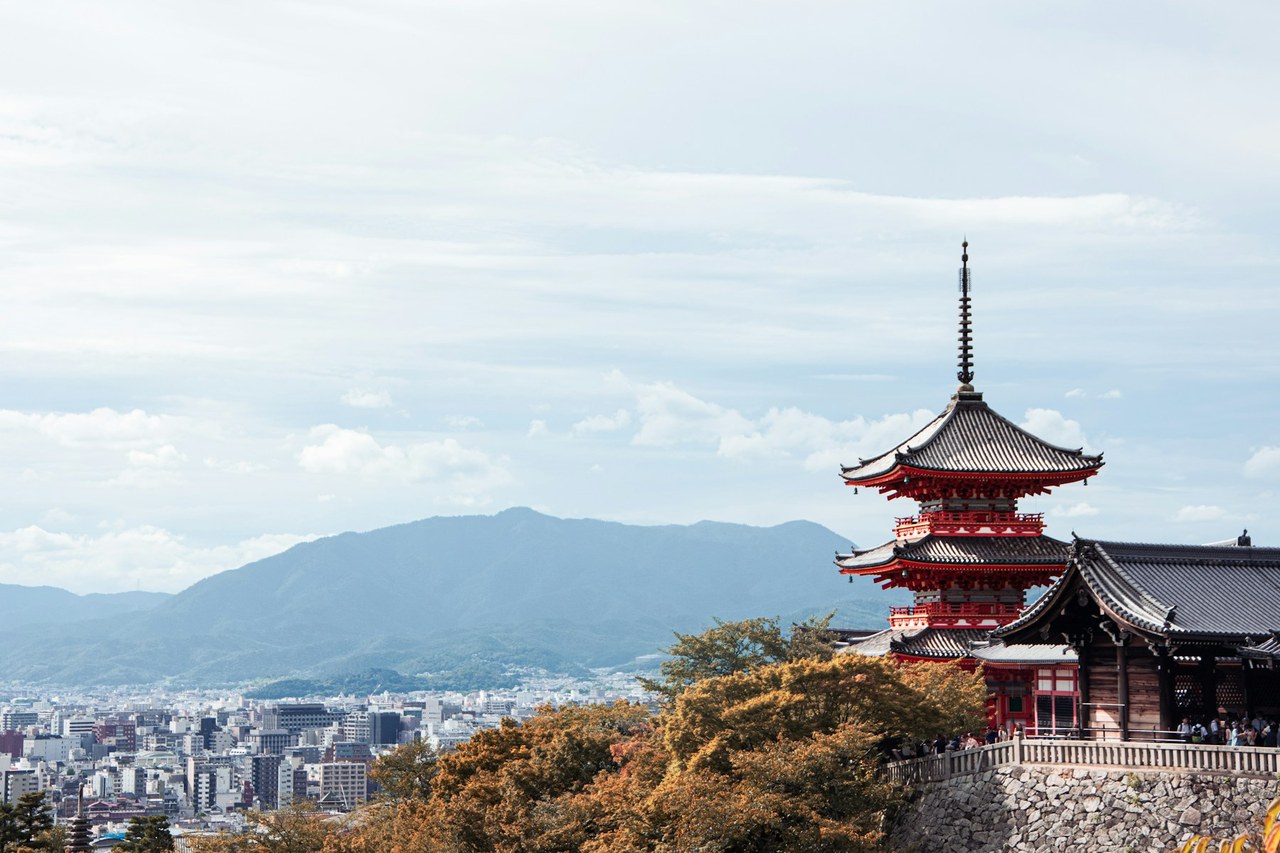
Japan's old capital, temples, tea houses, and the country's quietest mornings.
- Best time to visit: March-April (cherry blossom) and November (autumn colours)
- Daily budget (budget traveller): $100 to $160 USD
- Ideal trip length: 4 to 5 days
Kyoto's magic is in the timing. Visit Fushimi Inari at noon and you queue with 5,000 people; arrive at 7am and you have the gates to yourself. Joy Plus sequences the temples, gardens and tea houses by light, crowds and walking distance.
Kyoto runs on a clock, and the clock is not kind to late risers. Fushimi Inari is open 24 hours and free, and at 6:30am you can walk its vermilion tunnels with a handful of joggers and priests. By 10am you are shuffling in a queue for the same photo. The city holds around 1,600 temples and 400 shrines, but the real skill here is sequencing: which district, at what hour, by which train. Get that right and Kyoto feels like a slow, mossy, lantern-lit village. Get it wrong and it feels like a theme park with a very good tea shop.
The geography helps if you let it. Higashiyama (Kiyomizu-dera, Ninenzaka, Gion) is best before breakfast. Arashiyama in the west is a 7am bamboo-grove job, then a river lunch. The north (Ginkaku-ji, Honen-in, the Philosopher's Path) is where you go to be quiet. Central Kyoto, between Kawaramachi and Karasuma, is where you eat: Nishiki Market grazing at 10am, a ¥1,000 teishoku lunch, a counter-seat kaiseki dinner, a last drink on Kiyamachi. The grid is flat and legible, the buses cost ¥230 flat, and a rented bike (about ¥1,000 a day) beats almost every transit option east of the river.
Plan for 2026 realities. Visitor numbers are back at record levels, hotels in late March and mid November sell out six months ahead, and a new lodging tax from March 2026 adds ¥200 to ¥10,000 per person per night depending on the room rate. Since April 2024 tourists are asked to stay out of Gion's private alleys altogether, and Nishiki Market asks you not to eat while walking. None of this is hostile, it is a working city asking you to behave like a guest. Do that, carry cash for the small places, and Kyoto pays you back with the quietest mornings in Japan.
How many days in Kyoto?
For Kyoto, we recommend 4 to 5 days. With more time, add a day trip to Uji or Kurama and Kibune.
| Trip length | What you'll see | Itinerary |
|---|---|---|
| 2 days | Nishiki Market and Pontocho; Southern Higashiyama and Gion | Kyoto in 2 days |
| 3 days | Adds: Fushimi Inari and Tofuku-ji | Kyoto in 3 days |
| 4 days · Recommended | Adds: Arashiyama at sunrise | Kyoto in 4 days |
| 5 days · Recommended | Adds: Northern Higashiyama and the Philosopher's Path | Kyoto in 5 days |
| 7 days | Adds: Nara day trip; Kinkaku-ji, Daitoku-ji | Kyoto in 7 days |
Kyoto itinerary
Arrive, Nishiki Market and Pontocho
Morning: Land at KIX, JR Haruka express to Kyoto Station (about 80 min, ¥3,000 to ¥3,600). Station lockers fill by 10am, so drop bags at your hotel or use a locker (¥400 to ¥700). Coffee at Weekenders Coffee on Tominokoji.
Afternoon: Graze Nishiki Market (stalls open around 10am, many close by 5pm) and eat at the stall, not on the move. Matcha and wagashi at Ippodo Tea on Teramachi, then walk the covered Teramachi arcade.
Evening: Kamo river at dusk, then dinner on Pontocho (book a counter seat, or a riverside terrace from May to September). One drink on Kiyamachi, in bed by 11pm.
Southern Higashiyama and Gion
Morning: Kiyomizu-dera at 6am opening (¥500). Walk down Sannenzaka and Ninenzaka before shops open around 10am. Coffee at % Arabica by Yasaka Pagoda (opens 8am, expect a queue).
Afternoon: Lunch at Izuju, Gion's saba-sushi house since 1912. Intimate tea ceremony at Camellia or En (about ¥3,000 to ¥5,000, book online). Kodai-ji (¥600), then Maruyama Park and Yasaka Shrine.
Evening: Walk Hanamikoji and Gion Shirakawa canal at 5:30pm. Look, do not chase maiko, and stay out of the private alleys. Ramen at Menya Inoichi Hanare, then a night walk across Shijo bridge.
Fushimi Inari and Tofuku-ji
Morning: JR Nara Line from Kyoto Station to Inari (5 min, ¥150). On the torii path by 6:30am, free and open 24/7. Hike up to the Yotsutsuji viewpoint (about 45 minutes) or the full summit loop (about 2 hours) while tour groups are still in bed.
Afternoon: One stop on JR to Tofukuji. Tofuku-ji's Tsutenkyo bridge (¥600, ¥1,000 from mid-November to early December) and Hojo Zen garden (¥500, ¥600 from 1 November 2026). Then Toji's five-storey pagoda near Kyoto Station, or the Kobo-san flea market if it is the 21st.
Evening: Kiyamachi izakaya hop. Skewers at a counter, then a quiet cocktail at Bar K6 (seat charge applies).
Arashiyama at sunrise
Morning: JR Sagano Line to Saga-Arashiyama (15 min, ¥240). Bamboo Grove at 7am, free. Tenryu-ji garden at 8:30 opening (¥500), then Okochi Sanso Villa (¥1,000 with matcha).
Afternoon: Tofu kaiseki lunch at Shoraian (book ahead, from around ¥6,000), or soba at a riverside shop. Sagano Scenic Railway (about ¥880) or Iwatayama Monkey Park (around ¥800, last entry 4pm).
Evening: Sunset at Togetsukyo bridge. Return on the Keifuku Randen tram (flat ¥250) and eat cheap around Shijo-Omiya, then sleep.
Northern Higashiyama and the Philosopher's Path
Morning: Ginkaku-ji at 8:30am opening (¥500). Walk the Philosopher's Path south for 30 min and detour to Honen-in (free, 6am to 4pm), a moss garden with almost no one in it.
Afternoon: Eikando (around ¥1,000) and Nanzen-ji's aqueduct and Hojo garden (¥600). Yudofu lunch at Okutan, the 1635 tofu house at Nanzen-ji. Cycle the Okazaki museums and Heian Jingu's giant torii.
Evening: Casual kaiseki at Giro Giro Hitoshina on Kiyamachi (book, counter seats suit solos). Or soak at Funaoka Onsen, a 1923 bathhouse (about ¥550).
Nara day trip
Morning: JR Miyakoji Rapid from Kyoto Station to Nara (45 min, ¥720). Todai-ji (¥800, from 7:30am) before the buses arrive. Deer crackers are ¥200, hold on tight.
Afternoon: Kasuga Taisha's lantern-lined approach, then Nakatanidou for fresh pounded mochi. Quiet walk around Naramachi's old merchant lanes.
Evening: Back to Kyoto by 6pm. Conveyor sushi at Musashi Sushi (plates from about ¥160).
Kinkaku-ji, Daitoku-ji, depart
Morning: Bus 205 from Kyoto Station to Kinkaku-ji for the 9am opening (¥500). Walk to Ryoan-ji's rock garden (¥600) and Daitoku-ji sub-temples such as Daisen-in (around ¥500).
Afternoon: Late lunch in Nishijin's old textile district. Collect bags and send heavy ones to KIX by luggage forwarding (takkyubin, about ¥2,000 and arrives next day).
Evening: JR Haruka to KIX. The last one leaves Kyoto Station at 8:30pm, so check the timetable and leave 2.5 hours before an international flight.
Best neighbourhoods
- Higashiyama: Kiyomizu-dera, Gion, the postcard preserved district.
- Arashiyama: Bamboo grove, Tenryu-ji, monkey park, go at sunrise.
- Gion: Geisha district, machiya townhouses, lantern-lit alleys.
- Pontocho: Narrow lantern alley along the Kamo river, the best dinner street.
- Northern Higashiyama: Philosopher's Path, Ginkaku-ji, quieter than the south.
Must-do experiences
- Fushimi Inari at sunrise: Be at the base by 6:30am. The full hike to the top takes 2 hours and you'll be alone.
- Arashiyama bamboo grove at 7am: By 9am it's a queue. Go early, then breakfast at % Arabica.
- A tea ceremony in Gion: Camellia or En are the most beginner-friendly.
- Kaiseki dinner in Pontocho: The seasonal multi-course meal Kyoto invented, book ahead.
Hidden gems
- Honen-in temple, moss garden, free entry, almost no tourists.
- Daitoku-ji sub-temples, Zen rock gardens that beat the famous ones.
- Nishiki Market early on a weekday morning.
- Kurama to Kibune hike, temples, hot springs, river-bed dining 30 minutes from the city.
Daily budget
- Accommodation: budget ¥3,500-6,500 / night (hostel dorm), mid-range ¥18,000-32,000 (boutique or good business hotel double), splurge ¥70,000+ (Tawaraya ryokan, Hoshinoya Kyoto). Rates jump 50 to 100% in late March, early April and mid November. The new lodging tax from March 2026 adds ¥200 to ¥10,000 per person per night. Business hotels near Kyoto Station are the best value.
- Food: budget ¥3,000-4,500 / day (konbini breakfast, teishoku lunch, ramen or gyudon dinner), mid-range ¥7,000-12,000 (lunch set, one proper izakaya or kaiseki-lite dinner), splurge ¥25,000+ (kaiseki at Kikunoi, 3 Michelin stars). Lunch is the hack: lunch sets at ¥1,000 to ¥2,000 and Michelin-level kaiseki lunches at half the dinner price. Department store basements (Daimaru, Isetan) discount prepared food after 7pm.
- Transport: budget ¥700-1,000 / day (bike rental plus a bus or two), mid-range ¥1,500-3,000 (buses at ¥230 a ride, JR and Keihan trains, one taxi), splurge ¥20,000+ (4-hour chartered taxi with a driver). Tap an IC card (Suica or ICOCA in your phone wallet). The old bus day pass is gone. Board buses at the rear door, pay when you exit at the front.
- Activities: budget ¥1,000-2,000 / day (shrines are free, temples are ¥500 to ¥600), mid-range ¥4,000-8,000 (tea ceremony, Kinkaku-ji, Nijo Castle, Sagano scenic train), splurge ¥25,000+ (private tea session, geiko dinner via an agency). Fushimi Inari, Honen-in, the bamboo grove and the Imperial Palace grounds are free. Most temples are cash only.
- Drinks & nightlife: budget ¥1,500 (konbini chuhai by the Kamo river, one beer), mid-range ¥4,000-7,000 (Pontocho izakaya, Kiyamachi bar hop), splurge ¥12,000+ (Bar K6 or Rocking Chair, sake tasting). Kyoto goes to bed early. Many izakaya last-order by 11pm and trains wind down around midnight. Bars add a ¥500 to ¥1,000 seat charge.
Where to stay
- Social hostel in Kawaramachi / Sanjo (¥3,500-6,500 / night): Piece Hostel Sanjo or Len Kyoto Kawaramachi. Lounge bars, easy mixed dorms and a 5 to 10 min walk to Pontocho, Nishiki Market and Keihan trains.
- Boutique hotel in Gion / Karasuma-Gojo (¥22,000-40,000 / night): The Celestine Kyoto Gion, on quiet streets and walkable to Higashiyama at dawn, or Hotel Kanra Kyoto, with tatami-influenced rooms, on Karasuma-dori by Gojo station (about 12 minutes' walk from Kyoto Station). Book 6 months ahead for sakura and November.
- Apartment in Nishijin (¥15,000-30,000 / night (2 guests)): Restored machiya townhouses in an old textile district, quieter and far cheaper than Gion. Check the listing shows a valid minpaku licence number, Kyoto enforces this strictly.
- Splurge in Arashiyama riverside / Nakagyo (¥70,000-250,000 / night): Hoshinoya Kyoto, reached by private boat along the Oi River, or Tawaraya, a 300 year old central ryokan with kaiseki dinner included. One night is the right dose.
What to eat
- Tofu kaiseki at Shoraian (Arashiyama)
- Matcha at Tsujiri or Ippodo
- Yudofu, Kyoto-style hot tofu in winter
- Conveyor sushi at Musashi Sushi near Sanjo
Day trips
- Nara (45 min by train): Japan's first capital. Todai-ji's giant bronze Buddha (¥800), Kasuga Taisha's lanterns and hundreds of free-roaming deer. Go before 10am, and buy deer crackers (¥200) only when you are ready for the chaos. JR Miyakoji Rapid from Kyoto Station, ¥720, about 45 min. Or Kintetsu Limited Express from Kintetsu Kyoto, faster and slightly dearer.
- Uji (20 min by train): Japan's matcha capital. Byodo-in's Phoenix Hall (¥700), riverside tea shops such as Tsuen Tea (since 1160) and Nakamura Tokichi for matcha parfaits. Easy half day. JR Nara Line Rapid from Kyoto Station, about 20 min, ¥240. Or the Keihan Uji line from Chushojima.
- Kurama and Kibune (30 min by train): A forested valley north of the city. Hike from Kurama-dera (¥500) over the ridge to Kibune Shrine (about 90 min), soak at Kurama Onsen (around ¥1,000) and, from May to September, eat on a riverbed platform (kawadoko). Eizan Electric Railway from Demachiyanagi to Kurama, about ¥480 and 30 min. Return from Kibune-guchi.
When to visit
- Spring (March - May): 8-22°C, bright and cool at dawn, sakura late March to mid April. Crowds: Extreme from late March to mid April, easing in May. The classic, and priced like it. Book 6 to 9 months ahead for blossom. If petals are not the point, late April to mid May has fresh green maples, long days and the Aoi Matsuri parade on 15 May.
- Summer (June - August): 26-37°C, very humid, rainy season early June to mid July, typhoon risk in August. Crowds: Moderate, spiking around Gion Matsuri in July. Hot enough to flatten you. Do temples at 6am, nap at midday, eat cold soba and kakigori, and book a Pontocho riverside terrace (open May to September). Worth it for the 17 July Gion Matsuri parade.
- Autumn (September - November): Sept 25-30°C, Oct 15-24°C, Nov 8-17°C, mostly dry. Crowds: Heavy from mid November to early December, moderate in October. Colour peaks around 20 November to 5 December, and Eikando and Kiyomizu-dera run night illuminations with long queues. October is warm, calm and far cheaper if you can live without red maples.
- Winter (December - February): 1-10°C, dry and crisp, occasional snow. Crowds: Low, except New Year. Cheapest rooms, empty temples, hot yudofu and sake. A dusting of snow on Kinkaku-ji is rare and unforgettable. Many shops and some sites close from 29 December to 3 January.
Entry rules for your passport
Visa rules for Japan depend on the passport you travel on. Check the official source before you book: Japan Ministry of Foreign Affairs
Getting there
Most international visitors land at Kansai International (KIX), 75 to 80 min from Kyoto Station by JR Haruka express (around ¥3,000 to ¥3,600, runs about every 30 min). The airport limousine bus costs about ¥2,800 and takes 90 min or more in traffic. From Tokyo, the Nozomi Shinkansen takes 2h15 and costs around ¥14,000 to ¥14,500, while overnight buses run ¥4,000 to ¥8,000. From Osaka, JR Special Rapid takes 30 min (¥580), or Shin-Osaka to Kyoto by Shinkansen takes 15 min. The 7-day JR Pass (¥50,000) rarely pays off unless you cover Tokyo, Kyoto and Hiroshima. Kyoto Station is the hub for JR, the Kintetsu line to Nara, and the Karasuma subway line.
Getting around
Get a Subway & Bus 1-Day Pass (¥1,100), the old ¥700 bus-only pass was discontinued in 2023. Buses are slow but reach every temple. The subway is fast but limited. Rent a bike for Higashiyama, Kyoto is mostly flat.
Safety
Among the safest cities on earth. Solo female travellers walk anywhere at any hour. The only etiquette risk is photographing geiko/maiko in Gion, and since April 2024 tourists are asked to stay out of its private alleys altogether.
Solo travel tips
- Sit at the counter and say 'hitori desu': Kyoto's best small restaurants have counter seats that suit one person. Say 'hitori desu' (one person) at the door. Kaiseki and popular spots refuse walk-ins, so have your hotel or hostel call the day before. Solo diners are never an awkward booking here.
- Start at dawn, finish by 3pm: Temples open at 6 to 9am and the crowds arrive about two hours later. Do the big sights first thing, take a long lunch, and spend afternoons in places that never fill up: Honen-in, Daitoku-ji sub-temples, a bathhouse.
- Hostel pick: Piece Hostel Sanjo or Len Kyoto Kawaramachi: Both have lounge bars and events without forced pub crawls, and sit a 5 to 10 min walk from Pontocho and Nishiki. Piece Hostel Sanjo is the more social of the two. Dorms run ¥3,500 to ¥6,500 depending on season.
- Skip the tourist buses: Buses 205 and 206 are rammed from 9am to 5pm. Use trains where you can: JR to Fushimi Inari and Saga-Arashiyama, Keihan along the east side, the Randen tram to Arashiyama and Kitano. Or rent a bike for Higashiyama and the north.
- Solo female travellers: Kyoto is among the safest cities in the world and you can walk Gion or Kiyamachi alone at night. Standard rules apply. Politely ignore touts on Kiyamachi inviting you into hostess bars (bills run to ¥30,000+), and choose women-only dorm floors where offered.
- Find your tribe through a class or a free guide: Small-group cooking classes, tea ceremonies and Kyoto Cycling Tour Project rides are full of solos. The Kyoto SGG Club offers free volunteer guides, you only cover their entry fees and transport. A neighbourhood sento (about ¥550) is another quiet way to chat.
Cultural etiquette
- Do not photograph or chase geiko and maiko in Gion. Since April 2024 tourists are asked not to enter private alleys such as the Hanamikoji side streets at all. Stay on public streets.
- Do not eat while walking in Nishiki Market or most temple approaches. Buy, step aside, finish at the stall, then move on.
- Shoes come off at temples, ryokan, tea rooms and many restaurants. Wear clean socks with no holes, and use the separate toilet slippers if provided.
- At shrines, bow briefly at the torii gate and walk to the side of the path, the centre belongs to the gods. Rinse hands at the temizuya before the main hall.
- Do not tip. It confuses staff and can feel insulting. Service is included and a clean 'gochisosama deshita' on the way out is enough.
- Be quiet on buses and trains. No phone calls, backpacks off and held in front. On city buses, board at the back and pay at the front when you leave.
- Bins are rare, so carry your rubbish until you reach a konbini or hotel. At onsen and sento, wash fully before entering, keep the towel out of the water, and check tattoo policies before you go.
Frequently asked questions
How many days do you need in Kyoto?
Four to five days. Two for the eastern temples (Higashiyama), one for Arashiyama, one for northern temples and Fushimi Inari, and ideally one day trip to Nara or Osaka.
Should I visit Kyoto or Tokyo first?
Tokyo first, then Kyoto. The bullet-train ride is 2h15. Tokyo's intensity makes Kyoto's slower pace land harder, most travellers prefer ending the trip in Kyoto.
Is Kyoto good in cherry blossom season?
Yes, but book hotels 6 months ahead. Late March to mid-April is peak. The Philosopher's Path and Maruyama Park are the classic spots.
How do I beat the Fushimi Inari crowds?
Go at sunrise (6am) or after 9pm. The shrine is open 24/7 and the path is lit at night. Most tourists never get past the lower torii gates, walk the full 2-hour loop to the summit and you'll have most of it to yourself.
Is a Kyoto tea ceremony worth booking?
Yes, if you pick a small one. Camellia in Higashiyama and En in Gion run intimate 45-minute ceremonies in English for around ¥3,000. Skip the large hotel ceremonies, they're rushed and feel like a show.
Where should I stay in Kyoto?
Around Gion or Higashiyama if you want to wake up next to temples and pay for it. Around Kyoto Station for cheaper, easier transit to day trips. A traditional ryokan with kaiseki dinner and onsen is worth one splurge night, Nishiyama Ryokan and Yoshi-Ima are solid mid-priced picks.
What's the best way to get around Kyoto?
A mix of buses and trains, with an IC card like ICOCA. Buses reach most temples but get crowded; rent a bike for the flat central areas, Kyoto is wonderfully cyclable.
How do I visit Kyoto respectfully in Gion?
Don't chase or photograph geiko and maiko, and since April 2024 tourists are asked not to enter the private lanes at all. Keep your voice down, stay on public streets, and treat the district as the working neighbourhood it is.
More about Kyoto
- Japanese Culture and Etiquette: A Situation-by-Situation Guide
- Cultural Etiquette in Japan: Quick Do's and Don'ts for First-Timers
- Where to Travel in 2027: 15 Places Worth Planning a Trip Around
- Tokyo for First-Time Visitors: 5-Day Guide With Hidden Gems
Tours and activities in Kyoto | Kyoto in 2 days | Kyoto in 3 days | Kyoto in 4 days | Kyoto in 5 days | Kyoto in 7 days
Can't decide? Compare Kyoto with...
- Kyoto vs Osaka
- Tokyo vs Kyoto
- Kyoto vs Nara
- Kyoto vs Kanazawa
- Nagoya vs Kyoto
- Kyoto vs Hiroshima
- Kobe vs Kyoto
- Kyoto vs Seoul
- Sapporo vs Kyoto
- Kyoto vs Hakone
- Kyoto vs Takayama
Joy Plus home | Destinations | Itineraries | Activities | Flights | Budget planner | Calendar | Map | Blog | Lifetime access