Destinations / Asia
Matsumoto, Japan travel guide
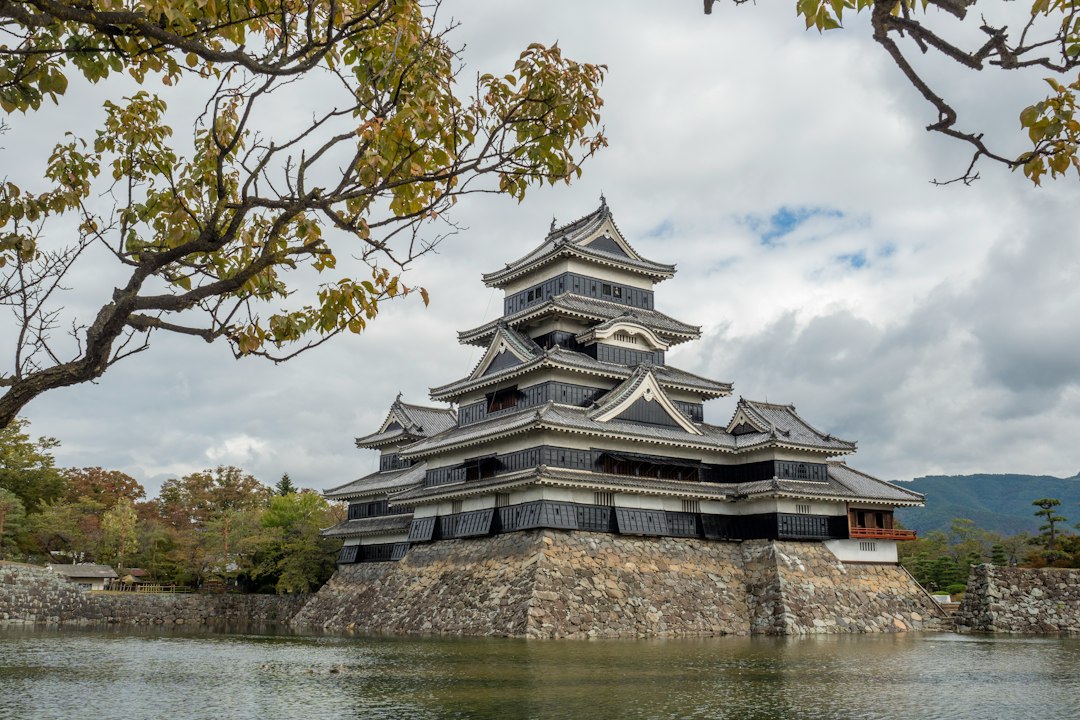
Japan's alpine gateway: black timber keeps, modern art and pure mountain water.
- Best time to visit: April to November
- Daily budget (budget traveller): $60 to $145 USD
- Ideal trip length: 2 to 4 days
Framed by the snow-capped Northern Alps, Matsumoto is a walkable castle city that balances samurai heritage with contemporary creative energy. Its centerpiece is the striking 16th-century Crow Castle, one of Japan's twelve original keeps, but the town also boasts the childhood works of Yayoi Kusama, kura storehouses converted into craft bars, and natural spring wells on every street corner. Easily reached from Tokyo or Nagoya, it provides the quintessential mountain base without the overwhelming crowds of Kyoto.
Matsumoto sits in a wide mountain basin at 590 metres above sea level, shadowed to the west by the jagged peaks of the Northern Alps. It is defined by cold alpine run-off that bubbles up through stone street wells and by its 400-year-old black wooden fortress. While tour buses routinely pull up to tick off the castle before driving straight into the mountains, the city rewards those who stay on. In the evening, mist rolls off the peaks, the stone riverbanks quieten down, and timber-fronted bars open their doors to reveal deep collections of local sake and craft beer.
The draw here is the collision between rugged regional heritage and sharp modern aesthetics. Matsumoto Castle, nicknamed Karasu-jo (the Crow Castle) due to its striking black wooden panelling, was built between 1592 and 1614 and stands as a rare National Treasure keep that avoided wartime destruction and modern concrete reconstruction. A short walk south leads to the Matsumoto City Museum of Art, a shrine to avant-garde pioneer Yayoi Kusama, who was born and raised here. Between the two sit clean canals, water-mill bakeries, and the whitewashed storehouses of Nakamachi-dori, where artisans still sell indigo cottons and woodcraft.
Matsumoto also operates as the central hinge for journeys across the Japanese Alps. From here, highway buses climb into the breathtaking granite valley of Kamikochi, local trains run south into the preserved postal hamlets of the Kiso Valley, and mountain routes connect across to Takayama and Kanazawa. Because the city centre remains compact and completely flat, you can drop your luggage, pick up a rental bicycle, and explore the entire perimeter in a single relaxed day before launching into the peaks.
Matsumoto itinerary
Arrival and the Black Crow Castle
Morning: Board the Limited Express Azusa from Shinjuku to Matsumoto (2.5 hours). Stash luggage at your hotel or station lockers (¥500 to ¥800), grab a city walking map at the station information centre.
Afternoon: Walk 15 minutes north to Matsumoto Castle. Pay ¥700 admission, slip off your shoes, and climb the wooden stairways up to the top defensive tier. Walk the surrounding moat gardens.
Evening: Head into Nakamachi-dori for dinner. Order a piping hot basket of sanzoku-yaki fried chicken and a local Shinshu draft beer at an izakaya, then stroll the quiet moonlit moat on the way back.
Polka dots, storehouses and frog shrines
Morning: Walk east to the Matsumoto City Museum of Art (¥410 entry) at 9am opening. Admire Yayoi Kusama's giant floral installation outside and view her early paintings inside.
Afternoon: Head back across the Metoba River into Nawate-dori. Grab sweet taiyaki, pay respects at Yohashira Shrine, then explore the traditional craft and pottery shops along Nakamachi-dori.
Evening: Sample fresh handmade Shinshu soba at Kurabaya or Nomugi. Finish with a flight of seasonal IPAs at the timber-framed Matsumoto Brewery taproom on Nakamachi.
Old schoolhouses and historic waters
Morning: Take a short walk or bike ride north to the Former Kaichi School (¥400), an exquisite 1876 building mixing Western architecture with Japanese temple roofing.
Afternoon: Embark on the city spring water trail. Stop at the famous Genchi Well, taste the cold alpine water, and explore the residential backstreets of Takasago-dori and Agata Forest Park.
Evening: Dine on delicate basashi (horsemeat sashimi) or Shinshu salmon at a traditional local counter on Kokumasu-dori. Settle in for a nightcap at Bar Coat or The Old Rock Pub.
Alpine splendour in Kamikochi
Morning: Take the early Matsumoto Dentetsu railway to Shin-Shimashima, connecting straight to the alpico highland bus to Kamikochi (around 1 hour 40 minutes total, ¥5,300 return).
Afternoon: Get off at Taisho Pond to admire the mirror reflections of the Hotaka Range. Walk the flat, scenic forest trail past Tashiro Pond to the iconic timber Kappa Bridge for lunch.
Evening: Catch the return mountain bus back to Matsumoto. Reward tired legs with a hot bowl of rich miso ramen or soba near Matsumoto Station, and relax.
Edo postal heritage in Narai-juku
Morning: Board the local JR Chuo Line train south to Narai Station (45 minutes, ¥590). Step off into one of the longest preserved postal towns along the historic Nakasendo trail.
Afternoon: Wander the two-kilometre street of dark timber kiso houses, visiting the Kamitoya preserved residence and browsing fine lacquerware stalls. Enjoy a bowl of toji soba for lunch.
Evening: Return to Matsumoto in the late afternoon. Spend an easy evening browsing local produce, apple pies and regional wines inside the Midori shopping complex at Matsumoto Station.
Wasabi farms and Azumino countryside
Morning: Take the JR Oito Line train north to Hotaka Station (30 minutes, ¥330). Hire a bicycle outside the station to pedal along the quiet country lanes of the Azumino valley.
Afternoon: Cycle to the Daio Wasabi Farm. Walk beside the crystal gravel watercourses fed by Alps snowmelt, admire the iconic wooden waterwheels, and sample wasabi-flavoured soft serve ice cream.
Evening: Cycle back to Hotaka, take the train back into Matsumoto, and book a counter seat at an authentic yakitori stall near Nawate-dori for grilled skewers and regional sake.
Farewell to the Alps
Morning: Have a relaxed morning breakfast with pour-over coffee at a traditional kissaten. Do a last sweep of the craft shops on Nakamachi for wooden combs and Shinshu lacquer.
Afternoon: Collect bags and board the Shinano Limited Express to Nagoya (2 hours) to join the Tokaido Shinkansen, or board the Azusa directly back into Tokyo.
Evening: Arrive at your next destination or airport hub, carrying memories of cool mountain air and timeless castle vistas.
Best neighbourhoods
- Castle District (Ote & Marunouchi): The historic core surrounding Matsumoto Castle, featuring tranquil moats, traditional izakaya and cherry-lined paths.
- Nakamachi-dori: A handsome quarter of black and white namako-wall storehouses, packed with artisan craft shops, soba kitchens and local cafes.
- Nawate-dori (Frog Street): A pedestrianised riverside lane dedicated to frog deities, street snacks, antique dealers and small independent bakeries.
Must-do experiences
- Climb the timber keep of Matsumoto Castle: Tackle the near-vertical wooden stairs of the five-tier, six-storey black keep for sweeping views across the Japanese Alps.
- Explore Yayoi Kusama's origins at the Art Museum: Stand before the polka-dotted outdoor sculptures and early sketches of the world-famous artist in her home city.
- Stroll the storehouse alleys of Nakamachi: Browse lacquerware, handmade ceramics and woven textiles in merchant kura preserved from the Edo and Meiji eras.
- Sip fresh groundwater from city spring wells: Fill a water bottle at the historic Genchi Well, where crystal alpine run-off flows continuously in the town centre.
- Eat hot handmade Shinshu soba: Slurp fragrant, cold buckwheat noodles dipped in rich dashi broth made from local mountain water and freshly grated wasabi.
- Cross the Metoba River to Nawate-dori: Shop for frog-themed trinkets and hot taiyaki cakes filled with sweet red bean paste along this pedestrian riverside strip.
Hidden gems
- The retro classrooms and stained-glass tower at the Former Kaichi School
- The craft-beer taproom tucked inside a renovated storehouse at Matsumoto Brewery
- The peaceful cedar grounds and carp ponds of Agata Forest Park
- The rustic folk pottery collection inside the Matsumoto Folkcraft Museum
Daily budget
- Accommodation: budget ¥3,800-6,500 / night (hostel capsule bed or budget guesthouse dorm), mid-range ¥12,000-24,000 (modern business hotel or boutique double near station), splurge ¥40,000+ per person with meals (onsen ryokan in nearby Asama Onsen). Cherry blossom season in mid-April and autumn long weekends see standard hotel rates jump by 40 to 60 percent.
- Food: budget ¥2,800-4,200 / day (konbini breakfast, buckwheat lunch set, street taiyaki), mid-range ¥6,500-11,000 (artisan soba, sanzoku-yaki dinner, craft beer pint), splurge ¥18,000+ (multi-course Shinshu beef or seasonal kaiseki banquet). Lunches offer immense value. Soba restaurants serve generous noodle trays with mountain vegetable tempura for around ¥1,200 to ¥1,800.
- Transport: budget ¥0-1,000 / day (walking everywhere, free town bike or single loop bus), mid-range ¥3,000-6,000 (city loop day pass plus regional train to Narai-juku), splurge ¥25,000+ (private taxi charter or private car hire into highland passes). Central Matsumoto requires virtually zero transport spending if you walk. Kamikochi bus-train combo tickets cost around ¥5,300 return.
- Activities: budget ¥1,100-2,200 (Castle keep ¥700, City Art Museum ¥410, free spring wells), mid-range ¥3,500-5,500 (Castle, Art Museum, Kaichi School, soba-making lesson), splurge ¥12,000+ (private castle historian tour, guided Kamikochi wilderness walk). Walking the castle park grounds, Nakamachi streets and visiting Yohashira Shrine are entirely free.
- Drinks & nightlife: budget ¥600-1,400 (supermarket craft beers, canned local sake from convenience store), mid-range ¥2,500-4,500 (craft pints at Matsumoto Brewery, local sake flight at izakaya), splurge ¥7,500+ (rare single malt whisky pours at Old Rock or hotel cocktail lounge). Most town bars wrap up by 11pm. Izakaya seat charges (otoushi) usually run around ¥300 to ¥500 with a small appetiser.
Where to stay
- Social hostel in Near Castle / Metoba River (¥3,800-6,500 / night): Couch Potato Hostel or Matsumoto Backpackers, offering cosy timber bunks, friendly hosts, kitchen access and easy walking proximity to both station and castle.
- Boutique hotel in Matsumoto Station / Honmachi (¥12,000-24,000 / night): Matsumoto Hotel Kagetsu or Richmond Hotel, pairing timeless folkcraft interiors and modern comfort, moments from Nakamachi's cafes and restaurants.
- Apartment in Nakamachi / Ote (¥14,000-28,000 / night): Renovated machiya flats and modern town studios featuring kitchenettes, tatami sitting rooms and quiet residential canal surroundings.
- Splurge in Asama Onsen / Tobira Onsen (¥40,000-80,000 / person with meals): Myojinkan or classic ryokan in Asama Onsen, boasting hot mineral outdoor baths, exquisite multi-course Shinshu kaiseki banquets and serene forest outlooks.
What to eat
- Shinshu soba: chilled buckwheat zaru soba served with local wild mountain vegetables
- Sanzoku-yaki: crispy, garlic and soy-marinated fried chicken thigh cutlets served piping hot
- Basashi: delicately sliced horsemeat sashimi paired with grated ginger, garlic and sweet soy sauce
- Shinshu apple sweets: local cider, crisp apple tarts and fresh fruit juice from surrounding orchards
Day trips
- Kamikochi (1h 40m by train and bus): A pristine highland valley within Chubu Sangaku National Park, boasting crystalline waters, towering granite summits and flat walking trails between Taisho Pond and Kappa Bridge. Matsumoto Dentetsu Kamikochi Line train from Matsumoto to Shin-Shimashima (30m), then connect directly to the Alpico bus to Kamikochi (1h 10m). Combined round-trip ticket roughly ¥5,300.
- Narai-juku (45 min by train): A remarkably preserved Edo-period post town along the Nakasendo trail, famous for historic wooden buildings, traditional lattice shopfronts, quiet shrines and Kiso lacquerware. Direct local JR Chuo Line train south from Matsumoto Station to Narai Station. Around 45 to 50 minutes each way, costing ¥590 per journey.
- Daio Wasabi Farm & Azumino (30 min by train plus bike): One of Japan's largest wasabi farms, nourished by pure snowmelt from the Northern Alps. Features picturesque riverside waterwheels, gravel streams and tranquil rural cycling paths. JR Oito Line local train from Matsumoto Station to Hotaka Station (30 min, ¥330), followed by a 10-minute rental cycle ride or 40-minute walk through farmland.
When to visit
- Spring (April - June): 6-18°C in April, warming to 15-26°C by June; crisp sunny days with mountain breezes. Crowds: High during castle cherry blossom week (mid-April) and Golden Week; calm in late May. A magical time to visit. The moat cherry blossoms create striking contrasts against the black castle and snow-capped peaks. Book castle hotel rooms months ahead.
- Summer (July - August): 20-31°C, warm and moderately humid, noticeably cooler evenings than Tokyo. Crowds: Busy with domestic hikers heading to the Alps, especially around the mid-August Obon holiday. Great for combining city walks with alpine escapes like Kamikochi. Mornings are bright, but afternoon mountain thunderstorms can roll through.
- Autumn (September - November): 8-22°C, dry air, crisp nights; peak foliage from late October through mid-November. Crowds: Moderate to heavy on weekends during peak autumn colour. The best season overall. Stable blue skies, fiery maples along the river paths, freshly harvested autumn soba noodles, and clear mountain vistas.
- Winter (December - March): -4 to 7°C, dry and cold with occasional snowfall and frozen waterways. Crowds: Lowest crowd levels of the year, outside of New Year holidays. Peaceful and dramatic. Matsumoto Castle frosted with snow against a stark winter sky is unforgettable. Pack thermal layers and non-slip boots.
Entry rules for your passport
Visa rules for Japan depend on the passport you travel on. Check the official source before you book: Japan Ministry of Foreign Affairs
Getting there
Matsumoto is exceptionally well linked to Japan's principal urban hubs. From Tokyo, the JR Chuo Line Limited Express Azusa departs Shinjuku Station hourly, reaching Matsumoto in 2 hours and 30 minutes (around ¥6,620 for a reserved seat; covered by the national JR Pass). From Nagoya, the JR Shinano Limited Express winds through the picturesque Kiso Valley, arriving at Matsumoto in 2 hours (around ¥6,000). Highway buses run regularly from Shinjuku Expressway Bus Terminal (Busta Shinjuku) in about 3 hours and 20 minutes for approximately ¥3,800 to ¥4,500. Travellers connecting from Takayama can take the scenic Alpico highway bus through the mountains in roughly 2 hours and 25 minutes (around ¥4,000). Shinshu Matsumoto Airport (MMJ) handles limited domestic flights from Fukuoka, Kobe and Sapporo, with a 30-minute shuttle bus connecting to the city centre.
Getting around
Matsumoto is remarkably flat and pedestrian-friendly. Most attractions within the city centre sit within a 15- to 20-minute walk from Matsumoto Station. The Town Sneaker loop buses run four routes connecting the station, castle and art museum for ¥150 to ¥200 per ride (day pass ¥500). Free town bicycles (Sui Sui Town bikes) are available from several hubs including the castle and station for budget sightseeing.
Safety
Matsumoto is exceptionally safe with negligible violent crime, making it welcoming for solo travellers at any hour. The primary physical hazards involve the castle's interior stairs, which are timber, narrow and angle at steep 61-degree inclines; grip the handrails and remove socks if slippery. In winter, footpaths freeze over, especially near the river and castle moats, so wear footwear with proper tread. Bear alerts occasionally happen on forested hiking trails on the outskirts, so carry a bell if trekking outside town.
Solo travel tips
- Take advantage of bar and soba counters: Solo dining is completely natural in Matsumoto. Soba shops, noodle houses and traditional izakaya feature long wooden counter sections where you can watch chefs prepare meals without feeling awkward.
- Rent a free municipal town bicycle: Matsumoto runs the Sui Sui town bike project, offering free bicycles from hubs like the station and castle. It is the quickest, most liberating way for a solo traveller to reach sights like Kaichi School and Agata Forest.
- Hostel pick: Couch Potato Hostel or Matsumoto Backpackers: Both provide warm, friendly environments near the station and castle with English-speaking staff, pristine dormitory bunks, and communal kitchens where solo visitors easily trade alpine hiking advice.
- Get to the castle keep right at 8:30am: The interior of the keep has strict capacity limits due to its steep, single-file wooden stairways. Arrive at the ticket gates when they open at 8:30am to climb unhurried and avoid the hour-long bottlenecks later.
- Solo female safety: Matsumoto ranks among the safest small cities in Japan. Streets are well lit, locals are courteous and helpful, and crime is negligible. As always in regional Japan, shops close early, so plan dinner before 8:30pm.
- Luggage forwarding for alpine routes: If you are hiking onward or taking mountain passes toward Takayama or Tokyo, send heavy suitcases ahead via Yamato Transport (takkyubin) from any convenience store for around ¥1,800 to ¥2,500.
Cultural etiquette
- Always remove shoes at the entrance of Matsumoto Castle, temples and traditional ryokan. Place them in the provided plastic bag or shoe shelves.
- Do not eat or drink while walking along historic streets like Nakamachi. Finish your snacks at the purchase stall or sit on a designated bench.
- Slurping noodles when eating soba is considered polite and practical, as it aerates the buckwheat and enhances the earthy aroma.
- Carry a small plastic bag for your personal rubbish, as street disposal bins are rare throughout the castle grounds and public avenues.
- Never tip at restaurants, bars or taxis. Exceptional service is built into the bill, and leaving extra money on tables will lead to staff chasing you to return it.
- Keep your voice down on public buses and local trains, and ensure mobile phones are switched to silent mode at all times.
- When visiting active shrines like Yohashira, bow twice, clap your hands twice, hold a quiet moment of reflection, and bow once more before leaving.
Frequently asked questions
How do I get to Matsumoto from Tokyo?
Take the JR Chuo Line Limited Express Azusa directly from Shinjuku Station to Matsumoto Station. The journey takes approximately 2 hours and 30 minutes, departing hourly, with reserved seats costing around ¥6,620 one way.
How many days should I spend in Matsumoto?
Two full days cover the main castle grounds, Kusama museum, Nakamachi craft streets and local soba spots at a leisurely pace. Add one or two extra days if you plan day excursions into Kamikochi, Narai-juku or the Azumino wasabi farms.
When is the best time to visit Matsumoto?
Mid-April brings spectacular cherry blossoms around the black castle moats against snowy peaks. Autumn from October to November offers crisp weather and vivid foliage. Summer is warm but serves as the best season for trekking Kamikochi.
What is the climb inside Matsumoto Castle like?
The keep is an authentic wooden structure from the late 16th century without lifts. Steps reach steep 61-degree slopes with low ceilings and polished wooden floorboards. You must take off your outdoor shoes at the entrance and carry them in a plastic bag.
Is Matsumoto worth visiting for solo travellers?
Yes, Matsumoto is ideal for solo exploration. It is completely walkable, very peaceful, and its dining culture features intimate counter seating at soba restaurants and casual izakaya where solo guests are welcomed warmly.
What is sanzoku-yaki?
Sanzoku-yaki translates to mountain bandit fry. It is a hearty local specialty consisting of a whole chicken thigh marinated in crushed garlic, onion and soy sauce, coated in potato starch and deep-fried to a crunchy, golden crisp.
Can I use an IC card like Suica in Matsumoto?
Yes, major IC cards such as Suica and Pasmo work on local JR train lines and on the Town Sneaker city loop buses. However, regional buses running toward Kamikochi, Takayama or remote valley villages require cash or paper tickets.
What entry rules apply when travelling to Japan in 2026?
Travellers from over 70 countries including the UK, EU nations, the US, Canada and Australia enter visa-free for tourism stays of up to 90 days. Foreign arrivals should register their passport and customs details via the official Visit Japan Web portal ahead of travel to generate digital QR codes for immigration.
More about Matsumoto
- Tokyo for First-Time Visitors: 5-Day Guide With Hidden Gems
- Japanese Culture and Etiquette: A Situation-by-Situation Guide
- Cultural Etiquette in Japan: Quick Do's and Don'ts for First-Timers
Tours and activities in Matsumoto | Matsumoto in 2 days | Matsumoto in 3 days | Matsumoto in 4 days | Matsumoto in 5 days | Matsumoto in 7 days
Joy Plus home | Destinations | Itineraries | Activities | Flights | Budget planner | Calendar | Map | Blog | Lifetime access