Destinations / Asia
Nikko, Japan travel guide
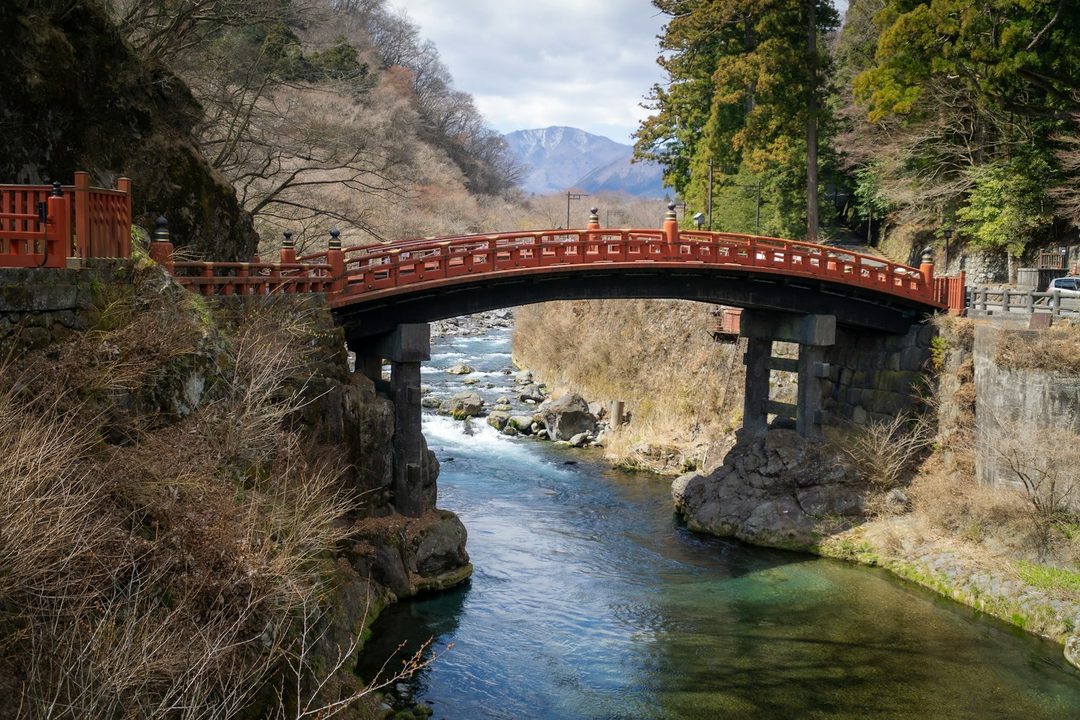
A mystical mountain retreat: ornate shogunate shrines, plunging waterfalls, and serene alpine lakes.
- Best time to visit: October to November
- Daily budget (budget traveller): $65 to $170 USD
- Ideal trip length: 1 to 2 days
Nestled in the misty mountains of Tochigi Prefecture, Nikko offers a striking contrast to the neon-lit frenzy of Tokyo. While the capital dazzles with its futuristic skyline, this alpine town is defined by its lavishly decorated UNESCO World Heritage shrines and breathtaking natural landscapes. In the 17th century, Nikko was chosen as the final resting place of Tokugawa Ieyasu, the founder of the Tokugawa shogunate, sparking a golden age of elaborate architectural construction. Today, that legacy is visible in the gold-leaf facades and intricate wood carvings of Toshogu Shrine. For the solo traveller, Nikko is an immensely rewarding destination that feels simultaneously historic and deeply spiritual, complete with plunging waterfalls, serene lakes, and traditional yuba delicacies. Whether visited as a packed day trip from Tokyo or a slower overnight escape, Nikko delivers an unforgettable immersion into Japan's cultural and natural heritage.
Nestled in the misty mountains of Tochigi Prefecture, Nikko offers a striking contrast to the neon-lit frenzy of Tokyo. While the capital dazzles with its futuristic skyline, this alpine town is defined by its lavishly decorated UNESCO World Heritage shrines and breathtaking natural landscapes. In the 17th century, Nikko was chosen as the final resting place of Tokugawa Ieyasu, the founder of the Tokugawa shogunate, sparking a golden age of elaborate architectural construction. Today, that legacy is visible in the gold-leaf facades, intricate wood carvings, and monumental gates of Toshogu Shrine, earning the area its well-deserved World Heritage status.
For the solo traveller, Nikko is an immensely walkable and rewarding destination that feels simultaneously historic and deeply spiritual. The town is split into two distinct zones: the lower cultural hub of shrines and temples, and the elevated Okunikko region, accessible via a winding mountain road. You can spend your morning delving into the rich samurai history of the Tokugawa clan, enjoy a delicate lunch of local yuba (tofu skin), and spend the afternoon riding a 100-metre elevator down to the base of the spectacular Kegon Falls to feel the mist of the plunging water.
Beyond the immediate shrine complex, the surrounding Okunikko region offers tranquil escapes into dense alpine forests and expansive waterways. Lake Chuzenji, formed by a volcanic eruption thousands of years ago, provides a serene backdrop for hiking and boat cruises, while the nearby hot spring town of Kinugawa offers a tangible step back into traditional Japanese relaxation. Whether you arrive via the sleek new Spacia X limited express train or take the local Tobu railway, Nikko promises a deeply authentic, visually stunning, and culturally rich Japanese escape without the overwhelming urban sprawl.
Nikko itinerary
Arrival and the Sacred Bridge
Morning: Arrive at Tobu-Nikko Station and drop your bags. Start your exploration with a walk up the main street, stopping to admire the iconic vermilion Shinkyo Bridge arching over the river.
Afternoon: Visit the serene Rinno-ji Temple, Nikko's most important Buddhist site, and admire its gold-lacquered statues.
Evening: Enjoy a relaxed welcome dinner of hot soba noodles and local sake at a traditional tavern near the station.
The Shogunate's Glory
Morning: Head into the forest to marvel at Toshogu Shrine. Spend the morning exploring the lavishly decorated mausoleum of Tokugawa Ieyasu, spotting the famous 'see no evil' monkeys.
Afternoon: Continue to the nearby Futarasan Shrine, enjoying the peaceful, lantern-lined forest paths that offer a quieter, more spiritual atmosphere.
Evening: Grab a matcha latte or a craft beer in the central town, soaking up the quiet mountain atmosphere as the day-trippers depart.
Waterfalls and Alpine Lakes
Morning: Take the bus up the winding Irohazaka road to the Okunikko region. Ride the 100-metre elevator down to the base of Kegon Falls to feel the spray of the 97-metre drop.
Afternoon: Take a peaceful stroll along the shores of Lake Chuzenji. In summer, you can relax on the sightseeing cruise boats that glide across the volcanic waters.
Evening: Dine in the Chuzenji Onsen area, enjoying fresh local river trout or a hearty bowl of ramen.
Hiking the Marshlands
Morning: Catch a bus further into the Okunikko mountains to the Senjogahara Marshland. Spend the morning hiking the flat, elevated wooden boardwalks surrounded by alpine flora.
Afternoon: Follow the trail down to the cascading waters of Ryuzu Falls, which resemble the head of a dragon plunging into the river basin.
Evening: Head back to central Nikko and treat yourself to a dinner of delicate, protein-rich yuba (tofu skin) specialties.
The Abyss and Imperial History
Morning: Walk along the Daiya River to the Kanmangafuchi Abyss. Count the mysterious stone Jizo statues lining the gorge, enjoying the tranquil, mossy environment.
Afternoon: Visit the Nikko Tamozawa Imperial Villa Memorial Park, exploring the elegant wooden architecture that blends Edo and Meiji period design.
Evening: Enjoy a casual dinner at a bustling local izakaya, mingling with locals and trying crispy wagyu beef croquettes.
Day Trip to Kinugawa Onsen
Morning: Take a regional train to the nearby hot spring resort town of Kinugawa Onsen. Spend the morning relaxing in a traditional thermal bath overlooking the river gorge.
Afternoon: Continue onwards to the Edo Wonderland theme park to step back in time, watching ninja performances and exploring the recreated samurai town.
Evening: Return to Nikko for your final evening. Have a farewell drink at a cosy pub, reflecting on your mountain journey.
Market Mornings and Departure
Morning: Visit the local shops along the main street to pick up some last-minute souvenirs, like traditional wooden crafts, local honey, or matcha sweets.
Afternoon: Enjoy a leisurely final lunch of Nikko shaved ice (kakigori) topped with fresh Tochigi strawberries at a pavement cafe.
Evening: Collect your luggage and take the sleek Spacia X limited express train straight back to Tokyo's Asakusa Station for your onward travels.
Best neighbourhoods
- Central Nikko (Shrine Area): The historic heart of the town, packed with UNESCO-listed shrines, temples, and traditional restaurants serving local yuba dishes.
- Lake Chuzenji & Okunikko: A tranquil, elevated alpine region accessible via a winding mountain road, renowned for its sweeping lake views, waterfalls, and hiking trails.
- Kinugawa Onsen: A bustling hot spring resort town situated along the Kinugawa River, offering traditional ryokan stays and relaxing thermal baths.
Must-do experiences
- Marvel at Toshogu Shrine: Explore the lavishly decorated mausoleum of Tokugawa Ieyasu, featuring intricate wood carvings like the famous 'see no evil' monkeys.
- Feel the spray of Kegon Falls: Take the 100-metre elevator down to the base of this spectacular 97-metre waterfall, one of Japan's most famous natural wonders.
- Stroll around Lake Chuzenji: Walk the peaceful shores of this scenic alpine lake, created by a volcanic eruption thousands of years ago, sitting at the foot of Mount Nantai.
- Cross the sacred Shinkyo Bridge: Admire this iconic vermilion bridge arching gracefully over the Daiya River, marking the traditional entrance to Nikko's sacred shrines.
- Wander the Kanmangafuchi Abyss: Walk along a picturesque riverside gorge lined with dozens of stone Jizo statues, known for mysteriously changing in number when counted.
- Visit the serene Rinno-ji Temple: Discover Nikko's most important Buddhist temple, home to three magnificent gold-lacquered wooden statues representing the mountain deities.
Hidden gems
- The peaceful, cascading waters of Ryuzu Falls, which resemble the head of a dragon plunging into the river basin
- The atmospheric, moss-covered stone lanterns lining the approach to Futarasan Shrine
- The sweeping panoramic views of the Okunikko region from the Hangetsuyama Observation Deck
- The quiet, historic imperial villa of Tamozawa, blending Edo and Meiji period architecture
Daily budget
- Accommodation: budget ¥4,000 to ¥7,000 / night (social hostel dorm or basic guesthouse), mid-range ¥12,000 to ¥25,000 (comfortable business hotel or basic ryokan), splurge ¥40,000+ per person (luxury traditional ryokan with private hot spring baths). Prices spike significantly during the autumn foliage season, making early booking essential for solo travellers.
- Food: budget ¥3,000 to ¥5,000 / day (convenience store snacks, local street food, cheap soba noodles), mid-range ¥6,000 to ¥10,000 (sit-down lunch of yuba delicacies, specialty matcha, and a nice dinner), splurge ¥15,000+ (multi-course kaiseki dinners and premium Tochigi wagyu beef). Look out for small, family-run soba shops near the stations for incredible value midday meals.
- Transport: budget ¥1,000 to ¥3,000 / day (walking and local buses using the World Heritage Pass), mid-range ¥4,000 to ¥8,000 (using the All Area Pass and paying limited express train surcharges), splurge ¥15,000+ (relying entirely on private taxis to navigate the mountain roads). The ¥8,000 All Area Pass is essential if you plan to visit Lake Chuzenji and Kegon Falls.
- Activities: budget ¥0 to ¥1,000 (free hiking trails, Shinkyo Bridge viewing, Kanmangafuchi Abyss), mid-range ¥1,500 to ¥4,000 (Toshogu Shrine entry ¥1,600, Kegon Falls elevator ¥600), splurge ¥10,000+ (guided private walking tours or entry to the Edo Wonderland theme park). Many of the best natural sights in Nikko, including the upper viewing deck of Kegon Falls, are completely free to admire.
- Drinks & nightlife: budget ¥1,000 to ¥2,000 (supermarket local beers or a quick coffee), mid-range ¥3,000 to ¥6,000 (several pints of local craft beer or sake tasting), splurge ¥10,000+ (premium local sake flights at upscale hotel bars). Nikko is a quiet mountain town with very little nightlife; most visitors relax in their ryokan after dark.
Where to stay
- Social hostel in Central Nikko / Station Area (¥4,000 to ¥7,000 / night): Centrally located with easy access to the train stations and buses, offering clean dorms, communal kitchens, and a great atmosphere for meeting other solo backpackers.
- Boutique hotel in Main Street / Shrine Approach (¥12,000 to ¥20,000 / night): Stylish, modern properties provide chic social spaces, fast Wi-Fi, and a comfortable base perfect for solo travellers wanting easy walking access to the sacred bridge.
- Ryokan in Kinugawa Onsen (¥20,000 to ¥35,000 / night): Traditional Japanese inns offering tatami mat rooms, elaborate kaiseki dinners, and relaxing hot spring baths, ideal for independent travellers seeking cultural immersion.
- Splurge in Lake Chuzenji (¥40,000 to ¥60,000+ / night): Elegant historic hotels like the Chuzenji Kanaya Hotel feature beautifully restored interiors, log cabins, and luxurious French-Japanese dining just steps from the water.
What to eat
- Yuba: delicate, protein-rich tofu skin served in various ways, from fresh sashimi-style to rolled up in hot soba noodle soup
- Nikko Kakigori: fluffy, mountain-spring shaved ice topped with natural fruit syrups, particularly local Tochigi strawberries
- Wagyu Beef Croquettes: crispy, golden-fried potato patties filled with savoury minced local beef, perfect for a quick street food snack
- Soba: handmade buckwheat noodles served chilled with a dipping sauce or hot in a savoury broth, a staple of the mountainous region
Day trips
- Edo Wonderland (40 minutes by train and bus): A sprawling cultural theme park in Kinugawa that recreates a 17th-century Japanese town, complete with ninja shows, samurai experiences, and traditional architecture. Take the Tobu Kinugawa Line to Kinugawa-Onsen Station, then hop on the local bus directly to the park entrance.
- Utsunomiya (45 minutes by train): The capital of Tochigi Prefecture, famous across Japan for its incredible gyoza (pan-fried dumplings) and lively urban dining scene. Take the local JR Nikko Line directly from JR Nikko Station to Utsunomiya Station.
- Oya History Museum (1.5 hours by train and bus): A massive, atmospheric underground stone quarry near Utsunomiya that resembles an ancient subterranean temple, often used as a film set. Take the JR Nikko Line to Utsunomiya, then transfer to a local Kanto bus bound for Oya.
When to visit
- Spring (April to June): 10 to 20°C, gradually warming with bright skies and occasional showers. Crowds: Low to moderate, picking up slightly in early May. A lovely time to witness the mountain cherry blossoms blooming, though evenings remain crisp enough to require a warm jacket.
- Summer (July to August): 18 to 25°C, pleasantly warm and humid, perfect for escaping Tokyo's heat. Crowds: Moderate, as locals take to the lakes and hiking trails. The absolute best season for clear views, hiking around the lakes, and enjoying lush green alpine scenery.
- Autumn (September to November): 8 to 18°C, cooling rapidly with spectacular golden and red foliage. Crowds: Very high, requiring advance bookings for trains and hotels. Highly atmospheric for witnessing some of Japan's most spectacular autumn foliage, provided you prepare for crowded buses.
- Winter (December to March): -5 to 5°C, very cold with frequent snow and icy paths. Crowds: Very low, offering a peaceful and unhurried solo experience. Beautiful under a blanket of snow, but the biting cold requires serious thermal clothing and some Okunikko transport services are suspended.
Entry rules for your passport
Visa rules for Japan depend on the passport you travel on. Check the official source before you book: Japan Ministry of Foreign Affairs
Getting there
Nikko is well connected and easy to reach from Tokyo. The most popular route is via the Tobu Railway from Asakusa Station. The sleek limited express trains, such as the Spacia X and Revaty, take about two hours to reach Tobu-Nikko Station. While a basic fare is covered by the Tobu Nikko passes, these fast trains require a separate seat reservation surcharge of around ¥1,500 to ¥2,000. If you are travelling with a Japan Rail (JR) Pass, you can take the JR Tohoku Shinkansen from Tokyo or Ueno to Utsunomiya (about 50 minutes), and then transfer to the local JR Nikko Line for another 45 minutes to JR Nikko Station, which sits right next to the Tobu station.
Getting around
Nikko is split into two main areas: the central shrine complex and the elevated Okunikko region. The shrines are a 30-minute uphill walk or a short bus ride from Tobu-Nikko Station. To reach Lake Chuzenji and Kegon Falls, you must take a 50-minute bus ride up the winding Irohazaka road. The most cost-effective way to travel is by purchasing a Tobu Nikko Pass. The ¥3,000 World Heritage Area Pass covers the central shrines, while the ¥8,000 All Area Pass includes the buses up to Okunikko. Note that limited express trains from Tokyo require a separate surcharge.
Safety
Nikko is incredibly safe for solo travellers, boasting low crime rates and a welcoming atmosphere. You can comfortably walk around the central areas during the day. The main hazards are environmental, as the mountain weather can change rapidly, and winter brings heavy snow and icy paths. Pack shoes with sturdy rubber grip. When taking the bus up the winding Irohazaka road, those prone to motion sickness should prepare accordingly. Be aware that bears occasionally roam the deeper Okunikko hiking trails; carrying a bear bell is advised if trekking far from the main sights.
Solo travel tips
- Buy the right Tobu pass: The Tobu Nikko Pass is the cheapest and easiest way to get around. Choose the ¥3,000 World Heritage Area Pass for the shrines, or the ¥8,000 All Area Pass if you plan to take the expensive buses up to Lake Chuzenji.
- Book limited express trains early: While the passes cover basic train fares, riding the comfortable Spacia X or Revaty limited express trains from Tokyo requires a separate surcharge and a reserved seat, which often sell out during autumn.
- Start your day early: Nikko is a hugely popular day-trip destination. Arriving at Toshogu Shrine right when it opens at 9:00 AM allows you to experience the intricate architecture without the overwhelming mid-day crowds.
- Pack layers for the mountains: The Okunikko region, including Lake Chuzenji, sits at a much higher elevation than central Nikko. Temperatures can be significantly cooler, so pack a versatile windproof jacket even in summer.
- Bring cash for smaller shrines: While major stations and convenience stores accept IC cards and credit cards, smaller shrines, local buses, and traditional food stalls still operate heavily on cash. Keep plenty of ¥1,000 notes handy.
- Watch out for the monkeys: Wild macaques roam the Okunikko area, particularly around the Irohazaka road and the waterfalls. Keep your distance, do not feed them, and avoid eating snacks openly while walking on the trails.
Cultural etiquette
- Always bow slightly when greeting shopkeepers, hotel staff, and shrine attendants as a sign of respect.
- Remove your outdoor shoes immediately when entering a traditional ryokan, a temple hall, or a private home, switching to the provided slippers.
- Tipping is not practiced in Japan and can cause confusion. Excellent service is simply part of the standard hospitality culture.
- Avoid loud phone conversations on the limited express trains and local buses, as locals generally prefer a quiet and respectful commute.
- When visiting shrines, purify your hands and mouth at the chozuya water pavilion before approaching the main hall to pray.
- Dress conservatively when visiting the sacred World Heritage sites, ensuring your shoulders and knees are covered out of respect.
- Do not walk and eat at the same time. If you buy street food like wagyu croquettes, stand near the stall to finish it before moving on.
Frequently asked questions
How do I get to Nikko from Tokyo?
The fastest and most comfortable way is by the Tobu Railway limited express (Spacia X or Revaty) from Asakusa, which takes about two hours. JR pass holders can take the Tohoku Shinkansen to Utsunomiya and transfer to the JR Nikko Line.
Is one day enough for Nikko?
One day is enough if you focus solely on the central shrines or do a rushed tour of the shrines and Kegon Falls. For a relaxed solo trip covering both the World Heritage area and the Okunikko lakes, two days are ideal.
When is the best time of year to visit Nikko?
Autumn (October to November) is spectacular for vibrant foliage, though it draws heavy crowds. Spring offers pleasant weather and cherry blossoms, while summer provides a cool escape from Tokyo's intense heat and humidity.
Which Tobu Nikko Pass should I buy?
If you are only visiting the central shrines, the ¥3,000 World Heritage Area Pass is sufficient. If you plan to take the bus up to Lake Chuzenji and Kegon Falls, you will need the ¥8,000 All Area Pass to cover the expensive bus fares.
Is Nikko safe for solo travellers?
Nikko is very safe, with negligible violent crime. Solo travellers can explore the shrines and nature trails comfortably. As always, practice basic common sense, and carry a bear bell if hiking in the remote Okunikko areas.
What is the primary language spoken?
Japanese is the official language. English signage is common around the main tourist sites, train stations, and bus stops, making it relatively easy for solo tourists to navigate without speaking Japanese.
How much does it cost to enter Toshogu Shrine?
As of 2026, the standard adult admission fee for Toshogu Shrine is ¥1,600. This grants access to the main complex, including the famous wood carvings. A combo ticket including the Treasure Museum is available for ¥2,400.
What entry rules apply to travellers visiting Japan in 2026?
For short visits up to 90 days, citizens of the UK, US, Canada, and Australia can enter Japan visa-free. While the new JESTA electronic travel authorisation law was passed in May 2026, the system will not launch until 2028 at the earliest, meaning no pre-arrival authorisation is required in 2026. Note that the departure tax increased to ¥3,000 in July 2026.
More about Nikko
- Tokyo for First-Time Visitors: 5-Day Guide With Hidden Gems
- Japanese Culture and Etiquette: A Situation-by-Situation Guide
- Cultural Etiquette in Japan: Quick Do's and Don'ts for First-Timers
Tours and activities in Nikko | Nikko in 2 days | Nikko in 3 days | Nikko in 4 days | Nikko in 5 days | Nikko in 7 days
Can't decide? Compare Nikko with...
Joy Plus home | Destinations | Itineraries | Activities | Flights | Budget planner | Calendar | Map | Blog | Lifetime access