Destinations / Asia
Okinawa (Naha), Japan travel guide
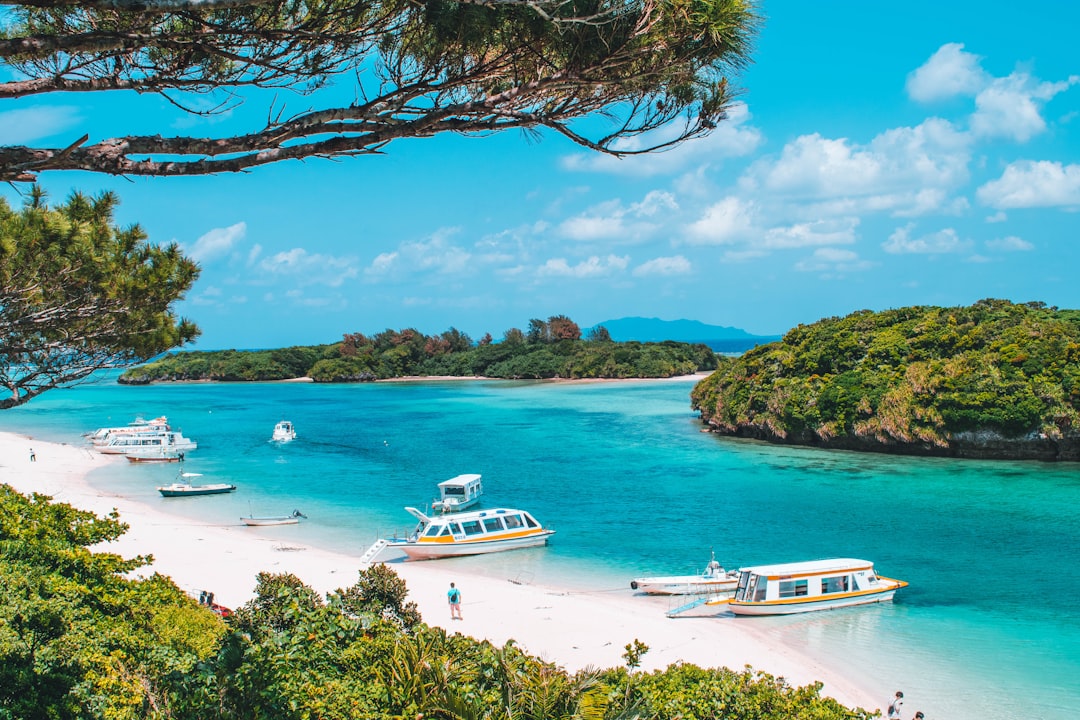
Japan's tropical south: coral reefs, turquoise seas, Ryukyu castles and a food culture unlike anywhere in the country.
- Best time to visit: April-June, September-November
- Daily budget (budget traveller): $90 to $170 USD
- Ideal trip length: 4 to 6 days
Okinawa is Japan with the volume turned down and the colour turned up: a subtropical archipelago of white-sand beaches, coral reefs and jungle-covered hills, ruled for centuries as the independent Ryukyu Kingdom. The main island mixes Naha's lively markets and castle ruins with world-class diving, and the outer islands, Kerama, Miyako, Ishigaki, offer some of Asia's clearest water.
Okinawa does not feel like the rest of Japan, and the locals will tell you so. For 450 years this was the Ryukyu Kingdom, a trading state with its own language, court music, textiles and cuisine, annexed by Tokyo only in 1879. You can still see it. Shisa lion-dogs grin from every rooftop, the pork-and-brown-sugar cooking has more in common with Fujian than Kyoto, and the pace is a few notches slower. People say "uchinanchu" for themselves and "yamatonchu" for mainlanders, and they say it with a smile. Add 28°C water, mangrove rivers and a population famous for living to 100, and you get the best argument in Japan for putting your phone away.
The geography is simple once you stop thinking of it as one place. The main island is about 110km long, with Naha, the old castle at Shuri and the war memorials in the south, the beach resorts of Chatan and Onna along the central west coast, and the Churaumi Aquarium, Kouri Island and the jungle of Yanbaru in the north. Naha is easy on the Yui Rail monorail. Everything else is easier with a car. The Kerama Islands, 35 to 50 minutes by fast ferry from Tomari Port, have some of the clearest water in Asia, and Miyako and Ishigaki sit a short flight away. The history here has weight too. The 1945 Battle of Okinawa killed roughly a quarter of the civilian population, and US bases still occupy about 15% of the main island. Shuri Castle's main hall burned in 2019 and is being rebuilt, with reopening targeted for autumn 2026.
Budget around ¥9,000-14,000 a day if you are sleeping in guesthouses and eating teishoku set meals, and ¥28,000-45,000 if you want a nice hotel, a rental car and a proper dive day. The sea is swimmable from late April to October, but typhoon season (June to October) and the early-summer rains can wreck a rigid schedule, so build one spare day into any trip and book flights with flexibility. This guide splits the island into three bases, Naha, the central coast and the north, so you spend your time in the water and at the table rather than on Route 58.
How many days in Okinawa (Naha)?
For Okinawa (Naha), we recommend 4 to 6 days. With more time, add a day trip to Nanjo and the south coast or Yanbaru and Cape Hedo.
| Trip length | What you'll see | Itinerary |
|---|---|---|
| 2 days | Kokusai-dori and Makishi market; Shuri Castle and Tsuboya pottery | Okinawa (Naha) in 2 days |
| 3 days | Adds: Kerama Islands day trip | Okinawa (Naha) in 3 days |
| 4 days · Recommended | Adds: South coast: Sefa-utaki and the Peace Memorial | Okinawa (Naha) in 4 days |
| 5 days · Recommended | Adds: Yomitan, Blue Cave and Cape Manzamo | Okinawa (Naha) in 5 days |
| 7 days | Adds: North: Churaumi, Kouri and Nakijin; Drive back, souvenirs | Okinawa (Naha) in 7 days |
Okinawa (Naha) itinerary
Arrive, Kokusai-dori and Makishi market
Morning: Land at Naha (OKA). Yui Rail from Naha Airport to Kencho-mae (about 12 min, ~¥300). Drop bags, coffee on Ukishima-dori.
Afternoon: Walk the 1.6km of Kokusai-dori, then dive into the covered arcades around Makishi Public Market. Buy fish downstairs and have it cooked upstairs for a small fee.
Evening: Dinner at Yunangi for home-style Okinawan set meals, then Sakaemachi's izakaya alleys or live Ryukyu music at Chakra. Orion beer, awamori, early bed.
Shuri Castle and Tsuboya pottery
Morning: Yui Rail to Shuri (about 27 min from the airport). Walk the castle grounds from 8:30am. Entry is ¥1,000 (¥400 until the rebuilt main hall opens on 23 November 2026), and going inside the main hall needs a timed ticket reserved in advance. The main hall burned in 2019.
Afternoon: Lunch at Shuri Soba, which sells out by mid-afternoon. Walk the stone-paved Kinjo-cho road to Tsuboya Yachimun Street and browse the kilns.
Evening: Sunset at Naminoue Shrine on the cliff, then taco rice or a Jef Burger for a cheap, local dinner.
Kerama Islands day trip
Morning: Be at Tomari Port by 8:30am for the fast ferry to Zamami (about 50 min, roughly ¥3,500 one way). Taxi or walk to Furuzamami Beach.
Afternoon: Snorkel with turtles and reef fish. Lunch at a beachside shack, then ferry back around 4:30pm.
Evening: Hot shower, awamori and tacos near the hotel. Sleep early.
South coast: Sefa-utaki and the Peace Memorial
Morning: Pick up a rental car on the edge of Naha (bring your International Driving Permit). Drive to Nanjo, visit Sefa-utaki, the most sacred site of the Ryukyu religion (about ¥300).
Afternoon: Lunch at Cafe Kufuu overlooking the sea, then Peace Memorial Park in Itoman and the Peace Memorial Museum (about ¥450).
Evening: Drive north to Chatan. Sunset at Sunset Beach, dinner at American Village, and an Orion on the beach.
Yomitan, Blue Cave and Cape Manzamo
Morning: Browse Yachimun no Sato's climbing kilns in Yomitan. Then drive to Cape Maeda for a morning Blue Cave snorkel (¥6,000-9,000 with gear).
Afternoon: Lunch in Onna, then walk the cliff path at Cape Manzamo for the elephant-trunk rock. Beach hour at Onna's public beaches.
Evening: Check in to your Onna or Motobu stay. Dinner on the resort strip or at a local izakaya.
North: Churaumi, Kouri and Nakijin
Morning: Churaumi Aquarium at 8:30am opening to beat the tour buses (about ¥2,180). Catch the whale shark feeding talk, then walk the Emerald Beach path.
Afternoon: Lunch at Kishimoto Shokudo for wood-fired Okinawa soba (open since 1905, arrive before 2pm). Then Nakijin Castle ruins and the Kouri Island bridge.
Evening: Sunset at Kouri Beach, then dinner in Nago or back at the hotel.
Drive back, souvenirs, depart
Morning: Drive south on the Okinawa Expressway (about ¥2,000 in tolls from Nago). Stop for a last Blue Seal ice cream.
Afternoon: Refuel, return the car at the airport, and buy chinsuko biscuits and beni-imo (purple sweet potato) tarts from the Okashi Goten counter.
Evening: Flight home or onward to Miyako or Ishigaki. Allow a full 2 hours before departure.
Best neighbourhoods
- Naha & Kokusai-dori: The capital's market street, food scene and monorail spine.
- Shuri: The hilltop castle district of the old Ryukyu Kingdom.
- Chatan (American Village): The central coast's sunset dining and entertainment strip.
- Onna Village: The resort coast of beaches, Blue Cave snorkelling and capes.
- Motobu & the North: Churaumi Aquarium, Kouri Island and quiet northern beaches.
Must-do experiences
- Snorkel or dive the Kerama Islands: Day-trip from Naha to 'Kerama Blue' coral water.
- Churaumi Aquarium: See whale sharks in one of the world's largest tanks.
- Shuri Castle & Ryukyu heritage: See the seat of the Ryukyu kings: the main hall, burned in 2019 and rebuilt, reopens on 23 November 2026, and its interior needs a timed ticket reserved in advance.
- Blue Cave snorkelling at Cape Maeda: Swim into the famous glowing cavern off the Onna coast.
Hidden gems
- The outer islands, Miyako and Ishigaki rival the Maldives for water colour.
- Yachimun pottery village's climbing kilns in Yomitan.
- Kouri Island's heart-shaped rocks and turquoise bridge crossing.
- The Peace Memorial at Itoman, a moving account of the 1945 battle.
Daily budget
- Accommodation: budget ¥3,000-5,500 / night (hostel dorm or guesthouse), mid-range ¥10,000-18,000 (business or boutique double), splurge ¥60,000+ (Halekulani Okinawa, Hoshinoya Okinawa). Naha business hotels like Hotel JAL City Naha are the best value. Beachfront resort prices double in July, August and Golden Week.
- Food: budget ¥3,000-4,500 / day (teishoku, konbini onigiri, soba), mid-range ¥6,000-10,000 (izakaya dinner, Ryukyu cuisine), splurge ¥20,000+ (agu pork course, resort dining). Lunch set meals (teishoku) are ¥800-1,200. A bowl of Okinawa soba is ¥700-1,000. Dinner is where the bill grows.
- Transport: budget ¥800 / day (Yui Rail day pass, Naha only), mid-range ¥6,000-9,000 (compact rental car, fuel and tolls), splurge ¥30,000+ (chartered taxi or private driver day). Rent a car only for the days you leave Naha, parking in the city is ¥1,000-2,000 a night. Naha Airport to Naha centre by monorail is about ¥300.
- Activities: budget ¥1,000-3,000 / day (Shuri Castle park, free beaches, Peace Memorial), mid-range ¥8,000-15,000 (Kerama ferry and snorkelling, Churaumi Aquarium), splurge ¥20,000+ (two-dive guided day, private boat, whale watching in winter). Churaumi is about ¥2,180 and drops to roughly ¥1,500 after 4pm. Blue Cave snorkel tours run ¥6,000-9,000 with gear.
- Drinks & nightlife: budget ¥1,000-1,500 (konbini Orion beer, awamori highball), mid-range ¥3,000-5,000 (izakaya with live sanshin), splurge ¥10,000+ (cocktail bar plus late night in Naha). Orion draft is ¥500-700 in izakaya. Many places charge a ¥300-500 seat fee, which includes a small starter.
Where to stay
- Social hostel in Naha (Kokusai-dori / Asahibashi) (¥3,000-5,500 / night): Guest House Umikaji or one of the guesthouses near Asahibashi Station. Monorail access, mixed and women-only dorms, easy to reach Makishi and the airport.
- Boutique hotel in Naha (Kumoji / Kokusai-dori edge) (¥12,000-22,000 / night): Hotel Collective or Okinawa NaHaNa Hotel, design-led rooms, rooftop views, and a short walk to Kokusai-dori without the noise.
- Apartment in Chatan / Mihama (¥9,000-16,000 / night): Condo-style units with a kitchen and washing machine near American Village, easy sunsets and cheap supermarket dinners. Best for 4+ nights and a rental car.
- Splurge in Onna Village / Yomitan (¥60,000-130,000 / night): Halekulani Okinawa (Onna) or Hoshinoya Okinawa (Yomitan), private beach frontage, infinity pools and Ryukyu-inspired spa rooms. Book 3 months ahead in peak season.
What to eat
- Okinawa soba, thick wheat noodles with pork ribs
- Goya champuru, the bitter-melon stir-fry of longevity fame
- Taco rice in its birthplace, Kin Town
- Sea grapes (umi-budo) and fresh mahi at Makishi market
Day trips
- Kerama Islands (Zamami and Aka) (35-50 min by fast ferry from Tomari Port): Kerama Blue water, sea turtles at Furuzamami Beach and soft white sand. Zamami has the most visitors, and Aka is quieter. Whale watching tours run January to March. Fast ferry Queen Zamami from Tomari Port, about ¥3,500 one way. Book ahead on weekends and in summer. Slow ferries are cheaper but take about 2 hours.
- Nanjo and the south coast (45-60 min drive from Naha): Sefa-utaki, Ryukyu's holiest site, the cliff-top Cafe Kufuu, Gyokusendo cave in Okinawa World, and the Peace Memorial Park in Itoman. Drive from Naha on Route 331 and 329. Local buses from Naha Bus Terminal reach Nanjo in about an hour but are infrequent.
- Yanbaru and Cape Hedo (2h30 drive from Naha): Okinawa's northern jungle, a national park since 2016. Hiji Falls, the Cape Hedo cliffs and rare birds like the Okinawa rail. Best as an overnight from Motobu or Nago. Drive the Okinawa Expressway to Nago, then Route 58 north. Limited buses run to Hedo, a car is strongly recommended.
When to visit
- Spring (April - June): 22-29°C, sea 23-27°C, rainy season (tsuyu) from mid-May to late June. Crowds: Heavy in Golden Week (29 Apr - 5 May), light otherwise. April to early May is the sweet spot: warm, swimmable and dry. Avoid Golden Week prices. June is humid and grey but cheap, and the rain is often short.
- Summer (July - August): 30-34°C, sea 28-30°C, strong sun, typhoon risk rising. Crowds: Peak, Japanese school holidays, resorts full. The clearest, warmest water and the highest prices. Great for diving, brutal for walking Naha at midday. Keep a spare day for typhoon delays.
- Autumn (September - November): 25-30°C in Sept, cooling to 22-25°C in Nov, sea still 25-28°C. Crowds: Moderate, quiet after mid-October. The locals' favourite window. September can still bring typhoons, but October and November give warm water, dry days and cheaper rooms.
- Winter (December - March): 15-20°C, windy, sea 21-23°C, often overcast. Crowds: Low, with a bump at New Year. Too cool for beach days without a wetsuit, but good for castles, markets and onsen. Humpback whale watching runs January to March, and cherry blossoms bloom in Nago in late January.
Entry rules for your passport
Visa rules for Japan depend on the passport you travel on. Check the official source before you book: Japan Ministry of Foreign Affairs
Getting there
Naha Airport (OKA) is 4km from the centre and has direct flights from Tokyo Haneda and Narita (about 2h40), Osaka Kansai (about 2h), Fukuoka (1h30), Seoul, Taipei, Hong Kong and Shanghai. Domestic one-way fares on ANA, JAL, Peach, Jetstar and Skymark run ¥8,000-25,000 depending on season. The Yui Rail monorail runs from the airport to Shuri, with Kencho-mae (Kokusai-dori) about 12 minutes and ¥300 away, and trains run roughly 6am to 11:30pm. A taxi to Kokusai-dori costs around ¥1,800. Rental car desks have free shuttles from the terminal, a 10-minute ride. Highway buses to the resort coast and the aquarium leave from the airport and Naha Bus Terminal, but a car is faster. If you are island-hopping, Miyako and Ishigaki are 50 to 60 minutes by plane from Naha.
Getting around
Fly into Naha from Tokyo, Osaka or Seoul, about 2.5 hours from Tokyo. Naha's Yui Rail monorail covers the city from the airport to Shuri. Beyond Naha a rental car is near-essential: express buses exist but are slow, and driving is easy on the left. Kerama day boats leave from Tomari Port; ferries and short flights reach Miyako, Ishigaki and the Yaeyamas.
Safety
Okinawa is very safe, with low crime and friendly norms; the main risks are environmental. Typhoon season runs June to October and can ground flights, rip currents affect some beaches so swim at lifeguarded spots, and habu snakes and habu jellyfish exist though encounters are rare. Sun is fierce year-round, and coral cuts should be cleaned promptly.
Solo travel tips
- Eat at the counter: Most soba shops, izakaya and teishoku joints have counter seats and picture menus. Solo diners are normal, and you'll often get a chat with the owner. Order the set meal (teishoku) at lunch to get soup, pickles and rice for ¥800-1,200.
- Rent the car only for the days you need it: Stay in Naha for your first three nights using the Yui Rail and walking, then rent a car for the coast and north. A compact Toyota from Times, Toyota Rent a Car or local OTS runs ¥5,000-8,000 a day, and parking in the city adds ¥1,000-2,000. You will need an International Driving Permit (Geneva 1949) plus your home licence.
- Hostel pick: Kokusai-dori and Asahibashi guesthouses: The small guesthouses around Asahibashi and Kokusai-dori are the best for meeting other solos, with common rooms, shared kitchens and staff who know where to eat. Dorms are ¥3,000-5,500. Book at least a month ahead for Golden Week.
- Join small-group snorkel and dive trips: Kerama tours from Tomari Port and Blue Cave tours from Onna take groups of 6 to 10 and are the easiest way to meet people. Many shops have English-speaking guides, and solos get the same price as couples. Skip the big-boat tours with 40 people.
- Solo female travellers: Okinawa is very safe for women travelling alone. Standard rules apply: drinks supervised in Kokusai-dori bars, taxis via the GO app or from marked ranks at night, and avoid empty beaches after dark. Bring a rash guard, as sun and jellyfish are bigger threats than people.
- Use konbini as a lifeline: FamilyMart, Lawson and 7-Eleven sell fresh onigiri, Okinawa-style pork sandwiches, cold coffee and ATMs that accept foreign cards. They are also the best place to restock water and sunscreen on a long drive. Prices are ¥150-500 per item.
Cultural etiquette
- Take your shoes off in homes, guesthouses, tatami restaurants and temples. Look for the raised floor or the shoe rack at the door.
- Don't tip. It confuses staff. Pay at the register on your way out, and say "gochisosama" when you leave.
- Treat utaki sacred sites like Sefa-utaki as places of worship. Stay on marked paths, keep voices low and never take stones or plants.
- Respect the war memorials. At Himeyuri, the Peace Memorial and Okinawa's caves (ガマ), dress modestly, don't take selfies at memorial walls and keep quiet.
- Don't touch or stand on coral, and don't take shells or starfish. Use reef-safe sunscreen and a rash guard to protect both you and the reef.
- Cover tattoos at hotel pools and onsen, or ask first. Many places restrict visible tattoos, and rash guards help at beaches.
- Don't photograph US military installations. Base gates and fences are sensitive, and guards will ask you to delete photos.
Frequently asked questions
Is Okinawa worth visiting?
Yes, especially if you want beaches and diving on a Japan trip. Okinawa combines coral reefs and turquoise water with a distinct Ryukyu culture, castles and food you won't find on the mainland. Four to six days on the main island, or more with outer islands, makes a complete trip.
How many days do you need in Okinawa?
Four to six days for the main island: two in Naha and Shuri, one or two for the central and northern coasts including the Churaumi Aquarium, and one for a Kerama Islands boat trip. Add three or more days each for Miyakojima or Ishigaki if you want the best beaches.
When is the best time to visit Okinawa?
April to June and September to November, with 24 to 30°C, swimmable seas and fewer crowds. July and August are peak season, hot and busy. Typhoons are most likely from June to October, and winter is mild at 15 to 20°C, good for sightseeing but cool for swimming without a wetsuit.
Do you need a car in Okinawa?
For the main island beyond Naha, yes, it's the practical choice. Naha itself is covered by the Yui Rail monorail and buses, but the best beaches, capes and the aquarium are one to two hours north with infrequent buses. Driving is easy, roads are good, and rental cars are affordable.
Is Okinawa expensive?
It's moderate, cheaper than Tokyo for food and similar for hotels. Budget $90 to $170 a day: guesthouses and business hotels run $40 to $90, meals $8 to $15, and car hire from about $35 a day. Beach resorts and outer-island flights in peak season push costs up.
Can you swim in Okinawa in winter?
Hardy swimmers can, but most people don't: sea temperatures drop to about 21°C from December to February and air temperatures hover around 17 to 20°C. The season proper runs April to October, with the clearest water and calmest conditions typically in May, June, September and October.
Okinawa or Hawaii: which is better?
They scratch a similar itch. Okinawa is cheaper, offers superb diving and blends beach with Japanese and Ryukyu culture, while Hawaii has more dramatic volcanic landscapes and bigger surf. For travellers already in Japan or East Asia, Okinawa delivers the tropical-island experience at a fraction of the cost.
More about Okinawa (Naha)
- Where to Travel in 2027: 15 Places Worth Planning a Trip Around
- Tokyo for First-Time Visitors: 5-Day Guide With Hidden Gems
- Japanese Culture and Etiquette: A Situation-by-Situation Guide
- Cultural Etiquette in Japan: Quick Do's and Don'ts for First-Timers
Tours and activities in Okinawa (Naha) | Okinawa (Naha) in 2 days | Okinawa (Naha) in 3 days | Okinawa (Naha) in 4 days | Okinawa (Naha) in 5 days | Okinawa (Naha) in 7 days
Can't decide? Compare Okinawa (Naha) with...
Joy Plus home | Destinations | Itineraries | Activities | Flights | Budget planner | Calendar | Map | Blog | Lifetime access