Destinations / Asia
Sapporo, Japan travel guide
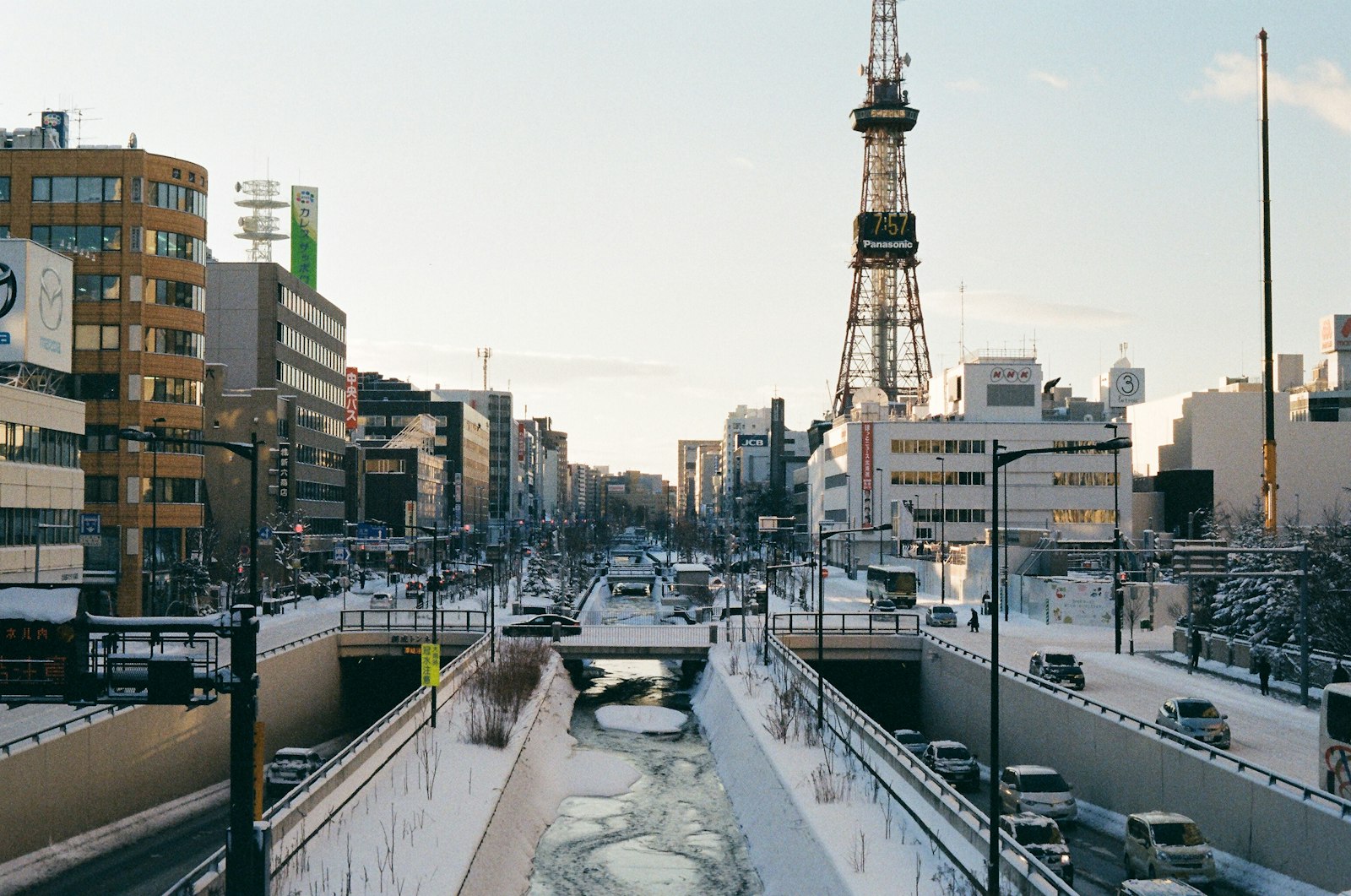
Hokkaido's snowy capital: ramen and beer, a famous winter festival, hot springs and world-class powder nearby.
- Best time to visit: December-February for snow; June-September for cool summers
- Daily budget (budget traveller): $55 to $85 USD
- Ideal trip length: 3 days
Sapporo is the gateway to Hokkaido and a city built for the cold: rich miso ramen, its own beer, a dazzling February snow festival, and easy access to onsen towns and some of the world's best ski powder. Summers are gloriously cool and green. Joy Plus clusters the central sights and food streets, times the snow festival or a ski day, and slots an Otaru or Noboribetsu onsen day trip.
Sapporo is the only big Japanese city that was designed on a grid, and it shows. Streets are numbered, addresses read like coordinates (Minami 4, Nishi 5), and Odori Park cuts a green stripe through the middle that splits the city into north and south. Nearly 2 million people live here, and about 5 metres of snow falls every winter. The city runs on it: the Chi-Ka-Ho underground walkway links Sapporo Station to Odori for 520 metres without touching the weather, subway stations feed into heated malls, and the Snow Festival turns the main park into a gallery of ice. It is calm, clean and easy, which makes it a good first stop in Hokkaido.
Eat first, sightsee second. Miso ramen was popularised here in the 1950s and arrives with butter, corn and a slick of lard that keeps your hands warm on the walk home. Soup curry, a thin, spiced, vegetable-heavy broth, was born in Sapporo's cafés and is cheaper and lighter than it sounds. Genghis Khan (grilled lamb on a domed skillet) pairs with Sapporo Classic, the beer sold only in Hokkaido. Kaisendon bowls at Nijo Market, uni and ikura from the Okhotsk and Pacific coasts, and Hokkaido milk soft serve at a konbini round out the list. A normal day here costs less than the same day in Tokyo.
Pick your season on purpose, because the city changes completely. In winter you get snow, onsen, the Snow Festival (in early February, check the dates) and ski buses to Teine, Kokusai and Niseko. In summer it's 22 to 27°C, there's no rainy season, and Odori Park fills with beer garden tables from mid-July to mid-August. Spring and autumn are quiet shoulder seasons with cherry blossom in late April and ginkgo gold in October. Base yourself for three days minimum, add Otaru and Noboribetsu as day trips, and the seven-day plan below stretches it into a proper Hokkaido week.
How many days in Sapporo?
For Sapporo, we recommend 3 days. With more time, add a day trip to Niseko.
| Trip length | What you'll see | Itinerary |
|---|---|---|
| 2 days | Odori and Susukino; Nijo Market and the Beer Museum | Sapporo in 2 days |
| 3 days · Recommended | Adds: Otaru day trip | Sapporo in 3 days |
| 4 days | Adds: Maruyama and Mount Moiwa at dusk | Sapporo in 4 days |
| 5 days | Adds: Noboribetsu onsen day trip | Sapporo in 5 days |
| 7 days | Adds: Snow day or Moerenuma Park | Sapporo in 7 days |
Sapporo itinerary
Arrive, Odori and Susukino
Morning: Land at New Chitose (CTS), take the JR Rapid Airport to Sapporo Station (37 min, about ¥1,200). Drop bags, coffee in Stellar Place.
Afternoon: Walk the Akarenga (Old Hokkaido Government Building, free), then the Clock Tower (¥200 inside). Stroll Odori Park to the TV Tower.
Evening: Soup curry at Garaku or Rojiura Curry Samurai. Walk Tanukikoji arcade, then the Nikka sign in Susukino. Early night.
Nijo Market and the Beer Museum
Morning: Kaisendon breakfast at Nijo Market (shops open from 7am, bowls ¥2,500-4,000). Walk to the Sapporo Station underground, window shop.
Afternoon: Subway Toho line to Higashi-kuyakusho-mae, 10 min walk to the Sapporo Beer Museum (free, 11am to 6pm, closed Mondays). Taste a three-glass set for about ¥1,000.
Evening: Genghis Khan at the Sapporo Beer Garden next door (all-you-can-eat about ¥4,000-5,000, book ahead). Subway back.
Otaru day trip
Morning: JR rapid from Sapporo Station, 32 min, about ¥850. Walk Otaru Canal, Sakaimachi-dori for LeTAO cheesecake and Kitaichi Glass.
Afternoon: Sushi lunch on Sushiya-dori (Masazushi, from ¥4,000). Add Nikka's Yoichi distillery, 15 min further by train, free tour if you book online.
Evening: Back to Sapporo. Beer and yakitori in Susukino. In February the Otaru Snow Light Path Festival lights the canal.
Maruyama and Mount Moiwa at dusk
Morning: Tozai line to Maruyama-koen. Hokkaido Shrine (free, opens 6am) and Maruyama Park. Maruyama Zoo (¥800) if you have time.
Afternoon: Late lunch at a Maruyama café. Tram to Ropeway-iriguchi, free shuttle bus to the base station.
Evening: Ropeway and mini cable car up Moiwa (¥2,100 return, open till 10pm). Go 30 min before sunset. Ramen at Ganso Ramen Yokocho (Shingen is a classic).
Noboribetsu onsen day trip
Morning: Limited express Super Hokuto from Sapporo (about 1h20, around ¥4,500 reserved). Bus to Noboribetsu Onsen, about ¥350.
Afternoon: Walk Jigokudani (Hell Valley, free), then soak at Dai-ichi Takimotokan day bath (around ¥2,500-3,000).
Evening: Train back. Conveyor-belt sushi at Nemuro Hanamaru in JR Tower Stellar Place (¥3,000-4,000).
Snow day or Moerenuma Park
Morning: Winter: JR to Teine, bus to Sapporo Teine ski area, lift ticket about ¥6,000-7,500. Summer: subway to Kanjo-dori-higashi, bus to Moerenuma Park.
Afternoon: Winter: ski until 4pm, onsen at the base. Summer: rent a bike and ride Isamu Noguchi's glass pyramid and sculpted hills (park is free).
Evening: Hokkaido University campus walk (ginkgo avenue in October). Dinner of lamb and beer at Daruma Honten in Susukino.
Slow morning and depart
Morning: Coffee and local milk soft serve near Odori. One last bowl of miso ramen at Sumire or Ajino Sanpei.
Afternoon: JR Rapid Airport back to CTS. Allow two hours: Hokkaido Ramen Dojo (3F domestic) and Royce' Chocolate World.
Evening: Fly out, with a bag of Shiroi Koibito cookies for the people who didn't come.
Best neighbourhoods
- Susukino: The neon nightlife and dining district, home to ramen alley.
- Odori: The central park strip that hosts the snow festival.
- Sapporo Station area: Shopping, the JR tower and transport hub.
- Maruyama: A leafier district with a shrine, zoo and good restaurants.
- Mount Moiwa: A ropeway to a night-view summit over the city.
Must-do experiences
- Sapporo Snow Festival (February): Giant snow and ice sculptures fill Odori Park and Susukino.
- Ramen Alley & Susukino: Slurp Sapporo's signature miso ramen, then explore the nightlife.
- Sapporo Beer Museum: Japan's only beer museum, with tastings and a beer garden.
- Mount Moiwa night view: Ride the ropeway up for a sparkling panorama of the city.
Hidden gems
- A day trip to the canal town of Otaru for sushi and glassware.
- Noboribetsu's 'Hell Valley' and hot springs.
- Fresh seafood breakfast at the Nijo or Curb markets.
- Soup curry, a Sapporo invention, at a local diner.
Daily budget
- Accommodation: budget ¥3,500-6,000 / night (hostel dorm or capsule), mid-range ¥12,000-22,000 (business or boutique double), splurge ¥35,000+ (JR Tower Hotel Nikko, Sapporo Grand Hotel). Snow Festival week doubles prices, book months ahead. Susukino and Odori hotels are the best value for the location.
- Food: budget ¥2,500-3,500 / day (ramen, konbini, market breakfast), mid-range ¥6,000-9,000 (soup curry, kaisendon, Genghis Khan), splurge ¥20,000+ (Kani Honke crab course, omakase sushi). Lunch sets are the hack: ramen with rice or gyoza for ¥1,100-1,500, soup curry lunch from ¥1,400.
- Transport: budget ¥830 / day (subway one-day card), mid-range ¥1,500-3,000 (subway, tram, one JR day trip), splurge ¥10,000+ (taxi to the ski hill, private driver). Airport train is about ¥1,200 one way. The Donichi Eco pass is about ¥520 on weekends. Otaru is about ¥850 each way by JR.
- Activities: budget ¥0-2,000 / day (Odori, Hokkaido Shrine, Beer Museum, Moerenuma are free), mid-range ¥3,000-8,000 (Moiwa ropeway ¥2,100, Noboribetsu bath, JR Tower deck ¥740), splurge ¥15,000+ (Niseko lift ticket and rental, private onsen ryokan). The Snow Festival is free. Ski day with rental runs about ¥12,000 at Teine, more at Niseko.
- Drinks & nightlife: budget ¥800 (Sapporo Classic from a konbini), mid-range ¥3,000-5,000 (izakaya, Beer Garden, whisky bar), splurge ¥15,000+ (Susukino hostess or high-end whisky bar). Many izakaya add a ¥300-500 seat charge (otoshi). Draught beer is ¥600-800 in most places.
Where to stay
- Social hostel in Sapporo Station / Susukino (¥3,500-6,000 / night (¥8,000+ at Snow Festival)): SappoLodge or a Susukino capsule hotel. Near subway lines, ramen and the airport train, and the best way to keep costs down in festival week.
- Boutique hotel in Odori / Nishi 2-3 (¥14,000-28,000 / night): The Royal Park Canvas Sapporo Odori Park or Cross Hotel Sapporo. Design-led, steps from Odori subway and the Chi-Ka-Ho underground.
- Apartment in Near Nakajima Park / Susukino south (¥9,000-16,000 / night): Airbnb or an apart-hotel like MIMARU with a kitchenette and washing machine. Best value for 5+ nights, plus a konbini on the corner for easy breakfasts.
- Splurge in Sapporo Station / Odori (¥35,000-70,000 / night): JR Tower Hotel Nikko Sapporo (floors 22 to 36, big views) or Sapporo Grand Hotel (historic, central). Direct access to the train and the underground.
What to eat
- Sapporo miso ramen, rich and buttery
- Soup curry, the local specialty
- Fresh Hokkaido seafood and uni (sea urchin)
- Genghis Khan grilled lamb with a draught Sapporo beer
Day trips
- Otaru (32 min by rapid train): Canal town with sushi alley, glass workshops, LeTAO cheesecake and old brick warehouses. Add Nikka's Yoichi distillery for whisky. JR Hakodate Line rapid from Sapporo Station, about ¥850 each way, every 15 to 20 min. Sit on the left for sea views after Zenibako.
- Noboribetsu Onsen (About 1h20 by limited express): Hell Valley's steaming vents and sulphur baths. The Dai-ichi Takimotokan has a multi-bath day-use option. JR Super Hokuto from Sapporo to Noboribetsu, about ¥4,500 reserved, then bus to the onsen town for about ¥350. Take the early train.
- Niseko (2h30 to 3h by bus): One of the world's best powder areas, with a village of restaurants and onsen. Go in January or February for the deepest snow. Hokkaido Resort Liner or Chuo Bus from Sapporo Station, around ¥3,000 each way. Lift tickets about ¥9,000-10,000. Book ahead in peak season.
When to visit
- Winter (December to March): -7 to 0°C, heavy snow, short days, icy pavements. Crowds: Very heavy in the Snow Festival week, moderate otherwise. The headline season. Snow Festival, onsen and powder. Book rooms 4 to 6 months ahead for early February, prices double or triple.
- Spring (April to May): 2 to 15°C, slush in early April, sunny and fresh by May. Crowds: Low, picks up for Golden Week at the start of May. Cherry blossom lands in late April or early May at Maruyama Park and Hokkaido Shrine. Cheap hotels, uncrowded ramen counters, but early April is muddy.
- Summer (June to August): 18 to 27°C, dry, low humidity, rare 30°C days. Crowds: Busy in July and August, quiet in early June. The locals' pick. Yosakoi Soran dance festival in early June, Odori Beer Garden mid-July to mid-August, lavender in Furano in July. Escape from Honshu's heat.
- Autumn (September to November): 5 to 20°C, crisp in October, first snow in November. Crowds: Low to moderate, light after Silver Week. Gold ginkgo on Hokkaido University's avenue in late October, seafood at its richest, hotels at their cheapest. Bring a proper jacket.
Entry rules for your passport
Visa rules for Japan depend on the passport you travel on. Check the official source before you book: Japan Ministry of Foreign Affairs
Getting there
New Chitose Airport (CTS) is 48km southeast of the centre. The JR Rapid Airport train takes about 37 min to Sapporo Station, around ¥1,200, running every 10 to 15 min from roughly 5:30am to 11pm. Airport buses to Sapporo Station take about 70 min and cost around ¥1,300. A taxi is ¥20,000 or more, so skip it. Domestic flights from Tokyo Haneda take about 1h45. Peach and Jetstar often fly Narita to CTS for ¥6,000-12,000 if you book early. Direct flights come in from Seoul, Taipei, Hong Kong and Bangkok. The Hokkaido Shinkansen stops at Shin-Hakodate-Hokuto, but the extension to Sapporo is not due until the late 2030s, so flying is faster.
Getting around
Sapporo has a simple subway, trams and buses, and the centre is walkable (and connected by underground passages in winter). For day trips, JR trains reach Otaru and Noboribetsu easily; ski resorts like Niseko are reachable by bus. New Chitose Airport links to the centre by fast train.
Safety
Sapporo is very safe, like the rest of Japan. The main winter consideration is the cold and ice, so pack proper footwear with grip and warm layers. Snow can disrupt transport during heavy storms, and the snow festival period books out far ahead, so reserve accommodation early.
Solo travel tips
- Buy a ticket, take the counter: Most ramen shops use a vending machine. Buy your ticket, hand it over, sit at the counter. Solo diners are the default, no one blinks.
- Susukino after dark: Touts will pitch you a bar. Say no thanks and keep walking. Stick to izakaya with a counter, Tanukikoji arcade and Ganso Ramen Yokocho.
- Hostel pick: SappoLodge or a Susukino capsule: Dorms sell out first for early February. Capsule-and-sauna hotels in Susukino cost ¥3,500-5,500 and include a bath. Book three months ahead for festival week.
- Learn the penguin walk: Short steps, flat feet, weight over your front leg. Clip on ice cleats (¥1,000 at any drugstore). Use the underground Chi-Ka-Ho between station and Odori.
- Solo female travellers: Sapporo is very safe. Use women-only dorm floors and capsule hotels, women's baths in every onsen, and avoid walking Susukino back streets late if you're tired. Taxis are cheap and reliable.
- Find your tribe on a ski bus or at the beer garden: Ski shuttles to Teine and Kokusai are full of solos. Beer Garden tables are communal, so say hello. The tourist info desk at Sapporo Station can point you to volunteer city guides.
Cultural etiquette
- Wash and rinse before entering an onsen, no towel in the water, tie long hair up. Tattoos are banned at some baths, check or book a private bath.
- Slurping ramen is fine, even encouraged. Finish the noodles quickly before they go soft, and don't eat while walking.
- Take your shoes off at ryokan, many restaurants with tatami seating and some clinics. Wear clean socks without holes.
- No tipping, anywhere. Say gochisosama deshita when you leave a restaurant instead.
- Knock snow off your boots at the entrance, and carry plastic bags for wet shoes. Many shops have a rack for umbrellas.
- Keep voices down on the subway and trams, and don't take phone calls. Offer your seat to older passengers.
- Hokkaido is the homeland of the Ainu people. For context, visit Upopoy National Ainu Museum in Shiraoi, about an hour by train, and treat Ainu crafts with respect, not as souvenirs.
Frequently asked questions
How many days do you need in Sapporo?
Three days covers the city's food, nightlife and viewpoints plus a day trip to Otaru or an onsen town. Add more if you're skiing in Niseko or touring Hokkaido.
When is the Sapporo Snow Festival?
Usually for about a week in early February. It's spectacular but extremely busy, so book accommodation and transport months ahead.
Is Sapporo worth visiting in summer?
Yes. Hokkaido summers are cool and green, ideal for escaping mainland Japan's heat, with flower fields, hiking and fresh seafood at their best.
When is the best time to visit Sapporo?
December-February for snow; June-September for cool summers is the sweet spot for weather and crowds. Shoulder season brings lower prices and easier bookings, while peak months mean higher accommodation costs and longer queues at the best known sights, so book early if you travel then.
How much does a trip to Sapporo cost?
Budget around $55 to $85 USD per person per day, covering a hostel bed or simple room, local transport, two or three meals out and an activity or entry ticket. You can go lower with markets and free walking tours, or far higher with boutique hotels and private guides.
How much does a solo trip to Sapporo cost?
Budget on roughly $55-$85 USD per day in Sapporo as a solo traveller. That covers a hostel bed or simple room, local food, getting around and a couple of paid sights. Mid-range comfort with private rooms, sit-down dinners and the odd tour runs closer to double, while shoestring travellers who cook and stick to street food can come in under it.
Is Sapporo safe for solo female travellers?
Sapporo is generally a comfortable place to travel solo, including for women, as long as you use normal city sense. Sapporo is very safe, like the rest of Japan. The main winter consideration is the cold and ice, so pack proper footwear with grip and warm layers. Snow can disrupt transport during heavy storms, and the snow festival period books out far ahead, so reserve accommodation early.
How do you get around Sapporo?
Sapporo has a simple subway, trams and buses, and the centre is walkable (and connected by underground passages in winter). For day trips, JR trains reach Otaru and Noboribetsu easily; ski resorts like Niseko are reachable by bus. New Chitose Airport links to the centre by fast train.
More about Sapporo
- Where to Travel in 2027: 15 Places Worth Planning a Trip Around
- Tokyo for First-Time Visitors: 5-Day Guide With Hidden Gems
- Japanese Culture and Etiquette: A Situation-by-Situation Guide
- Cultural Etiquette in Japan: Quick Do's and Don'ts for First-Timers
Tours and activities in Sapporo | Sapporo in 2 days | Sapporo in 3 days | Sapporo in 4 days | Sapporo in 5 days | Sapporo in 7 days
Can't decide? Compare Sapporo with...
Joy Plus home | Destinations | Itineraries | Activities | Flights | Budget planner | Calendar | Map | Blog | Lifetime access