Destinations / Asia
Takayama, Japan travel guide
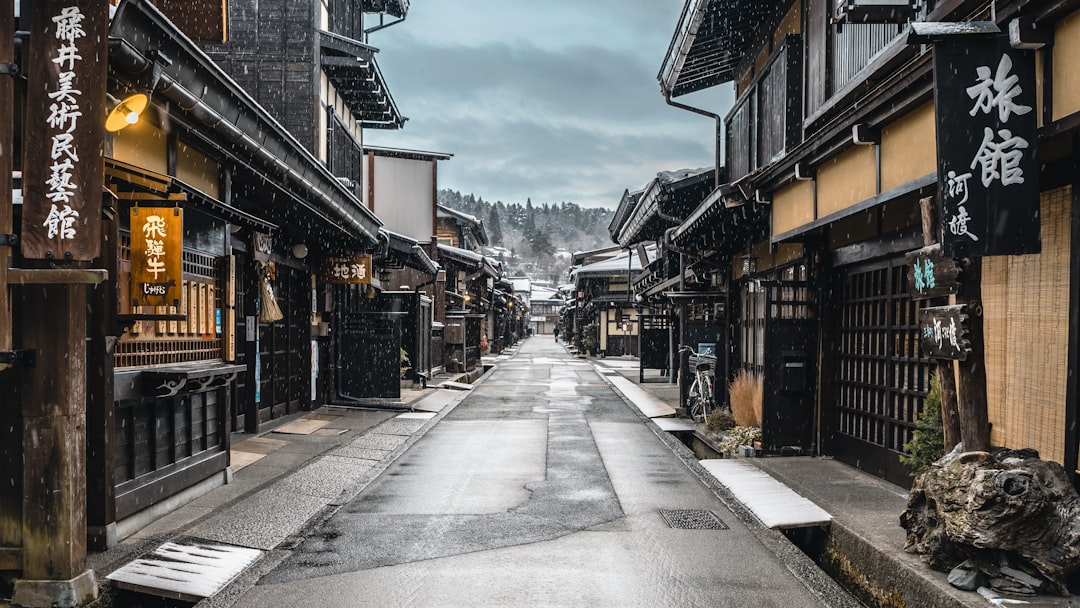
Edo period streets, morning markets and sake breweries in the Japanese Alps.
- Best time to visit: April to May and October to November
- Daily budget (budget traveller): $90 to $160 USD
- Ideal trip length: 2 to 3 days
Takayama is the Japanese Alps' prettiest small city: a preserved Edo period old town of dark wooden merchant houses, sake breweries with cedar balls hanging over their doors, and morning markets along the Miyagawa river. Add Hida beef, mountain onsen and the thatched farmhouses of Shirakawa-go an hour away, and you have Japan's most rewarding detour off the Golden Route.
Takayama sits at 570 metres in the Hida mountains, and it acts like it. Merchant houses with dark lattice fronts line Sanmachi Suji, cedar balls hang over brewery doors, and the Miyagawa river runs past a market that has been selling pickles and persimmons since the Edo period. It is small enough to cover on foot in a day, which is the problem: most visitors do exactly that, between the morning bus tours and the evening train out. Stay a night, ideally two, and the place changes. The streets empty by 5pm, shutters come down, and you get the old town to yourself.
The reason to come is food, craft and mountains in one compact package. Hida beef is the headline, served as nigiri on a rice cracker for around ¥1,000 a stick or grilled over charcoal at Maruaki and Kyoya. Behind it sit hoba miso cooked on a magnolia leaf, a light soy ramen that locals eat at midnight, and sake breweries that pour tasting cups for a few hundred yen. Takayama Jinya, the only surviving Edo government house in Japan, costs ¥440. The Hida Folk Village is ¥700. The best things here are cheap and early, so the real currency is your alarm clock.
Takayama is also the best hinge on the Japanese Alps loop. Shirakawa-go is 50 minutes west by Nohi bus, Hida-Furukawa is 15 minutes by train, and Okuhida's open-air onsen are about 90 minutes away. Kanazawa, Matsumoto and Nagoya all connect by bus or the Hida limited express. The catch is logistics: buses to Shirakawa-go need reservations, ryokan fill months ahead for the April 14 to 15 and October 9 to 10 festivals, and almost nothing takes cards at the market. Plan the hinge and the rest is easy.
How many days in Takayama?
For Takayama, we recommend 2 to 3 days.
| Trip length | What you'll see | Itinerary |
|---|---|---|
| 2 days · Recommended | The old town; Markets, Jinya and merchant houses | Takayama in 2 days |
| 3 days · Recommended | Adds: Higashiyama temples and festival floats | Takayama in 3 days |
| 4 days | Adds: Shirakawa-go | Takayama in 4 days |
| 5 days | Adds: Folk village and Hida-Furukawa | Takayama in 5 days |
| 7 days | Adds: Okuhida onsen night; Depart to Kanazawa or Nagoya | Takayama in 7 days |
Takayama itinerary
Arrive and settle into the old town
Morning: The Hida limited express from Nagoya (about 2.5 hours, roughly ¥6,000 to ¥6,500 reserved). Drop bags in station lockers (¥400 to ¥700) or send them ahead by takkyubin. Reserve your Shirakawa-go bus at the Nohi Bus Centre next door.
Afternoon: Walk Kokubunji-dori and into Sanmachi Suji. Taste at Harada Shuzojo and Funasaka Shuzo (a few hundred yen a pour). Grab a Hida beef nigiri stick for around ¥1,000.
Evening: Grilled Hida beef dinner at Maruaki or Kyoya (book ahead, about ¥5,000 to ¥9,000). Walk the river back before the streets go dark around 9pm.
Markets, Jinya and merchant houses
Morning: 7am at the Miyagawa Morning Market (8am in winter, runs to noon). Then Takayama Jinya at 8:45 opening (¥440). Stalls on Jinya-mae street sell pickles, apples and coffee.
Afternoon: Hoba miso set lunch (about ¥1,800 to ¥2,500). Takayama Showa-kan (about ¥1,000), then Kusakabe Folk Museum to see a merchant house interior.
Evening: Ramen at Menya Shirakawa or Kotaro (¥900 to ¥1,100), then a quiet izakaya with a Hida sake flight.
Higashiyama temples and festival floats
Morning: Start the 3.5 km Higashiyama Walking Course at Shiroyama Park, then wander the temples at their quietest. Stop at Hida Kokubunji and its 1,200-year-old ginkgo.
Afternoon: Walk to Sakurayama Hachimangu and the Yatai Kaikan float hall (about ¥1,000) to see the real festival floats. Coffee in a wooden townhouse.
Evening: Check into a ryokan for kaiseki dinner and a bath. If you stayed in a hotel, book a family-run izakaya on Yasugawa-dori.
Shirakawa-go
Morning: Take a morning Nohi bus (50 minutes, about ¥5,100 return, reserved). Climb to the Shiroyama viewpoint before groups arrive.
Afternoon: Wada House (about ¥400) for the interior, soba lunch, then the open-air Gassho-zukuri Minkaen (about ¥600). Check the last bus back, usually late afternoon.
Evening: Back in Takayama for an easy Hida beef donburi or sushi, then rest. It is a long, walky day.
Folk village and Hida-Furukawa
Morning: Hida Folk Village (Hida no Sato) at 8:30 opening (¥700), a 15 minute bus or bike ride from the station. Relaxed farmhouse wander, with an irori fire at some houses.
Afternoon: JR train to Hida-Furukawa (15 minutes, about ¥240). Walk the Setogawa canal with koi, stop at Watanabe sake brewery, and browse candle and carpentry workshops.
Evening: Return to Takayama for a last sake flight and a ramen finish.
Okuhida onsen night
Morning: Nohi bus to Shin-Hotaka Onsen (about 1.5 hours). Ride the Shin-Hotaka Ropeway (about ¥3,300 to ¥3,600 return) for alpine views if the weather is clear.
Afternoon: Soak in a rotenburo with a view, then wander the small onsen villages. Hirayu Falls is a short bus hop if you have energy.
Evening: Kaiseki dinner and a late bath at a ryokan. Stars here are better than anywhere in town.
Slow morning, depart to Kanazawa or Nagoya
Morning: Quick return to the Miyagawa market for last gifts (miso, pickles, sake). Pack and use takkyubin for your bags if heading on.
Afternoon: Nohi bus to Kanazawa (about 2 hours 15 minutes) or the Hida limited express to Nagoya. Reserve seats in season.
Evening: Dinner in Kanazawa near Omicho Market, or the shinkansen home from Nagoya.
Best neighbourhoods
- Sanmachi Suji Old Town: The preserved merchant district of sake breweries, craft shops and morning coffee in wooden townhouses.
- Miyagawa Riverside: The river walk with the morning market, red Nakabashi bridge and views up to the hills.
- Higashiyama Temple Walk: The quiet eastern hills with a dozen temples and shrines linked by a walking path.
Must-do experiences
- Wander Sanmachi Suji at opening time: The old town before the tour buses: sake tastings, miso shops and cedar scented streets.
- Eat Hida beef: The local wagyu, served as sushi on the street, grilled over charcoal or as a marbled set dinner at your ryokan.
- Visit the Miyagawa morning market: Farm stalls, pickles and crafts along the river every morning, running since the Edo period.
- Day trip to Shirakawa-go: The UNESCO village of steep thatched gassho farmhouses, 50 minutes by bus; stay for the evening light.
- Walk the Higashiyama temple course: A 3.5 kilometre path past temples, shrines and a hilltop castle viewpoint.
- Soak in an onsen: Okuhida's outdoor rotenburo are an hour away, or use a ryokan bath in town after dark.
Hidden gems
- Takayama Jinya, the only surviving Edo period government house in Japan
- The Showa-kan nostalgia museum of 1950s Japan
- Hida Folk Village's open air farmhouses across the river
- Sakurayama Hachimangu shrine and the festival float hall
Daily budget
- Accommodation: budget ¥3,500-6,000 / night (hostel dorm or tiny guesthouse bed), mid-range ¥14,000-25,000 (business hotel or boutique double), splurge ¥45,000+ per person with meals (Hida-tei Hanaogi, a top Okuhida ryokan). Festival nights (April 14-15, October 9-10) can double prices. A ryokan with dinner and breakfast often beats a hotel plus restaurant bill.
- Food: budget ¥3,000-4,500 / day (konbini breakfast, ramen, market snacks), mid-range ¥7,000-12,000 (hoba miso lunch, Hida beef dinner), splurge ¥20,000+ (A5 Hida beef tasting or ryokan kaiseki). Hida beef lunch sets are far cheaper than dinner. Ramen at Menya Shirakawa runs about ¥900 to ¥1,100.
- Transport: budget ¥0-1,500 / day (walk the old town, one cheap bike day), mid-range ¥5,000-8,000 (bike plus Shirakawa-go return bus), splurge ¥35,000+ (chartered taxi or private driver guide). Nohi bus to Shirakawa-go is about ¥5,100 return. Suica and other IC cards do not work on Takayama trains or Nohi buses, so carry cash.
- Activities: budget ¥1,000-2,500 (Jinya ¥440, Folk Village ¥700, free temple walks), mid-range ¥3,000-6,000 (Shirakawa-go farmhouse, Showa-kan, Yatai Kaikan), splurge ¥15,000+ (private guide, Shin-Hotaka ropeway plus onsen night). Markets, shrines and the Higashiyama walking course are free. Many sights close at 5pm, so start early.
- Drinks & nightlife: budget ¥500-1,200 (brewery tasting cups, konbini chuhai), mid-range ¥2,500-4,500 (izakaya with a sake flight), splurge ¥8,000+ (sake pairing dinner, hotel bar). Nightlife is low-key. Most izakaya take last orders around 10pm and the old town is silent by 9pm.
Where to stay
- Social hostel in Near Takayama Station / Old Town (¥3,500-6,000 / night): Guest House Tomaru or Rickshaw Inn, small, tidy, with shared kitchens and a few mixed dorms. A 10 minute walk to Sanmachi Suji.
- Boutique hotel in Station area / Kokubunji-dori (¥14,000-30,000 / night): Hotel Wood Takayama or Wat Hotel & Spa, modern rooms with timber details, some with onsen baths. Walk to everything in 10 minutes.
- Apartment in Old town side streets (¥12,000-28,000 / night): Renovated machiya townhouses and small flats with a kitchen and tatami. Best for 3+ nights, and a good base for market shopping.
- Splurge in Hida-tei Hanaogi or Okuhida onsen ryokan (¥45,000-90,000 / person with meals): Kaiseki dinner with Hida beef, private bath options, tatami suites and attentive service. Okuhida adds outdoor rotenburo under the Alps.
What to eat
- Hida beef sushi from the old town street stalls, served on a senbei cracker
- Hoba miso, sweet miso grilled on a magnolia leaf with mountain vegetables
- Takayama ramen, a light soy broth with thin curly noodles
- Sake flights at the Harada or Funasaka breweries on the old streets
Day trips
- Shirakawa-go (50 min by bus): UNESCO village of steep thatched gassho farmhouses. Go early for the viewpoint, then visit Wada House and a minkaen open-air museum. Winter snow is magical but buses sell out. Nohi bus from the Nohi Bus Centre beside Takayama Station, about ¥5,100 return. Reservation recommended, check last return bus.
- Hida-Furukawa (15 min by train): A quiet merchant town with the Setogawa koi canal, white-walled storehouses, candle makers and the Watanabe sake brewery. A perfect half day without crowds. JR Takayama Line local train from Takayama Station, about ¥240 each way, every 30 to 60 minutes.
- Okuhida Onsen & Shin-Hotaka Ropeway (About 1.5 hours by bus): Outdoor rotenburo, alpine ridges and a double-decker ropeway. Sleeping in a ryokan here beats the day-trip rush and gives you stars at night. Nohi bus from Takayama to Shin-Hotaka Onsen, about ¥2,500 one way. Ropeway about ¥3,300 to ¥3,600 return, weather permitting.
When to visit
- Spring (April - June): 5-17°C in April, 12-26°C by June, rainy season starts mid-June. Crowds: Heavy around April 14-15 and Golden Week, calm in late May. Cherry blossom along the Miyagawa and the Sanno Matsuri floats make mid-April magic, but book rooms by December. Late May is the quiet sweet spot.
- Summer (July - August): 22-32°C, humid, rain in July, cooler nights than the cities. Crowds: Busy in Obon week (mid-August), otherwise moderate. A fine escape from Tokyo and Osaka heat, with fresh mountain vegetables and cool Okuhida onsen. Bring a rain jacket and skip Obon week.
- Autumn (September - November): 8-24°C, crisp and mostly dry, foliage late October to mid November. Crowds: Heavy for the Hachiman Matsuri (October 9-10) and peak colour. The best season overall. Red maples on the Higashiyama course, harvest food and the second festival. Reserve ryokan and Shirakawa-go buses early.
- Winter (December - March): -5 to 6°C, regular snow, icy pavements. Crowds: Low in town, buses to Shirakawa-go still fill. Snow on the thatch and steam off the onsen. Cheapest rooms of the year, but the markets start later (8am) and you need proper boots.
Entry rules for your passport
Visa rules for Japan depend on the passport you travel on. Check the official source before you book: Japan Ministry of Foreign Affairs
Getting there
Takayama has no airport or shinkansen, and that is part of its charm. From Tokyo, take the Tokaido shinkansen to Nagoya (about 1 hour 40 minutes, roughly ¥11,000 to ¥11,500 reserved), then the JR Hida limited express to Takayama (about 2 hours 25 minutes, roughly ¥6,000 to ¥6,500). From Osaka or Kyoto, connect at Nagoya in the same way. From Nagoya's Chubu airport (NGO), Meitetsu μ-SKY runs to Nagoya Station in about 30 minutes for roughly ¥1,430, then the Hida. From Toyama, local JR trains take about 1.5 to 2 hours (around ¥2,500). Highway buses leave from the Nohi Bus Centre beside the station: Shirakawa-go (50 minutes), Kanazawa (about 2h15), Matsumoto (about 2h25, around ¥4,000) and Shin-Hotaka. Reserve buses online in peak seasons. IC cards like Suica do not work here, so buy paper tickets.
Getting around
The Hida limited express from Nagoya takes about 2.5 hours through mountain gorges; from Tokyo, ride the shinkansen to Nagoya or Toyama and connect. Highway buses link Takayama with Shirakawa-go, Kanazawa and Matsumoto; reserve seats in season. The town itself is walkable, with rental bikes for the temple hills.
Safety
Takayama is extremely safe, even solo at night. Practical notes: many small restaurants and market stalls are cash only, shops close early (most by 5 or 6pm), and winter brings real snow, so pack proper footwear November to March. Book festival dates (April 14 to 15 and October 9 to 10) months ahead.
Solo travel tips
- Sit at the counter: Ramen shops, hoba miso restaurants and izakaya all have counter seats, and Japanese hosts rarely blink at a solo diner. Many yakiniku places seat singles at lunch, which is when Hida beef is cheapest.
- Book solo-friendly ryokan early: Some ryokan refuse single guests or charge a surcharge. Use booking sites that list 'single stay OK' and filter by room type. Expect ¥15,000 to ¥25,000 for one person with meals.
- Hostel pick: Guest House Tomaru or Rickshaw Inn: Small, family-run, near the old town, and good for swapping tips on bus times and onsen. Neither is a party hostel, which suits Takayama's early nights.
- Start your days at the market: Vendors at Miyagawa and Jinya-mae are chatty and speak enough English to help. Buying a few things and eating at the riverside is the easiest way to meet other travellers.
- Solo female travellers: Takayama is very safe, even late. The practical risk is early closing: restaurants stop around 9pm, so eat before you wander. Women-only onsen hours and private baths are common at ryokan.
- Use the volunteer guides and luggage forwarding: The tourist information centre across from the station can often arrange volunteer guides for a few hours. Ship big bags ahead by takkyubin (about ¥1,500 to ¥2,500) and walk light.
Cultural etiquette
- Wash and rinse thoroughly before entering any onsen, and keep towels out of the water. Some baths refuse visible tattoos, so check or book a private bath.
- Finish street food at the stall. Walking while eating in Sanmachi is discouraged, and bins are scarce, so carry your rubbish.
- Take off shoes at ryokan, temples and many shops, and use the slippers provided. Never step on tatami in slippers.
- In Shirakawa-go, people live in the gassho houses. Do not enter private property, fly drones or block doorways for photos.
- No tipping anywhere. Hand over cash or cards on the small tray and say arigato gozaimasu.
- Shops and markets wind down by 5pm and restaurants by 9pm. Eat early and book dinner for 6pm or 6:30pm.
- Keep voices low in the old town and on buses, and keep phones on silent. Locals live above the shops.
Frequently asked questions
How many days do I need in Takayama?
Two days is the sweet spot: one for the old town, morning market, Jinya and temple walk, and one for a Shirakawa-go day trip or the Okuhida onsen valley. Three days suits slow travellers who want both side trips plus a ryokan night.
How do I get to Takayama from Tokyo or Kyoto?
From Tokyo, take the shinkansen to Nagoya (about 1 hour 40 minutes) then the Hida limited express to Takayama (2.5 hours). From Kyoto or Osaka, go via Nagoya the same way. Buses from Matsumoto and Kanazawa are the scenic alternative through the Alps.
Is Takayama worth visiting?
Yes, especially if you want traditional Japan without Kyoto's crowds. The preserved old town, morning markets, sake breweries and Hida beef make it a highlight for most travellers, and it pairs perfectly with Shirakawa-go and Kanazawa on an Alps loop.
When are the Takayama festivals?
The spring Sanno Matsuri runs April 14 to 15 and the autumn Hachiman Matsuri October 9 to 10. Both feature ornate yatai floats, karakuri puppet performances and evening processions. They are among Japan's most famous festivals; book accommodation several months ahead.
Can I do Shirakawa-go as a day trip from Takayama?
Yes, easily. Buses run hourly and take about 50 minutes; reserve seats online in peak seasons. Three to four hours in the village covers the viewpoint, a farmhouse interior and lunch. In winter, the snow covered thatch is magical but buses fill fast.
Where should I stay in Takayama?
Stay near the old town or station for walkability: ryokan with kaiseki dinners and onsen baths are the classic choice, from $120 per person with meals. Modern business hotels near the station run $70 to $110. For a deeper onsen experience, sleep one night in Okuhida.
What does Takayama cost per day?
Mid range travellers spend $90 to $160 a day: hotels $70 to $110, ryokan with dinner and breakfast $120 to $200 per person, Hida beef meals $15 to $50 depending on grade, sake tastings $5 to $10, and the Shirakawa-go bus about $30 to $35 return.
More about Takayama
- Where to Travel in 2027: 15 Places Worth Planning a Trip Around
- Tokyo for First-Time Visitors: 5-Day Guide With Hidden Gems
- Japanese Culture and Etiquette: A Situation-by-Situation Guide
- Cultural Etiquette in Japan: Quick Do's and Don'ts for First-Timers
Tours and activities in Takayama | Takayama in 2 days | Takayama in 3 days | Takayama in 4 days | Takayama in 5 days | Takayama in 7 days
Can't decide? Compare Takayama with...
Joy Plus home | Destinations | Itineraries | Activities | Flights | Budget planner | Calendar | Map | Blog | Lifetime access