Ollantaytambo in 5 days
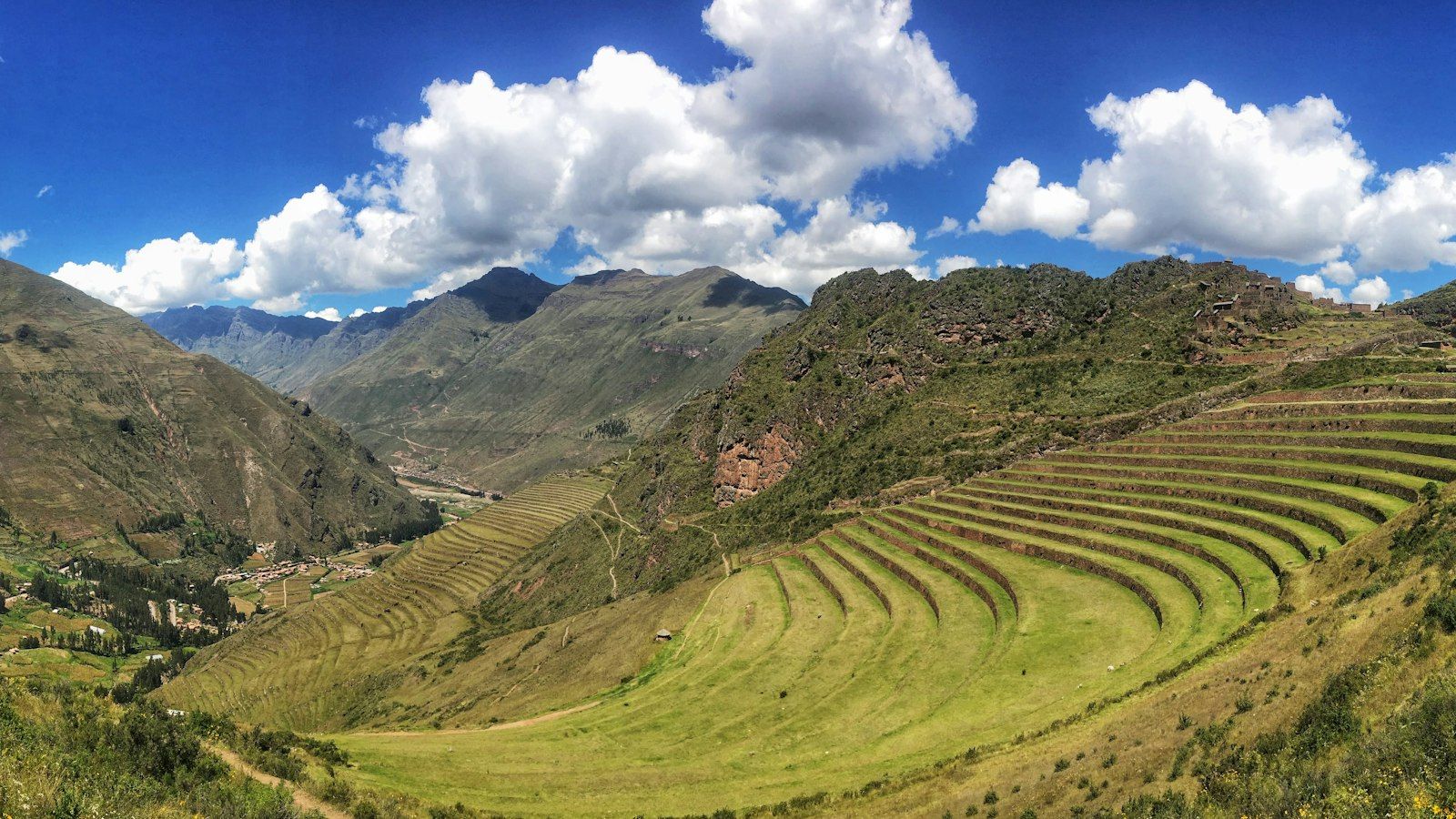
A living Inca town at the far end of the Sacred Valley. People still walk the original stone grid, a terraced fortress rises over the plaza, and the train to Machu Picchu leaves from the bottom of the hill. Best time to visit: April to October. Daily budget (budget traveller): $40 to $160 USD.
Land in Cusco, drop straight down to Ollantaytambo
Morning: Fly into Cusco (CUZ). Take a pre-booked transfer directly to Ollantaytambo (1.5 to 2 hours) or a taxi to Calle Pavitos for a shared colectivo (around S/15 to S/20).
Afternoon: Check in, drink plenty of water and rest. Take a slow walk around the Plaza de Armas and buy the Boleto Turístico in cash if you plan to use it tomorrow.
Evening: Early dinner at Chuncho on the plaza. Sopa de quinua is easy on an altitude-tired stomach. Skip the pisco tonight.
Fortress at opening, Pinkuylluna in the afternoon
Morning: Be at the fortress gate when it opens, around 7am, but check the current hours. Climb the terraces to the Temple of the Sun monoliths, then walk down to the Baño de la Ñusta fountains.
Afternoon: Menú del día lunch in the back streets, then climb the Pinkuylluna trail off Calle Lares (free, sign the logbook). Allow about 1 to 2 hours, and leave well before guards clear the site in late afternoon.
Evening: Wander the Inca grid north of the plaza at dusk. Dinner at Puka Rumi or Hearts Café.
Pumamarca and the Patacancha valley
Morning: Start early. Take a taxi up to Pumamarca and walk back down, or hike the full route of about 13 kilometres return with 560 metres of climbing (4.5 to 5 hours). Carry about S/10 for the community fee, plus water and a walking pole for dogs.
Afternoon: Back in town for a late lunch of grilled trout. Rest your legs in a river-garden hammock at your guesthouse.
Evening: Look for a red flag on a pole and try a glass of chicha de jora, then have an early night.
Moray terraces and the Maras salt pans
Morning: Hire a taxi for the morning (agree the price and waiting time first). Visit Moray's circular terraces with your Boleto, then Maras village.
Afternoon: Walk through the Salineras de Maras (about S/15 to S/20, cash) and down to the Urubamba river. Catch a colectivo on the valley road back via Urubamba.
Evening: Pack a small daypack for Machu Picchu, leave your big bag with your guesthouse and print or screenshot your tickets.
Train down the gorge to Aguas Calientes
Morning: Walk 10 minutes down to the station for a mid-morning PeruRail or Inca Rail train (1 hour 20 minutes to 1 hour 45 minutes). Sit on the left heading down for the best river views.
Afternoon: Check in to Aguas Calientes, buy your Consettur bus ticket (about US$24 return) and confirm your Machu Picchu entry time and circuit.
Evening: Soak at the town's thermal baths if you like, then have dinner early. Queue times for the first buses mean an early start.
Heading home: Check in to Cusco to continue your trip, or stay near the airport for an early flight.
What to eat in Ollantaytambo
- Trucha a la plancha: river trout grilled with garlic and served with rice, potatoes and salad. It's the valley's signature cheap lunch, often included in a menú del día for S/12 to S/20.
- Cuy al horno: roast guinea pig, a celebration dish in the Andes. Try it at a sit-down restaurant such as Chuncho on the plaza, where the kitchen showcases Andean produce.
- Sopa de quinua: a hearty quinoa and vegetable soup that starts most set lunches. It's ideal at altitude when your appetite is low.
- Choclo con queso: giant-kernel Andean corn eaten with a slab of fresh cheese, sold by women in the plaza and at the station.
- Chicha de jora: a mildly fermented maize beer sold by the glass in family homes marked with a red flag or plastic bag on a pole. Try chicha morada, a non-alcoholic purple corn drink, if you'd rather avoid alcohol.
- Lomo saltado: wok-fried beef with onions, tomatoes and chips. Order it at cafés like Hearts Café, whose profits support community projects, or Puka Rumi near the plaza.
- Pisco sour: Peru's signature cocktail of grape brandy, lime and egg white. Have one at El Albergue Restaurant on the station platform while you wait for an evening train.
Hidden gems
- Ñaupa Iglesia near Pachar, a few kilometres east of town, is a carved Inca shrine set inside a natural rock overhang. It's free and has very few visitors.
- The full-day hike from the Inca quarries of Cachiccata up to the Inti Punku (Sun Gate) of Ollantaytambo is tough, so start before sunrise and carry at least 2 litres of water.
- The walk from Maras village down through the Salineras to the Urubamba river avoids the tour-bus car park. You still pay the salt pans fee, and you can pick up a colectivo on the valley road.
- The dawn view from the Pinkuylluna trail as light hits the fortress terraces opposite. Arrive when it opens and you may have the granaries to yourself.
- Weaving villages up the Patacancha valley, such as Willoq, where traditional red textiles are still made. Go with a community-run visit rather than turning up unannounced.
Getting around
Ollantaytambo itself is tiny, so walk. Everything from the plaza to the station takes about 10 minutes, but the cobbles are uneven and the main road through town carries tour buses. Shared colectivos to Cusco leave from the main plaza and the station road and drop you at Calle Pavitos in central Cusco. They take 1.5 to 2 hours and cost around S/15 to S/20, paid in cash. They leave when full, from early morning into the evening. Local colectivos to Urubamba take about 30 minutes and cost a few soles. From Urubamba you can change for Pisac or for Chinchero and Cusco. For Moray and the Maras salt pans, a private taxi for the morning is the simplest option. Agree the price and waiting time beforehand, and expect roughly S/100 to S/180, so check locally. The only way to Aguas Calientes, apart from trekking, is the train. PeruRail and Inca Rail run on the same track from Ollantaytambo station, and standard class costs roughly US$60 to US$90 each way. From Aguas Calientes, Consettur buses climb to the Machu Picchu gate for about US$24 return, or you can walk the steep stairs for free.
Safety
Ollantaytambo is a safe, friendly town, and violent crime against visitors is rare. The main hazard is altitude. The town sits at around 2,800 metres, and Moray and Maras are higher, so take the first day or two easy, drink plenty of water, go light on alcohol and see a doctor about medication before you travel. The Andean sun is fierce even when it feels cool, so use high-factor sunscreen and a hat. Watch your bags at the station, in colectivos and around the plaza at busy train times. Stray and farm dogs are common on rural trails such as the Pumamarca route, so carry a walking pole and keep a calm distance. Pinkuylluna and the fortress terraces are steep, without railings in places, so wear shoes with good grip. In the rainy season, from roughly November to March, landslides and strikes (paros) can delay trains and roads. Keep a buffer day before international flights. Don't drink the tap water.
Frequently asked questions
What does this 5-day Ollantaytambo itinerary cover?
Day 1: Land in Cusco, drop straight down to Ollantaytambo. Day 2: Fortress at opening, Pinkuylluna in the afternoon. Day 3: Pumamarca and the Patacancha valley. Day 4: Moray terraces and the Maras salt pans. Day 5: Train down the gorge to Aguas Calientes.
Is 5 days enough for Ollantaytambo?
Our recommended trip length for Ollantaytambo is 4 to 7 days. This 5-day plan focuses on the highlights and groups sights by area so you spend less time travelling between them.
How much does 5 days in Ollantaytambo cost?
A budget traveller spends about $40 to $160 USD a day in Ollantaytambo, so roughly $200 to $800 USD for 5 days, not counting flights.
Where should I stay for 5 days in Ollantaytambo?
Plaza de Armas and the Inca grid (Qosqo Ayllu): The heart of town. Avenida Ferrocarril (station quarter): The lane running down from the plaza to the railway station, about ten minutes on foot.
When is the best time to visit Ollantaytambo?
The best time to visit Ollantaytambo is April to October.
How do I get around Ollantaytambo?
Ollantaytambo itself is tiny, so walk. Everything from the plaza to the station takes about 10 minutes, but the cobbles are uneven and the main road through town carries tour buses.
Is Ollantaytambo safe for solo travellers?
Ollantaytambo is a safe, friendly town, and violent crime against visitors is rare. The main hazard is altitude.
More 5-day guides
- Colca Canyon in 5 days
- Huaraz in 5 days
- Lima in 5 days
- Cusco in 5 days
- Arequipa in 5 days
- Trujillo in 5 days
- Iquitos in 5 days
- Puno in 5 days
Ollantaytambo in 2 days | Ollantaytambo in 3 days | Ollantaytambo in 4 days | Ollantaytambo in 7 days | Full Ollantaytambo guide
Joy Plus home | Destinations | Itineraries | Activities | Flights | Budget planner | Calendar | Map | Blog | Lifetime access