St. Moritz in 3 days
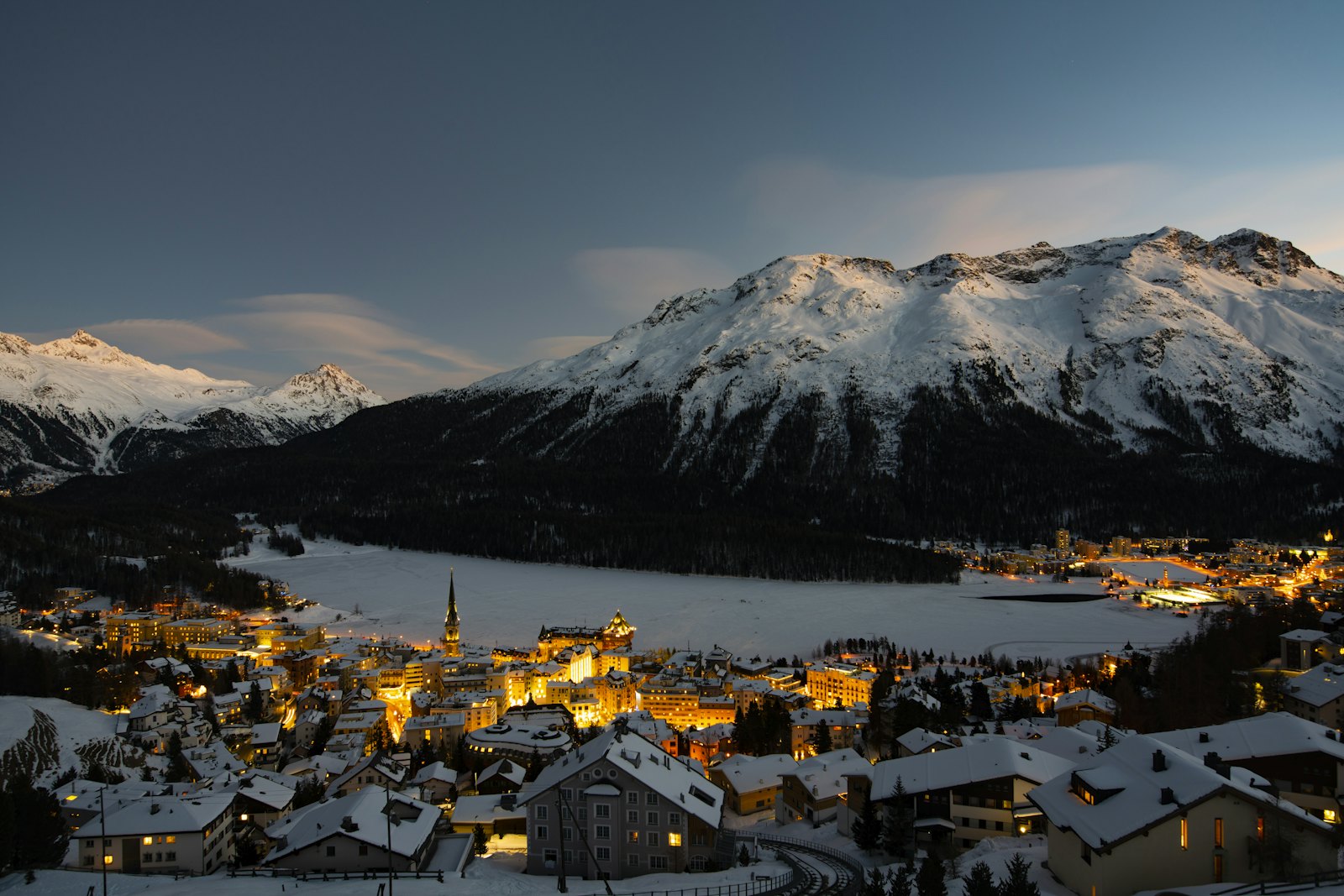
A high Alpine resort town above a lake, where you can ride old red trains over glacier passes, take a funicular up to sunset views and walk to quiet mountain lakes, with the sun out on most days. Best time to visit: Late June to September, or December to March for snow. Daily budget (budget traveller): CHF 150 to CHF 500.
Arrive by train and walk the lake
Morning: This plan assumes summer, with lifts running. Take a mid-morning train from Zurich, changing at Chur. Sit on the right after Chur for the Albula viaducts and tunnels near Filisur and Bergün.
Afternoon: Drop bags in St. Moritz Bad, buy picnic supplies at a supermarket and walk the roughly 4km loop round Lake St. Moritz, about an hour at an easy pace.
Evening: Fondue at the youth hostel's fondue parlour, or a simple dinner in Bad. Early night, because the altitude tires you out on day one.
Dorf, Segantini and Lej da Staz
Morning: Walk up to Dorf. See the Leaning Tower, browse Via Serlas and have coffee and Nusstorte at Hanselmann. Check whether the Engadiner Museum is open.
Afternoon: The Segantini Museum on Via Somplaz opens Tuesday to Sunday from 11am to 5pm in season (CHF 15). Allow an hour, then rest in the lakeside park.
Evening: Walk through the forest to Lej da Staz, about 45 minutes, for the evening light on the water. Walk back or carry on to Pontresina and take the train.
Corviglia and Piz Nair
Morning: Ride the funicular from Dorf to Corviglia, then the cable car up Piz Nair to just over 3,000m. Bring a warm layer even in August.
Afternoon: Walk down signposted trails past high lakes towards Corviglia and Marguns, then take the gondola down to Celerina. Picnic on the way.
Evening: Wander Celerina's old painted houses, then take the bus or train back. Dinner in Dorf, or self-cater to save money.
Heading home: Collect bags, buy a Nusstorte for the journey and take an afternoon train back towards Chur and Zurich. Arrive in Zurich in the evening, or stay a night near the airport for an early flight.
What to eat in St. Moritz
- Capuns: chard leaves wrapped round a spätzle-style dough with dried meat, served in a creamy broth, the classic Graubünden dish
- Pizokel: short buckwheat or wheat noodles fried with cabbage, potatoes and cheese, hearty food after a long walk
- Engadiner Nusstorte: a dense shortcrust tart filled with caramelised walnuts. Hanselmann in Dorf has sold it for generations, and it keeps well as trail food
- Bündnerfleisch and salsiz: air-dried beef and small dried sausages, often served on a cold platter with bread, so ideal for a cheap picnic
- Bündner Gerstensuppe: a thick barley soup with vegetables and smoked meat, cheap and filling at mountain huts
- Fondue at the St. Moritz Youth Hostel, which runs its own fondue parlour, an easy way to share a table with other travellers
Hidden gems
- Lej da Staz, a small forest lake about 45 minutes' walk from town, with a little beach, cold swimming in summer and a trail on to Pontresina
- The Mili Weber House in St. Moritz Bad, the home of a local painter filled with her fairy-tale murals. Visits are by guided tour, so book ahead
- The Philosophers' Path at Muottas Muragl, a short, easy trail with quotes and benches facing one of the best views in the valley
- The regular Bernina line trains, which use the same track as the Express with opening windows and no seat supplement, and in high summer have run open-air carriages
- Soglio in Val Bregaglia, a stone village on a terrace above chestnut woods, about 90 minutes away by PostAuto via Maloja and much warmer and greener than the Engadine
Getting around
St. Moritz is easy without a car. The town is compact, but there is a steep climb between the station, the lake and Dorf, so use the lifts and escalators where you find them. Engadin Bus runs local lines between Dorf, Bad and Champfèr, and regional buses go to Celerina, Pontresina, Silvaplana, Sils and Maloja. Rhaetian Railway (RhB) trains link St. Moritz with Celerina, Samedan, Pontresina, Punt Muragl and the Bernina line. Single fares on local buses cost a few francs, but you rarely need to buy them. In summer, participating hotels give free use of Upper Engadine mountain railways from your second night, and many include buses and trains too. The 2026 offer ran from 1 May to 31 October. In winter, the Engadin ski pass includes public transport in the Upper Engadine. Swiss Travel Pass and Half Fare Card holders get free or half-price trains and buses, but most cable cars are not covered by the pass. Bikes and e-bikes are easy to hire in summer, and the valley floor is flat. Taxis are expensive, so keep them for late nights or heavy luggage.
Safety
St. Moritz is very safe, and crime against visitors is rare. The real risks are the mountains and the altitude. At around 1,800m, and over 3,000m on Piz Nair or Diavolezza, you may feel breathless or get headaches on the first day, so drink water and take it slowly. The sun is strong all year, especially on snow, so wear sunglasses and high-factor sunscreen. Mountain weather turns quickly, even in July. Carry a warm layer and a waterproof, check the forecast and the last lift down, and tell someone your route if you hike alone. In winter, only walk on frozen lakes once they are officially opened, and never ski off-piste without avalanche gear and local knowledge. Pavements in Dorf get icy, so shoes with good grip help. The general emergency number is 112, the ambulance is 144 and Rega air rescue is 1414. Swiss healthcare is excellent but costly, so take travel insurance that covers mountain sports and rescue.
Read more about St. Moritz
More 3-day guides
- Bern in 3 days
- Basel in 3 days
- Zurich in 3 days
- Geneva in 3 days
- Lucerne in 3 days
- Interlaken in 3 days
- Zermatt in 3 days
- Montreux in 3 days
St. Moritz in 5 days | St. Moritz in 7 days | Full St. Moritz guide
Joy Plus home | Destinations | Itineraries | Activities | Flights | Budget planner | Calendar | Map | Blog | Lifetime access