First-Time Solo Travel Fears: 7 Common Worries and What Actually Helps
Mar 24, 2026, 12 min read. Last updated Nov 9, 2026
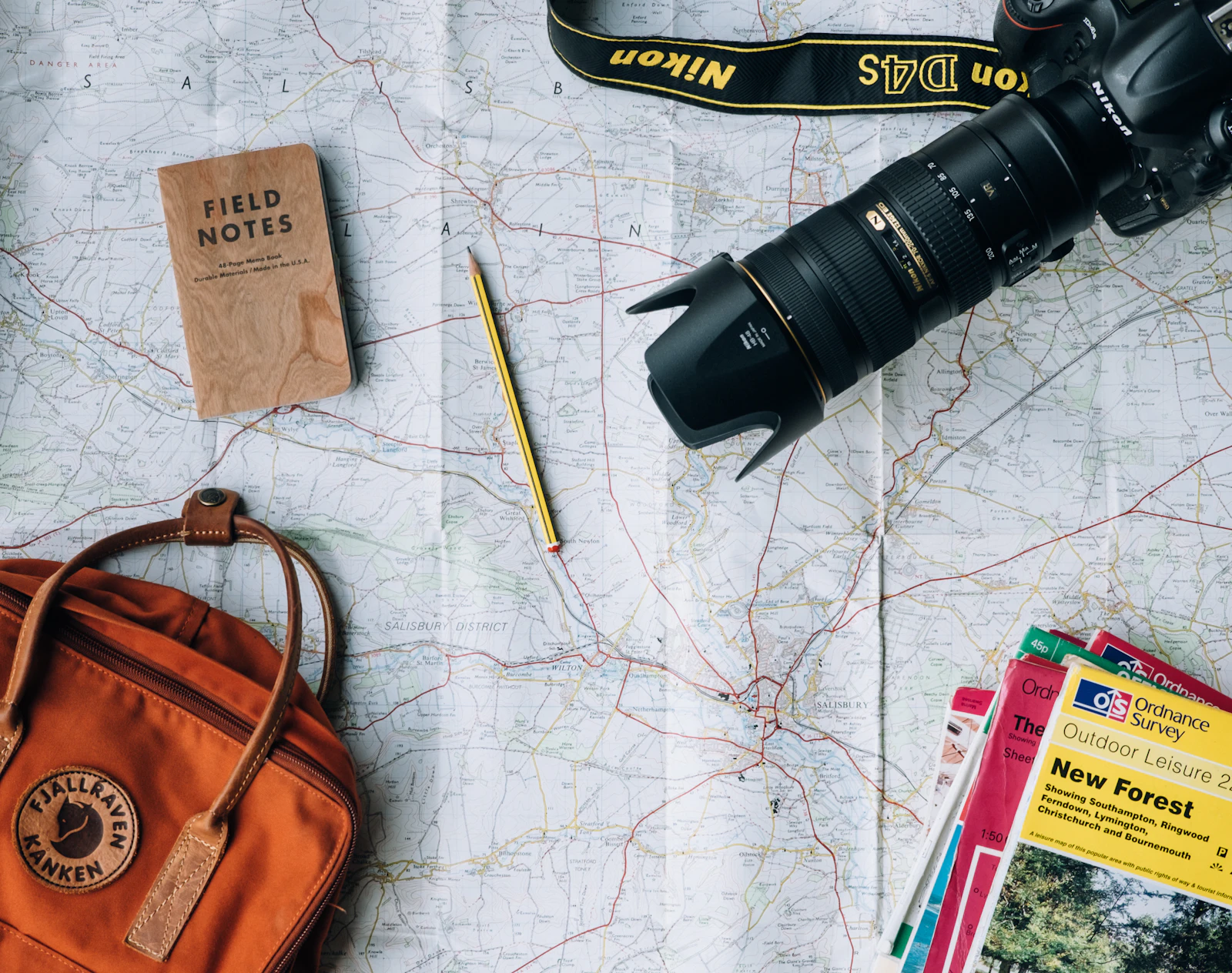
Seven common fears before a first solo trip, with a practical fix for each: from emergency numbers and insurance to eating alone and meeting people.
Many people who love travelling alone were nervous before their first trip. That is normal, and it is useful: each fear points to something you can prepare before you go. Most of it takes an evening, not a personality change.
Below are seven fears that come up often, from loneliness to getting ill with no one around. Each one gets a plain answer, with official sources where it matters: UK, US and Canadian travel advice, EU rules and national tourist boards. Facts were checked on 7 November 2026, so recheck anything time-sensitive before you book.
Fear 1: I will be lonely
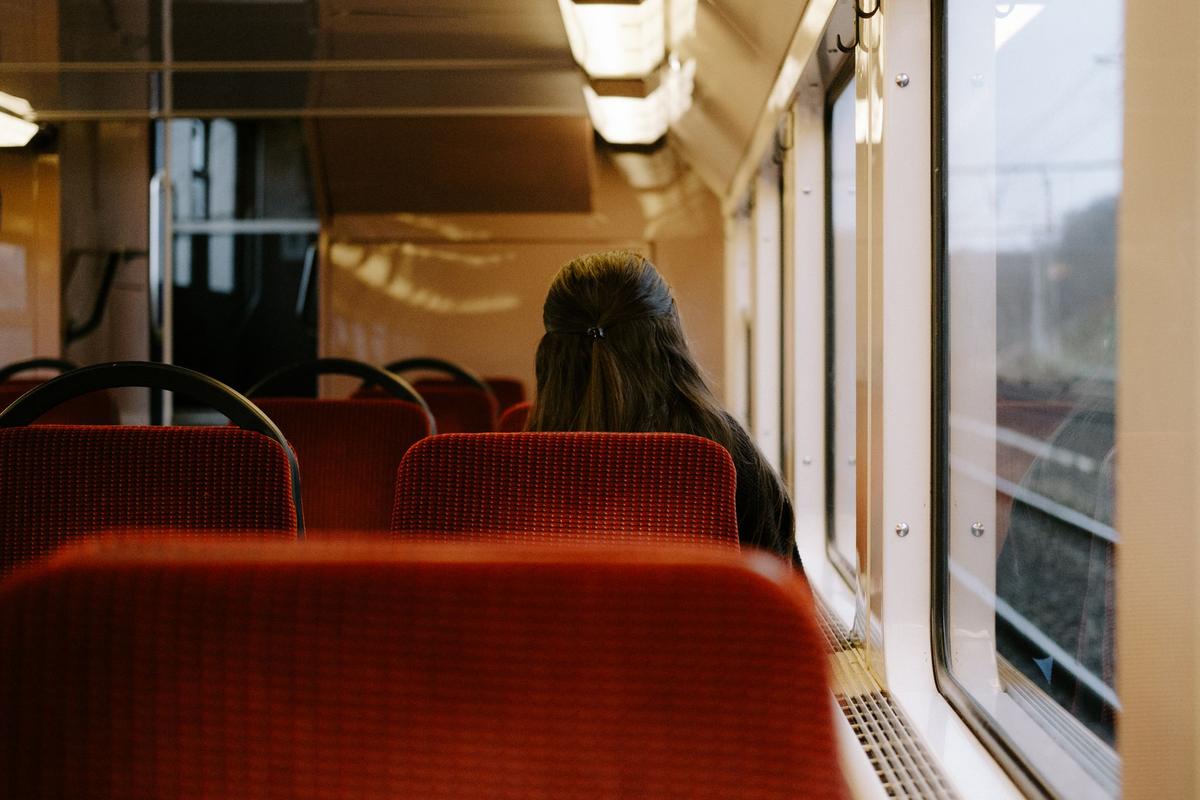
Loneliness tends to arrive in quiet moments, like the first evening or a rainy afternoon. Plan for those moments instead of hoping they will not come.
- Book a social base: For the first nights, choose a hostel with private rooms or a guesthouse with a shared kitchen. You get a lock on your door and people to talk to.
- Plan company for day one or two: A walking tour, cooking class or group day trip gives you instant company. Browse ideas in Joy Plus activities.
- Keep your people close: The FCDO's mental health abroad guidance says to stay in touch with the people who usually support you. Agree a regular call time.
- Know where to turn: If low mood becomes more than homesickness, the FCDO points travellers to Befrienders Worldwide, which has a directory of confidential helplines.
- Give it a few days: Quiet time often turns into the part people miss later: a long lunch, a book, a walk with no one to negotiate with.
Fear 2: It will not be safe
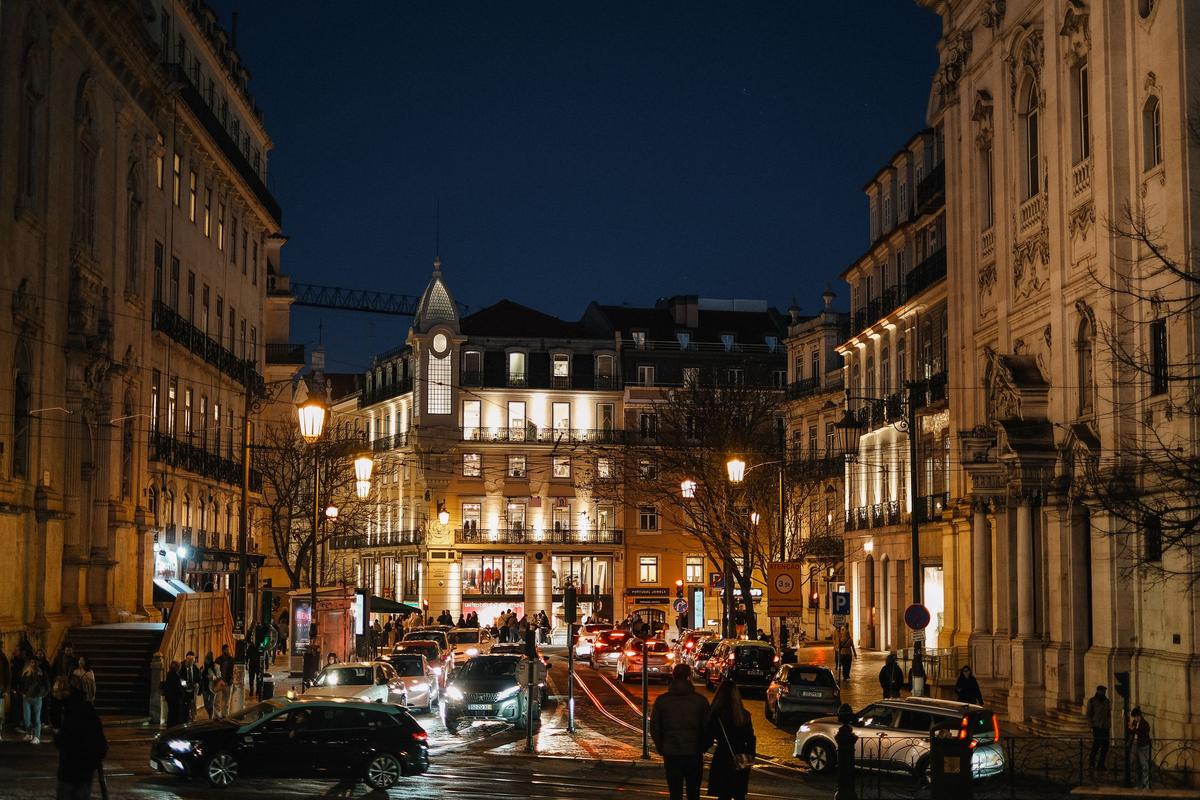
Where you go and how you travel make a big difference to your risk, and most risks have simple, well-known fixes. Official travel advice is free, updated often and written for exactly this question. For more, read our solo female travel safety tips.
- Read official advice first: Check the UK FCDO travel advice for your destination and sign up for its email alerts. US and Canadian services are listed under Fear 7.
- Learn the risk scale: Canada rates countries on four levels, from "take normal security precautions" to "avoid all travel". For a first trip, choose the lowest level.
- Protect your arrival: The FCDO's solo travel advice says you are most vulnerable when you first arrive. Book your first night and an airport transfer before you fly.
- Guard your drink: FCDO advice for women is to never leave drinks unattended or accept them from strangers. Canada reports drink spiking in Tokyo nightlife areas such as Kabukicho and Roppongi.
- Share your plans: Leave your itinerary with one person at home and agree how often you will check in, as the FCDO recommends.
- Leave when it feels wrong: In the FCDO's words, "being safe is more important than being polite". Walk away, change seats or call the police.
Fear 3: I will get lost
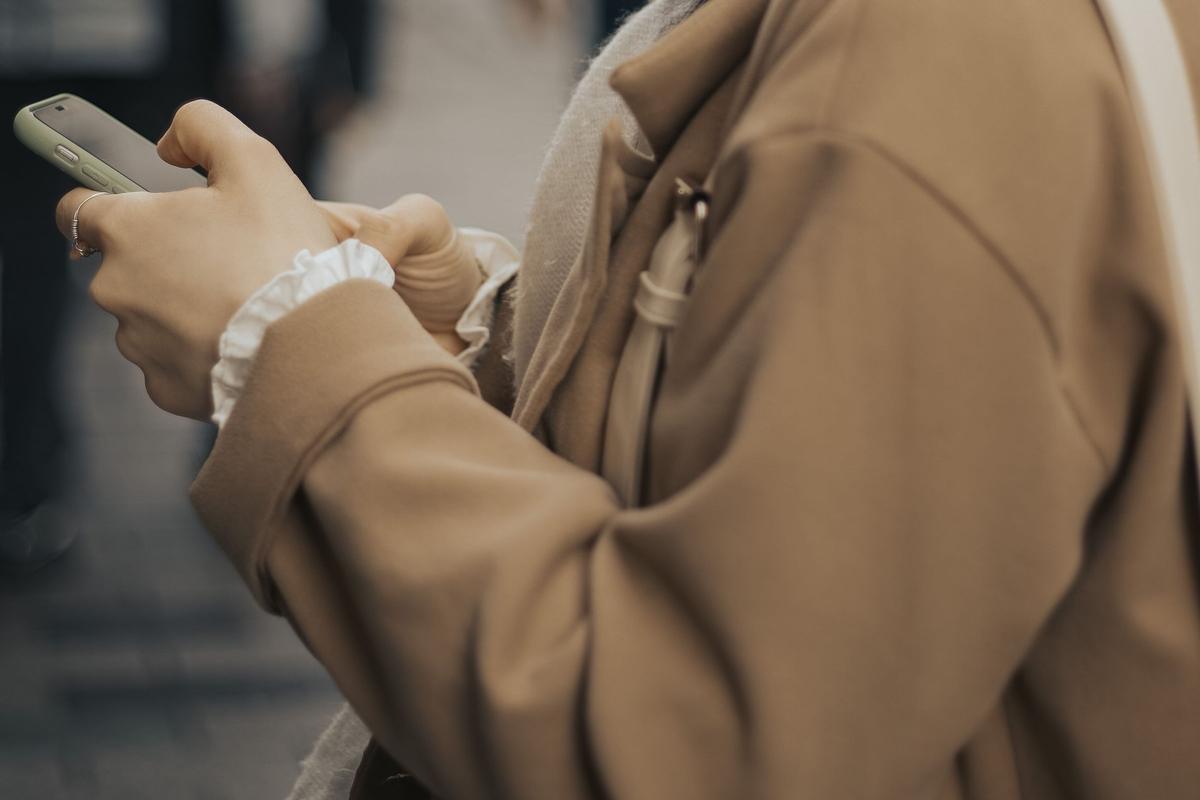
You probably will, briefly, and it is rarely dangerous. What helps is having the map, the address and mobile data sorted before you land.
- Download offline maps: Google Maps lets you save an area to your phone. Its help page notes walking and transit directions do not work offline, so you still want data.
- Get data on landing: If your phone supports eSIM, one bought before you fly can connect as soon as you land. Our travel eSIM guide explains how they work.
- Keep the address offline: Screenshot your accommodation's address, ideally in the local script too, so you can show a driver without signal.
- Have a paper backup: The FCDO suggests a backup plan for key details such as your accommodation, in case you lose your phone. A note in your wallet is enough.
- Use licensed taxis only: The FCDO advises arranging airport transfers before you arrive and using only official, licensed taxis.
Fear 4: Money, cards and scams
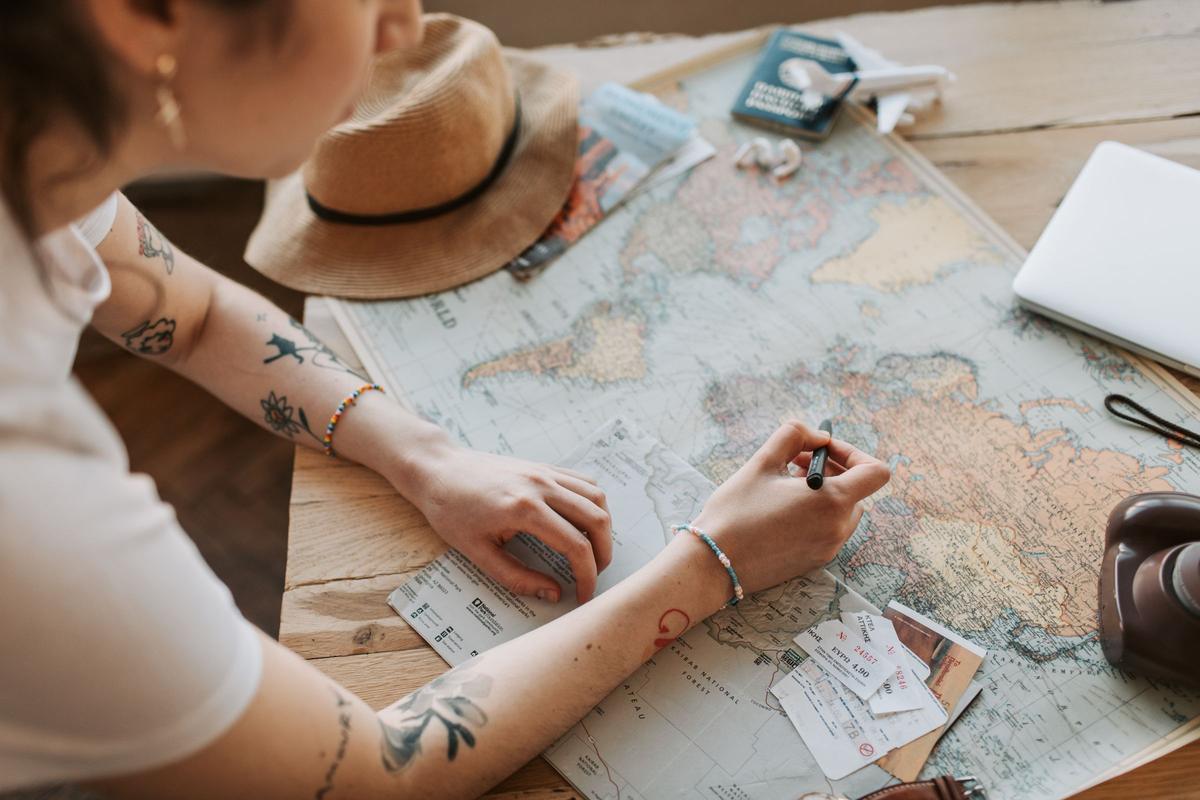
A lost or blocked card is a common money problem, and one of the easiest to plan for. Scams are local and well documented, so read up on your destination.
- Carry two ways to pay: Keep a second card in a different bag. The FCDO says to know how to stop a lost or stolen card being used.
- Pay in local currency: When a card machine offers your home currency, say no. The EU's Your Europe guidance says local currency is often cheapest and you can always refuse.
- Do not count on the embassy for cash: The FCDO says it cannot 'pay your bills or give you money'. Your bank may offer emergency cash if a card is lost.
- Use ATMs inside banks: Canada's advice for Slovenia, for example, recommends ATMs in public areas or inside banks because card and ATM fraud occurs.
- Read the local scam list: The FCDO warns of bar bill disputes in Tokyo nightlife districts. In Thailand, it says not to leave your passport with jet ski hire firms.
- Mind your bag on busy routes: Canada's Portugal advice names Lisbon's trams 15, 25 and 28 as places to be extra careful with belongings.
Fear 5: Eating alone
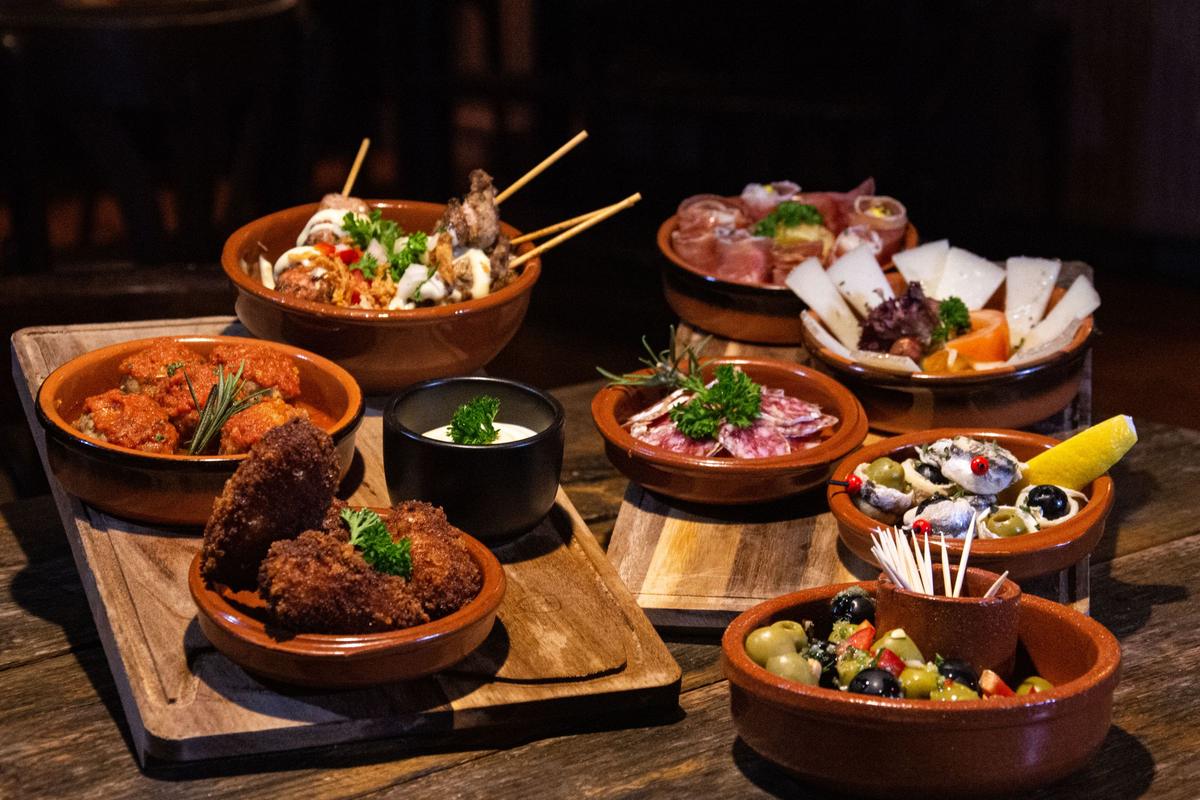
For many people this fear fades quickly. A few habits make the first meals easy.
- Sit at the counter or bar: Bar seats suit one person, staff chat more, and you can watch the kitchen. Tapas bars and Japanese counter restaurants work well.
- Try a place built for one: Ichiran, a Japanese ramen chain, seats diners at counters with a partition between each seat. It calls them Flavor Concentration Booths.
- Start with lunch: A midday meal feels less exposed than a candlelit dinner, and you can save the evening for a market or a show.
- Book a food tour: A food tour or cooking class turns dinner into a group event. You may leave with someone to eat with tomorrow.
- Bring something to do: A book, a journal or tomorrow's plan on your phone. After a few meals you may stop needing it.
Fear 6: Getting ill abroad
Getting ill or hurt can happen on any trip, and treatment abroad can be very expensive. Good insurance covers the bills and gives you an emergency number to call.
- Buy insurance when you book: The FCDO says to buy cover as soon as you book. Its travel insurance guidance adds that undeclared health conditions may invalidate a policy.
- Know what care costs: Without insurance, the FCDO says a broken leg in Spain can cost £25,000 or more. A stomach bug treated in a US hospital can cost £150,000 or more.
- UK travellers, get a GHIC: The UK Global Health Insurance Card is free from the NHS. It covers state healthcare in EEA countries and a few others, but it does not replace insurance.
- Check vaccines early: The FCDO checklist says to check vaccinations and health precautions at least 8 weeks before you travel. The US CDC says at least 4 to 6 weeks.
- Carry your policy: The FCDO suggests carrying a printed copy of your health insurance documents. Save the insurer's emergency number in your phone too.
- Use local helplines: Japan's Visitor Hotline (+81 50 3816 2787) helps with illness, accidents and disasters 24 hours a day in English, Chinese and Korean.
Fear 7: No one will help if it goes wrong
You are less alone than it feels. Your government, your insurer and local services all have helplines, so save them before you need them.
- UK travellers: There is no routine trip registration, but you can sign up for FCDO email alerts. The FCDO's 24/7 line is +44 20 7008 5000.
- US travellers: Enrol in the free Smart Traveler Enrollment Program for embassy alerts. The State Department's emergency line from abroad is +1 202 501 4444.
- Canadian travellers: Registration of Canadians Abroad is free. The Emergency Watch and Response Centre answers 24/7 on +1 613 996 8885.
- Lost passport (UK): An emergency travel document costs £125 and is usually ready to collect 2 working days after you apply.
- Know the limits: The FCDO can help you find a local doctor and, with your consent, update your family, but it cannot pay your bills or give you money. That is what insurance is for.
Emergency numbers to save
Save these in your phone before you fly. Your home emergency number may not work abroad, so check the advice page for each country on your route.
- EU: 112 is free from mobiles and landlines in every EU country, says the European Commission. Switzerland uses it too.
- UK: Both 999 and 112 reach the emergency services.
- Japan: 110 for police, 119 for fire and ambulance.
- Thailand: 1669 for an ambulance and 191 for police. The Tourist Police hotline, 1155, runs 24 hours a day, says the Tourism Authority of Thailand.
- Everywhere else: Canada's country pages list local emergency numbers, as its Portugal and Japan pages do.
Choosing your first destination
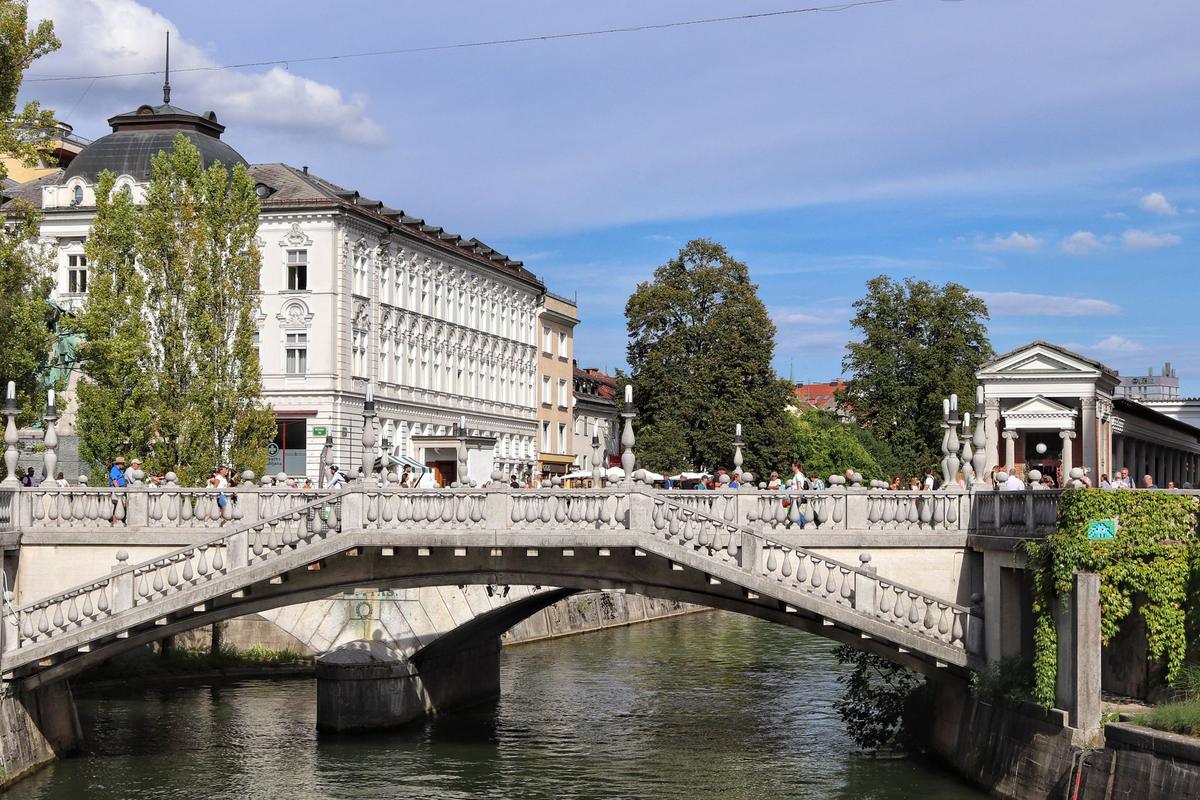
An easy first trip is not about being exotic. It is about low crime, simple transport and enough other visitors that nothing feels strange.
- Start with peaceful countries: The 2026 Global Peace Index top 10 is Iceland, New Zealand, Switzerland, Slovenia, Ireland, Austria, Portugal, Singapore, Finland and Japan.
- Know what it measures: The index scores safety and security, conflict and militarisation at country level. It says little about one street at night, so read local advice too.
- Check the advice level: Canada rates Portugal, Slovenia and Japan "take normal security precautions", its lowest level. Canada still warns that pickpocketing and bag snatching are common in Lisbon and Porto.
- City ideas: Lisbon, Porto, Ljubljana and Tokyo all sit in those countries. Our Tokyo first-time guide covers the basics.
- Keep it short: Four to seven days is enough to settle in without the trip feeling huge. A ready-made plan like Lisbon in 3 days takes the pressure off.
- Save harder places for later: Canada rates Mexico "exercise a high degree of caution" because of crime and kidnapping, with stricter advice for some regions. It can wait until your second or third trip.
How to meet people without forcing it
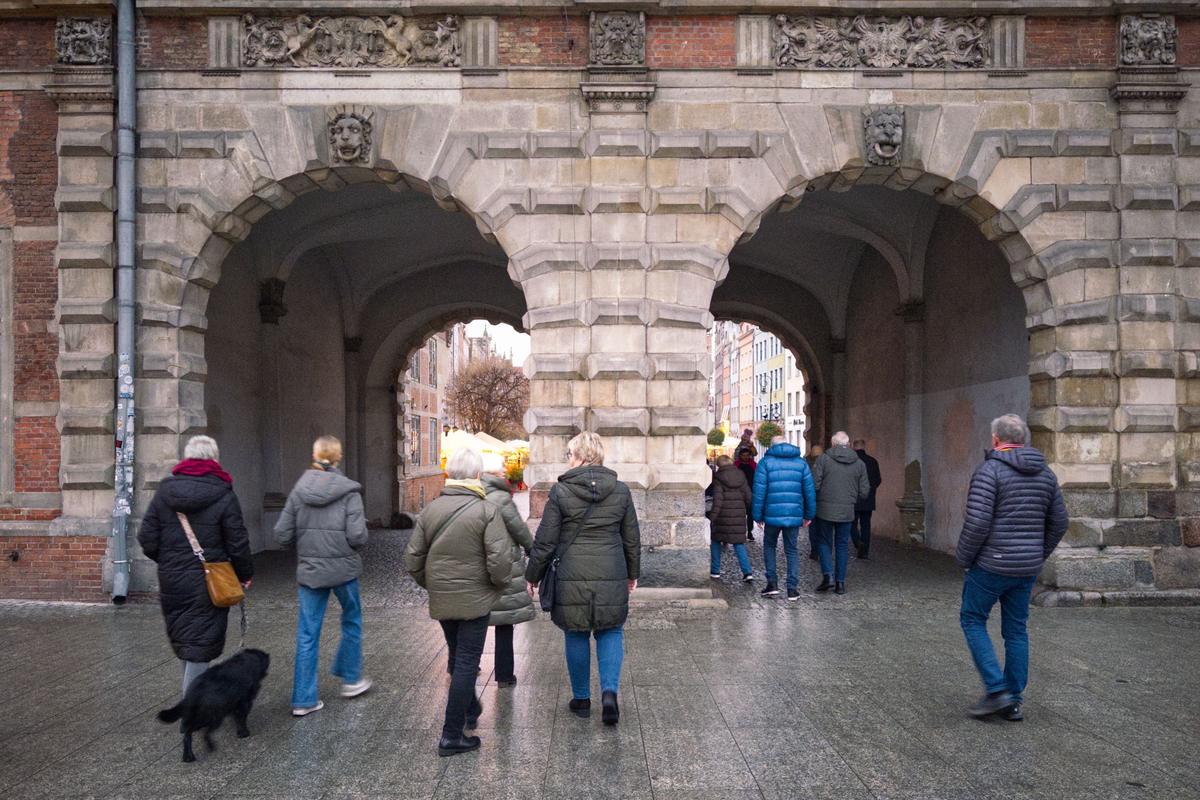
Meeting people is often easier alone than in a pair, because you look more approachable. A few set-ups do most of the work.
- Hostel common rooms: Choose a hostel with a common room or bar. You can book a private room and still join in.
- Walking tours: A morning walking tour gives you a group, a guide to ask questions and an easy chance to suggest coffee afterwards.
- Classes over bars: Cooking classes, surf lessons and group day trips give you something to do together besides small talk.
- Small openers: "Is this seat free?" works better than a big line. More ideas in making friends while travelling solo and meeting people without the awkwardness.
- Meet in public: Keep first meet-ups in busy places and tell someone where you are going, the same rule you would use at home.
Plan it with Joy Plus
Most first-trip fear is fear of the unknown. Joy Plus builds a day-by-day itinerary with a map, so you can see what each day looks like before you go. The trip hub keeps your bookings, flight alerts, budget and packing list in one place. Start planning your first solo trip
Frequently asked questions
Is it normal to be scared before a first solo trip?
Yes, and the fear tells you what to prepare. The FCDO says travellers are most vulnerable when they first arrive in a new country, so planning the arrival removes a lot of the worry. Before you fly, book your first night and an airport transfer, download offline maps and share your itinerary with one person at home.
What is the best country for a first solo trip?
Pick somewhere peaceful, easy to get around and on the lowest level of official travel advice. The 2026 Global Peace Index top 10 includes Portugal, Slovenia, Ireland and Japan, and Canada rates Portugal, Slovenia and Japan "take normal security precautions". Cities such as Lisbon, Porto, Ljubljana and Tokyo suit a first trip of four to seven days.
Does the 112 emergency number work everywhere?
No. 112 is free from mobiles and landlines in every EU country, and the European Commission says Switzerland and South Africa use it too. In the UK, both 999 and 112 work. Japan uses 110 for police and 119 for fire and ambulance, and Thailand's Tourist Police answer 1155 around the clock. Check each country's travel advice page before you go.
Do I need travel insurance if I have a GHIC?
Yes. The NHS says the free UK GHIC is not a replacement for travel insurance. It gives access to state healthcare in EEA countries and a few others, at the price a local would pay. It does not cover private care, mountain rescue or medical repatriation. The FCDO says a broken leg in Spain can cost £25,000 or more without insurance.
Should I register my trip with my government?
If your country offers it, yes, and it is free. US citizens can enrol in the Smart Traveler Enrollment Program, and Canadians in Registration of Canadians Abroad, so officials can reach you in an emergency. The UK has no routine trip registration, but you can sign up for FCDO travel advice email alerts for each country you visit.
What happens if I lose my passport abroad?
Contact the nearest embassy or consulate of your country. British nationals can apply online for an emergency travel document, which costs £125 and is usually ready to collect 2 working days after applying. Keep your passport details and accommodation address saved offline and on paper, because the FCDO recommends a backup plan in case you lose your phone.
Should I pay in local currency or my home currency abroad?
Usually local currency. The EU's Your Europe service says paying in the local currency is often the cheapest option. Extra fees often make paying in your home currency more expensive. In the EU, shops must show the mark-up, and you always have the right to say no. Check your own card's foreign transaction fee before you travel.