Solo Travel Safety Tips Nobody Tells You: 8 Less Obvious Risks
Apr 26, 2026, 10 min read. Last updated Nov 9, 2026

Beyond watching your bag: the less obvious risks that catch solo travellers out, from fake visa websites to scooter crashes your insurance will not cover, and what official advice says to do about each.
Every safety list tells you to watch your bag and not walk down dark alleys. The problems that actually wreck solo trips are often duller and sneakier: a driver who is not your driver, a cash machine with a second card reader, a phone stolen while unlocked, a cheap cocktail made with fake spirits.
This guide covers eight of those risks, with what government travel advice and the companies involved say to do about each. If you are a woman travelling alone, our solo female travel safety guide covers rooms, getting home at night, spiking, dress and health. Emergency numbers and insurance basics are in first-time solo travel fears.
1. Fake taxis and ride-share mix-ups
The risk is not just being overcharged. The FCDO's Mexico advice says unlicensed taxi drivers have robbed and assaulted passengers, including in Mexico City.
- Check the plate: Uber's help pages say to confirm the plate in the app matches the car before you get in. Check the photo, make and model too.
- Ask, do not tell: Uber suggests asking the driver who they are there to pick up, rather than saying your own name first.
- Street touts: the FCDO's Indonesia advice warns about drivers who claim to be on an app but approach people in the street.
- At airports: in Mexico the FCDO says to use only authorised prepaid airport taxis. In town, use sitio taxis from official ranks or ask your hotel to book.
- Share the trip: most ride apps let you share your live journey with a friend. The FCDO's Indonesia page suggests it.
2. Card skimming and ATM tricks
A skimmer is a hidden reader fitted to a cash machine or card terminal. Paired with a tiny camera or fake keypad, it copies your card and PIN.
- Pick the machine: Global Affairs Canada says to use ATMs in busy, well-lit places such as banks or hotel lobbies.
- Look before you insert: avoid readers with irregular or unusual features, and cover the keypad with your hand when you type your PIN.
- Fake help numbers: the FCDO warns that criminals in Indonesia sometimes stick fake phone numbers on ATMs to collect card details. Use the number on your card.
- Daylight: in Mexico, the FCDO says it is generally safer to use machines inside shops or malls during the day, and to avoid large withdrawals.
- Watch statements: Canada advises checking your statements during the trip and for several months after you get home.
- Two cards: carry a backup card from a different bank, kept apart from your main one, so one frozen card does not leave you stranded.
3. Phone theft and account lockouts
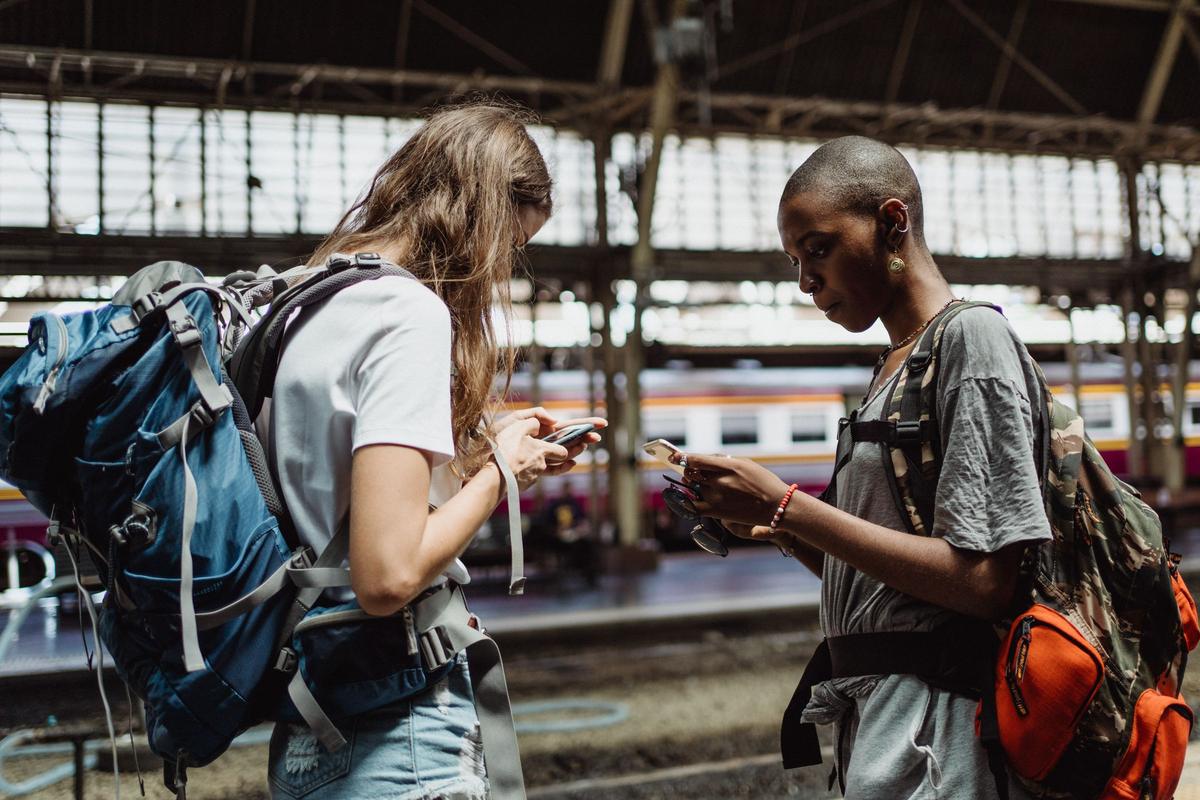
Losing the phone is bad. Losing your email, bank and two-step codes with it is worse, because you are locked out of everything at the moment you need it most.
- iPhone: turn on Stolen Device Protection before you travel. Away from familiar places, sensitive changes need Face ID or Touch ID, and some wait an hour.
- Android: Google's theft protection settings include Theft Detection Lock, which locks the screen if someone snatches the phone and runs. Menus vary by brand.
- Backup codes: Google lets you print a set of 10 backup codes, each usable once, to sign in without your phone. Most banks and email services offer something similar.
- Keep them apart: store the codes and a copy of your passport somewhere other than your phone, such as paper in your main bag.
- Snatch zones: the FCDO's Thailand page warns about bag snatchers on motorbikes. Keep your phone away from the kerb side when you use maps.
4. Methanol in cheap spirits
Methanol is a toxic alcohol sometimes mixed illegally into spirits. The UK's Travel Aware page says about 30ml can kill an adult and 10ml can cause blindness. FCDO country pages add that you cannot taste or smell it.
- Where: the FCDO launched a methanol campaign in July 2026, with warnings on many country pages, including Thailand, Indonesia, Laos, Vietnam and Mexico.
- Riskier drinks: free cocktails and shots, buckets and jugs, unlabelled bottles and branded spirits sold unusually cheap.
- Safer choices: branded beer, cider, wine and premixed drinks in sealed bottles or cans, from licensed bars, shops and hotels.
- Symptoms: early signs look like a bad hangover. Within 12 to 48 hours, blurred vision, tunnel vision or breathing trouble can follow.
- What to do: get urgent medical help, and do not sleep it off. Travel Aware says treatment works best within 10 to 30 hours of drinking.
Drink spiking is a different risk, covered in our women's safety guide.
5. Fake booking and visa websites
Search results for visas and cheap stays are full of copycat sites. Some charge far more than the official fee; others take the money and deliver nothing.
- Visas: apply on the government's own site. The US ESTA is at esta.cbp.dhs.gov, and the UK's electronic travel authorisation is on GOV.UK.
- Spot a copycat: look at the web address, not the logo. Lookalike domains and ads at the top of search results are the usual trap.
- Pay by card: ATOL's fraud alert says to pay by credit card where you can, and to be wary of anyone asking for a bank transfer.
- Check logos: fraudsters have used fake ATOL, ABTA and ABTOT badges. Check the company in the official directories.
- The scale: Action Fraud received 6,066 holiday fraud reports in 2024, with about £11.2 million lost, according to the same ATOL alert.
- Rentals: book flats through a platform and keep payment and messages on it. A host who asks you to pay off the platform is a red flag.
6. Scooters, motorbikes and your insurance
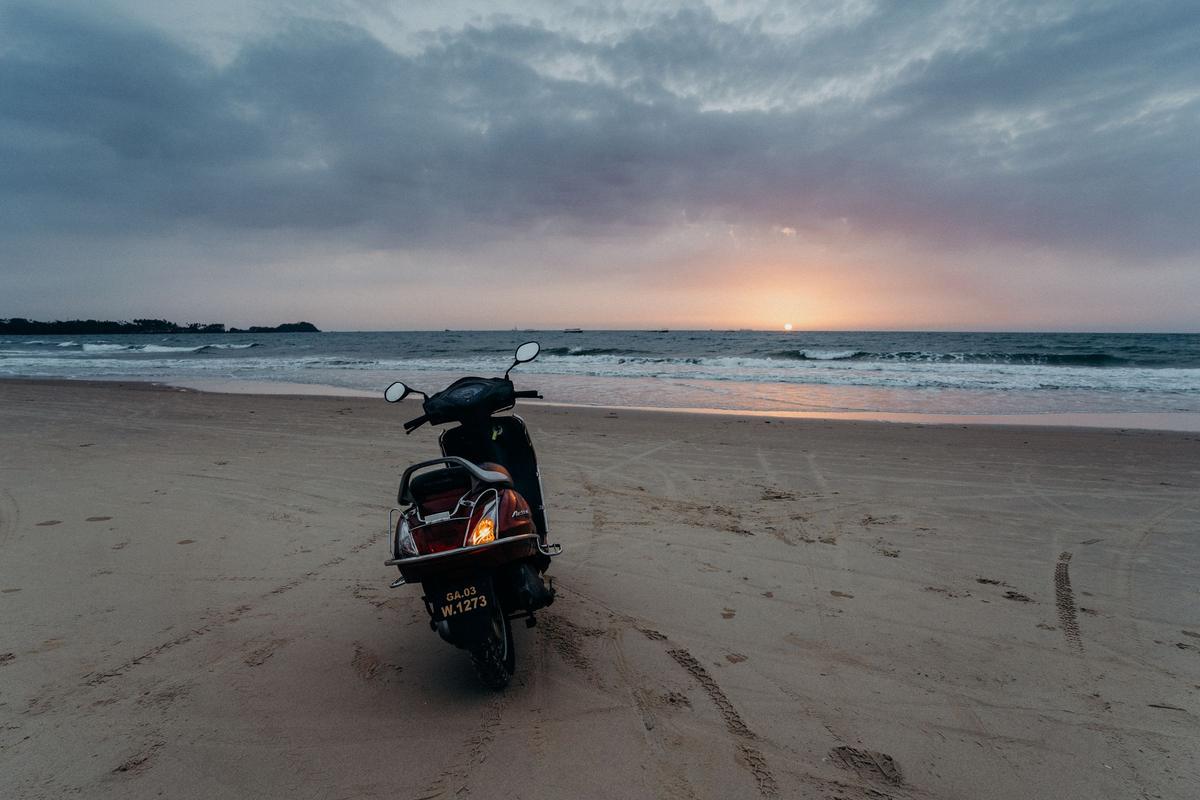
Hiring a scooter is cheap and freeing, and it is one of the commonest ways for a trip to end in hospital. The FCDO's Indonesia page says scooter and motorbike accidents, some fatal, have risen sharply in Bali.
- Licence: the FCDO says many insurers expect a valid licence for that type of vehicle. In Indonesia a UK licence alone is not enough; you need an International Driving Permit.
- Helmet: the FCDO warns that riding without a helmet can invalidate your insurance, and in Thailand a helmet is required by law.
- Read the policy: check engine size limits, passenger cover and third-party liability before you ride, not after a crash.
- Never leave your passport: the FCDO says not to hand it over as a deposit. Some rental firms in Thailand keep passports against claimed damage.
- Photograph the bike: take photos of every scratch before you ride off, with the owner in the frame if you can.
Planning a big ride such as the Ha Giang Loop? Our Ha Giang Loop guide explains when to hire a driver instead.
7. Water, weather and natural hazards
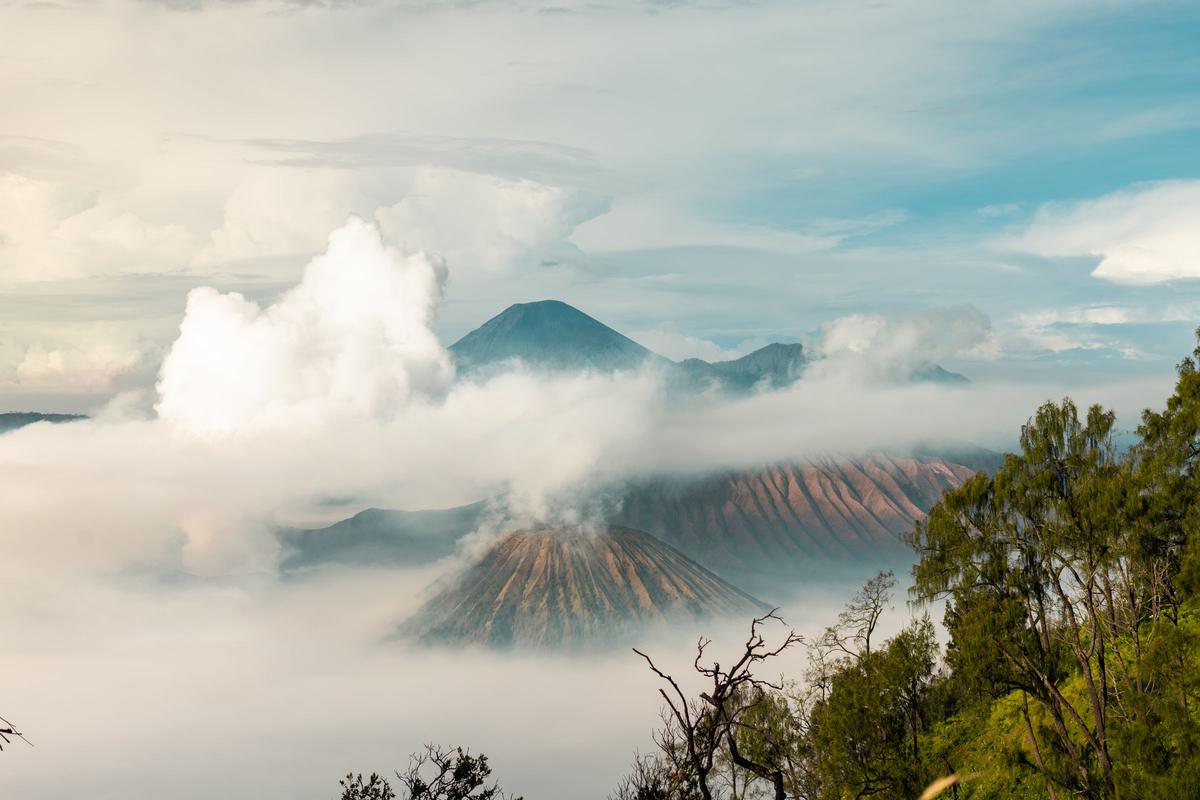
Riptides, flash floods, storms and earthquakes are real risks in many popular places, and they are easy to forget when you book a beach week.
- Season: the FCDO says Thailand's rainy season is generally May to October, but November to March on Koh Samui. Mexico's hurricane season runs from June to November.
- Flash floods: in Thailand, the FCDO warns that heavy rain can flood lakes, caves and waterfalls. Follow red flags on beaches too.
- Tsunamis: the FCDO's Indonesia page says a tsunami could arrive within minutes of a big quake near shore. Move inland and uphill at once.
- Volcanoes: respect exclusion zones, which can change at short notice, and follow evacuation orders.
- Cyclones: the FCDO's cyclone guidance says to follow evacuation orders, never walk or drive through flood water and avoid climbing into attics.
- Alerts: in Mexico City the 911 CDMX app can give about 60 seconds of earthquake warning, though not for every type of quake.
8. When the crisis is bigger than you
Storms, unrest and airport closures hit everyone at once. The FCDO's crisis guidance (updated 16 October 2026) is blunt: do not expect the UK government to evacuate you.
- Sign up for alerts: UK travellers can get FCDO email alerts for each country. Canadians can use Registration of Canadians Abroad and Americans can use STEP.
- Keep a grab bag: passport, medication, water, a charger and some cash in one small bag you can take in a minute.
- Talk to your providers: contact your airline, tour operator and insurer early. Their rules decide what you get back.
- Tell home: let family know you are safe, or need help, as soon as you can. Silence worries people more than bad news.
The quick setup before you fly
Thirty minutes at home covers most of this list.
- Phone: turn on theft protection, print backup codes and save offline maps.
- Money: two cards from two banks, fraud alerts on, and the bank's overseas phone number written down.
- Paperwork: visas from official sites only, and insurance that names the activities you plan, including scooters.
- Data: sort an eSIM before you land so ride apps work at the airport. Our travel eSIM guide explains how.
Plan it with Joy Plus
Joy Plus builds a day-by-day itinerary with a map, so you can see where each day ends and plan transfers before dark. The trip hub keeps your bookings, flight alerts, budget and packing list together, which helps when a storm or a lost phone changes your plans. Start planning your trip
Frequently asked questions
How do I know a ride-share car is really mine?
Check that the plate in the app matches the car before you open the door, and compare the driver's photo and the make and model. Uber suggests asking the driver who they are there to pick up instead of giving your name. If anything does not match, do not get in; step away and cancel the ride.
Is it safe to use cash machines abroad?
Generally yes, if you choose the machine carefully. Global Affairs Canada advises using ATMs in busy, well-lit places such as banks or hotel lobbies, covering the keypad and avoiding readers that look unusual. If a card is swallowed or a message gives a help number, call only the number on the back of your card.
What should I do first if my phone is stolen abroad?
Use another device to mark the phone as lost and lock it, through Find My on iPhone or Find Hub (formerly Find My Device) on Android. Then change your email password, call your bank on the number you wrote down before the trip and report the theft to local police for your insurance claim.
Which drinks carry the highest methanol risk?
The FCDO and Travel Aware name spirit-based drinks: free cocktails and shots, buckets and jugs, drinks from unlabelled bottles and branded spirits sold unusually cheap. Branded beer, cider, wine and sealed premixed drinks from licensed venues are lower risk, though not risk-free. Blurred vision after drinking needs urgent medical help.
How do I avoid fake visa websites?
Go straight to the government site rather than clicking search ads. The US ESTA is at esta.cbp.dhs.gov and the UK electronic travel authorisation is on GOV.UK. Copycat sites often add large service fees or deliver nothing at all. If you paid one by card, contact your card provider quickly about getting your money back.
Does travel insurance cover scooter accidents?
Only if you meet the policy's conditions. The FCDO says many insurers expect a valid licence for that type of vehicle, and riding without a helmet can invalidate cover. Many policies also limit engine size. Read the motorcycling section before you ride, and remember that in Indonesia a UK licence alone is not valid.
Will my government evacuate me after a natural disaster?
Do not count on it. The FCDO's crisis guidance says British travellers should not expect the UK government to evacuate them, and help may be limited where it already advises against travel. Follow local authorities, contact your airline and insurer, and make your own plan to leave if staying is unsafe.