Destinations / Asia
Beppu, Japan travel guide
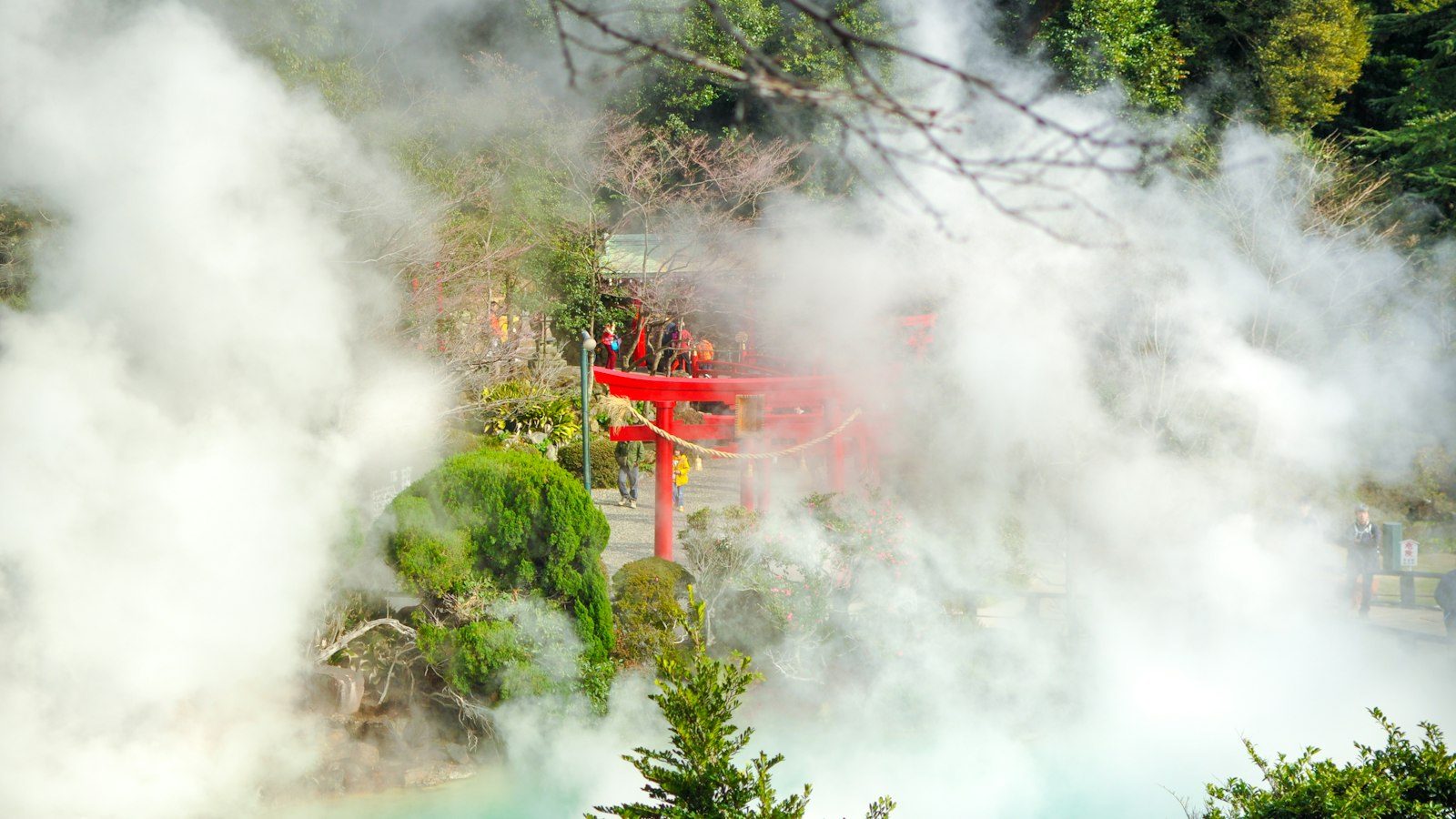
Japan's great hot spring city sits on a hillside on the Kyushu coast, with steam rising from drains, gardens and rooftops. You soak in old public bathhouses for a few hundred yen, get buried in hot sand and eat eggs cooked in volcanic steam.
- Best time to visit: October to November and March to May
- Daily budget (budget traveller): $55 to $200 USD
- Ideal trip length: 3 to 5 days
Beppu is on the east coast of Kyushu, in Oita Prefecture, squeezed between Beppu Bay and a ring of volcanic hills. It has more hot spring sources than almost anywhere in the world, and you notice straight away. Plumes of steam drift out of gardens, gutters and bathhouse chimneys all over town. The city is split into eight onsen districts, known together as Beppu Hatto, and each has its own water and character. Most visitors come for the Hells, a set of boiling ponds coloured blue, red and milky white that you look at rather than bathe in. Stay a few nights and the bathing becomes the real reason to be here. Neighbourhood bathhouses cost a few hundred yen, the 1879 Takegawara Onsen buries you in hot sand, and in Kannawa you can steam your own lunch over a vent. Beppu is not polished. The downtown around the station is a bit faded, with Showa-era arcades and snack bars, and the sights are spread out, so you rely on the Kamenoi buses. Even so, cheap baths, cheap food, hostels with their own spring water and easy day trips to Yufuin and Usuki make it one of the best-value places in Japan for a solo traveller to slow down.
Beppu is a city of around 110,000 people on the east coast of Kyushu, and almost all of it sits on top of hot water. It has more than 2,000 hot spring sources and produces more hot water than any other spa town in Japan. It grew as a resort in the late 19th century, when steamers from Osaka started calling, and you can still see that golden age in the Takegawara bathhouse and the old arcades around it. Most tourists stop for half a day at the Hells and move on. Stay a few nights and you get the better version: a ¥300 soak before breakfast, steam rising over Kannawa at dusk, toriten and a cold beer near the station and a different bathhouse every afternoon. It is one of the cheapest onsen towns in Japan, and a hostel with its own spring water costs far less than a ryokan in Yufuin.
Getting here is simple. The Airliner bus from Oita Airport takes about 50 minutes for ¥1,600, and flights arrive from Tokyo, Osaka and a handful of other cities. From Fukuoka, the Sonic limited express takes about two hours from Hakata. Highway buses are cheaper but slower. Overnight Ferry Sunflower boats sail from Osaka. Once you are here, walk around the flat downtown and take Kamenoi buses up the hill. Stay near the station for cheap rooms and bars, or in Kannawa for steam, quiet nights and the Hells on your doorstep. Use local trains for Usuki and the bus for Yufuin.
Timing shapes the trip. October, November and spring bring mild days and clear views from Mt Tsurumi. Winter is cold, but the steam is at its most dramatic, and a hot outdoor bath in frosty air is half the fun. June and early July are wet, high summer is hot and sticky, and typhoons can cancel trains and ferries from August into October. Hotels and the Hells fill up at weekends and on Japanese holidays, especially Golden Week, Obon and New Year. Beppu is safe, and the main sights have English signs, though small bathhouses and diners may only have Japanese. Evenings are low-key. If you want big-city nightlife, go to Fukuoka. If you want a hot bath, a plate of toriten and an early night, stay here.
Beppu itinerary
Arrive and first soak
Morning: Take the Airliner bus from Oita Airport (about 50 minutes) or the Sonic train from Fukuoka. Drop your bag near the station and walk down to the Kitahama seafront.
Afternoon: Have a ¥300 soak at Takegawara Onsen and look at the old wooden building. Wander the covered arcades around Yayoi Tengu.
Evening: Eat toriten at Toyoken or an izakaya near the station, then have an early night.
The Hells and a steam-cooked lunch
Morning: Take an early bus to Kannawa and buy the combined ticket at Umi Jigoku when it opens at 8am. Walk round the five Kannawa Hells before the tour groups arrive.
Afternoon: Cook lunch at Jigoku Mushi Kobo Kannawa, then take the bus to Chinoike and Tatsumaki. Wait for the geyser, which erupts roughly every 30 to 40 minutes.
Evening: Soak at Hyotan Onsen, then take the bus back down to the centre.
Sand bath and Myoban
Morning: Get to Takegawara for 8am to secure a sand bath slot (¥1,500). Rinse off in the old bath afterwards.
Afternoon: Take the bus up to Myoban. See the yunohana huts at Yunosato, soak in the milky sulphur water and try the pudding at Okamotoya.
Evening: Stop at Kannawa Mushiyu for a herb steam if you have energy left, then have cold reimen for dinner.
Mt Tsurumi and local baths
Morning: Take Kamenoi bus 36 from the station's west exit to the Beppu Ropeway (about ¥1,800 return) and walk around the summit.
Afternoon: Back in town, buy an Onsendo stamp book and visit two or three small neighbourhood bathhouses.
Evening: Have seki-aji sashimi and a highball at an izakaya near Kitahama.
Day trip to Yufuin
Morning: Take Kamenoi route 36 from the west exit of Beppu Station to Yufuin (about an hour). Walk to Lake Kinrin before the crowds.
Afternoon: Browse the shops on Yunotsubo street, then soak at a small bathhouse with a view of Mt Yufu.
Evening: Take the bus back to Beppu and have a bowl of dango-jiru for dinner.
Usuki Stone Buddhas
Morning: Take a JR train south to Usuki (about an hour). Take a taxi or bus to the Usuki Stone Buddhas, carved into the rock between the 12th and 14th centuries.
Afternoon: Walk the old samurai lanes and the Nioza historic street. Try fugu if you want a treat, or a simple lunch of local fish.
Evening: Take the train back to Beppu for a last long soak at your hostel or a nearby bathhouse.
Monkeys and departure
Morning: Take the bus south to Takasakiyama Natural Zoo (about ¥500) to see the wild macaques, then visit the Umitamago aquarium across the road if you have time.
Afternoon: Collect your bag and catch the Airliner bus to Oita Airport or the Sonic to Fukuoka. Check times the day before.
Evening: Arrive at your next stop, or fly on from Oita or Fukuoka.
Best neighbourhoods
- Station and Kitahama: The flat downtown between JR Beppu Station and the sea. Here you have the airport bus stops, most cheap hotels and hostels, Takegawara Onsen, old shopping arcades, bars and izakaya. It feels a bit worn, but it is the easiest base, with buses up the hill from both sides of the station.
- Kannawa: The steamiest district, about 20 minutes up the hill by bus. Vents puff steam into the lanes, and five of the seven Hells are within walking distance. Some small inns have kitchens with steam ovens, and the Jigoku Mushi Kobo lets you cook lunch over a vent. It goes quiet after the Hells close, so eat at your inn or bring supplies.
- Myoban: A small hillside area above Kannawa, known for the thatched huts where yunohana, a mineral bath salt, is still made. It has milky sulphur baths, a few ryokan and wide views over the bay. It is peaceful and pretty, but buses run less often, so it suits a night or two rather than a whole stay.
- Hamawaki: One of Beppu's oldest bathing areas, just south of the centre near the sea. It is mostly residential, with small local bathhouses, supermarkets and cheaper business hotels, and it is on the bus route to Takasakiyama. Choose it if you would rather see local life than be close to the sights.
- Kankaiji: The steep slope west of the station, home to the huge Suginoi Hotel and the ANA InterContinental. The outdoor baths up here have the best views over the bay. The hotels are big and resort-like, and you will need hotel shuttles or taxis to get down to the centre.
Must-do experiences
- Tour the Hells (Jigoku Meguri): One combined ticket covers seven boiling ponds, five in Kannawa and two in Shibaseki. It costs ¥2,400 at the gate, or ¥2,200 with the discount coupon on the official site, and lasts two days. The Hells open from 8am to 5pm. Umi Jigoku's cobalt-blue pond and the red Chinoike Jigoku are the highlights.
- Get buried in sand at Takegawara Onsen: This 1879 bathhouse with a curved wooden roof is the symbol of Beppu. A plain soak costs ¥300, and the sand bath is ¥1,500 including a yukata. You cannot book, so arrive close to 8am and bring cash. The sand bath closes on the third Wednesday of each month.
- Steam your own lunch in Kannawa: At Jigoku Mushi Kobo Kannawa, you buy or bring vegetables, eggs, seafood or meat, and staff help you load them into a stone oven heated by spring steam. You pay according to how long you use the steamer. It is cheap and fun on your own, and the shared tables make it easy to chat to other travellers.
- Spend an evening at Hyotan Onsen: A big, well-run bathhouse in Kannawa with a waterfall bath, steam rooms, open-air pools and its own sand bath. Basic entry is around ¥1,000, and it stays open late, so it works well after a day at the Hells. If you would rather bathe alone, you can book a private family bath.
- Ride the ropeway up Mt Tsurumi: Take Kamenoi bus 36 from the station's west exit to the Beppu Ropeway, then ride up to about 1,300m. A return ticket is about ¥1,800. On a clear day you can see the whole bay and as far as Shikoku. Buses run roughly once an hour, so check the time of your bus back before you go up.
- Visit the yunohana huts at Myoban: Bath salts have been made in Myoban's thatched huts since the Edo period. Walk around the huts at Yunosato and soak in the milky sulphur bath with a view. Then try the steamed custard pudding at Okamotoya, just down the road.
- Start the Beppu Hatto Onsendo: Buy a stamp book and collect stamps from 88 baths across the city's eight districts. You only need a few to get the hang of it. It takes you into tiny neighbourhood bathhouses, many costing ¥100 to ¥300, that most visitors walk straight past.
Hidden gems
- Kannawa Mushiyu, a small herb steam room near the main Kannawa bus stop, where you lie on sweet flag leaves spread over a stone floor heated by the spring
- Hoyoland in Myoban, an old-fashioned mud bath in the hills, with outdoor pools and a very local feel
- Shibaseki Onsen, a cheap city-run bathhouse by a river near the Chinoike and Tatsumaki Hells, with far fewer visitors than the baths in Kannawa
- The Showa-era shopping arcades around Yayoi Tengu and Takegawara, with old coffee shops, bathhouse lanes and tiny bars
- The lanes of Kannawa early in the morning, before the tour buses arrive, when steam pours from walls and drains and the town seems to breathe
Daily budget
- Accommodation: budget $20-40 / night (hostel dorm), mid-range $70-140 (business hotel or simple ryokan), splurge $300+ (ryokan with dinner or ANA InterContinental Beppu). Prices rise at weekends, in Golden Week, at Obon and at New Year. Onsen hotels add a small bathing tax per person per night, depending on the room rate. Oita Prefecture's lodging tax is not due to start until June 2027.
- Food: budget $15-25 / day (convenience store breakfast, noodles, steam-cooked lunch), mid-range $35-60 (café lunch and an izakaya dinner), splurge $100+ (kaiseki dinner at a ryokan). A toriten set meal or a bowl of reimen costs roughly ¥900-1,300. Convenience stores are good and cheap. Prices are rough guides.
- Transport: budget $0-8 / day (walking, bus day pass), mid-range $10-25 (buses plus a taxi), splurge $40+ (Sonic train to or from Fukuoka). The Airliner bus from Oita Airport costs ¥1,600. The My Beppu Free Mini pass is ¥1,100 for one day. A taxi from the station to Kannawa is about ¥1,500-1,800.
- Activities: budget $2-20 / day (¥100-300 bathhouses, Hells ticket), mid-range $20-35 (sand bath, Hyotan Onsen, ropeway), splurge $50+ (private baths, guided tours). The Hells combined ticket costs ¥2,400, or ¥2,200 with the online coupon. The Takegawara sand bath is ¥1,500, and the ropeway is about ¥1,800 return. Small bathhouses are often cash only.
- Drinks & nightlife: budget $4-8 (a beer or highball at an izakaya), mid-range $15-30 (a few drinks at a bar), splurge $50+ (sake tasting or a hotel bar). A can of beer from a convenience store costs about ¥250-350. Drink lightly before bathing, as hot water and alcohol do not mix. Nightlife means small bars and snack bars around Kitahama.
Where to stay
- Social hostel in Station area ($20-40 / night (dorm)): Khaosan World Beppu Ryokan & Hostel is a converted old inn a short walk from the station, with dorms, private rooms and its own hot spring baths. It is easy to meet other travellers here, and Takegawara is close by.
- Ryokan in Kannawa ($90-200 / night): Small family-run ryokan in Kannawa give you tatami rooms, hot spring baths and often a dinner of local dishes. You wake up to steam outside the window, and the Hells are a short walk away.
- Toji inn in Kannawa ($40-80 / night): Traditional toji inns were built for long bathing stays. They rent simple rooms with a shared kitchen and steam oven, so you can cook jigoku-mushi meals. Rooms are basic but cheap and full of character.
- Splurge in Kankaiji ($400-800+ / night): ANA InterContinental Beppu Resort & Spa is high on the hill, with an infinity-edge hot spring pool looking over the bay. It is a taxi ride from the centre, so you get quiet and views rather than street life.
What to eat
- Jigoku-mushi: eggs, sweet potatoes, vegetables and seafood steamed over the hot spring vents. Cook them yourself at Jigoku Mushi Kobo Kannawa or buy them ready-made at the Hells
- Toriten: Oita's chicken tempura, dipped in vinegar, soy and mustard. Toyoken, which claims to have invented it, is the classic place to try it
- Beppu reimen: cold, chewy buckwheat noodles in a beef and fish broth with kimchi, brought to Beppu by people returning from Manchuria
- Dango-jiru: thick, flat wheat noodles in miso soup with vegetables, a filling Oita staple that costs well under ¥1,000 at simple diners
- Seki-aji and seki-saba: horse mackerel and mackerel from the strait off Saganoseki, best as sashimi with a squeeze of the local kabosu citrus
- Steamed custard pudding from Okamotoya in Myoban, and bread rolls from the long-running Tomonaga Panya bakery near the station
Day trips
- Yufuin (About 25km inland, around an hour by bus): A small onsen town below the twin peaks of Mt Yufu, with Lake Kinrin, craft shops and quieter baths than Beppu. It is pretty but busy by late morning, so go early. Take Kamenoi route 36 from the west exit of Beppu Station. The Yufurin sightseeing rapid buses have been suspended since 17 October 2026 until further notice. The My Beppu Free Wide pass (¥1,800 a day) covers the trip, or take JR trains via Oita.
- Usuki (About 40km south, around an hour by train): A quiet castle town known for the Usuki Stone Buddhas, dozens of figures carved into a cliff between the 12th and 14th centuries. The old samurai lanes and fugu restaurants are worth an afternoon. Take a JR train from Beppu to Usuki, then a local bus or taxi to the Stone Buddhas. Check train times for the trip back, as local services are not frequent.
- Takasakiyama Natural Zoo (About 7km south of central Beppu, 15 minutes by bus): A forested mountain where hundreds of wild Japanese macaques come down to a feeding area, with the Umitamago aquarium across the road. It is an easy half-day, and you can combine it with a departure day. Take a bus from Beppu Station or Kitahama towards Oita and get off at Takasakiyama. Entry is about ¥500. Keep food out of sight and do not stare at the monkeys.
When to visit
- Spring (March - May): 12-22°C, mild with some rain. Crowds: Moderate, very busy in Golden Week (late April to early May). Good for walking and the ropeway. Cherry blossom arrives in late March, and the Beppu Hatto Onsen Festival is in early April. Book well ahead for Golden Week.
- Rainy season and summer (June - August): 24-32°C, humid, with heavy rain in June and early July. Crowds: Moderate, busy at Obon in mid-August. The least comfortable time for hot baths, and typhoons start in August. Rooms can be cheaper outside Obon. Explore early in the morning and save the baths for the evening.
- Autumn (September - November): 27-30°C in September, then 12-22°C, clear and dry. Crowds: Moderate, busier at weekends and on long holidays. October and November are the best months. Autumn colour reaches Mt Tsurumi in mid-November. Watch for typhoons in September.
- Winter (December - February): 3-12°C, cold and dry, with occasional snow on the hills. Crowds: Quiet, except over New Year. Cold outside but perfect for bathing, and the steam looks its best on frosty mornings. Rooms are cheap except at New Year.
Entry rules for your passport
Visa rules for Japan depend on the passport you travel on. Check the official source before you book: Japan Ministry of Foreign Affairs
Getting there
The nearest airport is Oita Airport, across the bay, with flights from Tokyo, Osaka and a few other cities. There is no rail link. The Airliner bus to Beppu takes about 50 minutes and costs ¥1,600. Seats cannot be reserved, and most buses stop at Beppu Kitahama, with only some going on to JR Beppu Station. Fukuoka Airport has many more international flights. From Hakata Station in Fukuoka, the Sonic limited express reaches Beppu in about two hours for roughly ¥6,000-7,000 with a reserved seat. Highway buses from Fukuoka take about two to three hours for around ¥3,250. If you come by shinkansen from Honshu, change to the Sonic at Kokura. Overnight Ferry Sunflower boats sail between Osaka and Beppu port. They are a relaxing way to arrive, and you save a night's accommodation. Rail passes such as the Northern Kyushu JR Pass cover the Sonic but not the airport bus or local Kamenoi buses.
Getting around
The centre around the station and Kitahama is flat and easy to walk, but the main sights are up the hill to the west, so you will use buses. Kamenoi Bus runs most routes. A single ride from the station to Kannawa costs around ¥350-400 and takes about 20 minutes. The My Beppu Free pass costs ¥1,100 for one day or ¥1,700 for two in the Mini version. The Wide version, at ¥1,800 for a day, adds Yufuin. A pass is worth it on a Hells day with a few extra trips, and you can buy it as a digital ticket or at the station. The five Kannawa Hells are a short walk from each other, and Chinoike and Tatsumaki are about 10 minutes away by bus. Buses to Myoban and the ropeway run roughly once an hour, so check times for the trip back. The pass does not cover Oita Kotsu buses or JR trains. Taxis wait at the station and cost around ¥1,500-1,800 to Kannawa. JR local trains link Beppu with Oita, Usuki and Kitsuki.
Safety
Beppu is very safe, and crime against visitors is rare. The real risks come from heat and water. The Hells are close to boiling point, so stay behind the barriers, and watch out for steam vents in the lanes of Kannawa. Many baths are very hot, and people do faint after long soaks, especially after drinking. Drink water, get out slowly and avoid alcohol before you bathe. Sand baths are intense, so tell the attendant if you feel unwell. Summers are hot and humid, the rainy season runs from June into July, and typhoons can arrive from August to October and stop trains and ferries. Kyushu also has earthquakes, so check your hotel's evacuation route and install the Safety tips app from the Japan Tourism Agency. Tap water is safe to drink. Call 110 for the police and 119 for fire or an ambulance. You need travel insurance with medical cover, as healthcare is good but expensive for visitors.
Solo travel tips
- Stay near the station: Most buses, the airport bus, Takegawara and the cheapest beds are all here. Kannawa is lovely for a night, but downtown is easier for food and day trips.
- Get to the Hells at 8am: Coach tours arrive mid-morning. If you start at Umi Jigoku when it opens, you will have the steam and the colours almost to yourself for an hour.
- Carry coins and a small towel: Many local bathhouses take cash through a vending machine or an honesty box and do not hire out towels. A small towel and a bag of ¥100 coins open up dozens of baths.
- Buy the bus pass on the right day: The ¥1,100 day pass is worth it on a Hells day with extra trips to Myoban or the ropeway. On a downtown day, walk and pay single fares.
- Safety for solo travellers: The main risks are overheating in hot baths and scalding steam at the Hells. Soak for short spells, drink water, skip alcohol before bathing and take care in Kannawa's lanes where vents open at ground level.
- Meet people over a steam oven: The shared tables at Jigoku Mushi Kobo Kannawa, hostel lounges and the Onsendo stamp hunt are easy ways to start a conversation. Locals in small bathhouses often chat to visitors too.
Cultural etiquette
- Say 'konnichiwa' (hello), 'arigatou gozaimasu' (thank you) and 'sumimasen' (excuse me). A small bow goes a long way.
- Wash and rinse thoroughly at the taps before you get into any bath, and tie up long hair.
- Keep your small towel out of the water. Put it on your head or at the edge of the bath.
- Check the tattoo rules before you go in. Many Beppu bathhouses are relaxed about tattoos, but some hotels and spas are not.
- Do not take photos in changing rooms or baths, and keep your voice down in the water.
- Take your shoes off where you see a raised step or slippers, including at many small bathhouses and inns.
- Do not tip. Good service is expected, and leaving money can cause confusion. Carry your rubbish with you, as bins are rare.
Frequently asked questions
How do I get to Beppu and from the bus stop to my room?
Fly into Oita Airport and take the Airliner bus, which takes about 50 minutes and costs ¥1,600. Most buses stop at Beppu Kitahama, and only some go on to JR Beppu Station, so check which stop is nearer your room. From Fukuoka, the Sonic limited express takes about two hours from Hakata. Highway buses are slower but about half the price. Most central hotels are a 5 to 15-minute walk from the station or Kitahama. For Kannawa, take a Kamenoi bus from the station or a taxi.
How many days do I need in Beppu?
Two nights covers the Hells, Takegawara and a steam-cooked lunch in Kannawa. Three to five nights lets you add Myoban, the ropeway, Hyotan Onsen and a day trip to Yufuin. A week works if you want to collect bathhouse stamps on the Onsendo or add Usuki and the monkeys at Takasakiyama.
When is the best time to visit Beppu?
October and November are the best months, with clear skies, comfortable walking weather and autumn colour on Mt Tsurumi from about mid-November. March to May is also good, and the Beppu Hatto Onsen Festival is in early April. Winter is cold but ideal for bathing, and rooms are cheap except at New Year. Avoid the rainy season in June and early July if you can, and remember that typhoons can disrupt travel in August and September.
Do I need a car in Beppu?
No. Kamenoi buses reach the Hells, Myoban and the ropeway, and a one-day My Beppu Free Mini pass costs ¥1,100. A car only helps for the Kunisaki Peninsula or remote mountain onsen. If you do rent one, the Hells have free parking, but most visitors need an International Driving Permit to drive in Japan.
Can I bathe with tattoos, and what else should I know?
Beppu is more relaxed about tattoos than most of Japan. Takegawara and many local bathhouses accept them, but some hotels and larger spas ban them or ask you to cover them, so check first or book a private bath. Wash thoroughly before you get in, keep your towel out of the water and go naked in single-sex baths. Some tiny local baths have no soap or shampoo, so carry your own and some coins.
Can I visit Yufuin as a day trip?
Yes. Yufuin is about an hour inland by bus. Kamenoi's Yufurin sightseeing rapid buses have been suspended since 17 October 2026 until further notice. Use route 36 from the west exit of Beppu Station instead, which is covered by the My Beppu Free Wide pass. JR trains via Oita are another option. Go early, as the main street gets crowded from late morning.
Is Beppu safe for solo female travellers?
Yes. Beppu is calm and very safe, and baths are almost always separated by gender. Many hostels have women-only dorms or floors. Some sand baths are mixed, but you wear a yukata in them. The small nightlife area around Kitahama is harmless, but take normal care late at night and use a taxi if you are going back up the hill after dark.
What entry rules apply to Japan in 2026?
Many nationalities, including UK, US, Canadian, Australian and EU citizens, can visit Japan visa-free as tourists, usually for up to 90 days. For now, a valid passport is all you need. Visit Japan Web is optional but speeds up the immigration and customs forms. Japan has passed a law creating JESTA, an online pre-travel authorisation that is expected to start in fiscal 2028 and must begin by 31 March 2029. You do not need JESTA in 2026, and any site charging for one now is not official. Check the Ministry of Foreign Affairs of Japan and your own government's travel advice before you go.
More about Beppu
- Tokyo for First-Time Visitors: 5-Day Guide With Hidden Gems
- Japanese Culture and Etiquette: A Situation-by-Situation Guide
- Cultural Etiquette in Japan: Quick Do's and Don'ts for First-Timers
Tours and activities in Beppu | Beppu in 2 days | Beppu in 3 days | Beppu in 4 days | Beppu in 5 days | Beppu in 7 days
Joy Plus home | Destinations | Itineraries | Activities | Flights | Budget planner | Calendar | Map | Blog | Lifetime access