Destinations / Asia
Fukuoka, Japan travel guide
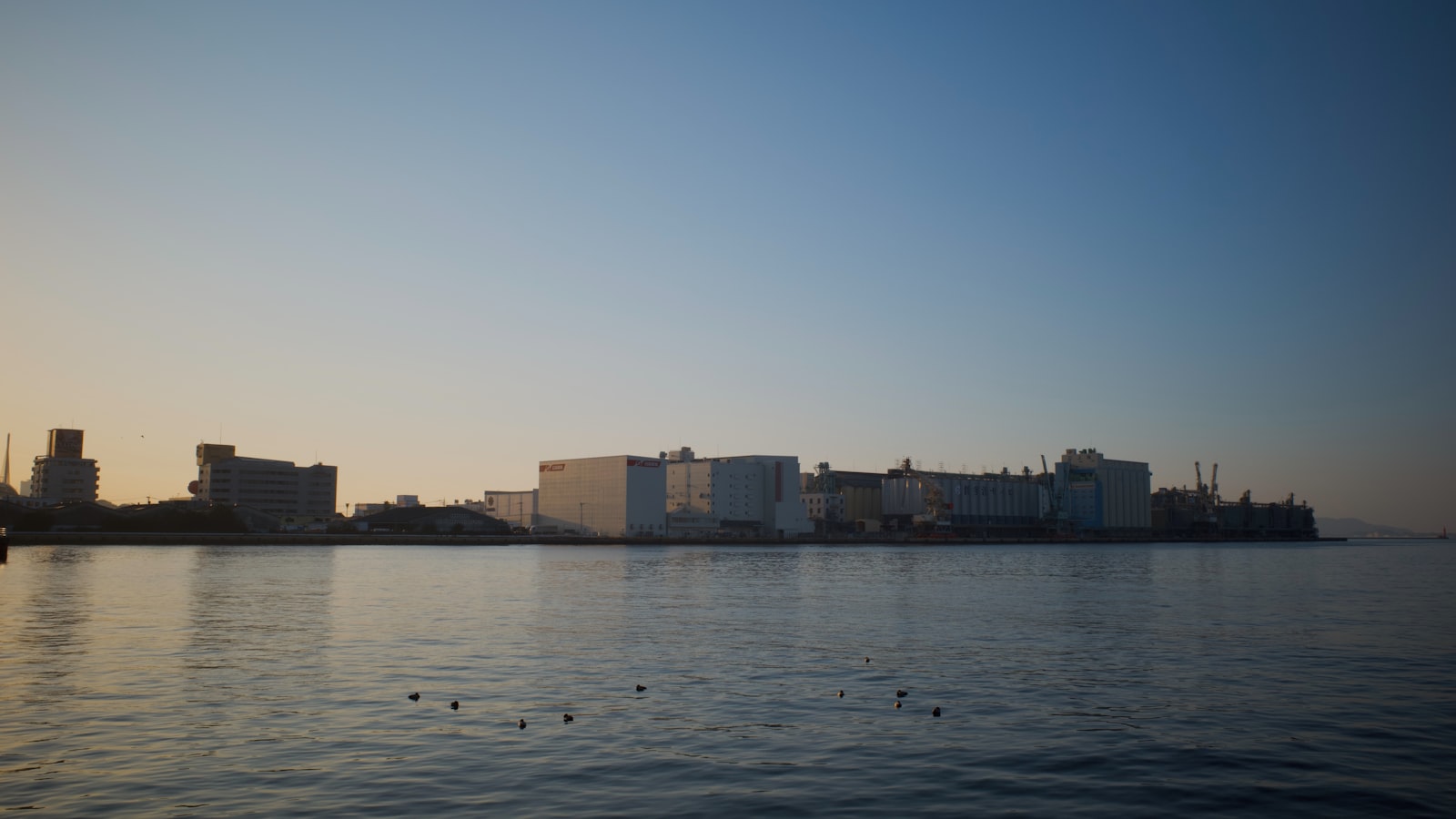
Kyushu's vibrant gateway city famed for tonkotsu ramen, riverside food stalls and easy island charm.
- Best time to visit: March-May, October-November
- Daily budget (budget traveller): $60 to $140 USD
- Ideal trip length: 2 to 3 days
Fukuoka is Japan's most underrated big city, the laid-back capital of Kyushu and the birthplace of rich tonkotsu ramen. Famous for its open-air yatai food stalls lining the riverbanks at night, it pairs a buzzing food and shopping scene with ancient temples, a ruined castle, sandy bays and a remarkably relaxed, friendly atmosphere. Compact and easy to navigate, it's also a springboard to Kyushu's hot springs, volcanoes and the porcelain towns nearby. Joy Plus steers you to the best yatai, temples and day trips so you taste the real Fukuoka.
Fukuoka is the Japanese city that makes the rest of the country look overworked. The airport is two subway stops from Hakata Station, so you can land, drop your bag and be on a yatai stool within an hour. About 1.6 million people live between the Genkai Sea and a ring of low mountains, and the place runs on a sensible scale. Fukuoka was the samurai castle town on the west bank of the Naka River. Hakata was the merchant port on the east bank. They merged in 1889 and still argue over the name, which is why the station says Hakata and the city says Fukuoka. Locals are famously easygoing and the pace is gentle by Japanese standards.
The food is the reason you came, and it is cheaper and more casual than you expect. Hakata ramen is the creamy tonkotsu pork-bone style, served in a small bowl with thin straight noodles, usually ¥900-1,300. You finish the bowl fast and order a kaedama (extra noodles, ¥150-200) before it cools. At night about 100 yatai, tiny open-air stalls with 8 stools each, set up along Nakasu, Tenjin and Nagahama for yakitori, gyoza, oden and ramen. Add motsunabe (offal hotpot), mizutaki chicken hotpot and mentaiko (spicy cod roe). A very good day of eating here costs less than one mediocre dinner in Tokyo.
Two to three days covers the city. Five to seven lets you add Dazaifu's shrine, the Itoshima coast and the giant reclining Buddha at Nanzoin without rushing. The seven-day plan below does exactly that and leaves a slow morning at the end. The city is flat and walkable, with a three-line subway and a ¥100 bus zone around Tenjin and Hakata. Avoid Golden Week (the Hakata Dontaku festival, 3 to 4 May) and Hakata Gion Yamakasa (1 to 15 July) unless crowds are the point. Both are spectacular and both book hotels solid. Everything else is easy, and this guide tells you where to sit, what to order and when to arrive.
How many days in Fukuoka?
For Fukuoka, we recommend 2 to 3 days.
| Trip length | What you'll see | Itinerary |
|---|---|---|
| 2 days · Recommended | Eat through old Hakata; Ohori Park, castle ruins and Daimyo | Fukuoka in 2 days |
| 3 days · Recommended | Adds: Dazaifu day trip | Fukuoka in 3 days |
| 4 days | Adds: Itoshima coast | Fukuoka in 4 days |
| 5 days | Adds: Momochi Seaside and the bay | Fukuoka in 5 days |
| 7 days | Adds: Nanzoin and the reclining Buddha; Market morning | Fukuoka in 7 days |
Fukuoka itinerary
Arrive and eat through old Hakata
Morning: Land at FUK. If you arrive internationally, take the free shuttle bus to the domestic terminal, then the Kuko Line to Hakata (5 min, ¥260). Drop bags. Walk to Shofukuji, Japan's first Zen temple, then Kushida Shrine to see the giant Yamakasa floats.
Afternoon: Walk to Tochoji for the 10.8m wooden seated Buddha and the red pagoda. Late lunch at Canal City's Ramen Stadium on the 5th floor, where eight shops serve different styles. Wander the covered Kawabata arcade.
Evening: Cross to Nakasu around 6:30pm and walk the Naka River yatai line. Pick a stall with a free stool, order yakitori, gyoza and one ramen, and keep to two drinks.
Ohori Park, castle ruins and Daimyo
Morning: Take the subway to Ohori-koen and walk the 2km lake loop. Rent a swan boat if you must, or just sit by the water. Climb Fukuoka Castle's Tenshudai for the view, free.
Afternoon: Late ramen lunch at Ippudo Daimyo Honten, then browse Daimyo's boutiques and vintage shops. Coffee in the backstreets before the Tenjin department stores.
Evening: Tenjin yatai from about 7pm, or motsunabe at Rakutenchi or Oyama. Arrive early, the best stalls fill by 7:30pm.
Dazaifu day trip
Morning: Nishitetsu from Tenjin to Dazaifu (about 30 min, ¥440, change at Futsukaichi). Reach Tenmangu at 6:30am opening or soon after. Walk the arched bridges and plum grounds.
Afternoon: Coffee at the Kengo Kuma Starbucks on the approach. Hot umegae mochi from the street stalls. Then Komyozenji's moss rock garden and Kyushu National Museum (¥700, closed Mondays).
Evening: Back in Tenjin, easy dinner and an early night. Day 4 starts with a train.
Itoshima coast
Morning: Kuko Line from Hakata or Tenjin through-runs onto the JR Chikuhi Line to Chikuzen-Maebaru (about 40-50 min, roughly ¥600). Take the local bus to Sakurai Futamigaura or hire a bike in town.
Afternoon: Walk to Meoto Iwa, the sea torii and rope-bound rocks. Seaside lunch at a beach café, or oyster huts in winter. Shiraito Falls is worth the detour if you have a car or taxi.
Evening: Catch the sunset on the western coast before the train back. Bowl of Nagahama-style ramen late at Nagahamaya if you're feeling bold.
Momochi Seaside and the bay
Morning: Subway to Nishijin and bus to Momochi. Fukuoka Tower opens at 9:30am (¥800), clear skies show the whole bay. Fukuoka City Museum is right there (about ¥200).
Afternoon: Beach walk at Momochi, then Marizon for cafés and a ferry-side stroll. Take the metro back and rest.
Evening: Hawks game at Mizuho PayPay Dome (March to October, from about ¥2,500) or mizutaki dinner in Hakata.
Nanzoin and the reclining Buddha
Morning: JR Sasaguri Line from Hakata to Kido-Nanzoin-mae (about 30 min, roughly ¥340). Walk 10 to 15 minutes to Nanzoin's 41m bronze reclining Buddha.
Afternoon: Wander the hillside grounds and quiet paths, then lunch near the station or back in Hakata. Browse Hakata Station's Deitos for omiyage.
Evening: Mizutaki at Hakata Hanamidori, the classic chicken-broth hotpot, or a second motsunabe round.
Market morning and departure
Morning: Yanagibashi Rengo Market before noon, Fukuoka's 'kitchen'. Zenzai at Kawabata Zenzai in the arcade. Buy mentaiko at Fukuya (carry an ice pack).
Afternoon: Last coffee in Daimyo or a final ramen with kaedama. Collect bags.
Evening: Kuko Line from Hakata to the airport (5 min). Check in early, the domestic terminal is compact.
Best neighbourhoods
- Hakata: The transport and business hub around the main station, full of ramen and shops.
- Tenjin: The downtown shopping, dining and nightlife heart of the city.
- Nakasu: The island entertainment district famed for its riverside yatai stalls.
- Daimyo: The trendy backstreets of boutiques, cafés and bars near Tenjin.
- Momochi Seaside: The waterfront district with the tower, beach and stadium.
Must-do experiences
- Eat at the riverside yatai: Graze the open-air food stalls of Nakasu after dark.
- Slurp tonkotsu ramen: Try the rich pork-bone ramen at its Hakata birthplace.
- Visit Tochoji Temple: See the giant wooden seated Buddha and red pagoda.
- Stroll Ohori Park & castle ruins: Walk the lakeside park beside Fukuoka Castle's remains.
- Day-trip to Dazaifu: Visit the famous Tenmangu shrine and its plum-tree grounds.
- Relax at Momochi Seaside: Take in city and bay views from Fukuoka Tower.
Hidden gems
- Nanzoin Temple's enormous reclining bronze Buddha, a short train ride away.
- The atmospheric approach and street food of Dazaifu Tenmangu.
- Itoshima's scenic coast, cafés and 'instagram' arches west of the city.
- Browsing handmade porcelain on a day trip to Arita and Imari.
Daily budget
- Accommodation: budget ¥3,000-5,000 / night (hostel dorm), mid-range ¥12,000-22,000 (business or boutique double), splurge ¥45,000+ (Grand Hyatt Fukuoka, Hotel Il Palazzo suites). Hakata Station is cheapest and handiest. Prices spike for Golden Week, Yamakasa, November sumo and PayPay Dome concerts.
- Food: budget ¥3,000-4,500 / day (konbini breakfast, teishoku lunch, one ramen), mid-range ¥7,000-12,000 (yatai dinner plus motsunabe or mizutaki), splurge ¥25,000+ (kappo counter, fugu course, sushi omakase). Lunch sets run ¥800-1,200 and are the cheapest way to eat well. A yatai dinner is ¥3,000-5,000, with a ¥300-500 cover charge sometimes added.
- Transport: budget ¥500-800 / day (subway hops, ¥100 bus zone, walking), mid-range ¥1,500-2,500 (adds Dazaifu or Itoshima return), splurge ¥20,000+ (chartered taxi around Itoshima). Hakata to Tenjin is five minutes by subway. Skip any rail pass, point-to-point tickets are cheaper here.
- Activities: budget ¥500-1,500 (free shrines, castle ruins, Ohori Park, one small museum), mid-range ¥3,000-5,000 (Fukuoka Tower ¥800, Kyushu National Museum ¥700, Hawks game), splurge ¥10,000+ (private Itoshima tour, premium baseball seats). Most temples and shrines are free. The Fukuoka Art Museum in Ohori Park is about ¥200 for the collection.
- Drinks & nightlife: budget ¥1,000-1,500 (konbini chuhai, one yatai beer), mid-range ¥3,000-5,000 (yatai, izakaya, shochu bar), splurge ¥10,000+ (Nakasu whisky bar, Daimyo cocktails). Beer at a yatai is ¥600-700. Try imo shochu (sweet potato), the Kyushu local spirit. Small bars often add a ¥500-1,000 seat charge.
Where to stay
- Social hostel in Hakata Station (¥3,000-5,000 / night): WeBase Hakata, with mixed and female dorms, lounge events and the airport link five minutes away. Easy base for Dazaifu and Itoshima.
- Boutique hotel in Nakasu (¥18,000-35,000 / night): Hotel Il Palazzo, Aldo Rossi's riverside design with dramatic interiors, steps from the Nakasu yatai.
- Apartment in Yakuin or Ohori Koen (¥9,000-16,000 / night): Residential streets, café culture and a kitchenette. Mystays Fukuoka Tenjin or a minpaku apartment suits 5+ nights.
- Splurge in Canal City / Hakata (¥45,000-80,000 / night): Grand Hyatt Fukuoka, central atrium, spacious rooms and a fast walk to Hakata Station.
What to eat
- Hakata tonkotsu ramen, rich pork-bone broth
- Motsunabe, a hearty offal hotpot
- Mentaiko, spicy marinated cod roe
- Yatai street food: yakitori, gyoza and oden
Day trips
- Dazaifu (30 min by train): Tenmangu is the shrine of Sugawara no Michizane, the god of learning, with plum trees, arched bridges and a long souvenir approach. Add Komyozenji's moss garden and Kyushu National Museum (¥700). Nishitetsu from Nishitetsu Fukuoka (Tenjin) Station, change at Futsukaichi, about ¥440 one way.
- Itoshima (45 to 60 min by train and bus): A coastline of cafés, oyster huts (Dec to Mar), pottery shops and Sakurai Futamigaura's sea torii and Meoto Iwa rocks. Best at sunset. Kuko Line from Hakata or Tenjin onto the JR Chikuhi Line to Chikuzen-Maebaru (about ¥600), then bus or bike.
- Nanzoin (30 min by train): A 41m bronze reclining Buddha sits on a forested hillside in Sasaguri. Quiet, photogenic and easy as a half-day trip. JR Sasaguri Line from Hakata to Kido-Nanzoin-mae (about ¥340), then a 10 to 15 minute walk.
When to visit
- Spring (March to May): 10-24°C, mostly sunny, breezy, light showers. Crowds: Busy at cherry blossom time and Golden Week, otherwise moderate. The best window. Blossom hits Ohori Park and the castle ruins in late March to early April. Book ahead for 3 to 4 May, when Hakata Dontaku takes over the streets.
- Summer (June to September): 26-34°C, very humid, rainy season to mid-July, typhoon risk Aug to Sept. Crowds: Moderate, spikes for Yamakasa on 1 to 15 July. Hot and sticky, but the yatai stay open and the beaches work. Yamakasa climaxes with the dawn Oiyama race at 4:59am on 15 July, worth it once.
- Autumn (October to November): 15-25°C, dry, clear skies, cooler evenings. Crowds: Moderate, light on weekdays. Locals' favourite. Comfortable yatai weather and autumn colour in Dazaifu by mid-November. The Kyushu Sumo Basho in November fills mid-range hotels, so book early.
- Winter (December to February): 4-12°C, windy, rare snow, plenty of grey days. Crowds: Low. Cheapest hotels and peak motsunabe, mizutaki and oyster-hut season. Yatai are chilly, but the stalls hang heavy curtains and the broth is hotter.
Entry rules for your passport
Visa rules for Japan depend on the passport you travel on. Check the official source before you book: Japan Ministry of Foreign Affairs
Getting there
Fukuoka Airport (FUK) is the closest major airport to any Japanese city centre. The Kuko Line subway reaches Hakata in 5 minutes and Tenjin in 11, at ¥260. If you land at the international terminal, a free shuttle bus links to the domestic terminal in about 10 to 15 minutes. By rail, the Hakata terminus is the end of the Sanyo and Kyushu Shinkansen: about 1h10 to Hiroshima, 2h30 to Shin-Osaka, 5 hours to Tokyo, and 33 minutes to Kumamoto. Peach and Jetstar fly Narita and Haneda routes from about ¥8,000. Only the slow Camellia Line ferry from Busan to Hakata Port remains, as the fast ferry stopped in 2024 and was withdrawn. Skip the airport taxi, it's far slower than the subway.
Getting around
Fukuoka is wonderfully compact and easy to get around. The subway has three lines linking Hakata Station, Tenjin and the airport, which is unusually close to the centre, just a few minutes by train. Buses are extensive and there's a handy flat-fare loop in the city centre. An IC card (like Suica or the local Hayakaken) makes everything seamless. Much of the central area, including Tenjin, Daimyo and the yatai districts, is best explored on foot. JR and Nishitetsu trains connect to day-trip towns such as Dazaifu, and the shinkansen links Fukuoka to the rest of Japan.
Safety
Fukuoka is extremely safe, like the rest of Japan, with very low crime, it's superb for solo travellers, including women, at any hour. The main things to mind are minor: be polite and follow etiquette at temples, on transport and in restaurants; cash is still useful at yatai stalls and smaller spots, so carry some; and be aware Fukuoka has a slightly livelier nightlife scene around Nakasu, where standard caution applies late at night. Natural risks like typhoons (summer-autumn) and occasional earthquakes are worth noting, follow local guidance if alerts arise.
Solo travel tips
- Yatai are built for one: Counter seating, eight stools, strangers elbow to elbow. Say 'hitori desu' (one person), point at the menu, and watch what neighbours order. Locals love to chat, even in broken English.
- Ichiran booths suit shy solo days: Ichiran's Nakasu flagship is open 24 hours with private booths and a vending machine ticket. It's an easy first ramen and a low-effort fallback after a long day.
- Hostel pick: WeBase Hakata: A compact, social hostel near Hakata Station with a lounge and events. Good base for solo trips because the airport and Dazaifu lines are both close.
- Learn the kaedama dance: Hakata bowls are small. When the noodles are two thirds gone, say 'kaedama' and hand over your token or ¥150-200. Say 'barikata' for extra firm, 'kata' for firm, 'futsu' for normal.
- Solo women: Fukuoka is very safe at any hour. Standard rules apply: keep drinks in sight, skip touts around Nakasu after midnight, and take a taxi (GO or Uber) when the last subway ends around midnight.
- Meet people in Tenjin and Nakasu: Tenjin izakaya counters and Nakasu bars are friendly to solos. Many hostels run yatai or izakaya group nights, ask at check-in.
Cultural etiquette
- Slurping ramen is fine and expected. Eat fast, ramen cools quickly and Hakata noodles overcook.
- Tipping is not a thing in Japan. Leave the exact change, or it will be returned.
- Yatai stalls can add an otoshi (cover charge, ¥300-500). Pay in cash, order two or three dishes and don't hog the stool for more than an hour.
- At shrines, bow at the torii, rinse hands at the temizuya, then bow twice, clap twice and bow once.
- Don't eat while walking on temple grounds. Finish snacks at the stall.
- Keep voices low on trains and buses and don't take calls on the subway.
- Remove shoes where there is a step up (some izakaya, temples, ryokan) and use the slippers provided.
Frequently asked questions
How many days do you need in Fukuoka?
Two to three days is ideal. Two days cover the city's highlights, the yatai food stalls, Hakata ramen, Tochoji Temple, Ohori Park and Fukuoka Castle ruins, plus shopping in Tenjin and the Momochi seaside. A third day is perfect for a day trip to Dazaifu's shrine, Nanzoin's reclining Buddha, the Itoshima coast, or the porcelain towns of Arita and Imari. As a gateway to Kyushu, Fukuoka also pairs well with a longer regional trip taking in hot springs, volcanoes and Nagasaki.
When is the best time to visit Fukuoka?
Spring (March to May) and autumn (October to November) are the best, with mild, comfortable weather, cherry blossoms in late March to early April, and beautiful autumn colours later in the year. Summer (June to September) is hot, humid and includes the rainy season and occasional typhoons, though it hosts lively festivals like Hakata Gion Yamakasa in July. Winter is cool but mild compared with northern Japan, and pleasant for sightseeing and ramen. For the nicest weather and scenery, target spring or autumn.
What food is Fukuoka famous for?
Fukuoka is one of Japan's great food cities and the birthplace of Hakata tonkotsu ramen, a rich, creamy pork-bone broth with thin noodles. It's equally famous for its yatai, open-air food stalls that line the river in Nakasu and Tenjin at night, serving ramen, yakitori, gyoza, oden and more. Other local specialities include motsunabe (offal hotpot), mentaiko (spicy cod roe), and fresh seafood. Eating your way around the yatai and ramen shops is one of the top reasons to visit.
What are the best day trips from Fukuoka?
The most popular is Dazaifu, home to the beautiful Tenmangu shrine dedicated to the god of learning, plus the striking Kyushu National Museum, easily reached by train in about 40 minutes. Nanzoin Temple, with its enormous reclining bronze Buddha, is another quick rail trip. Nature lovers head to the scenic Itoshima Peninsula for coastal cafés and views, while craft fans visit the porcelain towns of Arita and Imari. Kumamoto is a short shinkansen ride away, and Nagasaki and the hot springs of Beppu are about two hours by train.
How do you get to Fukuoka?
Fukuoka Airport is one of Japan's most convenient, located just minutes from the city centre by subway, with domestic flights from Tokyo, Osaka and beyond, plus international routes across Asia. The city is also the southern terminus of the Sanyo Shinkansen, so you can reach it by bullet train from Tokyo (around 5 hours), Osaka (about 2.5 hours) and Hiroshima. A slow ferry, the Camellia Line, still connects Fukuoka to Busan in South Korea; the fast ferry on the route was withdrawn after it stopped running in 2024. Its excellent air and rail links make it an easy entry point to the Kyushu region.
Is Fukuoka worth visiting?
Definitely, especially for food lovers and travellers wanting a relaxed, authentic Japanese city without Tokyo's intensity or Kyoto's crowds. Fukuoka offers world-class ramen, atmospheric riverside yatai stalls, friendly locals, temples, parks, beaches and excellent shopping, all in a compact, walkable city. It's also the perfect base for exploring Kyushu's shrines, hot springs and porcelain towns. While it lacks a single blockbuster sight, its laid-back charm, superb cuisine and great connections make it one of Japan's most underrated and rewarding destinations.
Is Fukuoka good for solo travellers?
Yes, Fukuoka is excellent for solo travel. It's extremely safe, compact and easy to navigate, with friendly locals and a sociable food culture, the yatai stalls and ramen counters are perfect for eating alone and even chatting with neighbours. Solo female travellers feel very comfortable here day and night. Affordable accommodation, an easy subway, and plenty of day trips make independent exploring simple. The relaxed pace and welcoming vibe make Fukuoka a great choice for first-time solo visitors to Japan as well as seasoned travellers.
More about Fukuoka
- Where to Travel in 2027: 15 Places Worth Planning a Trip Around
- Tokyo for First-Time Visitors: 5-Day Guide With Hidden Gems
- Japanese Culture and Etiquette: A Situation-by-Situation Guide
- Cultural Etiquette in Japan: Quick Do's and Don'ts for First-Timers
Tours and activities in Fukuoka | Fukuoka in 2 days | Fukuoka in 3 days | Fukuoka in 4 days | Fukuoka in 5 days | Fukuoka in 7 days
Can't decide? Compare Fukuoka with...
Joy Plus home | Destinations | Itineraries | Activities | Flights | Budget planner | Calendar | Map | Blog | Lifetime access