Fukuoka in 4 days
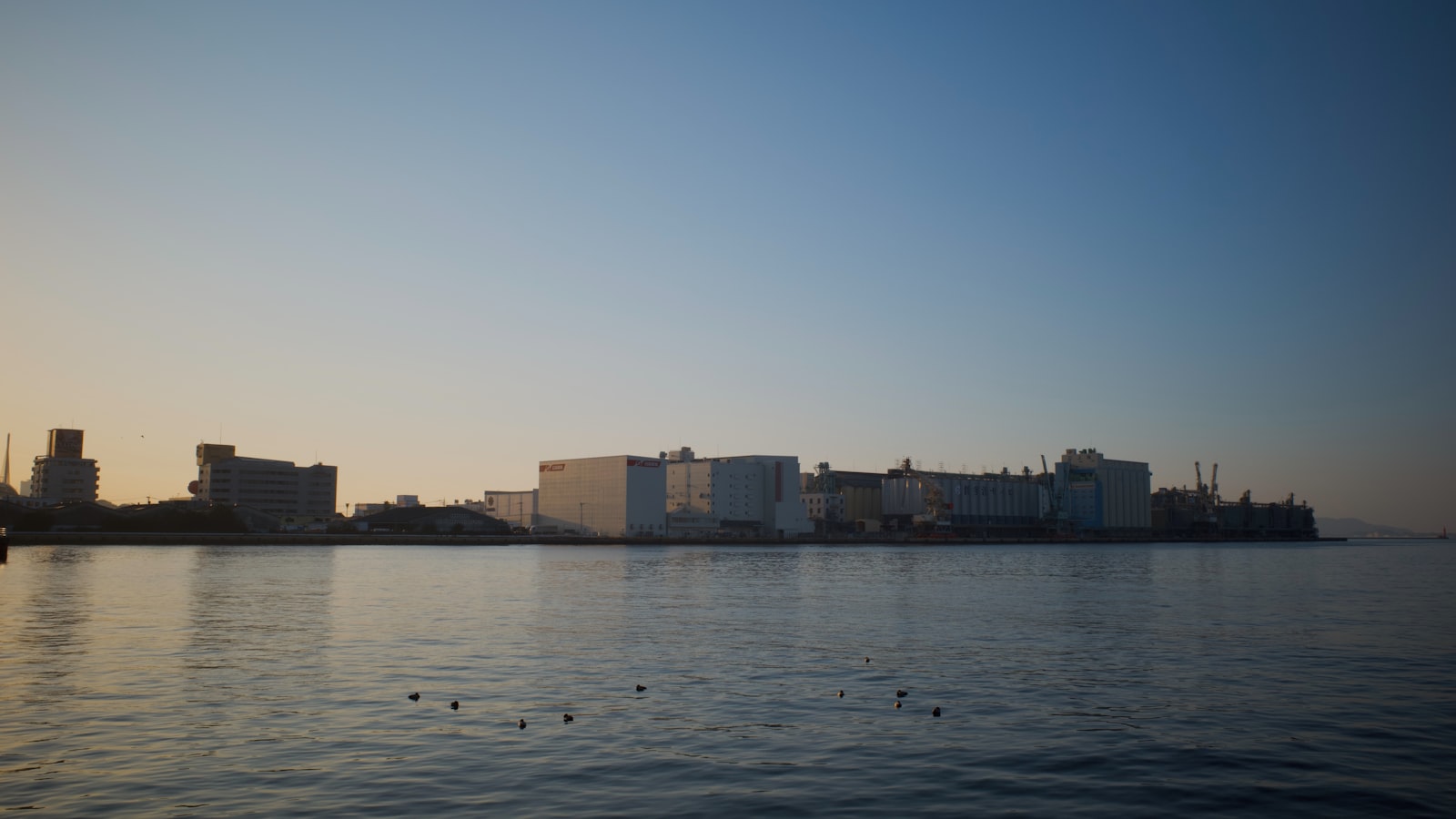
Kyushu's vibrant gateway city famed for tonkotsu ramen, riverside food stalls and easy island charm. Best time to visit: March-May, October-November. Daily budget (budget traveller): $60 to $140 USD.
Arrive and eat through old Hakata
Morning: Land at FUK. If you arrive internationally, take the free shuttle bus to the domestic terminal, then the Kuko Line to Hakata (5 min, ¥260). Drop bags. Walk to Shofukuji, Japan's first Zen temple, then Kushida Shrine to see the giant Yamakasa floats.
Afternoon: Walk to Tochoji for the 10.8m wooden seated Buddha and the red pagoda. Late lunch at Canal City's Ramen Stadium on the 5th floor, where eight shops serve different styles. Wander the covered Kawabata arcade.
Evening: Cross to Nakasu around 6:30pm and walk the Naka River yatai line. Pick a stall with a free stool, order yakitori, gyoza and one ramen, and keep to two drinks.
Ohori Park, castle ruins and Daimyo
Morning: Take the subway to Ohori-koen and walk the 2km lake loop. Rent a swan boat if you must, or just sit by the water. Climb Fukuoka Castle's Tenshudai for the view, free.
Afternoon: Late ramen lunch at Ippudo Daimyo Honten, then browse Daimyo's boutiques and vintage shops. Coffee in the backstreets before the Tenjin department stores.
Evening: Tenjin yatai from about 7pm, or motsunabe at Rakutenchi or Oyama. Arrive early, the best stalls fill by 7:30pm.
Dazaifu day trip
Morning: Nishitetsu from Tenjin to Dazaifu (about 30 min, ¥440, change at Futsukaichi). Reach Tenmangu at 6:30am opening or soon after. Walk the arched bridges and plum grounds.
Afternoon: Coffee at the Kengo Kuma Starbucks on the approach. Hot umegae mochi from the street stalls. Then Komyozenji's moss rock garden and Kyushu National Museum (¥700, closed Mondays).
Evening: Back in Tenjin, easy dinner and an early night. Day 4 starts with a train.
Itoshima coast
Morning: Kuko Line from Hakata or Tenjin through-runs onto the JR Chikuhi Line to Chikuzen-Maebaru (about 40-50 min, roughly ¥600). Take the local bus to Sakurai Futamigaura or hire a bike in town.
Afternoon: Walk to Meoto Iwa, the sea torii and rope-bound rocks. Seaside lunch at a beach café, or oyster huts in winter. Shiraito Falls is worth the detour if you have a car or taxi.
Evening: Catch the sunset on the western coast before the train back. Bowl of Nagahama-style ramen late at Nagahamaya if you're feeling bold.
Heading home: Collect bags. Kuko Line from Hakata to the airport (5 min).
What to eat in Fukuoka
- Hakata tonkotsu ramen, rich pork-bone broth
- Motsunabe, a hearty offal hotpot
- Mentaiko, spicy marinated cod roe
- Yatai street food: yakitori, gyoza and oden
Hidden gems
- Nanzoin Temple's enormous reclining bronze Buddha, a short train ride away.
- The atmospheric approach and street food of Dazaifu Tenmangu.
- Itoshima's scenic coast, cafés and 'instagram' arches west of the city.
- Browsing handmade porcelain on a day trip to Arita and Imari.
Getting around
Fukuoka is wonderfully compact and easy to get around. The subway has three lines linking Hakata Station, Tenjin and the airport, which is unusually close to the centre, just a few minutes by train. Buses are extensive and there's a handy flat-fare loop in the city centre. An IC card (like Suica or the local Hayakaken) makes everything seamless. Much of the central area, including Tenjin, Daimyo and the yatai districts, is best explored on foot. JR and Nishitetsu trains connect to day-trip towns such as Dazaifu, and the shinkansen links Fukuoka to the rest of Japan.
Safety
Fukuoka is extremely safe, like the rest of Japan, with very low crime, it's superb for solo travellers, including women, at any hour. The main things to mind are minor: be polite and follow etiquette at temples, on transport and in restaurants; cash is still useful at yatai stalls and smaller spots, so carry some; and be aware Fukuoka has a slightly livelier nightlife scene around Nakasu, where standard caution applies late at night. Natural risks like typhoons (summer-autumn) and occasional earthquakes are worth noting, follow local guidance if alerts arise.
Frequently asked questions
What does this 4-day Fukuoka itinerary cover?
Day 1: Arrive and eat through old Hakata. Day 2: Ohori Park, castle ruins and Daimyo. Day 3: Dazaifu day trip. Day 4: Itoshima coast.
Is 4 days enough for Fukuoka?
Our recommended trip length for Fukuoka is 2 to 3 days. This 4-day plan focuses on the highlights and groups sights by area so you spend less time travelling between them.
How much does 4 days in Fukuoka cost?
A budget traveller spends about $60 to $140 USD a day in Fukuoka, so roughly $240 to $560 USD for 4 days, not counting flights.
Where should I stay for 4 days in Fukuoka?
Hakata: The transport and business hub around the main station, full of ramen and shops. Tenjin: The downtown shopping, dining and nightlife heart of the city.
When is the best time to visit Fukuoka?
The best time to visit Fukuoka is March-May, October-November.
How do I get around Fukuoka?
Fukuoka is wonderfully compact and easy to get around. The subway has three lines linking Hakata Station, Tenjin and the airport, which is unusually close to the centre, just a few minutes by train.
Is Fukuoka safe for solo travellers?
Fukuoka is extremely safe, like the rest of Japan, with very low crime, it's superb for solo travellers, including women, at any hour. The main things to mind are minor: be polite and follow etiquette at temples, on transport and in restaurants; cash is still useful at yatai stalls and smaller spots, so carry some; and be aware Fukuoka has a slightly livelier nightlife scene around Nakasu, where standard caution applies late at night.
Read more about Fukuoka
- Tokyo for First-Time Visitors: 5-Day Guide With Hidden Gems
- Japanese Culture and Etiquette: A Situation-by-Situation Guide
- Cultural Etiquette in Japan: Quick Do's and Don'ts for First-Timers
More 4-day guides
- Kobe in 4 days
- Okinawa (Naha) in 4 days
- Hakone in 4 days
- Nagoya in 4 days
- Kamakura in 4 days
- Nagasaki in 4 days
- Mount Fuji in 4 days
- Takayama in 4 days
Fukuoka in 2 days | Fukuoka in 3 days | Fukuoka in 5 days | Fukuoka in 7 days | Full Fukuoka guide
Joy Plus home | Destinations | Itineraries | Activities | Flights | Budget planner | Calendar | Map | Blog | Lifetime access