Destinations / Asia
Ishigaki, Japan travel guide
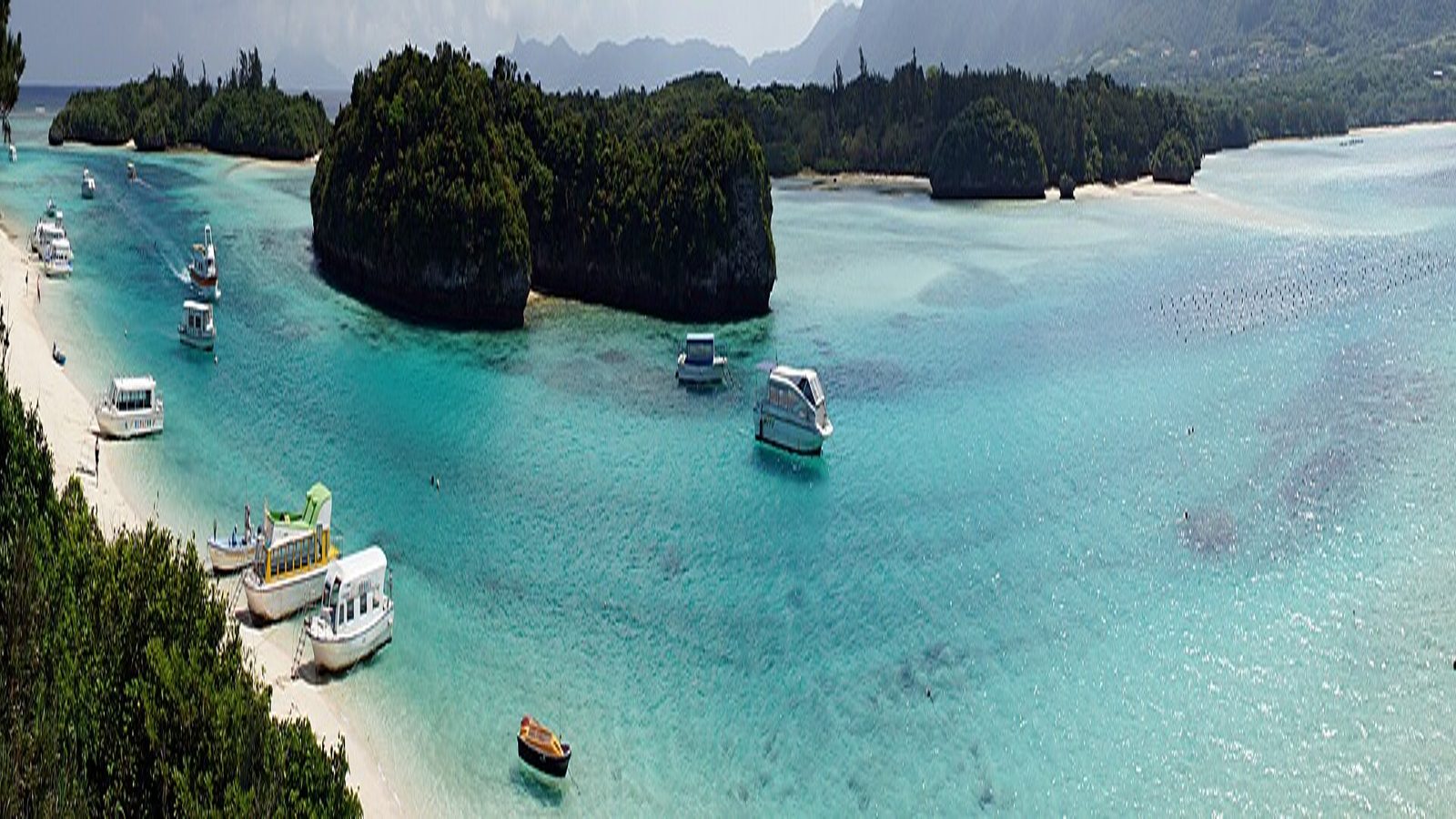
A subtropical island in Okinawa's far south, closer to Taiwan than to Tokyo. You look at Kabira Bay from a glass-bottom boat, take short ferries to the old villages of Taketomi and the jungle of Iriomote, and finish the day with a bowl of Yaeyama soba in town.
- Best time to visit: April, late June to July and October
- Daily budget (budget traveller): $70 to $250 USD
- Ideal trip length: 4 to 7 days
Ishigaki is the main island of the Yaeyama group, at the southern end of Japan's Ryukyu chain. It is about 400km southwest of Okinawa's main island and much closer to Taiwan. Most visitors fly in from Tokyo, Osaka or Naha. The town sits on the south coast around the ferry terminal, with covered shopping arcades, izakaya with live folk music and cheap noodle shops. The rest of the island is green hills, sugar cane, quiet villages and beaches fringed by coral. Kabira Bay on the north-west coast is the famous view, but you cannot swim there, so you see it from a glass-bottom boat. For snorkelling, head to Yonehara or the reef at Shiraho. Ishigaki is also the hub for the outlying islands. Taketomi, with its stone walls and red-tiled houses, is 15 minutes away by boat, and Iriomote's mangrove rivers are under an hour away. Buses are slow and infrequent, and the weather brings summer heat, a rainy season and typhoons. Even so, dorm beds, ¥550 airport buses and cheap ferry fares make it a good base for a solo traveller who wants islands without a package tour.
Ishigaki is the hub of the Yaeyama Islands, Japan's southernmost inhabited group. It has about 50,000 people and lies far closer to Taiwan than to Tokyo. The Ryukyu kingdom, Japanese rule and US occupation all left their mark, and island culture is still strong here, from the sanshin music in the bars to the coral stone walls of the old villages. Most Japanese visitors come for a beach holiday. If you stay a few nights in town, you get something better: early ferries across a turquoise lagoon, a lunch of Yaeyama soba for a few hundred yen, quiet beaches in the late afternoon and an evening of folk songs in an izakaya. It is not cheap compared with Southeast Asia, but dorm beds, bus passes and cheap ferries keep it manageable.
Getting here means flying. There are direct flights from Tokyo, Osaka and Naha, and the airport is about 30 minutes from town on the ¥550 Azuma or Karry buses. Base yourself in the centre near the Remote Island Terminal. From there, boats leave for Taketomi in 15 minutes, for Iriomote in under an hour and for Kohama, Kuroshima and Hatoma. On Ishigaki itself, buses reach Kabira, Yonehara and Shiraho, but they are infrequent, so a day or two with a hired car or scooter opens up the north. Remember that Japan drives on the left and that you will need the right licence paperwork.
Timing matters more here than in most places. April and October are warm and settled, and late June to July, after the rainy season, has the clearest seas. August is hot and busy, and July to October is typhoon season, when a storm can stop ferries and flights for a day or two. Winter is mild but often cloudy and windy. Ishigaki is very safe, people are welcoming, and English is limited but improving in tourist businesses. If you want big nightlife, go to Naha. If you want reefs, small islands and starry skies, stay here.
Ishigaki itinerary
Arrive and find your feet
Morning: Fly in and take the ¥550 bus from the airport to the town centre. Drop your bag at your hostel near the ferry terminal.
Afternoon: Walk through Euglena Mall and the public market. Have a bowl of Yaeyama soba, then visit Miyara Donchi and its coral stone garden.
Evening: Watch the sunset from the harbour, then find an izakaya in Misaki-cho with live sanshin music.
Kabira Bay and the north
Morning: Pick up a hire car or scooter, or take an early bus to Kabira. Ride a glass-bottom boat (about ¥1,300 to ¥1,700) before the tour buses arrive.
Afternoon: Drive north to Tamatorizaki Observatory and the Hirakubozaki lighthouse. Stop at Yonehara on the way back for a swim and some snorkelling near the shore.
Evening: Watch the sunset at Sukuji Beach, then drive back to town for dinner, or stay out late for the stars if the sky is clear.
Taketomi by bike
Morning: Take an early ferry to Taketomi (¥970 one way, about 15 minutes). Pay the optional ¥300 fee and hire a bicycle near the port.
Afternoon: Ride the sandy lanes through the village, visit the visitor centre and swim at Kondoi Beach. Bring cash, as the port is cash only.
Evening: Watch the sunset from Nishi Pier if you can make a later boat, then take the ferry back to Ishigaki.
Iriomote's jungle and mangroves
Morning: Take a morning ferry to Ohara (¥2,520) or Uehara (¥3,290) and meet your kayak or canoe guide at the port.
Afternoon: Paddle up a mangrove river and walk to a jungle waterfall. If you have time, stop at the free Iriomote Wildlife Conservation Center to learn about the Iriomote cat.
Evening: Take a late-afternoon ferry back and have an easy dinner in town. You will be tired.
Shiraho reef and Banna Park
Morning: Join a guided snorkel trip on the Shiraho reef while the tide is right. Look for the blue coral colonies.
Afternoon: Take the bus back to town and rest during the heat. Then head up to Banna Park for the views over the town and lagoon.
Evening: Try an Ishigaki beef yakiniku dinner, or keep it cheap with a bento on the harbour wall.
Kohama or a manta trip
Morning: Either take a ferry to Kohama and hire a scooter or bike, or join a boat trip to look for manta rays off the north-west coast.
Afternoon: On Kohama, ride up to the viewpoint over the sugar cane and the lagoon. On a manta day, you will be back by mid-afternoon, so have a slow walk around Maezato.
Evening: Spend your last night in Misaki-cho with Orion beer, awamori and another round of folk songs.
Slow morning and depart
Morning: Have an early swim or a walk on the harbour, then buy chili oil, salt and fruit in the arcade.
Afternoon: Take the bus to the airport, allowing about 40 minutes. On a typhoon week, check your flight the night before.
Evening: Fly on to Naha, Tokyo or your next stop.
Best neighbourhoods
- City centre and the arcades: The compact grid around Euglena Mall, the covered shopping arcade with the public market inside. You are a five-minute walk from the island ferry terminal and the bus terminal, with supermarkets, convenience stores, soba shops and most of the hostels. It is the most practical base by far, especially without a car.
- Misaki-cho: The block of streets just east of the arcades where most of the bars, izakaya and live music venues are. Evenings are lively but friendly, with sanshin players and Orion beer rather than clubs. Stay here if you want nightlife on your doorstep, but pick a room on a back street if you sleep lightly.
- Maezato and Masuya beach: The coast a few kilometres east of town, where the big resort hotels have man-made beaches with jellyfish nets and pools. It is quieter than the centre and close to the airport road. A taxi or the bus gets you into town in 10 to 15 minutes.
- Kabira and Sukuji: The north-west corner around Kabira Bay, with small guesthouses, cafés, black pearl shops and the long shallow beach at Sukuji nearby. It is beautiful and peaceful, especially at sunset, but buses into town take about 40 minutes and do not run late. You will want a car or a scooter.
- Shiraho: A traditional village on the east coast near the airport, with stone walls, a few guesthouses and one of the best coral reefs in the region just offshore. It suits snorkellers and anyone who wants rural quiet. There is little to do in the evening, and you need transport for almost everything.
Must-do experiences
- Ride a glass-bottom boat at Kabira Bay: Swimming is banned in the bay because of strong currents, boat traffic and the pearl farms, so the boats are how you see the coral and turtles. Rides take about 30 minutes and cost roughly ¥1,300 to ¥1,700, a little less if you book online. Then climb to the viewpoint above the beach for the famous green-and-white view.
- Spend a day on Taketomi: The ferry takes about 15 minutes and costs ¥970 one way or ¥1,880 return. Hire a bicycle and ride the sandy lanes between coral stone walls and red-tiled houses, then go to Kondoi Beach for a swim. Pay the optional ¥300 island conservation fee at the port. It helps with rubbish, and you get a small gift in return.
- Paddle Iriomote's mangroves: Iriomote is about 90% jungle, and a kayak or canoe trip up the Urauchi or Nakama river is the best way to see it. Ferries to Ohara cost ¥2,520 one way and those to Uehara ¥3,290. Book a guided tour with pick-up from the port, and wear shoes that can get muddy.
- Snorkel the reef at Shiraho: The reef off Shiraho village has huge colonies of blue coral and is one of the healthiest in the area. Go with a local guide, as the tides and channels matter here. Do not stand on or touch the coral, and use reef-safe sunscreen.
- Drive the north to Hirakubozaki: Hire a car or scooter for a day and follow the coast north past Tamatorizaki Observatory to the white lighthouse at Hirakubozaki. Both are free. Stop at Yonehara for a swim on the way back, and keep an eye on the time, as there is little open in the north after dark.
- Eat your way through Euglena Mall: The covered arcade in town is where you buy Ishigaki chili oil, salt, pineapples and mangoes in season. The public market inside has local produce and seafood. Finish with a bowl of Yaeyama soba at a counter nearby for well under $10.
- Look at the stars: The Iriomote-Ishigaki National Park was named Japan's first starry sky reserve in 2018. On a clear, moonless night, drive or join a tour to a dark spot such as Banna Park or the north coast. The Milky Way is easy to see from late spring to autumn.
Hidden gems
- Miyara Donchi, a 19th-century house in town with a coral stone garden, the only surviving Ryukyu-era samurai residence in the Yaeyamas, with a small entry fee
- Sukuji Beach next to Kabira, a wide shallow lagoon that is perfect for wading at low tide and far calmer than the famous bay
- Tojin-baka, a brightly coloured Chinese-style memorial on the west coast for labourers who died here in 1852, rarely crowded
- The trail up Mt Omoto, the highest peak in Okinawa at 526m, a short, steep forest climb with views over the lagoon on clear days
- Kuroshima, a flat little island of cattle pasture and empty lanes, one ferry hop from Ishigaki and much quieter than Taketomi
Daily budget
- Accommodation: budget $20-40 / night (hostel dorm or simple guesthouse), mid-range $80-150 (business hotel or small beach hotel), splurge $300+ (ANA InterContinental or HOSHINOYA Taketomi). Prices peak in Golden Week, August and over New Year. Okinawa plans a 2% accommodation tax, capped at ¥2,000 a night, from 1 February 2027, with Ishigaki taking a share. Single rooms go fast in summer.
- Food: budget $20-30 / day (convenience store breakfast, soba lunch, supermarket bento), mid-range $40-70 (café lunch and an izakaya dinner), splurge $100+ (Ishigaki beef yakiniku with drinks). A bowl of Yaeyama soba is usually well under $10. Ishigaki beef lunch sets are much cheaper than dinner. Prices are rough guides.
- Transport: budget $7-15 / day (bus pass, walking, bike hire), mid-range $40-70 (rental car or scooter plus fuel), splurge $80-120 (taxi tour or private driver). The airport bus is ¥550 and the 1-day bus pass ¥1,000. Taketomi is ¥1,880 return and Ohara on Iriomote ¥4,880 return. A taxi from the airport is about ¥3,000 to ¥3,500.
- Activities: budget $0-15 / day (beaches, viewpoints, glass-bottom boat), mid-range $50-100 (snorkel, manta or kayak tour), splurge $150+ (boat dives, private guides). Kabira Bay glass-bottom boats are about ¥1,300 to ¥1,700. National park areas and viewpoints are free. The Taketomi conservation fee is an optional ¥300.
- Drinks & nightlife: budget $5-10 (an Orion beer or awamori from a shop), mid-range $20-40 (an izakaya evening with live music), splurge $60+ (awamori tasting and a long night in Misaki-cho). Some live music bars add a table or music charge. Convenience store drinks are cheap. Nightlife is relaxed and centred on Misaki-cho.
Where to stay
- Social hostel in City centre, near the ferry terminal ($20-40 / night (dorm)): Several simple hostels and guesthouses sit within a few minutes of the ferry and bus terminals. They often have kitchens, laundry and staff who help with tour bookings, which makes them the easiest base for island hopping.
- Boutique hotel in City centre and Misaki-cho ($70-150 / night): Small design hotels and business hotels give you a private room, good wifi and a short walk to the bars and boats. Single rooms are compact but good value outside peak dates.
- Apartment in Kabira and the north-west ($80-160 / night): Holiday rentals and guesthouses near Kabira and Sukuji give you quiet nights, sunsets and a kitchen. You will need a car or scooter, as buses into town are slow and stop early.
- Splurge in Maezato, or Taketomi ($300-800+ / night): ANA InterContinental Ishigaki Resort has pools and a netted beach a short drive from town. For something different, HOSHINOYA Taketomi Island has private villas in island style on Taketomi itself.
What to eat
- Yaeyama soba: thin round wheat noodles in a light pork broth with strips of pork and fish cake, the cheapest good lunch on the island
- Ishigaki beef: local wagyu served as yakiniku, sushi or burgers. A lunch set is far cheaper than dinner if you want to try it once
- Chanpuru: stir-fried goya (bitter melon), tofu, egg and pork, served in almost every izakaya
- Ishigaki chili oil (rayu) and island salt: sold in small jars and tubs in the arcade, and good for taking home
- Orion beer and awamori: the Okinawan lager and the local rice spirit, best in a Misaki-cho izakaya with live sanshin music
- Tropical fruit in season: pineapple from late spring, mango in July, and Blue Seal ice cream in flavours such as beni-imo (purple sweet potato)
Day trips
- Taketomi (About 6km west, 15 to 20 minutes by ferry): A tiny flat island with a preserved village of red-tiled houses, coral stone walls and sandy lanes. You can cycle, swim at Kondoi Beach or ride a buffalo cart through the village. Frequent ferries from the Remote Island Terminal cost ¥970 one way or ¥1,880 return. Bring cash, as Taketomi port does not take cards. Pay the optional ¥300 conservation fee at the port.
- Iriomote (About 30km west, 40 to 50 minutes by ferry): A large, mountainous island covered in subtropical jungle and mangroves, home to the rare Iriomote cat. River cruises, kayaking and waterfall hikes are the highlights. Ferries go to Ohara for ¥2,520 one way and to Uehara for ¥3,290. Uehara sailings are often cancelled in rough seas from October to March. Tours with port pick-up are the easiest option.
- Kohama (About 25 to 30 minutes by ferry): A quiet, hilly island of sugar cane fields and small beaches, with a hilltop viewpoint over the lagoon. It is much less busy than Taketomi. Take a ferry from the Remote Island Terminal and hire a scooter, car or bicycle at the port. Check the current fare and return times before you set off, as the last boats leave in the late afternoon.
When to visit
- Spring (March - April): 21-26°C, mostly dry, sea warming to about 23-24°C. Crowds: Moderate, with spikes in Japanese school holidays. A very good time. It is warm enough to swim by April, it is not yet humid and ferries usually run well. Avoid Golden Week at the start of May if you can.
- Rainy season and early summer (May - June): 25-30°C, humid, showers and grey days until mid or late June. Crowds: Low in May and early June, then rising. Cheap but unreliable until the rainy season ends. Late June, just after it ends, is often the best window of the year, with clear water and calm seas.
- Summer and typhoon season (July - September): 29-32°C, hot and sunny, sea up to about 29°C, typhoons possible. Crowds: Busy, very busy during Obon in August. Best for snorkelling and long beach days, but rooms cost the most and a typhoon can cancel ferries. Book ahead and keep a spare day.
- Autumn and winter (October - February): October 25-29°C, then 18-23°C in winter, often windy and cloudy. Crowds: Moderate in October, quiet in winter apart from New Year. October is the local favourite, with warm water and fewer people. Winter is mild and cheap, but the seas are rougher, Uehara ferries are often cancelled and it is too cool for many swimmers.
Entry rules for your passport
Visa rules for Japan depend on the passport you travel on. Check the official source before you book: Japan Ministry of Foreign Affairs
Getting there
Ishigaki Airport is on the east coast, about 30 minutes from town. Direct flights link it with Tokyo in about 3 to 3.5 hours, with Osaka and Nagoya, and with Naha in about an hour. Seasonal international routes come and go, so check before you plan around them. There is no regular passenger ferry from Okinawa's main island, so flying is the only practical way in. From the airport, the Azuma bus and the Karry direct bus both run to the centre and the Remote Island Terminal for ¥550, taking about 30 to 40 minutes. Azuma also sells a ¥1,000 round-trip airport ticket. The last buses leave the airport in the early evening, so check times if you land late. A taxi costs around ¥3,000 to ¥3,500. From the Remote Island Terminal, ferries run to Taketomi, Iriomote (Ohara and Uehara), Kohama, Kuroshima and Hatoma. Timetables change in spring and autumn, so check the current one and book ahead in busy seasons. The departure tax on international tickets is now ¥3,000.
Getting around
Ishigaki town is small and flat, so you can walk between the ferry terminal, the bus terminal, the arcades and Misaki-cho in a few minutes. Getting around the rest of the island is harder. Azuma Bus runs routes from the bus terminal opposite the port to the airport, Kabira, Yonehara, Shiraho and the north, but many leave only every hour or so and stop early in the evening. A 1-day pass costs ¥1,000 and a 3-day pass ¥2,000, valid for 24 or 72 hours from purchase. Buy them from the driver or the bus terminal office. Some buses now take contactless cards, but carry coins and ¥1,000 notes. For the north and the east coast, most people hire a car or scooter. Japan drives on the left, and most visitors need an International Driving Permit, while a few nationalities need an official translation of their licence, so check before you travel. Taxis are fine for short hops. The island ferries leave from the Remote Island Terminal in town. On Taketomi, you walk, cycle or ride a buffalo cart. On Iriomote, local buses link the ports, but tours with pick-up are easier.
Safety
Ishigaki is very safe, and crime against visitors is rare. The real risks are the sea and the weather. Currents can be strong at reef edges and channels, and there have been drownings at popular snorkel spots, so do not snorkel alone, check the tide and wear a buoyancy vest if you are not a strong swimmer. Box jellyfish (habu-kurage) are around from roughly June to September, so swim at beaches with nets or carry vinegar on a tour. Do not touch cone shells or coral. On land, take the heat and sun seriously from May to October, as heatstroke is common. Sakishima habu snakes live in grass and forest, so stick to paths and use a torch at night. Typhoons hit mainly between July and October. They can stop ferries and flights for a day or more, so leave slack in your plans and follow your hotel's advice. Tap water is safe. Call 110 for police, 119 for ambulance and fire, and 118 for the coast guard. Get travel insurance with medical cover, including water sports if you plan to dive.
Solo travel tips
- Stay near the ferry terminal: The bus terminal, the island boats, the arcades and the bars are all within a few minutes' walk. Early ferries and late dinners are easy without a car.
- Build in a spare day: Typhoons and winter swells can cancel ferries and flights. Plan the island days first, keep one day free, and do not book a tight connection on your way out.
- Never snorkel alone: Currents at reef edges can be strong, even on calm-looking days. Join a guided trip or snorkel near others in marked areas, and wear a vest if you are not a confident swimmer.
- Carry cash: Cards are accepted in hotels, supermarkets and most bigger shops, but Taketomi port, small soba shops and island bike hire often want cash. Use convenience store or post office ATMs.
- Use the bus pass wisely: The 1-day pass (¥1,000) and 3-day pass (¥2,000) pay off quickly on trips to Kabira or Shiraho. Photograph the timetable before you leave, as some return buses are more than an hour apart.
- Meet people at the counter: Izakaya with live music, hostel common rooms and small group snorkel tours are the easiest places to start a conversation. Sitting at the counter rather than a table helps.
Cultural etiquette
- Say 'konnichiwa' (hello) and 'arigatou' (thank you). The local Yaeyama greeting is 'ookini', and people will smile if you try it.
- Cover up when you leave the beach. On Taketomi in particular, walking through the villages in swimwear is not allowed.
- Do not climb over or sit on the coral stone walls, and do not enter yards on Taketomi. People live in these houses.
- Never touch, stand on or take coral, shells or star sand from protected beaches. Use reef-safe sunscreen.
- Take your rubbish with you. Public bins are rare, and the small islands struggle with waste.
- Do not tip. It is not expected and can cause confusion. Good manners and a thank-you are enough.
- Shrines and utaki (sacred groves) are holy places. Do not walk into fenced or roped-off areas, even if they look like ordinary woodland.
Frequently asked questions
How do I get to Ishigaki and from the airport to my room?
Fly. There are direct flights from Tokyo (about 3 to 3.5 hours), Osaka and Naha (about an hour), and there is no regular passenger ferry from Okinawa's main island. From the airport, the Azuma bus and the Karry direct bus both run to the town centre and ferry terminal in about 30 to 40 minutes for ¥550. Azuma also sells a ¥1,000 round-trip airport ticket. A taxi costs about ¥3,000 to ¥3,500 and takes around 25 minutes. Most budget beds are within a 10-minute walk of the bus terminal.
How many days do I need in Ishigaki?
Three days covers the town, Kabira Bay, the north cape and a day on Taketomi. Five days lets you add Iriomote and a snorkel trip at Shiraho. A week gives you time for Kohama or Kuroshima, a dive or manta trip and a spare day in case the weather cancels a ferry.
When is the best time to visit Ishigaki?
April, late June to July and October are the best times. The rainy season usually runs from around May to mid or late June, earlier than in mainland Japan. July to September is hot and good for swimming, but it is also typhoon season, and August is busy with Japanese holidaymakers. Winter is mild, around 18 to 23°C, but often grey and windy, with rougher seas and more ferry cancellations.
Do I need a car on Ishigaki?
Not for the town or the island ferries, which are all within walking distance. For Kabira, Yonehara and the east coast, buses work if you plan around the timetable and buy a pass. For the far north, such as Hirakubozaki, a car or scooter makes life much easier. You need an International Driving Permit or, for some nationalities, an official translation of your licence.
Can I swim at Kabira Bay?
No. Swimming is banned in the main bay because of strong currents, glass-bottom boat traffic and the pearl farms. You can paddle at the edge, take a glass-bottom boat or join a tour that lands on an islet in the bay. For swimming and snorkelling, go to Yonehara, Sukuji, the netted beaches near town or the islands. On Taketomi, Kondoi Beach is the best spot.
How do the ferries to Taketomi and Iriomote work?
Boats leave from the Remote Island Terminal in town. Taketomi costs ¥970 one way or ¥1,880 return and takes 15 to 20 minutes, with about 10 sailings a day in summer. Iriomote's Ohara port costs ¥2,520 one way and Uehara ¥3,290. From October to March, the Uehara route is often cancelled in rough seas, so you may need to go via Ohara and take a local bus. Book ahead in busy seasons, and carry cash, as Taketomi port is cash only.
Is Ishigaki safe for solo female travellers?
Yes. Japan is one of the safest countries to travel alone, and Ishigaki is relaxed and friendly. Misaki-cho is lively at night but not rowdy, and the centre is well lit. The main things to watch are swimming alone, snorkelling at reef edges and walking on unlit country roads after dark. Take normal care with drinks and use taxis late at night outside town.
What entry rules apply to Japan in 2026?
Citizens of 71 countries and territories, including the UK, US, EU, Canada and Australia, can visit visa-free for up to 90 days. Japan's JESTA travel authorisation is now law but is not expected before fiscal 2028, so ignore any website charging for it now. The departure tax rose to ¥3,000 from 1 July 2026 and is included in your ticket. From 1 November 2026, tax-free shoppers pay full price and claim the tax back at the airport. Check official Japanese government sites and your own government's travel advice before you go.
More about Ishigaki
- Tokyo for First-Time Visitors: 5-Day Guide With Hidden Gems
- Japanese Culture and Etiquette: A Situation-by-Situation Guide
- Cultural Etiquette in Japan: Quick Do's and Don'ts for First-Timers
Tours and activities in Ishigaki | Ishigaki in 2 days | Ishigaki in 3 days | Ishigaki in 4 days | Ishigaki in 5 days | Ishigaki in 7 days
Can't decide? Compare Ishigaki with...
Joy Plus home | Destinations | Itineraries | Activities | Flights | Budget planner | Calendar | Map | Blog | Lifetime access