Ishigaki in 5 days
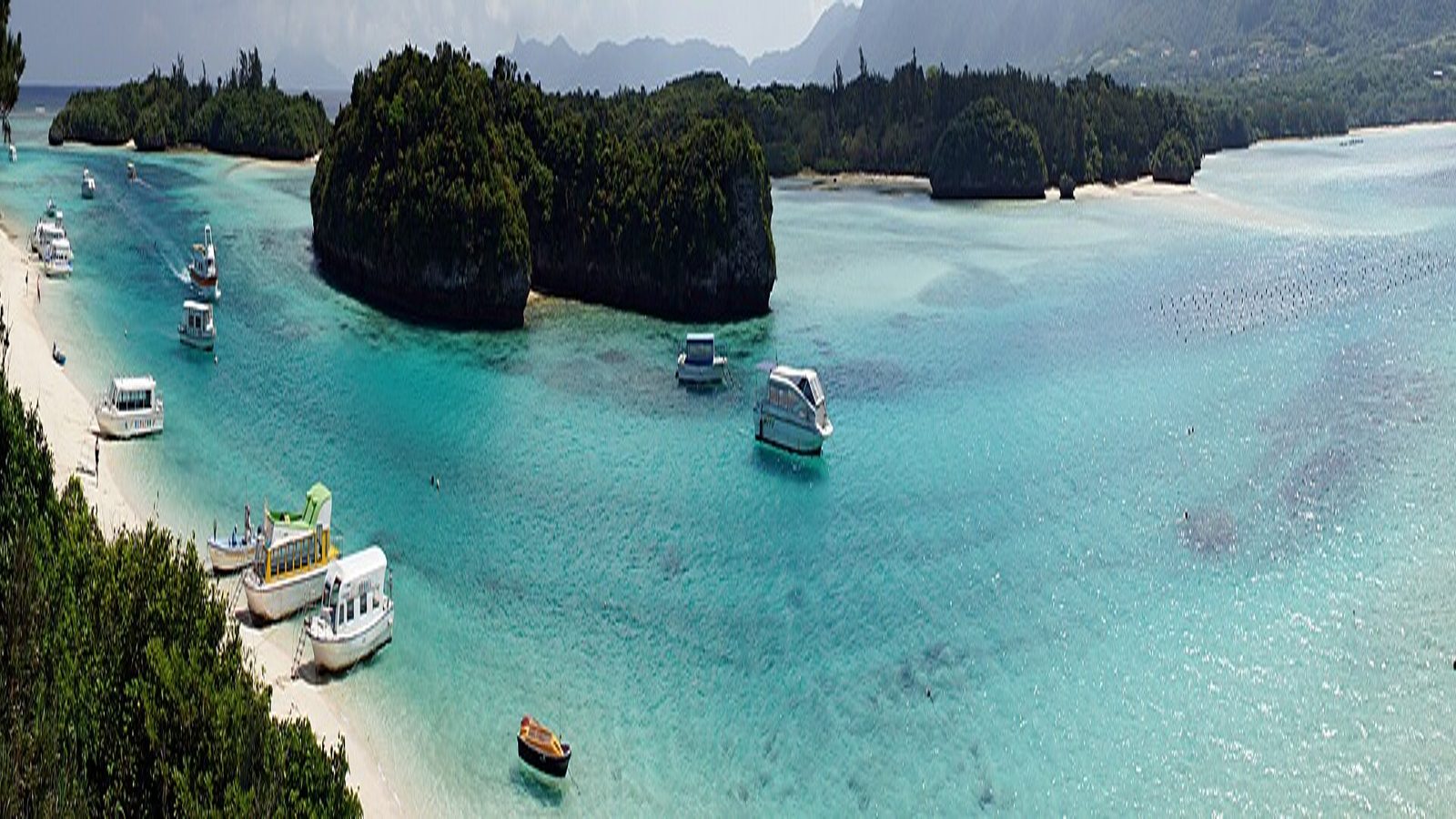
A subtropical island in Okinawa's far south, closer to Taiwan than to Tokyo. You look at Kabira Bay from a glass-bottom boat, take short ferries to the old villages of Taketomi and the jungle of Iriomote, and finish the day with a bowl of Yaeyama soba in town. Best time to visit: April, late June to July and October. Daily budget (budget traveller): $70 to $250 USD.
Arrive and find your feet
Morning: Fly in and take the ¥550 bus from the airport to the town centre. Drop your bag at your hostel near the ferry terminal.
Afternoon: Walk through Euglena Mall and the public market. Have a bowl of Yaeyama soba, then visit Miyara Donchi and its coral stone garden.
Evening: Watch the sunset from the harbour, then find an izakaya in Misaki-cho with live sanshin music.
Kabira Bay and the north
Morning: Pick up a hire car or scooter, or take an early bus to Kabira. Ride a glass-bottom boat (about ¥1,300 to ¥1,700) before the tour buses arrive.
Afternoon: Drive north to Tamatorizaki Observatory and the Hirakubozaki lighthouse. Stop at Yonehara on the way back for a swim and some snorkelling near the shore.
Evening: Watch the sunset at Sukuji Beach, then drive back to town for dinner, or stay out late for the stars if the sky is clear.
Taketomi by bike
Morning: Take an early ferry to Taketomi (¥970 one way, about 15 minutes). Pay the optional ¥300 fee and hire a bicycle near the port.
Afternoon: Ride the sandy lanes through the village, visit the visitor centre and swim at Kondoi Beach. Bring cash, as the port is cash only.
Evening: Watch the sunset from Nishi Pier if you can make a later boat, then take the ferry back to Ishigaki.
Iriomote's jungle and mangroves
Morning: Take a morning ferry to Ohara (¥2,520) or Uehara (¥3,290) and meet your kayak or canoe guide at the port.
Afternoon: Paddle up a mangrove river and walk to a jungle waterfall. If you have time, stop at the free Iriomote Wildlife Conservation Center to learn about the Iriomote cat.
Evening: Take a late-afternoon ferry back and have an easy dinner in town. You will be tired.
Shiraho reef and Banna Park
Morning: Join a guided snorkel trip on the Shiraho reef while the tide is right. Look for the blue coral colonies.
Afternoon: Take the bus back to town and rest during the heat. Then head up to Banna Park for the views over the town and lagoon.
Evening: Try an Ishigaki beef yakiniku dinner, or keep it cheap with a bento on the harbour wall.
Heading home: Take the bus to the airport, allowing about 40 minutes. On a typhoon week, check your flight the night before.
What to eat in Ishigaki
- Yaeyama soba: thin round wheat noodles in a light pork broth with strips of pork and fish cake, the cheapest good lunch on the island
- Ishigaki beef: local wagyu served as yakiniku, sushi or burgers. A lunch set is far cheaper than dinner if you want to try it once
- Chanpuru: stir-fried goya (bitter melon), tofu, egg and pork, served in almost every izakaya
- Ishigaki chili oil (rayu) and island salt: sold in small jars and tubs in the arcade, and good for taking home
- Orion beer and awamori: the Okinawan lager and the local rice spirit, best in a Misaki-cho izakaya with live sanshin music
- Tropical fruit in season: pineapple from late spring, mango in July, and Blue Seal ice cream in flavours such as beni-imo (purple sweet potato)
Hidden gems
- Miyara Donchi, a 19th-century house in town with a coral stone garden, the only surviving Ryukyu-era samurai residence in the Yaeyamas, with a small entry fee
- Sukuji Beach next to Kabira, a wide shallow lagoon that is perfect for wading at low tide and far calmer than the famous bay
- Tojin-baka, a brightly coloured Chinese-style memorial on the west coast for labourers who died here in 1852, rarely crowded
- The trail up Mt Omoto, the highest peak in Okinawa at 526m, a short, steep forest climb with views over the lagoon on clear days
- Kuroshima, a flat little island of cattle pasture and empty lanes, one ferry hop from Ishigaki and much quieter than Taketomi
Getting around
Ishigaki town is small and flat, so you can walk between the ferry terminal, the bus terminal, the arcades and Misaki-cho in a few minutes. Getting around the rest of the island is harder. Azuma Bus runs routes from the bus terminal opposite the port to the airport, Kabira, Yonehara, Shiraho and the north, but many leave only every hour or so and stop early in the evening. A 1-day pass costs ¥1,000 and a 3-day pass ¥2,000, valid for 24 or 72 hours from purchase. Buy them from the driver or the bus terminal office. Some buses now take contactless cards, but carry coins and ¥1,000 notes. For the north and the east coast, most people hire a car or scooter. Japan drives on the left, and most visitors need an International Driving Permit, while a few nationalities need an official translation of their licence, so check before you travel. Taxis are fine for short hops. The island ferries leave from the Remote Island Terminal in town. On Taketomi, you walk, cycle or ride a buffalo cart. On Iriomote, local buses link the ports, but tours with pick-up are easier.
Safety
Ishigaki is very safe, and crime against visitors is rare. The real risks are the sea and the weather. Currents can be strong at reef edges and channels, and there have been drownings at popular snorkel spots, so do not snorkel alone, check the tide and wear a buoyancy vest if you are not a strong swimmer. Box jellyfish (habu-kurage) are around from roughly June to September, so swim at beaches with nets or carry vinegar on a tour. Do not touch cone shells or coral. On land, take the heat and sun seriously from May to October, as heatstroke is common. Sakishima habu snakes live in grass and forest, so stick to paths and use a torch at night. Typhoons hit mainly between July and October. They can stop ferries and flights for a day or more, so leave slack in your plans and follow your hotel's advice. Tap water is safe. Call 110 for police, 119 for ambulance and fire, and 118 for the coast guard. Get travel insurance with medical cover, including water sports if you plan to dive.
Frequently asked questions
What does this 5-day Ishigaki itinerary cover?
Day 1: Arrive and find your feet. Day 2: Kabira Bay and the north. Day 3: Taketomi by bike. Day 4: Iriomote's jungle and mangroves. Day 5: Shiraho reef and Banna Park.
Is 5 days enough for Ishigaki?
Our recommended trip length for Ishigaki is 4 to 7 days. This 5-day plan focuses on the highlights and groups sights by area so you spend less time travelling between them.
How much does 5 days in Ishigaki cost?
A budget traveller spends about $70 to $250 USD a day in Ishigaki, so roughly $350 to $1,250 USD for 5 days, not counting flights.
Where should I stay for 5 days in Ishigaki?
City centre and the arcades: The compact grid around Euglena Mall, the covered shopping arcade with the public market inside. Misaki-cho: The block of streets just east of the arcades where most of the bars, izakaya and live music venues are.
When is the best time to visit Ishigaki?
The best time to visit Ishigaki is April, late June to July and October.
How do I get around Ishigaki?
Ishigaki town is small and flat, so you can walk between the ferry terminal, the bus terminal, the arcades and Misaki-cho in a few minutes. Getting around the rest of the island is harder.
Is Ishigaki safe for solo travellers?
Ishigaki is very safe, and crime against visitors is rare. The real risks are the sea and the weather.
Read more about Ishigaki
- Tokyo for First-Time Visitors: 5-Day Guide With Hidden Gems
- Japanese Culture and Etiquette: A Situation-by-Situation Guide
- Cultural Etiquette in Japan: Quick Do's and Don'ts for First-Timers
More 5-day guides
- Naoshima in 5 days
- Yakushima in 5 days
- Tokyo in 5 days
- Kyoto in 5 days
- Osaka in 5 days
- Sapporo in 5 days
- Hiroshima in 5 days
- Nara in 5 days
Ishigaki in 2 days | Ishigaki in 3 days | Ishigaki in 4 days | Ishigaki in 7 days | Full Ishigaki guide
Joy Plus home | Destinations | Itineraries | Activities | Flights | Budget planner | Calendar | Map | Blog | Lifetime access