Destinations / Asia
Kanazawa, Japan travel guide
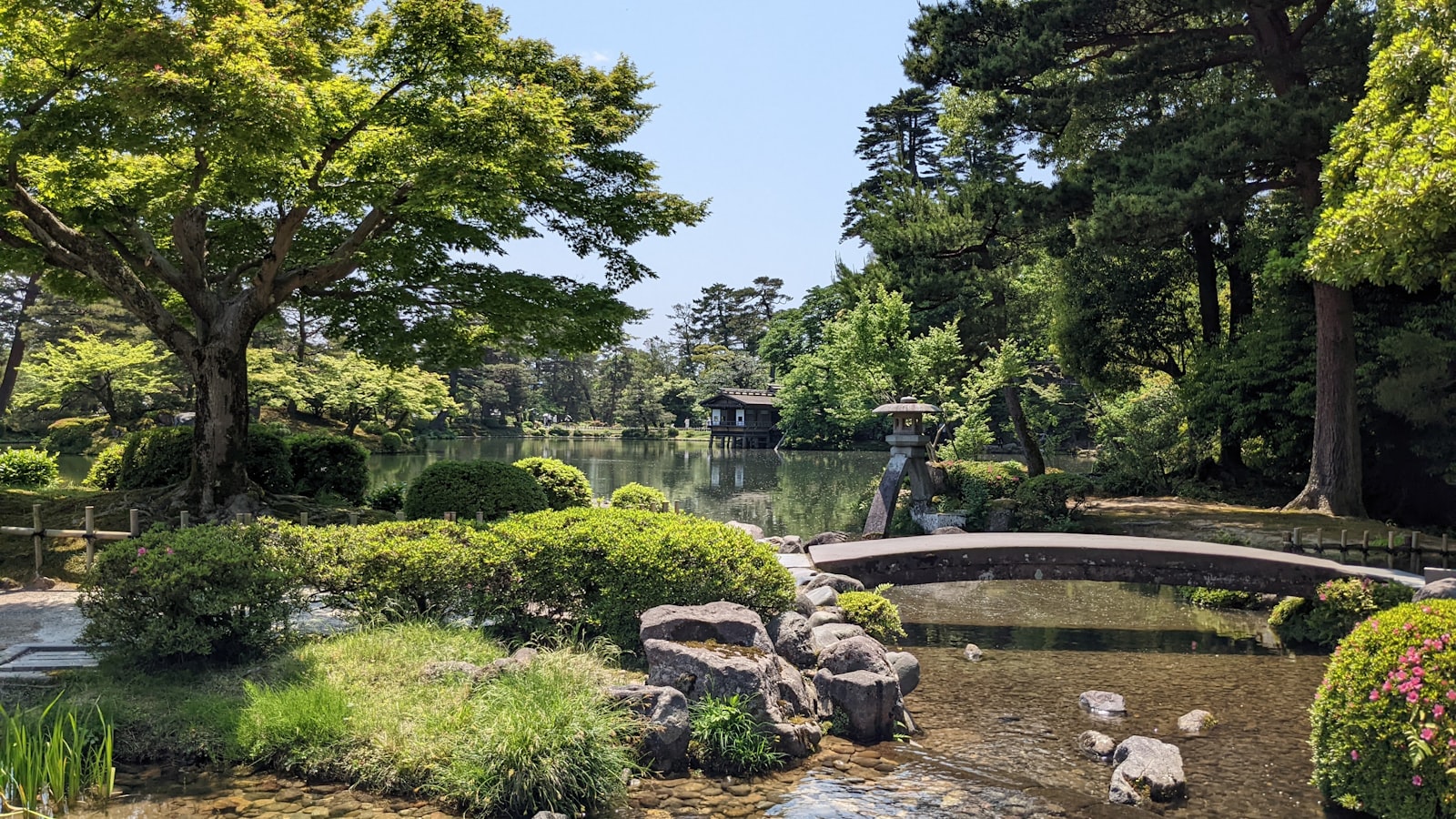
Japan's best-preserved samurai and geisha city: gold-leaf craft, a legendary garden and old districts untouched by the war.
- Best time to visit: April-May and October-November (mild, scenic)
- Daily budget (budget traveller): $80 to $140 USD
- Ideal trip length: 2 to 3 days
Kanazawa is the cultured rival to Kyoto that most visitors miss, a former castle town that escaped wartime bombing and kept its samurai streets, geisha teahouse districts and one of Japan's three great gardens intact. Add a world-class modern art museum and a tradition of gold-leaf craft and seafood, and you have one of Japan's most rewarding small cities. Joy Plus links the garden, the old districts and the markets into an easy walking flow that suits a short, slow stay.
Kanazawa is what Kyoto might feel like if the crowds stayed home. The Maeda clan ran the Kaga domain from 1583, the richest in Japan after the shogun's own lands, and spent that wealth on gardens, tea, lacquer, Noh and gold. The city was never firebombed in 1945, so the samurai lanes of Nagamachi, the geisha teahouses of Higashi Chaya and the willow-lined Kazue-machi riverside are the real thing, not reconstructions. It also makes about 99 percent of Japan's gold leaf, which explains the soft-serve with a sheet of gold on top.
The headline act is Kenroku-en, one of Japan's three great gardens alongside Kairakuen in Mito and Korakuen in Okayama. It is five minutes' walk from the 21st Century Museum of Contemporary Art, where Leandro Erlich's Swimming Pool lets you stand at the bottom of a pool that is only 10cm deep (going under the pool needs a same-day reservation). Add D.T. Suzuki's Zen museum, a 'ninja temple' with trapdoors (by reservation only) (reservation only), and Omicho Market, where a bowl of Sea of Japan seafood costs ¥2,500 to ¥4,000. Kanazawa came through the January 2024 Noto earthquake largely intact. The city is fully open and visitor spending helps the wider region recover.
Plan on three nights, four if you want Shirakawa-go. Do the garden at opening, the geisha lanes before 9am or after 5pm, and save the museums and markets for the middle of the day. The local saying is 'forget your lunchbox, but never your umbrella', so pack one and treat rain as atmosphere. Hokuriku Shinkansen from Tokyo takes about 2.5 hours, so you can be eating kaisen-don by lunchtime.
How many days in Kanazawa?
For Kanazawa, we recommend 2 to 3 days. With more time, add a day trip to Eiheiji.
| Trip length | What you'll see | Itinerary |
|---|---|---|
| 2 days · Recommended | Tsuzumi Gate and Omicho; Kenroku-en, castle and modern art | Kanazawa in 2 days |
| 3 days · Recommended | Adds: Higashi Chaya and gold leaf | Kanazawa in 3 days |
| 4 days | Adds: Nagamachi samurai lanes | Kanazawa in 4 days |
| 5 days | Adds: Shirakawa-go day trip | Kanazawa in 5 days |
| 7 days | Adds: Onsen or Zen, your pick | Kanazawa in 7 days |
Kanazawa itinerary
Arrive, Tsuzumi Gate and Omicho
Morning: Shinkansen Kagayaki from Tokyo (about 2.5 hours) or airport bus from Komatsu (about 45 min). Leave bags in the coin lockers at Kanazawa Station East Exit and photograph the wooden Tsuzumi Gate.
Afternoon: Walk or take the Loop Bus to Omicho Market. Eat a kaisen-don at Maimon Sushi or a market stall before the lunch rush ends, then wander the stalls.
Evening: Dusk stroll along the Asano River at Kazue-machi. Dinner at an izakaya in Katamachi, order jibuni and a local sake flight.
Kenroku-en, castle and modern art
Morning: Kenroku-en at opening (7am March to mid-October, 8am after). Seek out Kotoji lantern and Kasumigaike pond, then matcha and a sweet at Shigure-tei.
Afternoon: Cross to Kanazawa Castle Park (free grounds) and the Hishi Yagura. Walk to the 21st Century Museum, reserve a same-day slot to go under the Swimming Pool, then D.T. Suzuki Museum (closed Mondays).
Evening: Dinner around Hirosaka or Korinbo. Try Kanazawa curry at Champion Curry or a Kaga cuisine set.
Higashi Chaya and gold leaf
Morning: Arrive at Higashi Chaya before 9am for empty lanes. Visit Shima teahouse museum and Kaikaro (about ¥750 each).
Afternoon: Gold-leaf workshop at Hakuichi or Hakuza, then the gold soft-serve (about ¥1,000). Walk the quieter Kazue-machi lane on the way back.
Evening: Sake tasting, then dinner at a sushi counter. Kanazawa's sea bream and nodoguro are the local picks.
Nagamachi samurai lanes
Morning: Nomura-ke samurai house at 8:30 opening (about ¥550). Tea in the indoor garden, then wander the earthen-walled lanes.
Afternoon: Myoryu-ji ninja temple on your reserved slot, with the hotel phoning ahead. Then Nishi Chaya along the Sai River.
Evening: Back to Katamachi for an easy izakaya dinner. Early night.
Shirakawa-go day trip
Morning: Hokutetsu bus from Kanazawa Station, about 75 min, reserve ahead. Walk Ogimachi village among the thatched gassho-zukuri houses.
Afternoon: Wada-ke interior (about ¥400), then the Shiroyama viewpoint on foot or shuttle. Lunch on soba or hoba miso.
Evening: Return bus to Kanazawa. Soup noodles near the station and a long sleep.
Onsen or Zen, your pick
Morning: Option A: Shinkansen to Kaga-Onsen, then bus to Yamashiro Onsen for Kutani ware and a public bath. Option B: Shinkansen to Fukui, bus to Eiheiji temple.
Afternoon: Soak or sit. Eiheiji's zazen halls and cedar grounds rule the afternoon, as do Yamashiro's bathhouse and pottery shops.
Evening: Back in Kanazawa for crab (November to March) or a final kaiseki dinner.
Slow morning and depart
Morning: Coffee and wagashi near Omicho. Buy gold-leaf souvenirs (cosmetics, chopsticks) at Hakuichi.
Afternoon: Last look at the garden or the Loop Bus ride if you have time. Pick up bags from the lockers.
Evening: Shinkansen to Tokyo or Kyoto, or airport bus to Komatsu.
Best neighbourhoods
- Kenroku-en & Castle area: The green heart: the famous garden, Kanazawa Castle and the 21st Century Museum.
- Higashi Chaya District: The best-preserved geisha teahouse quarter, with gold-leaf shops and tea rooms.
- Nagamachi Samurai District: Earthen-walled lanes and preserved samurai residences with hidden gardens.
- Omicho Market area: Central and lively, around the city's historic seafood and produce market.
Must-do experiences
- Kenroku-en Garden: One of Japan's three great gardens, stunning in every season with ponds, teahouses and views.
- Higashi Chaya District: Stroll the lantern-lit geisha streets and visit a teahouse or gold-leaf workshop.
- Nagamachi Samurai District: Walk the preserved samurai lanes and step inside the Nomura-ke residence and garden.
- Omicho Market: Feast on fresh kaisen-don rice bowls and snow-crab at the city's 300-year-old market.
Hidden gems
- Try applying gold leaf yourself at a Higashi Chaya workshop.
- The mirrored 'Swimming Pool' installation at the 21st Century Museum; going underneath it needs a same-day reservation.
- The hidden 'ninja temple' (Myoryu-ji) with trapdoors and secret stairs, visited by reservation only.
- Quiet Kazue-machi teahouse district along the riverside.
Daily budget
- Accommodation: budget ¥3,500-6,500 / night (hostel dorm), mid-range ¥12,000-22,000 (business or boutique double), splurge ¥40,000+ (Hotel Nikko Kanazawa suite, ryokan with dinner). Prices spike during sakura, Golden Week and mid-November foliage. Katamachi business hotels like Dormy Inn Premium are the best value.
- Food: budget ¥3,000-4,500 / day (konbini breakfast, set lunch, Omicho), mid-range ¥7,000-12,000 (kaisen-don, izakaya dinner), splurge ¥25,000+ (kaiseki, winter crab course). Lunch sets (teishoku) run ¥1,000-1,800 and beat dinner on price. Omicho stalls mostly close by about 5pm.
- Transport: budget ¥600 / day (Loop Bus day pass), mid-range ¥1,500-2,500 (buses plus a taxi or two), splurge ¥5,000+ (Shirakawa-go return by bus, taxis). Single bus rides in the centre are ¥210. Walk between districts, they are close.
- Activities: budget ¥1,000-1,500 / day (Kenroku-en ¥320, one house or museum), mid-range ¥3,000-5,000 (gold-leaf workshop, 21st Century Museum, teahouse), splurge ¥12,000+ (private guide, kimono rental plus tea ceremony). Kanazawa Castle Park grounds and the museum's public zones are free.
- Drinks & nightlife: budget ¥1,500 (konbini and one beer), mid-range ¥3,000-6,000 (Katamachi izakaya, local sake), splurge ¥10,000+ (hotel sky bar, sake pairing dinner). Try Ishikawa sake such as Kikuhime or Tedorigawa. Quiet by 11pm, this is not a party city.
Where to stay
- Social hostel in Omicho (¥4,000-7,000 / night): Dorm and capsule beds around Omicho, minutes from the market and a 20-minute walk to the station.
- Boutique hotel in Katamachi / Korinbo (¥12,000-22,000 / night): Dormy Inn Premium Kanazawa or Hotel Resol Trinity, central and flat, near izakaya and 15 minutes to Kenroku-en.
- Apartment in Nagamachi or Kazue-machi (¥14,000-28,000 / night): Renovated machiya townhouses with tatami rooms, deep baths and small gardens. Good value for groups of 3 to 4.
- Splurge in Kanazawa Station / Yamashiro Onsen (¥30,000-80,000 / night): Hotel Nikko Kanazawa for skyline rooms, or an overnight at Beniya Mukayu in Yamashiro Onsen, a ryokan with onsen and kaiseki.
What to eat
- Kaisen-don, a fresh seafood rice bowl from Omicho Market
- Jibuni, the local duck-and-wheat-gluten stew
- Gold-leaf topped soft-serve ice cream
- Snow crab and sweet shrimp from the Sea of Japan in season
Day trips
- Shirakawa-go (75 min by bus): UNESCO-listed Ogimachi village, with steep thatched gassho-zukuri farmhouses and a viewpoint over the valley. Go early, tour groups arrive by 10am. Hokutetsu highway bus from Kanazawa Station, about ¥2,600 to 3,000 one way, reservations required.
- Eiheiji (about 90 min via Fukui): Soto Zen head temple in cedar forest, with monks in daily practice. Quiet and serious, and moving. Entry about ¥700. Shinkansen Kanazawa to Fukui (about 25 min, ¥3,000), then Eiheiji Liner bus about 30 min, around ¥800.
- Yamashiro Onsen (about 1 hour): A hot spring town known for Kutani porcelain, with a public bathhouse, Kosoyu, and Rosanjin's old house. Shinkansen to Kaga-Onsen (about 20 min), then a local bus about 25 min, around ¥500.
When to visit
- Spring (April - May): 10-23°C, sunny spells, cherry blossom in early April. Crowds: Heavy at blossom time and Golden Week (late April to early May). Peak beauty. Kenroku-en at 7am under blossom is the shot you came for. Book hotels three months ahead.
- Summer (June - August): 22-33°C, humid, rainy season mid June to mid July. Crowds: Moderate, busiest around mid-August Obon. Sticky but lush. Do the garden at opening, then spend afternoons in air-conditioned museums.
- Autumn (September - November): 12-26°C, crisp, foliage peaks mid to late November. Crowds: Moderate, heavy on November weekends. Second-best window. Red maples at Kenroku-en and Nagamachi, with more rain by November.
- Winter (December - March): 0-8°C, grey skies, wet snow, frequent rain. Crowds: Low, except crab-season weekends. The locals' pick. Rope-tied yukitsuri pines, snow crab from November, onsen afterwards. Pack waterproof boots.
Entry rules for your passport
Visa rules for Japan depend on the passport you travel on. Check the official source before you book: Japan Ministry of Foreign Affairs
Getting there
Kanazawa Station (JR) is the hub. The Hokuriku Shinkansen Kagayaki from Tokyo takes about 2.5 hours, around ¥14,500 reserved; the slower Hakutaka is a little cheaper. From Kyoto or Osaka, take the Thunderbird to Tsuruga and change to the Shinkansen, about 2.5 to 3 hours and roughly ¥8,000 to 9,000. The JR West Hokuriku Arch Pass (around ¥30,000 for 7 days) covers Tokyo to Osaka via Kanazawa. Komatsu Airport (KMQ) has flights from Haneda, and the airport bus to Kanazawa Station takes about 45 minutes, around ¥1,200 to 1,300. Station coin lockers cost ¥400 to 700; a Yamato courier can forward bags to your next hotel for about ¥2,000 to 2,500.
Getting around
The city is compact and walkable between districts, and the Kanazawa Loop Bus and flat-fare city buses connect the station, Kenroku-en and the old quarters cheaply. Cycling is pleasant on the flat streets, with rental and share bikes available. The JR train from Tokyo via the Hokuriku Shinkansen reaches the city in about 2.5 hours.
Safety
Kanazawa is extremely safe, like the rest of Japan, with very low crime and a comfortable atmosphere for solo travellers including women, even at night. There are no real safety concerns beyond ordinary care. Practical notes: it's one of Japan's rainiest cities, so carry an umbrella, and winters can bring snow, making good footwear useful.
Solo travel tips
- Sit at the counter: Sushi and izakaya counters are made for one. Point at what the person next to you ordered. Omicho counter stalls serve single bowls without fuss.
- Get Kenroku-en to yourself: Be at the gate at 7am (summer) or 8am (winter). Tour groups arrive around 9:30, and the ponds are empty before then.
- Book the ninja temple through your hotel: Myoryu-ji needs a reservation and the booking is easier by phone in Japanese. Ask your hotel desk to call, it takes two minutes.
- Solo female travellers: Kanazawa is one of the safest cities in Japan, and walking home at night is normal. Ignore flyers in the Katamachi entertainment zone and keep your phone charged.
- Join a volunteer guide: Local volunteer groups run free walking tours of Higashi Chaya and Nagamachi in English. Ask at the Kanazawa Station tourist information centre.
Cultural etiquette
- Take shoes off at samurai houses, teahouses and ryokan. Wear intact socks, holes are noticed.
- Don't walk and eat in Omicho Market or Higashi Chaya. Stand by the stall to finish, signs ask this.
- Higashi Chaya streets are people's homes. Don't enter private doors, don't chase geiko for photos.
- Many chaya teahouses are invitation only. Only the open ones, like Shima and Kaikaro, welcome visitors.
- In Kenroku-en, stay on the paths, keep off moss and stone lanterns, and no drones.
- Tipping is not done in Japan. Leave it on the counter and staff will run after you to return it.
- Bag wet umbrellas at museum doors and keep your voice low on buses.
Frequently asked questions
How many days do you need in Kanazawa?
Two to three days covers Kenroku-en garden, the castle, the Higashi Chaya and Nagamachi districts, the 21st Century Museum and Omicho Market, with time for a gold-leaf workshop and the city's seafood.
Is Kanazawa safe for solo travellers?
Yes, exceptionally. Like the rest of Japan, Kanazawa has very low crime and is comfortable for solo travellers, including women, even at night. No special precautions beyond ordinary care are needed.
When is the best time to visit Kanazawa?
Spring (April-May) for cherry blossoms and autumn (October-November) for fall colour are loveliest in Kenroku-en. Winter brings atmospheric snow and crab season; summer is warm and humid. Kanazawa is rainy year-round, so pack an umbrella.
How do I get to Kanazawa from Tokyo?
The Hokuriku Shinkansen runs from Tokyo to Kanazawa in about 2.5 hours, making it an easy addition to a Japan itinerary. From Kyoto and Osaka, take the Thunderbird express to Tsuruga and change there to the Shinkansen.
Is Kanazawa worth visiting?
Yes. Often called a smaller, quieter Kyoto, Kanazawa preserves geisha and samurai districts, has one of Japan's three great gardens, a renowned modern art museum and superb seafood, all without Kyoto's crowds.
Is Kanazawa expensive to visit?
It's moderate by Japanese standards. Budget travellers manage on around $80 to $100 a day with business hotels, market meals and cheap loop-bus transport. Garden and museum entry fees are modest.
What is Kanazawa famous for?
Kanazawa is famous for Kenroku-en garden, its preserved geisha and samurai districts, and producing almost all of Japan's gold leaf, which appears in crafts, lacquerware and even on ice cream and food.
More about Kanazawa
- Where to Travel in 2027: 15 Places Worth Planning a Trip Around
- Tokyo for First-Time Visitors: 5-Day Guide With Hidden Gems
- Japanese Culture and Etiquette: A Situation-by-Situation Guide
- Cultural Etiquette in Japan: Quick Do's and Don'ts for First-Timers
Tours and activities in Kanazawa | Kanazawa in 2 days | Kanazawa in 3 days | Kanazawa in 4 days | Kanazawa in 5 days | Kanazawa in 7 days
Can't decide? Compare Kanazawa with...
Joy Plus home | Destinations | Itineraries | Activities | Flights | Budget planner | Calendar | Map | Blog | Lifetime access