Destinations / Asia
Miyajima, Japan travel guide
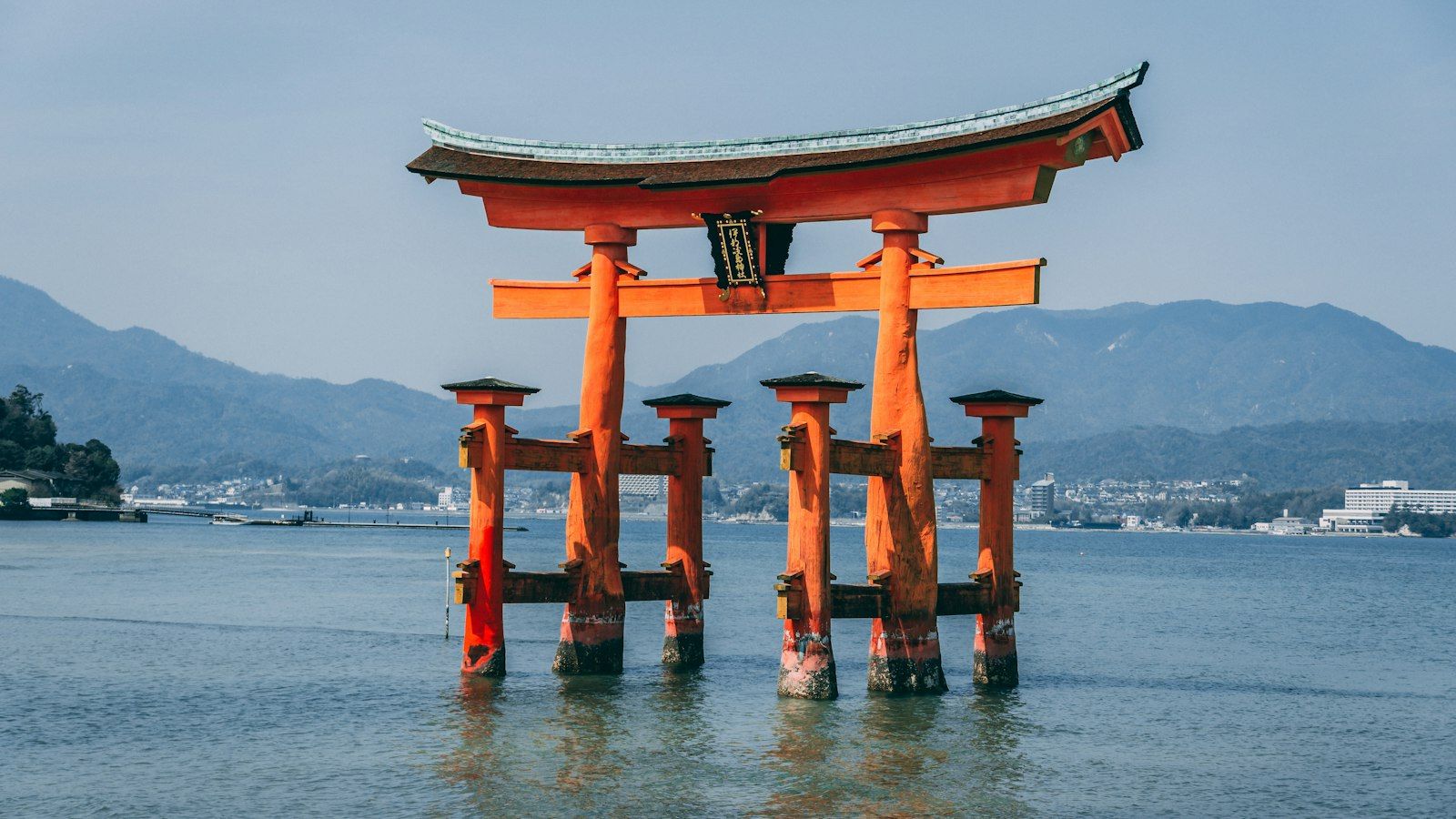
A sacred island in the Seto Inland Sea where a vermilion shrine seems to float at high tide, deer wander the lanes, and a forested peak looks out over hundreds of islands.
- Best time to visit: Late March to May and October to November
- Daily budget (budget traveller): $60 to $200 USD
- Ideal trip length: 2 to 3 nights on the island, 5 to 7 days with Hiroshima
Miyajima, officially Itsukushima, sits a 10-minute ferry ride off the coast of Hiroshima Prefecture. It has long been counted among Japan's three most celebrated views. Most visitors come on a day trip from Hiroshima, see the Great Torii, eat a grilled oyster and leave by late afternoon. That is the mistake. Stay the night and the island changes completely. Itsukushima Shrine opens at 6:30am to almost nobody, the torii is lit after dark, and the deer have the shopping street to themselves. Behind the town, Mount Misen climbs to 535 metres through UNESCO-listed forest, with temple halls, granite boulders and a summit view across the Seto Inland Sea. Daisho-in, the island's main temple, is free to enter and full of small Buddhist statues, prayer wheels and stone lanterns. The food is simple: oysters in winter, conger eel rice all year, and maple-leaf cakes still warm from the griddle. Japan is one of the easiest countries in the world to travel alone, and Miyajima is small, walkable and very safe. Plan around the tides, not just the calendar, and it pays you back many times over.
Miyajima is roughly 30 square kilometres of forested granite with a small town on its northern shore and fewer than 2,000 residents. For centuries the whole island was treated as sacred, which is why Itsukushima Shrine was built over the water rather than on the land. The shrine, the torii and the primeval forest of Mount Misen are a UNESCO World Heritage Site. The island draws millions of visitors a year, and almost all of them come between about 10am and 4pm. That makes Miyajima two places. By day it is a queue for oysters and selfies with deer. Before breakfast and after dinner it is a quiet temple town with stone lanterns, lapping water and a lit gate in the bay. This guide is built around the second version.
The simplest solo route is to sleep two or three nights on the island or in Miyajimaguchi and use it as a base for Hiroshima and Iwakuni. Getting across is cheap: ¥420 on the JR train from Hiroshima Station, ¥200 on the ferry and a ¥100 visitor tax. The big variable is accommodation. Island ryokan with dinner can cost ¥25,000 to well over ¥50,000 for one person. Guesthouses such as Mikuniya and the hostels near Miyajimaguchi pier cost a fraction of that. Food on the island is good but closes early, and the ropeway up Mount Misen at ¥2,000 return is the single biggest activity cost. Walk it instead and the mountain is free.
Timing comes down to two calendars: the seasons and the tides. Late March to May brings cherry blossom and comfortable hiking. June to mid-July is the rainy season, followed by heavy summer heat and the typhoon window from about August to October. Mid to late November is maple season, beautiful and very crowded. Winter is cold but quiet, and it is oyster season. Whatever the month, download the tide table before you go. The shrine looks like it floats only at high water, and you can walk to the torii only at low water. Get those two moments right and the trip feels like a different place.
Miyajima itinerary
Arrive and cross to the island
Morning: Arrive at Hiroshima Station. Take the JR Sanyo Line to Miyajimaguchi (¥420, about 27 minutes). Grab an anagomeshi bento at Ueno by the station if you are hungry.
Afternoon: Take the JR ferry (¥200 plus ¥100 visitor tax) and watch for the torii from the right-hand side. Drop your bags, then walk Machiya-dori and the shore as the day-trippers start to leave.
Evening: Eat early, as most places close by about 6pm. After dark, walk the waterfront to see the shrine and torii lit up. If the tide is high, a short night cruise passes close to the gate.
Shrine at dawn, Daisho-in and Senjokaku
Morning: Be at Itsukushima Shrine for 6:30am (¥300, cash). Walk the corridors and Noh stage, then climb to Senjokaku (¥100) and the five-storey pagoda.
Afternoon: Lunch on grilled oysters along Omotesando. Walk up to Daisho-in, spin the prayer wheels and go down into the Henjokutsu cave. Entry is free.
Evening: If low tide falls before dusk (around 100 cm or less), walk out across the flats to the torii. Dinner at your inn or an early izakaya meal.
Hike Mount Misen
Morning: Start the Daisho-in trail by 8am. Allow about 90 minutes to 2 hours of stone steps to the 535-metre summit. Squeeze through the giant boulders near the top.
Afternoon: Picnic with sea views. Ride the ropeway down from Shishiiwa station (¥1,100 one way) before the last descent in the late afternoon, or walk down the Momijidani trail.
Evening: Rest your legs in Momijidani Park. A beer at Miyajima Brewery and hot age-momiji at Momijido.
Hiroshima: Peace Park and okonomiyaki
Morning: Ferry and JR to Hiroshima, or splash out on Aqua Net's direct boat to Peace Memorial Park (about ¥2,400). Visit the Peace Memorial Museum (¥200). The first hour after opening needs an online booking.
Afternoon: Walk the park, the Children's Peace Monument and the Atomic Bomb Dome. Lunch at Okonomimura. Wander the free Hiroshima Castle grounds. The keep closed in March 2026.
Evening: Hondori arcade, or drinks in Nagarekawa. Take Hiroden tram line 2 (¥240) or JR back to Miyajimaguchi, and check the last ferry first.
Iwakuni and the Kintaikyo bridge
Morning: Take the JR west from Miyajimaguchi to Iwakuni (about 25 minutes), then a local bus of about 20 minutes to Kintaikyo.
Afternoon: Cross the five-arched wooden bridge (about ¥500 since September 2026, so check). Ride the ropeway to Iwakuni Castle and try the riverside soft-serve shops with dozens of flavours.
Evening: Back to Miyajima by train and ferry. A quiet dinner, then one last look at the lit torii.
Slow island day
Morning: Walk Machiya-dori at 7am, then head west to the Miyajima Public Aquarium (about ¥1,400, so check) to see local finless porpoises and oysters.
Afternoon: Stroll the Nishimatsubara sandbar to Kiyomori Shrine, then follow paths towards Omoto Park. Coffee in a Machiya-dori café.
Evening: Watch sunset from the sandbar. If it is oyster season, have a final round at Yakigaki no Hayashi before it closes.
Low-tide torii and departure
Morning: Check the tide table. If low water falls early, walk out to the torii before breakfast. Otherwise, revisit the shrine at high tide right at opening.
Afternoon: Ferry back to Miyajimaguchi. Lunch on anagomeshi at Ueno, then JR to Hiroshima Station for the shinkansen or airport bus.
Evening: Onward travel. From Hiroshima, Osaka is about 1 hour 20 minutes by shinkansen.
Best neighbourhoods
- Omotesando and the ferry pier: The covered shopping street running from the ferry terminal towards the shrine, lined with oyster grills, momiji manju bakeries and souvenir shops. It is packed from mid-morning to late afternoon and very quiet early and late in the day.
- Machiya-dori: A quieter lane running parallel to Omotesando, with restored merchant houses, small cafés, galleries and guesthouses. It is the best street for a slow morning walk before the day-trippers arrive.
- Momijidani: The maple valley behind the shrine, where a stream runs under small red bridges towards the ropeway station. Historic ryokan such as Iwaso sit here, and the leaves peak from mid to late November.
- Around Daisho-in and the west shore: The streets climbing towards Daisho-in temple and the Mount Misen trailheads, plus the Nishimatsubara sandbar near the aquarium. It is calm in the evenings and good for sunset over the water.
- Miyajimaguchi (mainland): The ferry port across the strait, with JR and Hiroden tram stations, the island's cheapest beds, and the famous anagomeshi (conger eel rice) shop Ueno. It is 10 minutes by boat from the island and makes a practical budget base.
- Central Hiroshima: Peace Memorial Park, the Hondori shopping arcade and Nagarekawa's bars are all within walking distance of each other. It is the best choice if you want nightlife and plan to see Miyajima as one or two long day trips.
Must-do experiences
- Visit Itsukushima Shrine at opening time: Enter at 6:30am (adults ¥300, cash) and walk the long vermilion corridors over the water before the tour groups arrive. At high tide the whole complex appears to float.
- See the Great Torii at high and low tide: Check the tide table. At around 250 cm or more the gate stands in water. At around 100 cm or less you can walk out across the flats and stand beneath it.
- Hike Mount Misen: Climb the Daisho-in trail through ancient forest to the 535-metre summit for views over the Seto Inland Sea, then ride the ropeway down (¥1,100 one way) or walk both ways for free.
- Explore Daisho-in Temple: Spin the sutra prayer wheels on the stair rails, find the rows of small jizo statues and descend into the candlelit Henjokutsu cave at the island's oldest temple. Entry is free.
- Climb to Senjokaku and the five-storey pagoda: Toyokuni Shrine's huge unfinished wooden hall (¥100) is a breezy place to sit, with the vermilion pagoda next door. The pagoda's roof works may run into late 2026, so expect possible scaffolding.
- Graze along Omotesando: Try grilled oysters, deep-fried age-momiji and a beer from the island brewery, then find the giant wooden rice scoop, a symbol of Miyajima.
- Watch the torii lit up after dark: Once the day-trippers leave, walk the shore to see the gate and shrine illuminated, or take a small night cruise that passes close to the torii at high tide.
- Walk Momijidani Park in autumn: Follow the stream through the maple valley in mid to late November, when the leaves turn red. Arrive early, because it is the island's busiest season.
Hidden gems
- Henjokutsu, the cave beneath Daisho-in, lined with Buddhist images representing the 88 temples of the Shikoku pilgrimage and lit by candles
- Machiya-dori at 7am, when the merchant-house lane is empty apart from deer and the smell of the bakeries warming up
- Kiyomori Shrine and the Nishimatsubara sandbar near the aquarium, a pine-lined spit that gets the island's best sunset views and very few visitors
- The Omoto trail down from Mount Misen, the quietest of the three routes, ending near Omoto Shrine on the west side of town
- Kuguri-iwa and the other giant granite boulders just below the summit of Mount Misen, which you can squeeze through on the final stretch
Daily budget
- Accommodation: budget ¥3,500-6,500 / night (hostel dorm in Miyajimaguchi or a guesthouse dorm on the island), mid-range ¥12,000-25,000 (private room at a guesthouse or simple ryokan for one), splurge ¥50,000+ (Iwaso or Kinsuikan with kaiseki dinner). Ryokan often price per person and include dinner and breakfast. Hiroshima Prefecture adds ¥200 per person per night from April 2026, usually paid in cash. Book November and Golden Week months ahead.
- Food: budget ¥2,500-4,000 / day (convenience-store breakfast, street snacks, one set lunch), mid-range ¥5,000-9,000 (oysters, anagomeshi lunch, izakaya dinner), splurge ¥15,000+ (ryokan kaiseki, oyster tasting menus). Anagomeshi runs roughly ¥2,500-4,000, a plate of grilled oysters about ¥1,000-1,500 and age-momiji a few hundred yen. Island restaurants close early, so eat dinner by about 6pm or buy supplies in Miyajimaguchi.
- Transport: budget ¥500-1,500 / day (ferry ¥200 each way, JR ¥420, Hiroden ¥240), mid-range ¥1,000-2,000 (Visit Hiroshima Tourist Pass from ¥1,000 for 24 hours), splurge ¥5,000+ (Aqua Net direct boat from Peace Park, taxis). The ¥100 visitor tax is charged once per trip to the island. JR Pass covers the JR ferry but not the tax, Hiroden trams or the Aqua Net boat.
- Activities: budget ¥300-800 / day (shrine ¥300, Senjokaku ¥100, Daisho-in free), mid-range ¥2,000-4,000 (ropeway ¥2,000 return, aquarium, night cruise), splurge ¥8,000+ (private guide, multiple paid sights). The shrine and Treasure Hall combo is ¥500. Peace Memorial Museum is ¥200. Kintaikyo bridge rose to about ¥500 in September 2026, so check before you go. Hiking Misen is free.
- Drinks & nightlife: budget ¥300-800 (shop beer or one craft pint), mid-range ¥2,000-4,000 (izakaya in Hiroshima, Miyajima Brewery), splurge ¥6,000+ (sake tasting, Nagarekawa bar crawl). Miyajima has no nightlife to speak of. The evening entertainment is the lit torii. For bars, take the train to Hiroshima's Nagarekawa district, but check the last train and ferry back.
Where to stay
- Social hostel in Miyajimaguchi (mainland) or Miyajima town (¥3,500-7,000 / night (dorm bed)): Backpackers Miyajima is a few minutes' walk from the Miyajimaguchi ferry pier, with dorms and other travellers to share tide tips with. On the island, Miyajima Guest House Mikuniya has dorm and private tatami options with a communal feel.
- Boutique hotel in Omotesando, Miyajima (¥25,000-50,000 / night): Kurayado Iroha has modern rooms in a traditional-style building right on the shopping street, steps from the shrine. It suits travellers who want a bed and comfort without a full ryokan routine.
- Apartment in Miyajimaguchi or central Hiroshima (¥8,000-16,000 / night): There are very few self-catering units on the island itself. Kitchen apartments on the mainland are cheaper, give you supermarket access and make Hiroshima and Iwakuni day trips easy.
- Splurge in Momijidani, Miyajima (¥50,000-100,000+ / night with dinner): Iwaso, founded in 1854 in the maple valley, has hot-spring baths, kaiseki dinners and riverside cottages. Kinsuikan and Miyajima Grand Hotel Arimoto are good waterfront alternatives.
What to eat
- Grilled oysters: Hiroshima Bay produces most of Japan's farmed oysters, grilled in the shell on Omotesando at places like Yakigaki no Hayashi and at their best from roughly November to March
- Anagomeshi: grilled conger eel on rice soaked in a sweet soy broth, served at Fujitaya on the island and sold as a famous bento by Ueno in Miyajimaguchi
- Momiji manju and age-momiji: maple-leaf sponge cakes filled with red bean or custard, and Momijido's deep-fried version eaten hot on a stick
- Hiroshima-style okonomiyaki: layered rather than mixed, with cabbage, noodles, pork and egg on a hot plate, best at the many counters of Okonomimura in central Hiroshima
- Miyajima Brewery craft beer: local ales poured near the ferry pier, a good stop after the ropeway or a hot afternoon on the trails
- Ryokan kaiseki dinner: a multi-course seasonal meal of local fish, oysters and vegetables, included in many island inn rates and worth one splurge night
Day trips
- Hiroshima Peace Memorial Park and Museum (About 25km, 45 minutes by direct boat or about an hour by ferry and JR): The Atomic Bomb Dome, the Cenotaph and the Children's Peace Monument sit in a free park open around the clock. The Peace Memorial Museum (¥200) is one of the most moving museums in the world. Allow at least 90 minutes. Ferry and JR to Hiroshima, then Hiroden tram to Genbaku Dome-mae, or take Aqua Net's direct boat from the island to the park for around ¥2,400 one way. Book a museum slot online if you want the first hour after opening.
- Iwakuni and the Kintaikyo bridge (About 25km west of Miyajimaguchi, roughly 45 to 60 minutes): A five-arched wooden bridge over the clear Nishiki River, rebuilt using traditional methods, with a hilltop castle reached by ropeway and riverside soft-serve stalls with dozens of flavours. JR from Miyajimaguchi to Iwakuni Station (about 25 minutes), then a local bus of about 20 minutes to the bridge. The bridge toll is about ¥500 since September 2026, so check current fees.
- Okunoshima (Rabbit Island) (About 2 to 2.5 hours each way from Miyajimaguchi): A small island covered in free-roaming rabbits, with a sobering museum about its wartime poison-gas factory and quiet coastal paths. Bring leafy vegetables rather than processed snacks for the rabbits. JR to Tadanoumi via Mihara (shinkansen plus local train) or the slower Kure Line, then a short ferry. Check JR West and ferry timetables carefully, as connections are limited and it is a long day.
When to visit
- Spring (March - May): 10-23°C, mild and fairly dry, cherry blossom in early April. Crowds: High in early April and Golden Week (late April to early May). Excellent for hiking Misen and walking the town. Book Golden Week beds well ahead, and go early to the shrine on blossom weekends.
- Rainy season and summer (June - August): 24-34°C, wet June to mid-July, then hot and very humid. Crowds: Moderate, rising in the school holidays. Long daylight and lush forest, but tough hiking heat. Hike at dawn, carry plenty of water and plan around downpours. The Kangen-sai boat festival falls on a summer night set by the lunar calendar, so check the date.
- Autumn (September - November): 15-28°C, typhoon risk in September, crisp and clear by November. Crowds: Very heavy for maples in mid to late November. The best all-round season. October is the sweet spot. November maples are stunning but busy, and the ropeway may need advance booking on peak days.
- Winter (December - February): 2-11°C, cold, dry and often clear. Crowds: Low, except New Year. The locals' pick for oysters and quiet lanes. Pack layers, check for ropeway maintenance closures and look out for the early February oyster festival.
Entry rules for your passport
Visa rules for Japan depend on the passport you travel on. Check the official source before you book: Japan Ministry of Foreign Affairs
Getting there
Most visitors arrive via Hiroshima Station on the Sanyo Shinkansen: about 1 hour 20 minutes from Shin-Osaka, about 1 hour from Hakata and roughly 4 hours from Tokyo. Hiroshima Airport (HIJ) is about 50km east of the city, with limousine buses to Hiroshima Station in about 45 to 60 minutes for roughly ¥1,400-1,500, so check current fares. From Hiroshima Station, take the JR Sanyo Line to Miyajimaguchi (¥420, about 27 minutes) or Hiroden tram line 2 (¥240, about 70 minutes). JR West Miyajima Ferry and Miyajima Matsudai Kisen each charge ¥200 for the 10-minute crossing, plus the ¥100 Miyajima Visitor Tax on the way over. Aqua Net Hiroshima's World Heritage Sea Route runs directly from Peace Memorial Park to the island in about 45 minutes, for around ¥2,400 one way or ¥4,400 return. The Japan Rail Pass covers the JR train and JR ferry but not the visitor tax. Many visitors can enter Japan visa-free for short stays, but check your nationality. Fill in Visit Japan Web before you fly, and remember the ¥3,000 departure tax from July 2026, usually included in your ticket.
Getting around
Miyajima town is compact and you will walk almost everywhere. It is about 10 to 15 minutes from the ferry pier to Itsukushima Shrine and about 20 to 25 minutes to the ropeway station at Momijidani, with a free shuttle bus covering part of the way. To reach the island, take the JR Sanyo Line from Hiroshima Station to Miyajimaguchi (¥420, about 27 minutes) or the slower Hiroden tram line 2 (flat ¥240, about 70 minutes). From Miyajimaguchi, two companies, JR West Miyajima Ferry and Miyajima Matsudai Kisen, run frequent 10-minute crossings for ¥200 each way. Add the ¥100 Miyajima Visitor Tax when you travel to the island. The JR ferry is covered by the Japan Rail Pass and its daytime route passes closer to the torii. Aqua Net Hiroshima runs a direct boat from Peace Memorial Park to the island in about 45 minutes, around ¥2,400 one way, which is quicker but much pricier. The Visit Hiroshima Tourist Pass (24, 48 or 72 hours) covers Hiroden trams, city buses and a Miyajima ferry route, but not the visitor tax. Last ferries run in the late evening, so check the timetable if you are staying on the mainland.
Safety
Japan is among the safest countries in the world for solo travellers, including women, and violent crime against visitors is very rare. On Miyajima the hazards are natural. The deer are wild animals. They snatch paper maps, tickets and food and can head-butt or bite, and feeding them is not allowed. Keep snacks and paperwork in a zipped bag. The tidal flats around the torii are slippery and the tide comes back faster than you might expect, so check the tide table and walk out on a falling tide. On Mount Misen, start early, carry water, and allow time to get down before the ropeway's last descent in the late afternoon. Trails are steep, rocky stairs that get slick in rain. Summer is hot and humid, the rainy season runs roughly June to mid-July, and typhoons can disrupt ferries from August to October, so watch the forecast. Many island restaurants and shops close by early evening, so buy dinner supplies in advance if you are staying over. Keep a little cash on you, because several entry booths and small stalls do not take cards.
Solo travel tips
- Sleep on or near the island at least once: The island's best hours are before 9am and after 5pm, when day-trippers are gone. A dorm at a Miyajimaguchi hostel or a guesthouse room on the island makes the 6:30am shrine visit easy.
- Plan the day around the tide table: Download the Miyajima Tourist Association tide table before you arrive. Aim for the shrine at high water and the torii walk at low water. Get this wrong and you see mud or wet feet at the wrong moment.
- Beat the ropeway clock: The last uphill car leaves in the mid-afternoon and the queue for the last car down can be long. Hike up in the morning and ride down, or ride up early and walk down, so you are never racing the closing time.
- Eat lunch big and dinner early: Island restaurants mostly serve lunch and close by early evening. Make lunch your main meal and grab a bento or supplies in Miyajimaguchi for the evening. Counter seats at oyster grills and okonomiyaki shops are made for solo diners.
- Safety for solo travellers: Crime is not the issue here. Deer, tides, steep wet steps and summer heat are. Keep food zipped away, walk the flats on a falling tide, carry water on Misen and tell your host if you are hiking alone late in the day.
- Find other travellers: Mikuniya and the Miyajimaguchi hostels have shared lounges where people swap tide times and hiking plans. In Hiroshima, Okonomimura counters and Nagarekawa bars make it easy to chat. Download offline maps, because signal can drop on the Misen trails.
Cultural etiquette
- Bow lightly before passing through a torii and walk to the side of the path, as the centre is traditionally kept for the deity.
- Rinse your hands and mouth at the chozuya water basin before entering the shrine: left hand, right hand, then a sip poured into your cupped hand, never straight from the ladle.
- At the shrine, toss a coin, bow twice, clap twice, pray, then bow once more. At Buddhist temples such as Daisho-in, put your hands together quietly without clapping.
- Do not feed or chase the deer. Feeding is prohibited on Miyajima, and the deer will grab anything paper or edible.
- Take your shoes off where you see a step up or slippers, including ryokan rooms and some temple halls. Never wear slippers onto tatami.
- Bins are scarce, so carry your rubbish back to your accommodation. Avoid eating while walking through shrine and temple grounds.
- In shared onsen baths, wash fully before getting in, keep towels out of the water, and check the rules on tattoos in advance.
Frequently asked questions
How do I get from Hiroshima to Miyajima?
The cheapest quick route is the JR Sanyo Line from Hiroshima Station to Miyajimaguchi (¥420, about 27 minutes), then a 10-minute ferry for ¥200 plus the ¥100 visitor tax. The Hiroden tram line 2 is slower but cheaper at a flat ¥240. Aqua Net's direct boat from Peace Memorial Park takes about 45 minutes and costs around ¥2,400 one way.
Should I stay overnight on Miyajima or do a day trip?
Stay at least one night if you can. Day-trippers fill the island from mid-morning to late afternoon. Early mornings, evenings and the lit-up torii are far calmer. If island rooms are too expensive, hostels in Miyajimaguchi still put you on the first ferry in 10 minutes.
When can I see the torii floating, and when can I walk to it?
The torii and shrine look like they float at high tide, roughly 250 cm or more on the local tide table. You can walk out to the torii at low tide, around 100 cm or less. The Miyajima Tourist Association publishes tide tables, so plan your shrine visit and low-tide walk around them.
How much does the Mount Misen ropeway cost, and can I hike instead?
The ropeway costs ¥2,000 return or ¥1,100 one way for adults. The last uphill car leaves in the mid-afternoon, so do not start late. Three free trails lead to the top: Daisho-in, Momijidani and Omoto. Each takes about 90 minutes to 2 hours up for a fit walker. The ropeway closes for scheduled maintenance at times, and in 2026 it shut from 22 June to 16 July, so check the official site.
Is there a fee to visit Miyajima?
Yes. Since October 2023 a ¥100 Miyajima Visitor Tax has been charged to most people arriving by boat. It is normally included in the ferry ticket or IC card fare. Japan Rail Pass holders buy a separate ¥100 ticket at the terminal. Hiroshima Prefecture also added an accommodation tax of ¥200 per person per night from April 2026, usually paid in cash at your inn.
Can I feed the deer on Miyajima?
No. Unlike Nara, Miyajima does not sell deer crackers and asks visitors not to feed the deer, because human food has made them sick and aggressive. Keep food, maps and tickets out of sight, and do not tease them for photos.
Is Miyajima safe for solo female travellers?
Yes. Miyajima and Hiroshima are very safe, and the island is quiet and well lit around the shrine and main streets at night. Normal precautions apply in Hiroshima's nightlife district. The bigger risks are natural: slippery tidal flats, steep trails and summer heat.
What are the entry rules for visiting Japan in 2026?
Many nationalities, including UK, EU, US, Canadian and Australian citizens, can usually visit Japan visa-free for short tourist stays, but rules depend on your passport. Visa fees for those who need one rose on 1 July 2026, and the departure tax rose to ¥3,000 per person from the same date, normally included in your ticket. Japan's planned JESTA travel authorisation is not yet in operation. Complete immigration and customs forms through Visit Japan Web before you fly. Rules change, so always confirm on the official Ministry of Foreign Affairs of Japan website and your own government's travel advice before booking.
More about Miyajima
- Tokyo for First-Time Visitors: 5-Day Guide With Hidden Gems
- Japanese Culture and Etiquette: A Situation-by-Situation Guide
- Cultural Etiquette in Japan: Quick Do's and Don'ts for First-Timers
Tours and activities in Miyajima | Miyajima in 2 days | Miyajima in 3 days | Miyajima in 4 days | Miyajima in 5 days | Miyajima in 7 days
Joy Plus home | Destinations | Itineraries | Activities | Flights | Budget planner | Calendar | Map | Blog | Lifetime access