Miyajima in 2 days
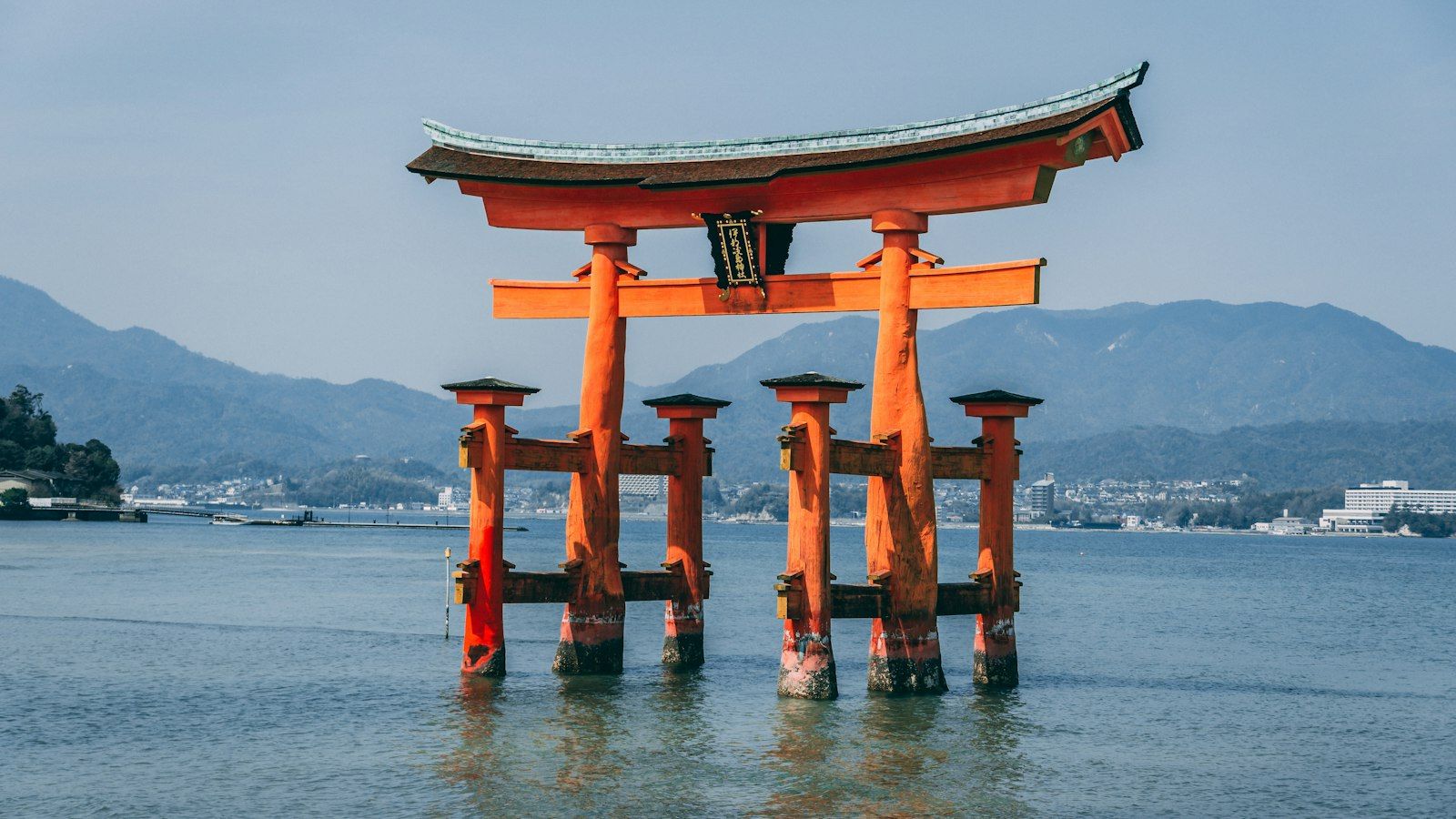
A sacred island in the Seto Inland Sea where a vermilion shrine seems to float at high tide, deer wander the lanes, and a forested peak looks out over hundreds of islands. Best time to visit: Late March to May and October to November. Daily budget (budget traveller): $60 to $200 USD.
Arrive and cross to the island
Morning: Arrive at Hiroshima Station. Take the JR Sanyo Line to Miyajimaguchi (¥420, about 27 minutes). Grab an anagomeshi bento at Ueno by the station if you are hungry.
Afternoon: Take the JR ferry (¥200 plus ¥100 visitor tax) and watch for the torii from the right-hand side. Drop your bags, then walk Machiya-dori and the shore as the day-trippers start to leave.
Evening: Eat early, as most places close by about 6pm. After dark, walk the waterfront to see the shrine and torii lit up. If the tide is high, a short night cruise passes close to the gate.
Shrine at dawn, Daisho-in and Senjokaku
Morning: Be at Itsukushima Shrine for 6:30am (¥300, cash). Walk the corridors and Noh stage, then climb to Senjokaku (¥100) and the five-storey pagoda.
Afternoon: Lunch on grilled oysters along Omotesando. Walk up to Daisho-in, spin the prayer wheels and go down into the Henjokutsu cave. Entry is free.
Evening: If low tide falls before dusk (around 100 cm or less), walk out across the flats to the torii. Dinner at your inn or an early izakaya meal.
Heading home: Lunch on anagomeshi at Ueno, then JR to Hiroshima Station for the shinkansen or airport bus.
What to eat in Miyajima
- Grilled oysters: Hiroshima Bay produces most of Japan's farmed oysters, grilled in the shell on Omotesando at places like Yakigaki no Hayashi and at their best from roughly November to March
- Anagomeshi: grilled conger eel on rice soaked in a sweet soy broth, served at Fujitaya on the island and sold as a famous bento by Ueno in Miyajimaguchi
- Momiji manju and age-momiji: maple-leaf sponge cakes filled with red bean or custard, and Momijido's deep-fried version eaten hot on a stick
- Hiroshima-style okonomiyaki: layered rather than mixed, with cabbage, noodles, pork and egg on a hot plate, best at the many counters of Okonomimura in central Hiroshima
- Miyajima Brewery craft beer: local ales poured near the ferry pier, a good stop after the ropeway or a hot afternoon on the trails
- Ryokan kaiseki dinner: a multi-course seasonal meal of local fish, oysters and vegetables, included in many island inn rates and worth one splurge night
Hidden gems
- Henjokutsu, the cave beneath Daisho-in, lined with Buddhist images representing the 88 temples of the Shikoku pilgrimage and lit by candles
- Machiya-dori at 7am, when the merchant-house lane is empty apart from deer and the smell of the bakeries warming up
- Kiyomori Shrine and the Nishimatsubara sandbar near the aquarium, a pine-lined spit that gets the island's best sunset views and very few visitors
- The Omoto trail down from Mount Misen, the quietest of the three routes, ending near Omoto Shrine on the west side of town
- Kuguri-iwa and the other giant granite boulders just below the summit of Mount Misen, which you can squeeze through on the final stretch
Getting around
Miyajima town is compact and you will walk almost everywhere. It is about 10 to 15 minutes from the ferry pier to Itsukushima Shrine and about 20 to 25 minutes to the ropeway station at Momijidani, with a free shuttle bus covering part of the way. To reach the island, take the JR Sanyo Line from Hiroshima Station to Miyajimaguchi (¥420, about 27 minutes) or the slower Hiroden tram line 2 (flat ¥240, about 70 minutes). From Miyajimaguchi, two companies, JR West Miyajima Ferry and Miyajima Matsudai Kisen, run frequent 10-minute crossings for ¥200 each way. Add the ¥100 Miyajima Visitor Tax when you travel to the island. The JR ferry is covered by the Japan Rail Pass and its daytime route passes closer to the torii. Aqua Net Hiroshima runs a direct boat from Peace Memorial Park to the island in about 45 minutes, around ¥2,400 one way, which is quicker but much pricier. The Visit Hiroshima Tourist Pass (24, 48 or 72 hours) covers Hiroden trams, city buses and a Miyajima ferry route, but not the visitor tax. Last ferries run in the late evening, so check the timetable if you are staying on the mainland.
Safety
Japan is among the safest countries in the world for solo travellers, including women, and violent crime against visitors is very rare. On Miyajima the hazards are natural. The deer are wild animals. They snatch paper maps, tickets and food and can head-butt or bite, and feeding them is not allowed. Keep snacks and paperwork in a zipped bag. The tidal flats around the torii are slippery and the tide comes back faster than you might expect, so check the tide table and walk out on a falling tide. On Mount Misen, start early, carry water, and allow time to get down before the ropeway's last descent in the late afternoon. Trails are steep, rocky stairs that get slick in rain. Summer is hot and humid, the rainy season runs roughly June to mid-July, and typhoons can disrupt ferries from August to October, so watch the forecast. Many island restaurants and shops close by early evening, so buy dinner supplies in advance if you are staying over. Keep a little cash on you, because several entry booths and small stalls do not take cards.
Frequently asked questions
What does this 2-day Miyajima itinerary cover?
Day 1: Arrive and cross to the island. Day 2: Shrine at dawn, Daisho-in and Senjokaku.
Is 2 days enough for Miyajima?
Our recommended trip length for Miyajima is 2 to 3 nights on the island, 5 to 7 days with Hiroshima. This 2-day plan focuses on the highlights and groups sights by area so you spend less time travelling between them.
How much does 2 days in Miyajima cost?
A budget traveller spends about $60 to $200 USD a day in Miyajima, so roughly $120 to $400 USD for 2 days, not counting flights.
Where should I stay for 2 days in Miyajima?
Omotesando and the ferry pier: The covered shopping street running from the ferry terminal towards the shrine, lined with oyster grills, momiji manju bakeries and souvenir shops. Machiya-dori: A quieter lane running parallel to Omotesando, with restored merchant houses, small cafés, galleries and guesthouses.
When is the best time to visit Miyajima?
The best time to visit Miyajima is Late March to May and October to November.
How do I get around Miyajima?
Miyajima town is compact and you will walk almost everywhere. It is about 10 to 15 minutes from the ferry pier to Itsukushima Shrine and about 20 to 25 minutes to the ropeway station at Momijidani, with a free shuttle bus covering part of the way.
Is Miyajima safe for solo travellers?
Japan is among the safest countries in the world for solo travellers, including women, and violent crime against visitors is very rare. On Miyajima the hazards are natural.
Read more about Miyajima
- Tokyo for First-Time Visitors: 5-Day Guide With Hidden Gems
- Japanese Culture and Etiquette: A Situation-by-Situation Guide
- Cultural Etiquette in Japan: Quick Do's and Don'ts for First-Timers
More 2-day guides
- Beppu in 2 days
- Ishigaki in 2 days
- Naoshima in 2 days
- Yakushima in 2 days
- Tokyo in 2 days
- Kyoto in 2 days
- Osaka in 2 days
- Sapporo in 2 days
Miyajima in 3 days | Miyajima in 4 days | Miyajima in 5 days | Miyajima in 7 days | Full Miyajima guide
Joy Plus home | Destinations | Itineraries | Activities | Flights | Budget planner | Calendar | Map | Blog | Lifetime access