Destinations / Asia
Nagoya, Japan travel guide
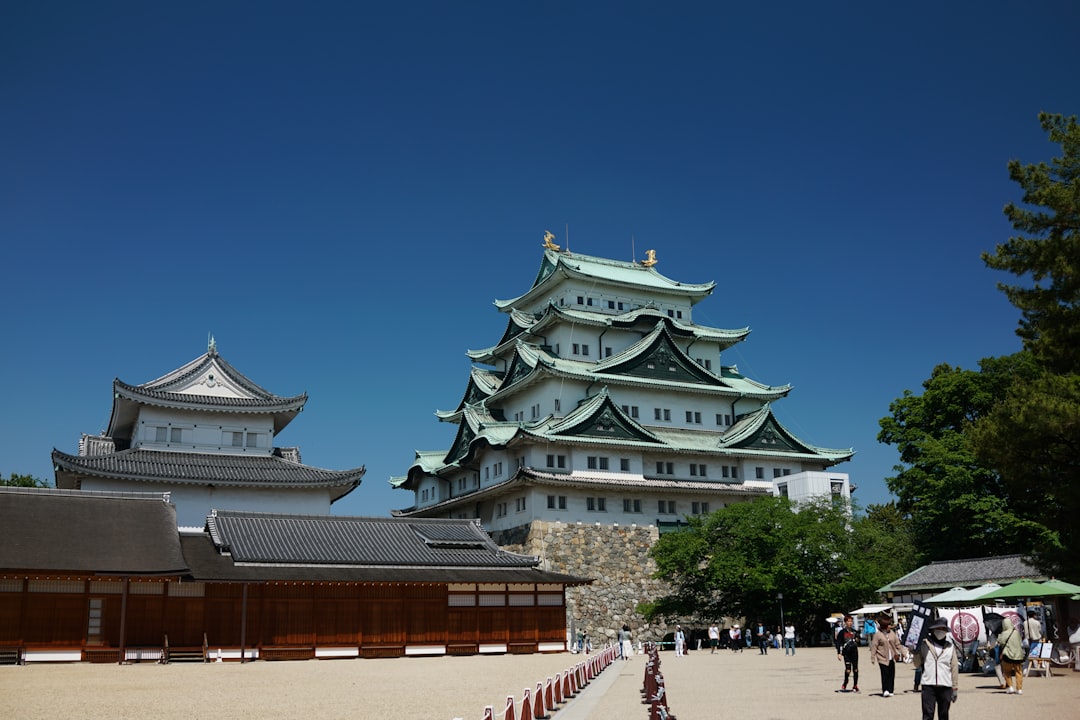
Japan's underrated fourth city: samurai castles, miso-heavy cuisine and the industrial heart of Toyota country.
- Best time to visit: March-May & October-November
- Daily budget (budget traveller): $70 to $150 USD
- Ideal trip length: 2 to 3 days
Nagoya gets skipped by shinkansen riders shuttling between Tokyo and Kyoto, which is exactly why it's worth stopping. It's the city of Japan's unifying warlords, a rebuilt golden-dolphin castle, world-class industry museums, and a food culture so distinct locals call it Nagoya-meshi. It's also the launchpad for Takayama, Ise and the Kiso Valley. Joy Plus makes the stopover count.
Nagoya is the city most people see from a shinkansen window and never step into, which is a gift if you like having a place to yourself. Japan's third city is the hometown of Oda Nobunaga, Toyoyomi Hideyoshi and Tokugawa Ieyasu, so the history is heavyweight. It's also the world capital of Toyota, so the museums are better than anything Kyoto offers on the industrial side. The pace is calmer than Tokyo and the crowds thinner than Kyoto, and a hotel room typically costs 20-30 percent less than either.
The real reason to come is the food, a regional cuisine called Nagoya-meshi that is deliberately unlike the rest of Japan. Hitsumabushi is charcoal-grilled eel eaten three ways. Miso katsu comes under a sauce of dark Hatcho miso. Tebasaki are peppery glazed wings, and Taiwan ramen is a Nagoya invention. Add the kissaten culture where a ¥600 coffee arrives with free toast and a boiled egg before 11am, and you can eat very well on almost any budget. Nothing here is subtle, and that is the appeal.
Nagoya works best as a base for 2 to 4 days. The subway is simple, with six lines, and Nagoya Station is a hub for Inuyama's original castle keep, Ise Jingu, Takayama and Ghibli Park. A full seven days is generous, but this guide uses it to pair the city sights with the sold-out Ghibli slot, the cormorant-fishing and shibori-dye towns, and the extra Nagoya-meshi that two days can't hold. Skip July and August unless you like 36°C and 80 percent humidity, and book Ghibli Park tickets before you book flights.
How many days in Nagoya?
For Nagoya, we recommend 2 to 3 days. With more time, add a day trip to Ise Jingu or Takayama.
| Trip length | What you'll see | Itinerary |
|---|---|---|
| 2 days · Recommended | Meieki and Sakae after dark; Nagoya Castle, Tokugawa and Osu | Nagoya in 2 days |
| 3 days · Recommended | Adds: Atsuta Shrine, eel and the port | Nagoya in 3 days |
| 4 days | Adds: Toyota and the maglev | Nagoya in 4 days |
| 5 days | Adds: Ghibli Park | Nagoya in 5 days |
| 7 days | Adds: Inuyama day trip; Arimatsu | Nagoya in 7 days |
Nagoya itinerary
Arrive, Meieki and Sakae after dark
Morning: Land at Chubu Centrair (NGO), take the Meitetsu μSky limited express to Meitetsu Nagoya (about 30 min, around ¥1,450). Drop bags at your hotel and grab a Komeda Coffee morning set if you're in before 11.
Afternoon: Lunch on miso nikomi udon at Yamamotoya Sohonten, bubbling in a clay pot. Take the Higashiyama Line two stops to Sakae and walk Hisaya-odori Park, then up to the Oasis 21 'spaceship' roof.
Evening: Tebasaki dinner at Furaibo or Sekai no Yamachan in Sakae (5 wings from about ¥660). Walk Nishiki 3-chome for one drink. Early night.
Nagoya Castle, Tokugawa and Osu
Morning: Meijo Line to Shiyakusho, Exit 7. At Nagoya Castle for the 9am opening (¥500), see Hommaru Palace's gold-leaf screens. The main keep is closed for reconstruction, but the golden shachihoko are visible from the plaza.
Afternoon: Lunch at Kinshachi Yokocho by the gate (opens 10am). Meguru bus to the Tokugawa Art Museum (¥1,600, closed Mondays) and walk the Tokugawa-en garden.
Evening: Tsurumai Line to Osu Kannon. Dinner at Yabaton Honten for miso katsu, then browse the Osu arcades for vintage and electronics. The antique market runs on the 18th and 28th of each month.
Atsuta Shrine, eel and the port
Morning: Meitetsu to Jingu-mae and Atsuta Shrine (free, open 24h). The camphor forest is beautiful early, and the Treasure Hall is ¥300.
Afternoon: Hitsumabushi lunch at Horaiken Honten (arrive 10:30 or after 2pm to dodge the queue). Meijo Line to Nagoyako for the Port of Nagoya Aquarium (about ¥2,500) and the retired Fuji icebreaker ship.
Evening: Back to Fushimi or Sakae for a kissaten coffee, then dinner at Hitsumabushi Bincho or a standing-bar crawl.
Toyota and the maglev
Morning: Toyota Commemorative Museum at 9:30 (¥500, closed Mondays), about 15 min on foot from Nagoya Station. The loom hall and robot demos are why people come.
Afternoon: Aonami Line to Kinjofuto for the SCMAGLEV and Railway Park (about ¥1,200, closed Tuesdays), with its full-size shinkansen and a driving simulator.
Evening: Taiwan ramen at Misen Imaike Honten, fiery and late-night friendly. One last tebasaki if you're brave.
Ghibli Park
Morning: Higashiyama Line to Fujigaoka, then Linimo to Aichi-kyuhaku-kinen-koen (about 50 min total). Start at Ghibli's Grand Warehouse when the park opens at 10:00. Your timed ticket must be booked online in advance, as sales open on the 10th of each month for dates two months ahead.
Afternoon: Walk the Hill of Youth and the Dondoko Forest at a slow pace. Eat at the park cafés or bring a konbini lunch.
Evening: Linimo back to Fujigaoka and a simple dinner in Meieki. Quiet night, because tomorrow is an early start.
Inuyama day trip
Morning: Meitetsu Inuyama Line from Meitetsu Nagoya (about 30 min, around ¥570) to Inuyama. Inuyama Castle, Japan's oldest original keep, opens at 9:00 (¥550).
Afternoon: Eat along the Jokamachi old town streets, then stroll the Uraraka Shrine side lanes. In summer, book night cormorant fishing on the Kiso River.
Evening: Return to Nagoya for hitsumabushi at Ibasen or Bincho, if you haven't had your full Nagoya-meshi quota yet.
Arimatsu and departure
Morning: Meitetsu Nagoya Main Line to Arimatsu (about 20 min). Walk the preserved Tokaido road lined with Edo-era merchant houses and visit the shibori tie-dye museum.
Afternoon: Buy a hand-dyed tenugui as a souvenir, lunch in town, then Meitetsu back via Jingu-mae to Meitetsu Nagoya.
Evening: μSky limited express to Centrair (allow 3 hours before an international flight, longer if shopping at the airport). Shinkansen to Tokyo or Kyoto if you're onward.
Best neighbourhoods
- Nagoya Castle & Meijo: The keep with its golden dolphins, closed inside, the restored Hommaru Palace and the surrounding park.
- Sakae: The downtown core of department stores, the TV tower, Oasis 21 and nightlife.
- Osu: A covered shopping arcade of vintage clothes, electronics, street food and a temple.
- Nagoya Station (Meieki): Skyscrapers, underground malls and the region's transport hub.
- Atsuta & the Port: The ancient Atsuta Shrine plus the port's aquarium, icebreaker ship and maritime museum.
Must-do experiences
- Nagoya Castle and Hommaru Palace: The lavishly recreated shogunate palace with gold-leaf screens beneath the golden shachihoko. The keep itself has been closed to visitors since 2018, pending a wooden rebuild.
- Toyota Commemorative Museum: Looms to robots, the best industrial museum in Japan and genuinely fun for non-car people.
- Atsuta Shrine: A 1,900-year-old camphor-shaded shrine holding the Kusanagi sword, one of the three imperial regalia.
- Eat the Nagoya-meshi circuit: Hitsumabushi eel, miso katsu, tebasaki wings and Taiwan ramen in one delicious day.
Hidden gems
- Ghibli Park in Nagakute, a short train ride out, with timed tickets sold months ahead.
- Tokugawa Art Museum's Tale of Genji scrolls (the originals go on show for about a week each November) and its adjoining strolling garden.
- Arimatsu, a preserved Edo-era shibori tie-dye town on the old Tokaido road.
- The retro Endoji shopping street for kissaten coffee culture.
Daily budget
- Accommodation: budget ¥3,500-5,500 / night (dorm or capsule), mid-range ¥12,000-20,000 (business or design hotel double), splurge ¥35,000+ (Westin Nagoya Castle, Nagoya Marriott Associa). Business hotels are cheaper on weekends because the Toyota crowd leaves. Prices spike during Nagoya Basho (July) and big stadium concerts.
- Food: budget ¥2,500-3,500 / day (morning service, teishoku lunch, Taiwan ramen), mid-range ¥6,000-9,000 (one hitsumabushi or miso katsu dinner), splurge ¥15,000+ (kaiseki with Nagoya Cochin chicken, premium eel). Komeda Coffee morning set is ¥500-700 with toast and egg until 11am. Hitsumabushi runs ¥4,000-5,500, miso katsu ¥1,700-2,200, Taiwan ramen about ¥900.
- Transport: budget ¥620 / day (Donichi Eco Kippu, weekends only), mid-range ¥1,000-1,500 (subway day pass ¥760 plus Meitetsu hops), splurge ¥8,000+ (taxis, reserved Hida express to Takayama). The Meguru tourist bus day pass is ¥500 and loops the castle, Tokugawa Art Museum and Noritake. Airport train is about ¥1,450 one way.
- Activities: budget ¥1,000-2,000 / day (castle ¥500, Toyota museum ¥500, free shrines), mid-range ¥3,000-5,000 (Tokugawa Art Museum ¥1,600, aquarium, Inuyama Castle), splurge ¥10,000+ (Ghibli Park multi-area ticket, private guide). Atsuta Shrine and Osu Kannon are free. Ghibli Park starts at ¥1,000 per area and the Grand Warehouse alone is ¥2,000, but tickets are sold online from the 10th of each month for dates two months ahead and it sells out.
- Drinks & nightlife: budget ¥1,000 (konbini highball + one draft beer), mid-range ¥3,000-5,000 (Nishiki izakaya plus a bar), splurge ¥10,000+ (hotel sky bar, cocktail bar in Sakae). Draft beer is ¥500-700 at izakaya and tebasaki joints. Many places add an otoshi cover charge of ¥300-500, so don't be surprised.
Where to stay
- Social hostel in Fushimi / Sakae (¥3,500-5,500 / night): Guesthouses and capsule hotels are walkable to the Higashiyama and Tsurumai subway lines and the nightlife. Pick one with a common lounge and a washing machine.
- Boutique hotel in Sakae or Meieki (¥14,000-24,000 / night): Dormy Inn Premium Nagoya Sakae adds a rooftop onsen and late-night ramen. Mitsui Garden Hotel Nagoya Premier is smart and next to the station.
- Apartment in Marunouchi or Osu (¥9,000-16,000 / night): Serviced apartments with kitchenettes and washers suit a 5+ night stay. Osu puts you steps from vintage shops, cheap eats and Osu Kannon.
- Splurge in Nagoya Castle or Meieki (¥32,000-60,000 / night): Westin Nagoya Castle sits near the castle with big rooms and a heavenly bed. Nagoya Marriott Associa towers above the station with skyline views.
What to eat
- Hitsumabushi, grilled eel over rice eaten three different ways
- Miso katsu and doteni, pork in rich red Hatcho miso
- Tebasaki, peppery sweet-glazed chicken wings
- Ogura toast and the legendary morning-service coffee set
Day trips
- Inuyama (30 min by train): Home to Inuyama Castle, Japan's oldest original keep, plus a charming castle town and summer cormorant fishing on the Kiso River. Meitetsu Inuyama Line from Meitetsu Nagoya, about ¥570 one way, every 10-15 min. Castle entry ¥550, open 9:00-17:00.
- Ise Jingu (1h30 by train): Japan's holiest Shinto shrine complex, rebuilt every 20 years, plus Okage Yokocho's old-street snacks and Ise udon. JR Rapid Mie or Kintetsu limited express from Nagoya to Ise-shi, about ¥1,800-2,500 each way. Take a bus to Naiku, the main inner shrine.
- Takayama (2h30 by train): Preserved wooden merchant streets, morning markets and Hida beef in the Japan Alps. Best as an overnight rather than a rush. JR Wide View Hida limited express from Nagoya, around ¥6,500 each way reserved, or a Nohi highway bus from about ¥3,800.
When to visit
- Spring (March - May): 10-24°C, mostly sunny, light showers in April. Crowds: Moderate, peaks at cherry blossom and Golden Week. Best all-rounder. Blossom around the Nagoya Castle moat peaks in late March to early April. Avoid April 29 to May 5, when hotels fill and Ghibli Park sells out.
- Summer (June - August): 24-36°C, very humid, rainy season in June, typhoon risk from August. Crowds: Low to moderate, domestic holidays in August. Genuinely brutal, one of Japan's hottest cities. Do museums and arcades at midday. Come only for the July sumo basho or cormorant fishing at Inuyama.
- Autumn (September - November): 14-27°C, typhoons possible in September, dry and bright by late October. Crowds: Moderate, busy on November weekends. The locals' pick. October and November are comfortable, the Tokugawa Art Museum garden turns red and the Genji scrolls usually come out.
- Winter (December - February): 2-10°C, dry and clear, cold wind off the Ibuki mountains. Crowds: Low, except around New Year. Quiet and cheap, with the best hotel prices. Miso nikomi udon and eel taste better in the cold. Many sights close from December 29 to January 1.
Entry rules for your passport
Visa rules for Japan depend on the passport you travel on. Check the official source before you book: Japan Ministry of Foreign Affairs
Getting there
Chubu Centrair Airport (NGO) is on an artificial island 35km south, and the Meitetsu μSky limited express reaches Meitetsu Nagoya in about 30 minutes for around ¥1,450. A taxi costs ¥12,000+ and is rarely worth it. By shinkansen, Nagoya is about 1h40 from Tokyo (Nozomi, roughly ¥11,300 reserved), 35 minutes from Kyoto (about ¥5,700) and 50 minutes from Osaka. Hikari trains are covered by the Japan Rail Pass but Nozomi is not. Overnight highway buses from Tokyo run ¥4,000-6,000. Inside the city the subway has six lines, and a one-day subway pass is ¥760 (¥620 Donichi Eco Kippu on weekends and holidays). Get a Manaca or any IC card, they all work interchangeably.
Getting around
Chubu Centrair Airport sits on an artificial island, 30 minutes to the city by Meitetsu train. Nagoya is a shinkansen hub: 100 minutes to Tokyo, 35 to Kyoto. The subway is simple with six lines, and the Donichi Eco Kippu weekend day pass is excellent value. Day trips to Takayama, Ise and Inuyama all run from Nagoya Station.
Safety
Nagoya is very safe, with low crime and reliable infrastructure. Summers are among Japan's hottest and most humid, so plan indoor museums for midday in July and August. The station and underground mall network is enormous and easy to get lost in, so use exit numbers. Typhoon season peaks August to September and can disrupt trains.
Solo travel tips
- Counter dining is built for you: Hitsumabushi shops, ramen counters and tonkatsu places all have bar seating and ticket machines. Order at the machine, hand over the ticket and nobody blinks at a table for one.
- Learn kissaten morning service: Before 11am a coffee at Komeda or any independent kissaten comes with free toast and a boiled egg. It's the cheapest, most social breakfast in Japan, and solo diners are the norm.
- Use exit numbers underground: Nagoya Station and Sakae connect through huge underground malls. Navigate by exit number, not street names, and download the Nagoya subway app. Lost solo travellers are a daily sight, and staff are patient.
- Where to stay for company: Guesthouses and capsule hotels cluster near Fushimi, Sakae and Osu. Choose a place with a common lounge, and ask for female-only floors if travelling as a woman. Hotel breakfast rooms are also great for talking to business travellers.
- Solo is the safe default: Nagoya is one of Japan's safest cities. Late trains run until about midnight, and women travel alone at all hours. Standard rules apply: keep drinks in view, and use taxis after the last train.
- Book Ghibli solo, and early: A single ticket is easier to find than a group slot, so check the online sales that open on the 10th of each month. Many fans go alone, and the park is calm enough that solo visitors feel comfortable.
Cultural etiquette
- Don't tip anywhere. Leaving money on a counter confuses staff. Say gochisosama deshita when leaving instead.
- Eat hitsumabushi the proper way: a quarter plain, a quarter with spring onion and wasabi, a quarter as ochazuke with dashi, then your favourite for the last bowl.
- Keep voices low on trains and subways, and set your phone to silent. Phone calls on transit are frowned upon.
- Stand on the left of escalators and walk on the right, as in Tokyo. Osaka and Kyoto reverse it.
- At Atsuta Shrine, bow at the torii, walk to the side of the central path, then bow twice, clap twice and bow once at the hall.
- Don't walk and eat in Osu's side streets unless the stall provides a spot. Finish at the counter.
- Take your rubbish with you. Public bins are rare, so carry a small bag and use konbini bins.
Frequently asked questions
Is Nagoya worth visiting?
Yes, as a one- or two-night stop rather than a headline destination. The castle, Atsuta Shrine, superb industry museums and a genuinely distinct food culture make it a rewarding break between Tokyo and Kyoto, and it's the gateway to Takayama and Ise.
How many days do you need in Nagoya?
Two days covers the castle, Atsuta Shrine, Osu, Sakae and one big museum with time to eat well. Add a third day if you want Ghibli Park, Inuyama Castle or a Takayama day trip.
What is Nagoya famous for?
Nagoya Castle and its golden dolphins, being Toyota's home region, and Nagoya-meshi, the local cuisine of hitsumabushi eel, miso katsu, tebasaki wings and Taiwan ramen. It's also Japan's manufacturing capital and the home of Ghibli Park.
How do you get tickets for Ghibli Park?
Tickets are date- and time-stamped and sold online from the 10th of each month for dates two months ahead, and popular dates sell out within minutes. Buy before you fix your travel dates, not after, and note the park is in Nagakute, about 40 minutes from central Nagoya.
How far is Nagoya from Kyoto and Tokyo?
Around 35 minutes to Kyoto and 100 minutes to Tokyo on the Tokaido shinkansen, both covered by the Japan Rail Pass on Hikari trains, which are a little slower. That makes Nagoya an easy add-on rather than a detour on the classic Golden Route.
When is the best time to visit Nagoya?
Late March to May for cherry blossoms around the castle moat, and October to November for autumn colour and comfortable temperatures. July and August are hot and very humid, and winter is cool but mostly dry and clear.
Is Nagoya expensive?
It's noticeably cheaper than Tokyo or Kyoto for hotels, often 20-30 percent less for equivalent rooms, while food is excellent value thanks to the famous morning-service coffee sets and hearty local dishes. Budget around $70 to $150 a day.
More about Nagoya
- Where to Travel in 2027: 15 Places Worth Planning a Trip Around
- Tokyo for First-Time Visitors: 5-Day Guide With Hidden Gems
- Japanese Culture and Etiquette: A Situation-by-Situation Guide
- Cultural Etiquette in Japan: Quick Do's and Don'ts for First-Timers
Tours and activities in Nagoya | Nagoya in 2 days | Nagoya in 3 days | Nagoya in 4 days | Nagoya in 5 days | Nagoya in 7 days
Can't decide? Compare Nagoya with...
Joy Plus home | Destinations | Itineraries | Activities | Flights | Budget planner | Calendar | Map | Blog | Lifetime access