Nagoya in 7 days
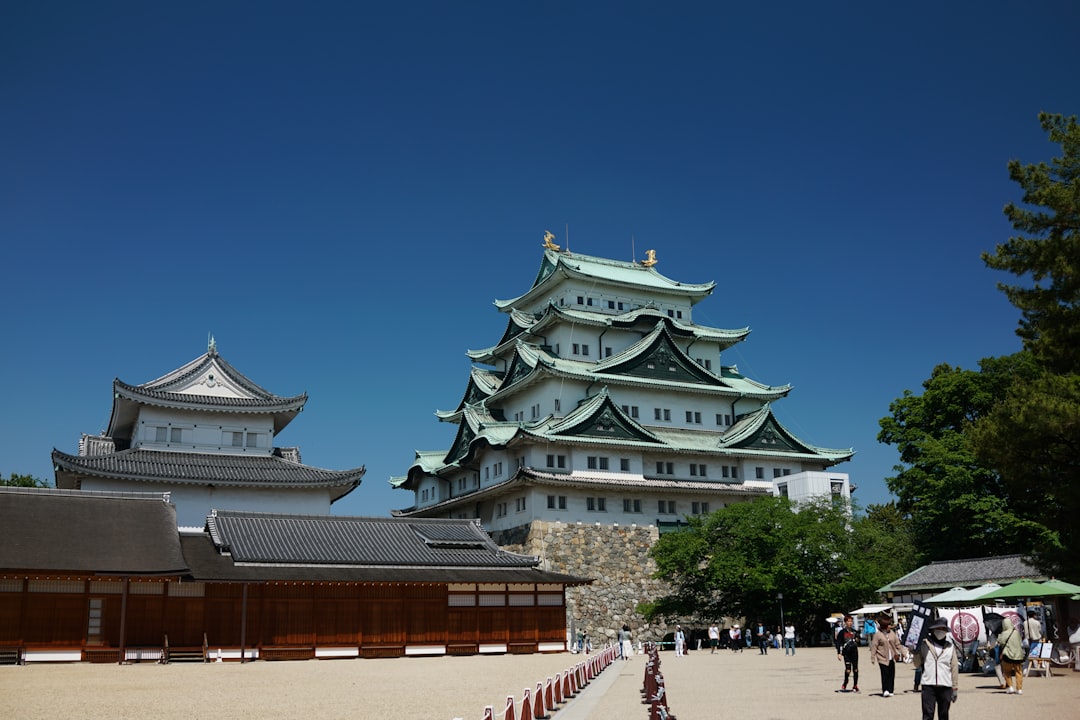
Japan's underrated fourth city: samurai castles, miso-heavy cuisine and the industrial heart of Toyota country. Best time to visit: March-May & October-November. Daily budget (budget traveller): $70 to $150 USD.
Arrive, Meieki and Sakae after dark
Morning: Land at Chubu Centrair (NGO), take the Meitetsu μSky limited express to Meitetsu Nagoya (about 30 min, around ¥1,450). Drop bags at your hotel and grab a Komeda Coffee morning set if you're in before 11.
Afternoon: Lunch on miso nikomi udon at Yamamotoya Sohonten, bubbling in a clay pot. Take the Higashiyama Line two stops to Sakae and walk Hisaya-odori Park, then up to the Oasis 21 'spaceship' roof.
Evening: Tebasaki dinner at Furaibo or Sekai no Yamachan in Sakae (5 wings from about ¥660). Walk Nishiki 3-chome for one drink. Early night.
Nagoya Castle, Tokugawa and Osu
Morning: Meijo Line to Shiyakusho, Exit 7. At Nagoya Castle for the 9am opening (¥500), see Hommaru Palace's gold-leaf screens. The main keep is closed for reconstruction, but the golden shachihoko are visible from the plaza.
Afternoon: Lunch at Kinshachi Yokocho by the gate (opens 10am). Meguru bus to the Tokugawa Art Museum (¥1,600, closed Mondays) and walk the Tokugawa-en garden.
Evening: Tsurumai Line to Osu Kannon. Dinner at Yabaton Honten for miso katsu, then browse the Osu arcades for vintage and electronics. The antique market runs on the 18th and 28th of each month.
Atsuta Shrine, eel and the port
Morning: Meitetsu to Jingu-mae and Atsuta Shrine (free, open 24h). The camphor forest is beautiful early, and the Treasure Hall is ¥300.
Afternoon: Hitsumabushi lunch at Horaiken Honten (arrive 10:30 or after 2pm to dodge the queue). Meijo Line to Nagoyako for the Port of Nagoya Aquarium (about ¥2,500) and the retired Fuji icebreaker ship.
Evening: Back to Fushimi or Sakae for a kissaten coffee, then dinner at Hitsumabushi Bincho or a standing-bar crawl.
Toyota and the maglev
Morning: Toyota Commemorative Museum at 9:30 (¥500, closed Mondays), about 15 min on foot from Nagoya Station. The loom hall and robot demos are why people come.
Afternoon: Aonami Line to Kinjofuto for the SCMAGLEV and Railway Park (about ¥1,200, closed Tuesdays), with its full-size shinkansen and a driving simulator.
Evening: Taiwan ramen at Misen Imaike Honten, fiery and late-night friendly. One last tebasaki if you're brave.
Ghibli Park
Morning: Higashiyama Line to Fujigaoka, then Linimo to Aichi-kyuhaku-kinen-koen (about 50 min total). Start at Ghibli's Grand Warehouse when the park opens at 10:00. Your timed ticket must be booked online in advance, as sales open on the 10th of each month for dates two months ahead.
Afternoon: Walk the Hill of Youth and the Dondoko Forest at a slow pace. Eat at the park cafés or bring a konbini lunch.
Evening: Linimo back to Fujigaoka and a simple dinner in Meieki. Quiet night, because tomorrow is an early start.
Inuyama day trip
Morning: Meitetsu Inuyama Line from Meitetsu Nagoya (about 30 min, around ¥570) to Inuyama. Inuyama Castle, Japan's oldest original keep, opens at 9:00 (¥550).
Afternoon: Eat along the Jokamachi old town streets, then stroll the Uraraka Shrine side lanes. In summer, book night cormorant fishing on the Kiso River.
Evening: Return to Nagoya for hitsumabushi at Ibasen or Bincho, if you haven't had your full Nagoya-meshi quota yet.
Arimatsu and departure
Morning: Meitetsu Nagoya Main Line to Arimatsu (about 20 min). Walk the preserved Tokaido road lined with Edo-era merchant houses and visit the shibori tie-dye museum.
Afternoon: Buy a hand-dyed tenugui as a souvenir, lunch in town, then Meitetsu back via Jingu-mae to Meitetsu Nagoya.
Evening: μSky limited express to Centrair (allow 3 hours before an international flight, longer if shopping at the airport). Shinkansen to Tokyo or Kyoto if you're onward.
What to eat in Nagoya
- Hitsumabushi, grilled eel over rice eaten three different ways
- Miso katsu and doteni, pork in rich red Hatcho miso
- Tebasaki, peppery sweet-glazed chicken wings
- Ogura toast and the legendary morning-service coffee set
Hidden gems
- Ghibli Park in Nagakute, a short train ride out, with timed tickets sold months ahead.
- Tokugawa Art Museum's Tale of Genji scrolls (the originals go on show for about a week each November) and its adjoining strolling garden.
- Arimatsu, a preserved Edo-era shibori tie-dye town on the old Tokaido road.
- The retro Endoji shopping street for kissaten coffee culture.
Getting around
Chubu Centrair Airport sits on an artificial island, 30 minutes to the city by Meitetsu train. Nagoya is a shinkansen hub: 100 minutes to Tokyo, 35 to Kyoto. The subway is simple with six lines, and the Donichi Eco Kippu weekend day pass is excellent value. Day trips to Takayama, Ise and Inuyama all run from Nagoya Station.
Safety
Nagoya is very safe, with low crime and reliable infrastructure. Summers are among Japan's hottest and most humid, so plan indoor museums for midday in July and August. The station and underground mall network is enormous and easy to get lost in, so use exit numbers. Typhoon season peaks August to September and can disrupt trains.
Frequently asked questions
What does this 7-day Nagoya itinerary cover?
Day 1: Arrive, Meieki and Sakae after dark. Day 2: Nagoya Castle, Tokugawa and Osu. Day 3: Atsuta Shrine, eel and the port. Day 4: Toyota and the maglev. Day 5: Ghibli Park. Day 6: Inuyama day trip. Day 7: Arimatsu and departure.
Is 7 days enough for Nagoya?
Yes, 7 days in Nagoya gives you time to spare. We recommend 2 to 3 days, and this plan uses the extra days for Toyota and the maglev; Ghibli Park; Inuyama day trip; Arimatsu.
How much does 7 days in Nagoya cost?
A budget traveller spends about $70 to $150 USD a day in Nagoya, so roughly $490 to $1,050 USD for 7 days, not counting flights.
Where should I stay for 7 days in Nagoya?
Nagoya Castle & Meijo: The keep with its golden dolphins, closed inside, the restored Hommaru Palace and the surrounding park. Sakae: The downtown core of department stores, the TV tower, Oasis 21 and nightlife.
When is the best time to visit Nagoya?
The best time to visit Nagoya is March-May & October-November.
How do I get around Nagoya?
Chubu Centrair Airport sits on an artificial island, 30 minutes to the city by Meitetsu train. Nagoya is a shinkansen hub: 100 minutes to Tokyo, 35 to Kyoto.
Is Nagoya safe for solo travellers?
Nagoya is very safe, with low crime and reliable infrastructure. Summers are among Japan's hottest and most humid, so plan indoor museums for midday in July and August.
Read more about Nagoya
- Where to Travel in 2027: 15 Places Worth Planning a Trip Around
- Tokyo for First-Time Visitors: 5-Day Guide With Hidden Gems
- Japanese Culture and Etiquette: A Situation-by-Situation Guide
- Cultural Etiquette in Japan: Quick Do's and Don'ts for First-Timers
More 7-day guides
- Kamakura in 7 days
- Nagasaki in 7 days
- Mount Fuji in 7 days
- Takayama in 7 days
- Matsumoto in 7 days
- Hakodate in 7 days
- Nikko in 7 days
- Shirakawa-go in 7 days
Nagoya in 2 days | Nagoya in 3 days | Nagoya in 4 days | Nagoya in 5 days | Full Nagoya guide
Joy Plus home | Destinations | Itineraries | Activities | Flights | Budget planner | Calendar | Map | Blog | Lifetime access