Destinations / Asia
Osaka, Japan travel guide
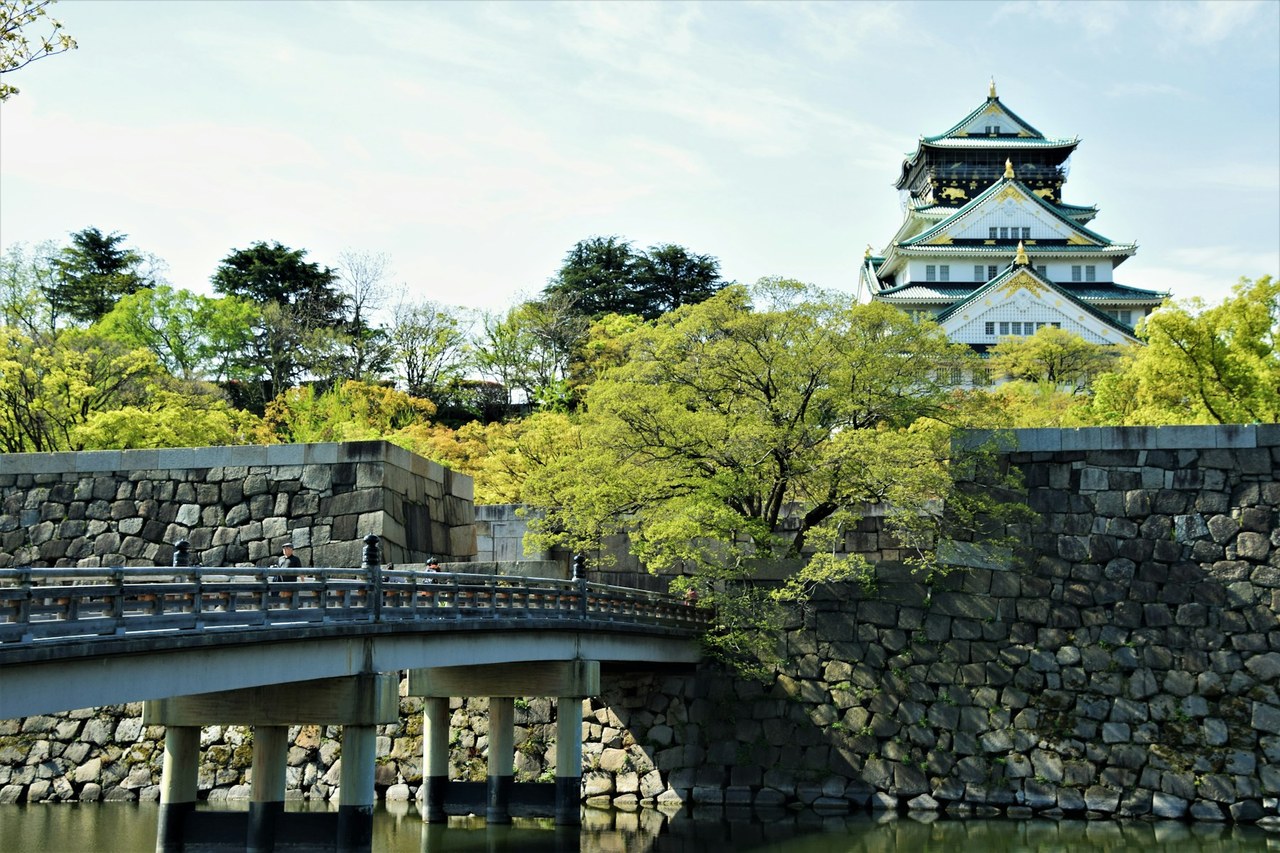
Japan's kitchen - neon canals, street food, and the warmest, funniest locals in the country.
- Best time to visit: March-April (cherry blossom) and October-November (autumn colour)
- Daily budget (budget traveller): $60 to $100 USD
- Ideal trip length: 2 to 4 days
If Tokyo is Japan's brain and Kyoto its soul, Osaka is its appetite. The country's third city is unpretentious, loud and food-mad - the home of takoyaki, okonomiyaki and 'eat until you drop' as a way of life. Joy Plus runs Dotonbori at night when the neon hits the canal, lines up the street-food crawl in the right order, and uses Osaka as the perfect base for day trips to Kyoto, Nara and Himeji.
Osaka's local philosophy is kuidaore, roughly 'eat until you drop', and the city takes it as a civic duty. Tokyo is polished and Kyoto is hushed. Osaka is the one where a stranger at a standing bar hands you a skewer, asks where you're from, and has you laughing before the beer arrives. The Kansai dialect is quicker and blunter than textbook Japanese. 'Meccha' means very, 'ookini' means thanks, and locals greet each other with 'mokkari makka?' ('making any money?'). Even the escalator rules are contrarian: stand on the right here, not the left.
The city runs on a few clear axes. The Midosuji subway line (red) threads Umeda (Kita), Shinsaibashi, Namba and Tennoji. Dotonbori's neon canal is the postcard, but the real eating happens a few streets away. Kuromon Ichiba Market feeds you grilled scallops and tuna at 10am, Hozenji Yokocho is a lantern-lit stone alley a minute from the chaos, and Shinsekai serves deep-fried kushikatsu under a retro tower. The castle, the Umeda Sky Building and the Nakanoshima river island fill the gaps. You can do the highlights in two days, but the food alone justifies four.
It is also the smartest base in western Japan. Kyoto is 29 minutes by JR Special Rapid (¥580), Nara is 40 minutes from Namba on the Kintetsu line, and Himeji Castle is about an hour away by rapid train. Hotels and dinners cost noticeably less than in Tokyo or Kyoto, and you sleep in a city that stays lively until 1am. Skip the JR Pass, pay per ride on an ICOCA card, and spend the savings on one more plate of okonomiyaki.
How many days in Osaka?
For Osaka, we recommend 2 to 4 days.
| Trip length | What you'll see | Itinerary |
|---|---|---|
| 2 days · Recommended | Kuromon and Dotonbori neon; Osaka Castle, Nakanoshima and Umeda sunset | Osaka in 2 days |
| 3 days · Recommended | Adds: Kyoto day trip | Osaka in 3 days |
| 4 days · Recommended | Adds: Nara deer and Shinsekai grit | Osaka in 4 days |
| 5 days | Adds: Himeji Castle and Kobe | Osaka in 5 days |
| 7 days | Adds: Namba, Amerikamura and the aquarium; Sumiyoshi, last udon | Osaka in 7 days |
Osaka itinerary
Arrive, Kuromon and Dotonbori neon
Morning: Land at KIX and take the Nankai Rapi:t to Namba (38 min, ¥1,490), or the cheaper Airport Express (about ¥1,000). Drop bags at your hotel or Namba coin lockers. Walk to Kuromon Ichiba Market for grilled scallops, tuna and strawberry daifuku.
Afternoon: Stroll the Shinsaibashi-suji arcade, about 600m of covered shops, then check in and nap. Pick up an ICOCA card or add one to Apple Wallet.
Evening: Dotonbori at dusk: the Glico sign, the giant crab, takoyaki at Kukuru or Wanaka (about ¥700-900 for 8). Queue early for okonomiyaki at Mizuno, then finish with a canal walk.
Osaka Castle, Nakanoshima and Umeda sunset
Morning: Osaka Castle at 9am opening (¥1,200 for the keep, park free). Take the JR Loop Line to Osakajokoen.
Afternoon: Walk to Nakanoshima island, the rose garden and the Central Public Hall exterior. Coffee in Nakazakicho at Salon de AMANTO, then browse the vintage shops.
Evening: Umeda Sky Building's Floating Garden Observatory 30 min before sunset (¥2,000, open to 22:30). Dinner in the retro basement lantern alley, Takimi-koji.
Kyoto day trip
Morning: 7:30am JR Special Rapid from Osaka Station to Kyoto (29 min, ¥580). Take the JR Nara Line to Inari (¥150) and climb the Fushimi Inari gates before the crowds.
Afternoon: Lunch at Nishiki Market, then wander Gion and Hanamikoji Lane. Add Kiyomizu-dera if you still have energy.
Evening: Hankyu from Kawaramachi to Umeda (about 45 min). Izakaya dinner in Fukushima, packed with local office workers.
Nara deer and Shinsekai grit
Morning: Kintetsu Rapid Express from Namba to Kintetsu-Nara (about 40 min, ¥680). Todai-ji opens at 7:30am (¥800 entry) and deer crackers cost ¥200.
Afternoon: Walk the lantern path to Kasuga Taisha, then lunch in Naramachi on kakinoha-zushi (persimmon leaf sushi).
Evening: Midosuji line to Dobutsuen-mae for Shinsekai. Kushikatsu at Daruma (no double dipping), then a standing-bar beer in Janjan Yokocho. Optional night view from Tsutenkaku (¥1,500).
Himeji Castle and Kobe
Morning: JR Special Rapid from Osaka to Himeji (about 1h10, ¥1,520). Himeji Castle opens at 9am. Allow 2 to 3 hours for the keep and climb. Admission is around ¥2,500 for visitors from 2026.
Afternoon: Lunch on ekisoba (Chinese-style noodles in Japanese dashi) near the station, then Koko-en garden. Continue to Kobe Sannomiya (about 40 min) for Nankinmachi snacks and the Kitano area.
Evening: Back to Osaka. Late dinner in Hozenji Yokocho or a counter seat at a yakiniku place near Namba.
Namba, Amerikamura and the aquarium
Morning: Namba Yasaka Shrine's giant lion-head stage (free). Then Amerikamura's Triangle Park, vintage stores and Horie boutiques.
Afternoon: Chuo line to Osakako for Kaiyukan Aquarium (from ¥2,700, price varies by date). Or swap in a full day at Universal Studios Japan.
Evening: Hozenji Yokocho for the mossy Fudo statue, then an Ura-Namba izakaya crawl. Finish with a late bowl at Kinryu Ramen.
Sumiyoshi, last udon, depart
Morning: Nankai line to Sumiyoshitaisha (about 10 min from Namba). Walk the arched Sorihashi bridge and the quiet shrine grounds (free).
Afternoon: Last lunch of kitsune udon at Imai Honten in Dotonbori (about ¥1,100) or Usami-tei Matsubaya. Collect bags.
Evening: Nankai Rapi:t from Namba to KIX. Leave 3 hours before an international departure.
Best neighbourhoods
- Namba & Dotonbori: The neon heart - canal-side signs, street food, nightlife. The base most visitors want.
- Shinsekai: Retro, gritty, gloriously old-school Osaka under the Tsutenkaku tower, famous for kushikatsu.
- Umeda (Kita): The northern business and shopping hub, sky gardens, department-store food halls.
- Shinsaibashi: Covered shopping arcades stretching for blocks, day and night.
- Nakanoshima: A calm river island of museums, the Central Public Hall and riverside walks.
Must-do experiences
- Dotonbori at night: The Glico running man, the giant crab, neon on the canal, and takoyaki from a street stall.
- Kuromon Ichiba Market: Osaka's kitchen market - grilled scallops, fresh sashimi, wagyu skewers. Go hungry, mid-morning.
- Osaka Castle: The reconstructed keep set in a moated park, especially good in cherry-blossom season.
- Kushikatsu in Shinsekai: Deep-fried skewers with one golden rule: no double-dipping the communal sauce.
Hidden gems
- Hozenji Yokocho, a tiny lantern-lit stone alley a block from Dotonbori's chaos.
- The Umeda Sky Building's Floating Garden Observatory at sunset.
- Shinsekai's old-school standing bars for cheap beer and skewers with locals.
- Nakazakicho, a hipster pocket of vintage shops and indie cafés north of Umeda.
Daily budget
- Accommodation: budget ¥3,500-6,000 / night (hostel dorm or pod), mid-range ¥14,000-25,000 (business or boutique double), splurge ¥55,000+ (Conrad Osaka, The St. Regis Osaka). Namba and Shinsaibashi are the best-value bases. Prices spike in blossom season and Golden Week. Add a ¥200-500 per night accommodation tax.
- Food: budget ¥3,500-5,000 / day (konbini breakfast, udon, takoyaki, gyudon), mid-range ¥8,000-12,000 (okonomiyaki, kushikatsu, one izakaya dinner), splurge ¥30,000+ (Hajime, wagyu yakiniku, omakase sushi). Lunch sets (teishoku) run ¥900-1,500 and often include rice, miso soup and a drink. Dinner for the same food costs double.
- Transport: budget ¥800-1,000 / day (subway fares ¥180-380), mid-range ¥1,500-3,000 (adds a Kyoto or Nara day trip), splurge ¥15,000+ (taxis, private driver, reserved Shinkansen). Get an ICOCA card or add one to Apple Wallet. The Osaka Amazing Pass (¥3,500 for 1 day) only pays off if you hit 3+ paid sights. Skip the JR Pass.
- Activities: budget ¥1,000-2,500 / day (castle park, shrines, one paid sight), mid-range ¥4,000-9,000 (castle keep ¥1,200, Umeda Sky ¥2,000, Todai-ji ¥800, Kaiyukan from ¥2,700), splurge ¥15,000+ (Universal Studios Japan with Express Pass, private guide). Universal Studios Japan one-day tickets run roughly ¥8,600-11,900 depending on the date. Most shrines and Osaka Castle park are free.
- Drinks & nightlife: budget ¥1,500 (konbini Strong Zero, a draft at a Shinsekai standing bar), mid-range ¥3,000-6,000 (nomihodai or a Ura-Namba izakaya crawl), splurge ¥10,000+ (hotel sky bar, whisky bar in Kita, club in Amerikamura). Many izakaya add an otoshi cover charge of ¥300-600 that includes a small starter. Street drinking is legal, and 2-hour nomihodai (all-you-can-drink) runs ¥2,000-3,000.
Where to stay
- Social hostel in Namba / Nipponbashi (¥3,500-8,000 / night): Hostel Mitsuwaya Osaka, in an old toy wholesaler's building near Nipponbashi, or First Cabin Midosuji Namba, a 5 to 10 minute walk from Dotonbori and Namba Station with easy Nankai and Midosuji access.
- Boutique hotel in Shinsaibashi (¥18,000-35,000 / night): Cross Hotel Osaka or similar. Sitting on the Midosuji line with the arcades and Dotonbori outside the door, it is the best mid-range base for first-timers.
- Apartment in Tenma or Nakazakicho (¥10,000-20,000 / night): Licensed minpaku (registered rentals) near Tenjinbashisuji, Japan's longest shopping street, and cheap local izakaya. Great for stays of 5+ nights, with a washing machine.
- Splurge in Nakanoshima / Hommachi (¥55,000-120,000 / night): Conrad Osaka (Nakanoshima) or The St. Regis Osaka (Hommachi). River views, serious breakfasts and subway access, with Osaka Castle one train away.
What to eat
- Takoyaki (octopus balls) from a street griddle
- Okonomiyaki, the savoury Osaka-style pancake
- Kushikatsu (deep-fried skewers) in Shinsekai
- Kitsune udon - Osaka's comforting noodle classic
Day trips
- Kyoto (29 min by JR Special Rapid): Temples, torii gates and geisha districts. Do Fushimi Inari first thing, then Nishiki Market and Gion. Go on a weekday to dodge the worst crowds. JR Special Rapid from Osaka Station to Kyoto, ¥580. Or Hankyu from Umeda to Kawaramachi, about 45 min and ¥410.
- Nara (40 min by Kintetsu rapid express): Todai-ji's giant bronze Buddha, 1,000+ roaming deer in Nara Park and the lantern path at Kasuga Taisha. Walkable in a half day. Kintetsu Rapid Express from Osaka-Namba to Kintetsu-Nara, about ¥680. JR Yamatoji Rapid from Osaka to JR Nara takes about 50 min, ¥820.
- Himeji (1h10 by JR Special Rapid): Japan's best-preserved original castle, a white UNESCO keep on a hilltop. Pair with Koko-en garden and ekisoba. Combine with Kobe on the way back. JR Special Rapid from Osaka Station to Himeji, about ¥1,520. Castle opens 9am, with last entry in the afternoon, so go early.
When to visit
- Spring (March to May): 8-22°C, mostly sunny, occasional rain, cherry blossom late March to early April. Crowds: Heavy during blossom and Golden Week (April 29 to May 5). Gorgeous and worth it. Osaka Castle park and the Mint Bureau cherry tunnel (about one week in mid April) are magic. Book hotels 3 months out and avoid Golden Week.
- Summer (June to August): 26-37°C, very humid, rainy season June to mid July, typhoon risk late summer. Crowds: Moderate, spikes for Tenjin Matsuri (July 24 to 25) and fireworks. Hot and sticky, but the food is good and the festivals are the best in Japan. Plan indoor afternoons in arcades and aquariums, and do sights early.
- Autumn (September to November): 14-27°C, typhoons possible in September, crisp and clear from mid October. Crowds: Moderate, rising in November for autumn colour. The locals' favourite. Comfortable walking weather, great seasonal food (chestnut, sweet potato, matsutake) and colour at Minoh Park and Nara from mid November.
- Winter (December to February): 2-10°C, dry and sunny, rare snow. Crowds: Low, except around New Year. Cheapest rooms, hot pots, oden and no queues at Kuromon. Pack a proper coat, and expect some places to close January 1 to 3.
Entry rules for your passport
Visa rules for Japan depend on the passport you travel on. Check the official source before you book: Japan Ministry of Foreign Affairs
Getting there
Kansai International (KIX) sits on an island 50km south of the centre. The Nankai Rapi:t limited express reaches Namba in 38 min for ¥1,490, and the cheaper Nankai Airport Express takes about 45-50 min for roughly ¥1,000. JR Haruka runs to Tennoji, Osaka (Umeda) and Shin-Osaka (about ¥2,900 for the Osaka run). Airport limousine buses to Namba (¥1,400) and Umeda (¥1,800) take 50-65 min. Avoid taxis, which can run ¥17,000+. Domestic flights land at Itami (ITM), which is close to the Osaka monorail. From Tokyo, the Nozomi Shinkansen reaches Shin-Osaka in about 2h30 for roughly ¥14,700. Midosuji line from Shin-Osaka to Namba takes 15 min. Forward luggage ahead via hotel or Yamato takkyubin for ¥2,000-3,000 per bag if you are hopping between cities.
Getting around
The subway and JR loop cover everything - get an ICOCA card on arrival. Osaka is compact and walkable around Namba and Umeda. For day trips, Kyoto is about 30 minutes by rapid train (15 by shinkansen) and Nara about 45, so paying per ride with an ICOCA card usually beats a rail pass.
Safety
Osaka is extremely safe, even late at night in the nightlife districts. Locals are famously chatty and helpful. The main 'risk' is overeating. Standard care with belongings in the busiest market crowds, but petty crime is rare.
Solo travel tips
- Sit at the counter, say 'hitori desu': 'One person' gets you a seat at almost any counter, and many Osaka places are built for solo diners. Okonomiyaki griddles, kushikatsu counters and ramen booths all work alone. Counter staff chat more here than anywhere else in Japan.
- Use ticket machines and kaiten sushi: Ichiran-style ramen booths, Kura Sushi conveyor belts and gyudon shops (Sukiya, Yoshinoya) are zero-awkward solo dining, at ¥600-1,500 a meal. Machines have English buttons. Coin lockers at Namba, Umeda and Shin-Osaka stations take bags for ¥400-700.
- Hostel pick: Hostel Mitsuwaya or First Cabin: Hostel Mitsuwaya has a 24-hour common room and kitchen, with mixed and women-only dorms. First Cabin Midosuji Namba is a pod-style cabin hotel with excellent privacy, though less social, a few minutes from the Midosuji line.
- Stand at a Shinsekai or Hozenji bar: Tachinomi (standing bars) are the fastest way to talk to locals. Order a draft (¥500-700) and a skewer. Expect an otoshi cover charge of ¥300-600, which is normal, not a scam.
- Solo female travellers: Osaka is very safe at night. Subways have women-only cars at rush hours, marked in pink. Say no firmly to touts in Dotonbori and Namba pushing hostess bars, because prices are not what they say. Avoid wandering south of Shinsekai (Tobita and Imamiya) late at night, and use the main streets and well-lit stations.
- Find your tribe in a class or on a tour: Takoyaki-making classes (¥3,000-5,000), free walking tours of Dotonbori and Shinsekai, and sake tastings in Kita are full of other solo travellers. Many classes seat you at a shared griddle, which does the networking for you.
Cultural etiquette
- Stand on the right on escalators and walk on the left. It is the opposite of Tokyo, and the rule Osaka locals notice first.
- Never double-dip kushikatsu in the shared sauce. Use the cabbage leaf to scoop sauce onto your skewer instead.
- Don't walk and eat. Finish takoyaki or skewers right at the stall, where most have a little standing area.
- Tipping is not done, and can confuse staff. Pay at the register, and place cash on the tray rather than handing it over.
- Keep voices down on trains. No phone calls, and take your backpack off and hold it in front.
- Rubbish bins are rare. Carry a small bag, use the bin outside a konbini for what you bought there, and don't leave trash on a street.
- Remove shoes where you see a step up or slippers, and check tattoo policies before you visit an onsen or sento. Many still ban visible tattoos.
Frequently asked questions
How many days do you need in Osaka?
Two full days covers the city's food and main sights. Use it as a base for 3 to 4 days and add Kyoto, Nara or Himeji as day trips by fast train.
Is Osaka better than Tokyo?
It's not better, it's different - smaller, cheaper, friendlier and more food-focused, with less to 'see' but more to eat. Many travellers find it the most relaxed and fun of Japan's big cities.
Osaka or Kyoto as a base?
Osaka has better food, nightlife and value; Kyoto has the temples and atmosphere. They're under half an hour apart, so base in Osaka for energy and value and day-trip to Kyoto, or split your nights.
When is the best time to visit Osaka?
March-April (cherry blossom) and October-November (autumn colour) is the sweet spot for weather and crowds. Shoulder season brings lower prices and easier bookings, while peak months mean higher accommodation costs and longer queues at the best known sights, so book early if you travel then.
How much does a trip to Osaka cost?
Budget around $60 to $100 USD per person per day, covering a hostel bed or simple room, local transport, two or three meals out and an activity or entry ticket. You can go lower with markets and free walking tours, or far higher with boutique hotels and private guides.
How much does a solo trip to Osaka cost?
Budget on roughly $60-$100 USD per day in Osaka as a solo traveller. That covers a hostel bed or simple room, local food, getting around and a couple of paid sights. Mid-range comfort with private rooms, sit-down dinners and the odd tour runs closer to double, while shoestring travellers who cook and stick to street food can come in under it.
Is Osaka safe for solo female travellers?
Osaka is generally a comfortable place to travel solo, including for women, as long as you use normal city sense. Osaka is extremely safe, even late at night in the nightlife districts. Locals are famously chatty and helpful. The main 'risk' is overeating. Standard care with belongings in the busiest market crowds, but petty crime is rare.
How do you get around Osaka?
The subway and JR loop cover everything - get an ICOCA card on arrival. Osaka is compact and walkable around Namba and Umeda. For day trips, Kyoto is about 30 minutes by rapid train (15 by shinkansen) and Nara about 45, so paying per ride with an ICOCA card usually beats a rail pass.
More about Osaka
- Where to Travel in 2027: 15 Places Worth Planning a Trip Around
- Tokyo for First-Time Visitors: 5-Day Guide With Hidden Gems
- Japanese Culture and Etiquette: A Situation-by-Situation Guide
- Cultural Etiquette in Japan: Quick Do's and Don'ts for First-Timers
Tours and activities in Osaka | Osaka in 2 days | Osaka in 3 days | Osaka in 4 days | Osaka in 5 days | Osaka in 7 days
Can't decide? Compare Osaka with...
- Kyoto vs Osaka
- Tokyo vs Osaka
- Nagoya vs Osaka
- Osaka vs Hiroshima
- Seoul vs Osaka
- Sapporo vs Osaka
- Osaka vs Fukuoka
- Kobe vs Osaka
- Nara vs Osaka
- Osaka vs Busan
Joy Plus home | Destinations | Itineraries | Activities | Flights | Budget planner | Calendar | Map | Blog | Lifetime access