Destinations / Asia
Yakushima, Japan travel guide
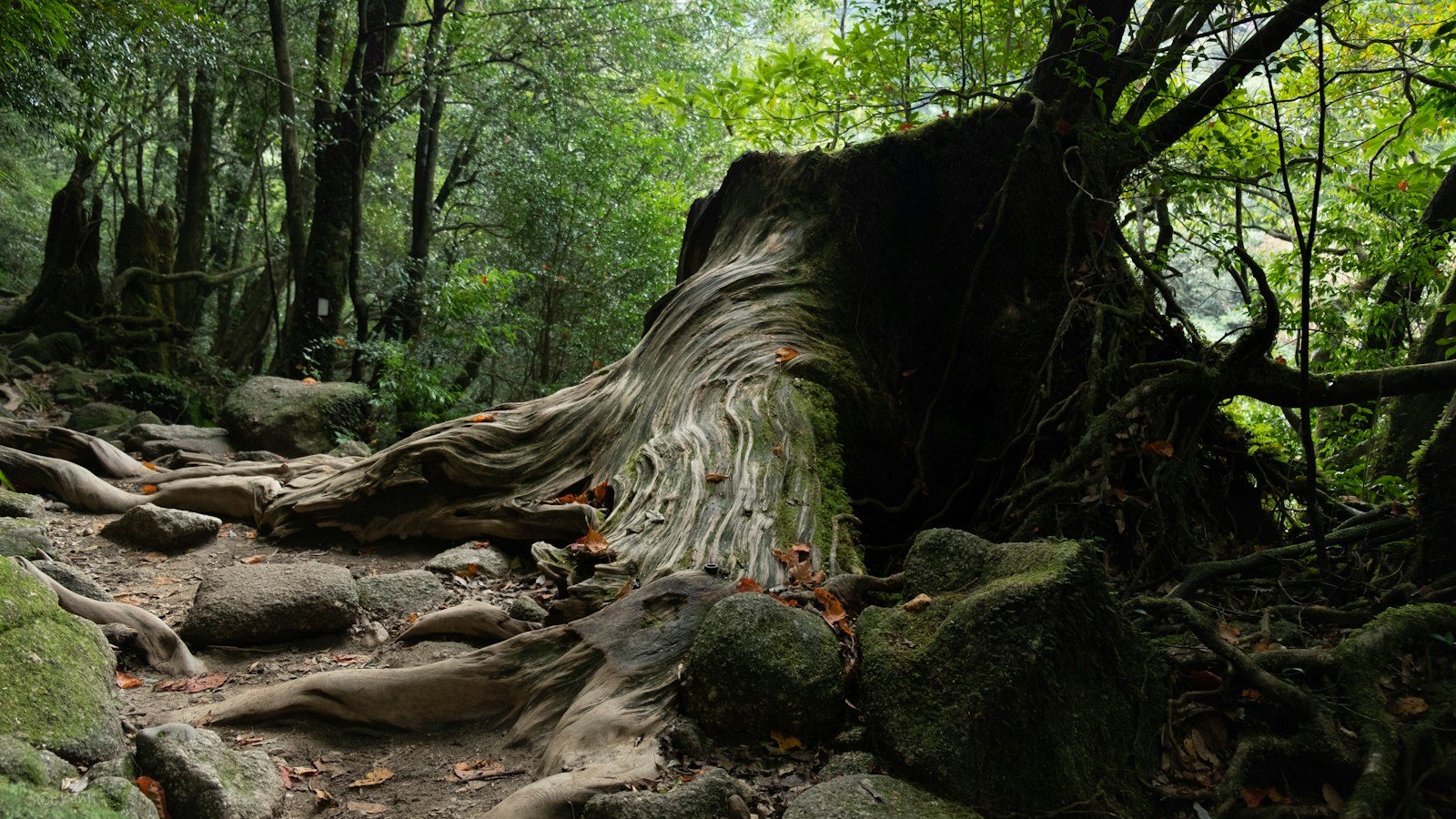
A round, mountainous island off the southern tip of Kyushu, covered in moss forest and some of the oldest cedars on Earth. You hike to trees that may be thousands of years old, soak in seaside hot springs at low tide and eat flying fish while the rain comes and goes.
- Best time to visit: March to May and October to November
- Daily budget (budget traveller): $70 to $250 USD
- Ideal trip length: 3 to 5 days
Yakushima lies about 60km south of mainland Kyushu, two to three hours from Kagoshima by jetfoil. It is almost circular, and from the coast the mountains climb steeply to Miyanoura-dake, at 1,936m the highest peak in Kyushu. In 1993 it became one of Japan's first natural World Heritage Sites, thanks to its forests of yakusugi, the island's ancient cedars. The most famous is Jomon Sugi, a gnarled giant at the end of a 22km round-trip hike. The weather here is a big part of the story. Locals joke that it rains 35 days a month, and the mountains are among the wettest places in Japan. That rain feeds the waterfalls, the rivers and the deep green moss at Shiratani Unsuikyo, the forest said to have inspired Princess Mononoke. Down on the coast you will find small fishing towns, beaches where loggerhead turtles nest and hot springs in the rocks by the sea. Yakushima is not cheap to reach and buses are infrequent. Even so, guesthouse beds, a bus pass and free waterfalls and beaches mean a solo traveller can manage it without spending a fortune, as long as the transport is planned carefully.
Yakushima is a granite island of roughly 500 square kilometres, home to about 12,000 people. The villages are strung around the coast, while the interior is a wilderness of steep mountains and dense forest. Cedars that grow above about 500m and are more than 1,000 years old are called yakusugi, and they grow slowly in the poor soil and constant rain. Logging stopped in the Arakawa area around 1970, and today much of the interior is protected. Most visitors come for one hike and leave. If you stay longer, you get to watch the island change: mist lifting off the forest after rain, monkeys on the road at dawn, a hot soak by the sea at low tide and fried flying fish for dinner. Getting here costs money, but once you arrive, beds, food and most sights are reasonably priced.
There are two ways to arrive, by sea or by air. From Kagoshima the Toppy and Rocket jetfoils take about two to three hours and cost ¥14,000 one way. The slower Ferry Yakushima 2 takes four hours for about ¥7,000, and the overnight Ferry Hibiscus is cheaper still. JAC flies from Kagoshima several times a day, and once a day each from Osaka Itami and Fukuoka. Rough seas cancel the jetfoil more often than you might expect. Base yourself in Miyanoura if you want shops and the Shiratani bus, or in Anbo if your main goal is Jomon Sugi. Get around by bus with a Yakushima Kotsu pass, or rent a car for the west coast and the south.
Plan the trip around the weather. Spring and autumn are the most comfortable for hiking, and the forest is greenest in the rainy season, from late May to mid-July, although the trails are wettest then. Summer brings turtles, heat and crowds, and typhoons can strand you for days between August and October. Winter is quiet and cheap, but there is snow on the high peaks, and buses up the mountains run less often. From December to February private cars can drive to the Jomon Sugi trailhead again, but the upper trail may be icy. Most people on the island do not speak much English, but guesthouse owners are used to hikers and very helpful. Nightlife is a shochu and an early night. Here, you get up for the forest.
Yakushima itinerary
Arrive in Miyanoura
Morning: Take a morning jetfoil from Kagoshima (about two to three hours). Leave your bag at your guesthouse and buy a Yakushima Kotsu bus pass at the port.
Afternoon: Rent rain gear or boots in Miyanoura if you need them, stock up at the supermarket and walk along the Miyanoura River.
Evening: Fried flying fish and a glass of Mitake shochu at Shiosai, then an early night.
Shiratani Unsuikyo moss forest
Morning: Catch an early bus up to Shiratani Unsuikyo (about 35 minutes). Pay the ¥800 forest fee and walk up through the moss forest.
Afternoon: Continue to Taiko-iwa rock for the view if the weather holds, then walk down and take the bus back to Miyanoura.
Evening: Move to Anbo by bus and order a hiking bento from your guesthouse for the next day.
Jomon Sugi
Morning: Wake at about 4am and catch the early Arakawa shuttle from the Yakusugi Museum (¥2,000 return plus ¥1,000, cash). Follow the railway track, then climb past Wilson's Stump.
Afternoon: Reach Jomon Sugi around midday, eat your bento and head back down. Keep an eye on the time for the last shuttle.
Evening: Soak your legs at an onsen and eat a big dinner in Anbo.
South coast and seaside onsen
Morning: Take a slow morning, then catch the bus south to Senpiro-no-taki and see Toroki-no-taki falling into the sea.
Afternoon: Continue to Onoaida and Hirauchi. Time your visit to Hirauchi Kaichu Onsen for low tide.
Evening: Dinner at your minshuku or a simple meal in Onoaida, then bus back to Anbo.
Waterfalls and the west coast
Morning: Pick up a rental car and drive southwest to Ohko-no-taki and the Nakama banyan tree.
Afternoon: Drive slowly along the Seibu Rindo, watching for monkeys and deer, and on round to Nagata.
Evening: Sunset at Inakahama beach, then drive back along the north coast to Miyanoura.
Yakusugi Land and the museum
Morning: Drive or take the bus up to Yakusugi Land (¥800) and walk one of the longer loops through the old cedars.
Afternoon: Visit the Yakusugi Museum (¥600) to learn how the cedars grow and how they were logged.
Evening: A last izakaya dinner in Anbo. Try the kubiore saba if it is in season.
Isso beach and depart
Morning: Snorkel or swim at Isso beach in calm weather, or walk the Miyanoura river path if it is raining.
Afternoon: Return the car and catch an afternoon jetfoil or ferry back to Kagoshima. Check sea conditions the day before.
Evening: Arrive in Kagoshima and have a look at Sakurajima across the bay.
Best neighbourhoods
- Miyanoura: The main port on the north coast and the island's biggest settlement. Most jetfoils and all the slow ferries arrive here, and you will find supermarkets, gear rental shops, restaurants and the bus to Shiratani Unsuikyo. It is the most practical base if you are arriving by sea or staying only a few nights.
- Anbo: A smaller town on the east coast, beside the Anbo River. It is the closest base to the Yakusugi Museum, where the Arakawa shuttle to Jomon Sugi starts, and to Yakusugi Land. Guesthouses here are used to hikers leaving before dawn and will often pack you a bento the night before.
- Onoaida and Hirauchi: The warm, sunny south coast, with an old village onsen at Onoaida and the seaside rock pools at Hirauchi. It is quieter and greener than the ports and has some of the island's nicer mid-range hotels. Buses do pass, but slowly, so it suits a rental car or a slow stay.
- Nagata and Isso: The northwest corner, with Inakahama beach, where loggerhead turtles nest, and the sheltered snorkelling cove at Isso. The sunsets over the sea are the best on the island. There are a few minshuku and cottages, but food options are limited, so stock up in Miyanoura first.
- Kurio and the southwest: The far end of the bus line, near Ohko waterfall, the Nakama banyan tree and the start of the Seibu Rindo forest road. It feels remote and very rural. Stay here if you have a car and want quiet, and be aware that the nearest proper shops may be a long way off.
Must-do experiences
- Hike to Jomon Sugi: The classic Yakushima day is a 22km round trip of about 10 hours, along an old logging railway and up into the forest past Wilson's Stump. From March to November you must take the Arakawa shuttle, which costs ¥2,000 return plus a ¥1,000 conservation fee, cash only. Start before dawn.
- Walk the moss forest at Shiratani Unsuikyo: This ravine of mossy boulders, streams and old cedars is the island's most loved forest. The forest fee is ¥800 from April 2026. Walk up through the 'Mononoke forest' to Taiko-iwa rock for a view over the mountains, which takes three to four hours return.
- Soak at Hirauchi Kaichu Onsen: These natural hot pools sit in the rocks right on the shoreline and only appear for a couple of hours either side of low tide. Check a tide table before you go. It is mixed bathing and swimwear is not allowed. Leave a small donation in the box.
- See Ohko-no-taki waterfall: An 88m waterfall on the southwest coast, ranked among Japan's top 100 falls. Entry is free and it is a two-minute walk from the car park. After heavy rain the spray reaches the road, so it is a good thing to do on a wet day.
- Explore Yakusugi Land: A forest park at about 1,000m with loop trails of 30 minutes to two and a half hours past ancient cedars. The forest fee is ¥800 from April 2026. It is a gentler way to see big yakusugi if Jomon Sugi is too much, but only a couple of buses a day come up from Anbo.
- Drive or tour the Seibu Rindo: This narrow road on the west coast is the one place where the World Heritage zone reaches right down to the sea. Yakushima monkeys and deer often sit in the road. Buses do not run here, so rent a car or join a day tour, and drive slowly.
- Watch the sunset at Inakahama: Nagata's long golden beach faces west and is one of the main loggerhead turtle nesting sites in Japan. Sunsets are free. From May to August parts of the beach close at night to protect the turtles, and you can only watch them on a booked guided session.
Hidden gems
- Senpiro-no-taki, a waterfall spilling over a huge smooth slab of granite in the southeast, with a viewpoint just a short walk from the car park
- Toroki-no-taki, one of the few waterfalls in Japan that drops straight into the sea, best seen from the coastal road bridge near Hara, on the south-east coast, about 20 minutes' drive south of Anbo
- The Nakama Gajumaru, a huge banyan tree near Kurio whose roots cover the ground like a cave
- Onoaida Onsen, a simple old village bathhouse where you pay a few hundred yen and soak with the locals
- The Miyanoura River mouth at dusk, when the mountains turn pink behind the town and most visitors have gone back to their rooms
Daily budget
- Accommodation: budget $25 to $40 USD / night (guesthouse dorm or simple minshuku room), mid-range $80 to $150 USD (business hotel or minshuku with dinner and breakfast), splurge $400+ USD (Sankara Hotel & Spa or a top onsen hotel). Golden Week, Obon and late summer fill up early. Many minshuku include two meals, which saves money because restaurants close early. Single rooms are limited, so book ahead.
- Food: budget $15 to $25 USD / day (supermarket breakfast, hiking bento, set lunch), mid-range $35 to $60 USD (café lunch and an izakaya dinner), splurge $100+ USD (multi-course hotel dinner). A hiking bento costs roughly ¥700-1,200. Many restaurants close by 8 or 9pm and some close one or two days a week. Prices are rough guides.
- Transport: budget $13 to $20 USD / day (Yakushima Kotsu bus pass), mid-range $40 to $70 USD (small rental car plus fuel), splurge $90+ USD (jetfoil one way, plus taxis). Bus passes cost ¥2,000 for one day, ¥3,000 for three and ¥4,000 for four. The jetfoil is ¥14,000 one way, the Ferry Yakushima 2 about ¥7,000 and the Hibiscus about ¥3,900.
- Activities: budget $0 to $10 USD / day (beaches, waterfalls, ¥800 forest fees), mid-range $20 to $40 USD (Jomon Sugi shuttle and fee, museum, onsen), splurge $100+ USD (guided Jomon Sugi trek or river kayaking). The Arakawa shuttle is ¥2,000 return plus a ¥1,000 conservation fee, both cash. Shiratani Unsuikyo and Yakusugi Land cost ¥800 each and the Yakusugi Museum ¥600.
- Drinks & nightlife: budget $3 to $8 USD (a can of beer or shochu from the shop), mid-range $15 to $30 USD (an evening at an izakaya), splurge $50+ USD (hotel bar or a long dinner with local shochu). Nightlife is a few izakaya in Miyanoura and Anbo. Try Mitake shochu, and do not expect anything to be open late.
Where to stay
- Guesthouse in Miyanoura, near the port ($25 to $45 USD / night): Simple guesthouses such as Yakushima Park Guesthouse are a short walk from the ferry, supermarket and Shiratani bus. You get dorms or small private rooms, shared kitchens and other hikers to swap tips with.
- Onsen hotel in Onoaida, south coast ($130 to $250 USD / night): samana hotel Yakushima has ocean views and a hot spring bath on the quieter, sunnier south coast. It is good for a few days of recovery after the big hikes.
- Cottage in Anbo and around ($60 to $120 USD / night): Self-catering cottages and minshuku in Anbo sit close to the Yakusugi Museum, so they are handy for the early Jomon Sugi shuttle. Many hosts will make a bento and dry your gear.
- Splurge in Haginoue, southeast coast ($400 to $900+ USD / night): Sankara Hotel & Spa is an adults-only resort of villa-style rooms in the forest, with French dining and a spa. It is the island's big treat, but it is far from the bus routes.
What to eat
- Flying fish (tobiuo): deep-fried whole until you can eat the fins, or as sashimi. Shiosai in Miyanoura is a good place to try it
- Kubiore saba: mackerel bled at sea by breaking the neck, served as glossy sashimi in season. It is a Yakushima speciality
- A hiking bento: rice balls and side dishes made by your guesthouse or a local shop, ordered the night before for an early start
- Tankan and ponkan: sweet local citrus, at their best from late winter, sold at roadside stalls and farm shops
- Mitake shochu: the island's own sweet potato spirit, drunk with hot water or on the rocks. It is hard to find off the island
- Supermarket sushi, fried chicken and fruit from the A-Coop in Miyanoura or Anbo for cheap dinners when restaurants close early
Day trips
- Miyanoura-dake summit (About 8 to 10 hours return from the Yodogawa trailhead): The highest peak in Kyushu, at 1,936m, reached across bamboo grass meadows and granite boulders. On a clear day you can see the ocean on all sides. It is a hard, exposed day and should only be attempted in good weather. The Yodogawa trailhead is above Yakusugi Land, near Kigensugi. Most people drive or take a taxi, as buses are few and seasonal. In winter, snow and ice make the route dangerous.
- Seibu Rindo and the west coast (About 30km from Miyanoura to Ohko-no-taki along the west coast): A narrow forest road through the World Heritage zone, with monkeys, deer and sea views, ending near Ohko-no-taki and the Nakama banyan. It is the wildest stretch of the coast road. There are no buses, so rent a car or book a day tour such as the Yakuzaru bus, which needs to be reserved the day before. Drive slowly and do not stop to feed the animals.
- Tanegashima (About 50 minutes by jetfoil): Yakushima's flat, sunny neighbour, home to JAXA's Tanegashima Space Center, surf beaches and the history of Japan's first firearms. It feels very different from the mountains. Some Toppy and Rocket jetfoils link Miyanoura and Nishinoomote on Tanegashima. Check the day's timetable and weather, as cancellations could leave you stuck overnight.
When to visit
- Spring (March - May): 15-23°C on the coast, much cooler and often misty in the mountains, frequent showers. Crowds: Moderate, very busy during Golden Week in late April and early May. One of the best times to hike. Rhododendrons flower on the high ridges in May. Book beds and the jetfoil early for Golden Week.
- Rainy season and summer (June - August): Heavy rain until mid-July, then 28-32°C and humid. Crowds: Moderate in June, busy in late July and August, especially around Obon. The moss is at its best and turtles nest and hatch on the northwest beaches. Expect trail closures after heavy rain and higher prices in August.
- Autumn (September - November): 25-28°C in September, cooling to 18-22°C by November, typhoons possible until October. Crowds: Moderate, quieter from November. October and November are the locals' choice, with clearer days and cooler hiking. Keep a buffer day in case a typhoon stops the boats.
- Winter (December - February): 10-15°C on the coast, snow and ice above about 1,000m. Crowds: Quiet. Cheap and peaceful, with citrus season starting. The Arakawa shuttle stops, so you can drive to the trailhead, but the high trails need winter experience and proper gear.
Entry rules for your passport
Visa rules for Japan depend on the passport you travel on. Check the official source before you book: Japan Ministry of Foreign Affairs
Getting there
Most visitors reach Yakushima from Kagoshima, which has flights from Tokyo, Osaka and elsewhere, plus shinkansen links. The Toppy and Rocket jetfoils leave Kagoshima Main Port South Pier, about 15 minutes by bus or taxi from Kagoshima-Chuo Station. They take two to three hours to Miyanoura or Anbo, and some stop at Tanegashima. Since 11 May 2026 fares are ¥14,000 one way or ¥25,900 return. Book ahead in busy periods and expect cancellations in rough seas. The Ferry Yakushima 2 leaves Kagoshima at 8:30 and takes about four hours, for around ¥7,000 one way. The overnight Ferry Hibiscus leaves Taniyama Port in the evening, takes about 13 hours via Tanegashima and costs about ¥3,900. It is suspended for dry dock until 15 November 2026 and does not leave Kagoshima on Sundays. JAC flies from Kagoshima Airport in about 35 minutes, with a daily flight each from Osaka Itami and Fukuoka. Discount fares from Kagoshima often start around ¥12,000-14,000.
Getting around
Yakushima is about 130km round, and most people stay in Miyanoura or Anbo. Yakushima Kotsu and Matsubanda run local buses, about once an hour around the coast. Buses do not cover the west coast between Nagata and Ohko-no-taki. You take a numbered ticket when you get on and pay the driver in cash when you get off. IC cards do not work. Yakushima Kotsu sells unlimited passes for ¥2,000 for one day, ¥3,000 for three days and ¥4,000 for four days, but they do not cover Matsubanda buses or the Arakawa shuttle. Up in the mountains, a few buses a day climb to Shiratani Unsuikyo from Miyanoura and to Yakusugi Land from Anbo. From 1 March to 30 November, private cars are banned from the Jomon Sugi trailhead, and you take the Arakawa shuttle from the Yakusugi Museum (¥2,000 return, cash). Renting a small car gives you far more freedom, and you will need an international driving permit. Taxis exist but are expensive over long distances, so book ahead for early starts.
Safety
Crime is very rare on Yakushima, and the real risks come from the mountains and the weather. Rivers can rise in minutes after heavy rain, and trails close when streams become impassable. Never try to cross a flooded stream, and turn back if the water is rising. Fill in a hiking plan (tozan todoke) at the trailhead box or online. Carry a headlamp, rain gear and more water and food than you expect to need. From December to March the high peaks get snow and ice, and people die from hypothermia. Typhoons can hit from August to October and stop ferries and flights for days. Phone signal fades fast in the mountains. Do not feed or approach the monkeys and deer. At Hirauchi, watch the tide and the waves. Tap water is safe. In Japan, dial 110 for the police and 119 for an ambulance or fire. Get travel insurance that covers hiking and mountain rescue.
Solo travel tips
- Build in a rain day: Heavy rain closes trails and rough seas cancel jetfoils. Keep one free day so a storm only moves your plans instead of cancelling them.
- Carry cash: The Arakawa shuttle, forest fees, buses and many small restaurants and guesthouses take only cash. Japan Post ATMs in Miyanoura and Anbo accept most foreign cards.
- Sleep near your trailhead: Stay in Anbo for Jomon Sugi and Miyanoura for Shiratani. Early buses are few, and the right base can save you a pricey pre-dawn taxi.
- Eat at your minshuku: Restaurants close early and some villages have almost none. A minshuku with dinner and breakfast is often the cheapest and easiest option, and you get a hiking bento too.
- Safety for solo travellers: Fill in a hiking plan, tell your host your route and set a turnaround time. Never cross a flooded stream. Phones often lose signal in the mountains, so download maps before you go.
- Meet people on the trail or a tour: Guesthouse common rooms fill with hikers comparing routes. A small-group guided hike or a day tour of the west coast is an easy way to share the day with others.
Cultural etiquette
- Say 'konnichiwa' to other hikers on the trail and 'arigato gozaimasu' to drivers and hosts. A small nod goes a long way.
- Wash thoroughly at the taps before getting into any onsen, keep towels out of the water and ask about tattoo rules at hotel baths.
- Stay on the boardwalks and marked trails, and do not touch, climb or carve the ancient cedars.
- Never feed the monkeys or deer. It makes them aggressive and is against local rules.
- Take all your rubbish home, as there are few bins. In the mountains, use portable toilet bags, sold locally, if you cannot reach a toilet.
- Pay the forest and conservation fees. They fund trail repairs and mountain toilets.
- Do not tip. Good manners, tidiness and arriving on time for meals at a minshuku are what count.
Frequently asked questions
How do I get to Yakushima?
Most people sail from Kagoshima. The Toppy and Rocket jetfoils take about two to three hours to Miyanoura or Anbo, and since 11 May 2026 they have cost ¥14,000 one way or ¥25,900 return. Book ahead in busy periods. The Ferry Yakushima 2 takes about four hours, leaves Kagoshima once a day at 8:30 and costs about ¥7,000. The overnight Ferry Hibiscus is the cheapest at about ¥3,900, but it is slow (it stops overnight at Tanegashima) and is taken out of service for dry dock for a few weeks each year, so check its timetable. JAC flies from Kagoshima in about 35 minutes, with one daily flight each from Osaka Itami and Fukuoka.
How many days do I need in Yakushima?
Three days is the minimum: one for Shiratani Unsuikyo, one for Jomon Sugi and one for the coast and onsen. Four or five days is better, because rain or rough seas often cost you a day. A week lets you add Miyanoura-dake, the west coast and a proper rest day.
When is the best time to visit Yakushima?
March to May and October to November have the most comfortable hiking weather, though it rains year round. Golden Week in late April and early May is very busy. The rainy season runs from late May to mid-July. Summer is hot and busy but brings turtle nesting and hatching. Typhoons can disrupt travel from August to October. Winter is quiet and mild on the coast, but the peaks get snow.
Do I need a car on Yakushima?
No, but it helps. Buses link Miyanoura, Anbo, the airport, Onoaida and Kurio, and also run up to Shiratani Unsuikyo and Yakusugi Land, but some routes have only a few buses a day and the last ones leave early. Buses do not reach the Seibu Rindo on the west coast at all. A three or four-day bus pass works for a hiking trip. For the waterfalls, onsen and the west coast, rent a car for a day or two, and bring an international driving permit.
Can I hike to Jomon Sugi alone?
Yes, plenty of people do. The trail is well marked and busy in season, and about half of it follows an old logging railway. It is still long, at about 22km and 10 hours. Take the first shuttle from the Yakusugi Museum, set a turnaround time and make sure you are back at Arakawa for the last bus down. Guided group tours start from roughly ¥15,000 and are a good idea if you are not an experienced hiker.
How bad is the rain?
Expect it every day and be pleasantly surprised when it holds off. The coast gets several metres of rain a year and the mountains far more. Good waterproofs, quick-dry clothes and proper boots matter more than anything else you pack. Gear shops in Miyanoura and Anbo rent rain gear, boots and backpacks. Heavy rain can close trails and roads, so keep a spare day in your plan.
Is Yakushima safe for solo female travellers?
Yes. Crime is very rare and the island has a relaxed, friendly feel. The main risks are hiking ones, so tell your guesthouse where you are going and fill in a hiking plan. Hirauchi and some other seaside onsen are mixed and do not allow swimwear, so choose the separate village bathhouses if you prefer. Roads are dark at night, so carry a torch.
What entry rules apply to Japan in 2026?
Visitors from around 70 countries and regions, including the UK, US, Canada, Australia and the EU, can visit Japan visa-free for up to 90 days. Japan's departure tax rose to ¥3,000 per person on 1 July 2026 and is included in your ticket. JESTA, a planned online travel authorisation, is not expected before fiscal 2028, so ignore any site selling one now. From 1 November 2026, tax-free shopping works as a refund at departure. Check the Ministry of Foreign Affairs of Japan and your own government's advice before you go.
More about Yakushima
- Tokyo for First-Time Visitors: 5-Day Guide With Hidden Gems
- Japanese Culture and Etiquette: A Situation-by-Situation Guide
- Cultural Etiquette in Japan: Quick Do's and Don'ts for First-Timers
Tours and activities in Yakushima | Yakushima in 2 days | Yakushima in 3 days | Yakushima in 4 days | Yakushima in 5 days | Yakushima in 7 days
Joy Plus home | Destinations | Itineraries | Activities | Flights | Budget planner | Calendar | Map | Blog | Lifetime access