Mount Fuji in 7 days
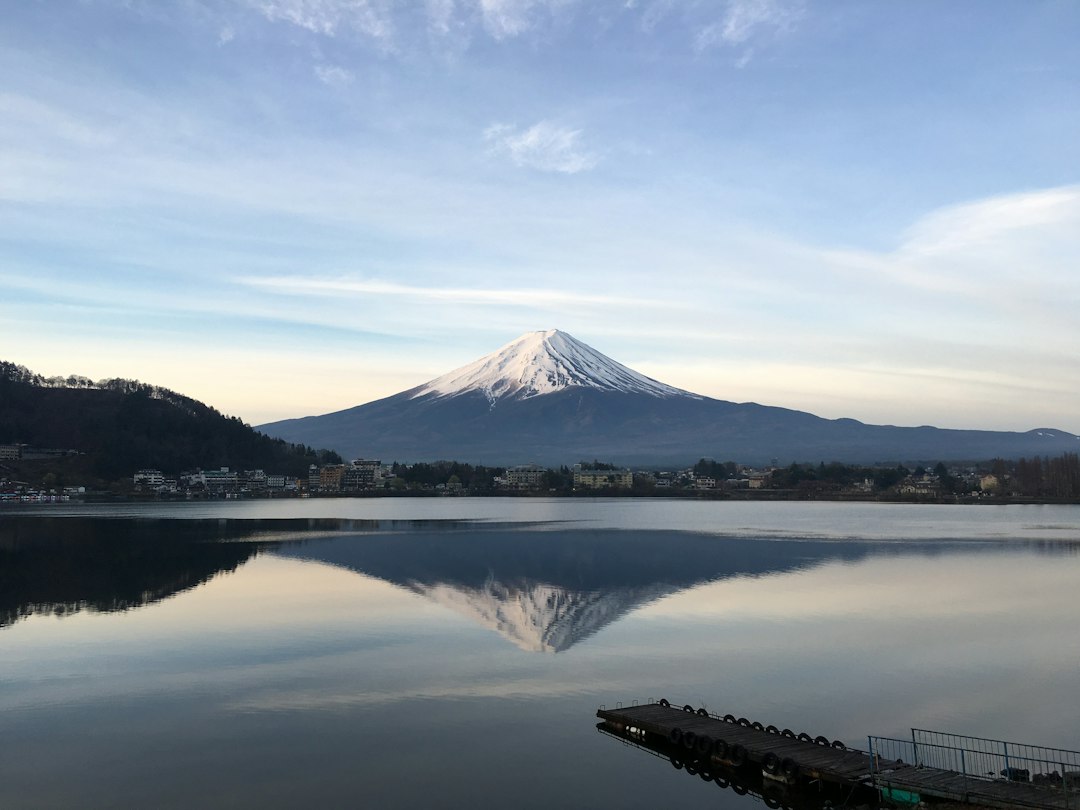
Japan's sacred volcano, viewed from lakes, onsen towns and its own slopes. Best time to visit: April to May and October to November. Daily budget (budget traveller): $90 to $160 USD.
Tokyo to Kawaguchiko, ropeway and hoto
Morning: Take the Fujikyu highway bus from Busta Shinjuku (4th floor) to Kawaguchiko Station, about 1h50 and ¥2,200. Book ahead on weekends. Drop bags at your hotel or the station lockers (¥400 to ¥700).
Afternoon: Ride the Mt Fuji Panoramic Ropeway (¥900 return, 9:30am to about 5pm). Eat dango at the summit tea house, then walk down through Tenjozan Park for the lake and cone view.
Evening: Hoto noodles at Hoto Fudo, in the domed building near the station (around ¥1,500). Soak in your hotel onsen and sleep early for tomorrow's dawn.
Chureito at sunrise and Fujiyoshida
Morning: Catch the first Fujikyu train to Shimoyoshida (about 20 min). Walk 15 minutes to Arakurayama Sengen Park and climb the 398 steps to Chureito Pagoda for 6am light. Entry is free outside the April festival.
Afternoon: Walk Fujiyoshida's Honcho-dori, the old street with Fuji framed at the end. Lunch on Yoshida udon (¥500 to ¥700) at a local shop, then visit the forested Kitaguchi Hongu Fuji Sengen Shrine.
Evening: Train back to Kawaguchiko. Izakaya dinner of yakitori and local sake, then a lake walk to see the cone at night.
Cycle the lake, Oishi Park and Itchiku Kubota
Morning: Rent an e-bike at Kawaguchiko Station (about ¥2,500 to ¥3,500 a day) and ride the roughly 20 km flat loop. Stop at Oishi Park for Fuji views and seasonal flowers (lavender in summer, kochia in October).
Afternoon: Visit the Itchiku Kubota Art Museum (around ¥1,300) for kimono art, then continue to the Momiji Corridor if it is November. Coffee at a lakeside cafe.
Evening: Day use onsen or a night in a ryokan with an open air bath facing Fuji. Dinner in the ryokan, usually 6pm to 7pm.
Caves and Lake Sai
Morning: Take the Green Line retro bus toward Saiko. Walk into Narusawa Ice Cave and Fugaku Wind Cave (about ¥400 each, helmets provided, bring a jacket).
Afternoon: Visit Saiko Iyashi no Sato Nenba, a rebuilt thatched village with craft workshops (around ¥500). Optional guided walk in Aokigahara forest. Stay on marked trails.
Evening: Bus back to Kawaguchiko. Light dinner and an early night.
Oshino Hakkai and Lake Yamanaka
Morning: Bus to Oshino Hakkai (about 40 to 50 min) before 9am. Walk the eight spring ponds, try the grilled river fish and hot rice cakes sold nearby.
Afternoon: Continue to Yamanakako. Swan boats, lakeside cycling and a soak at Benifuji no Yu, an open air bath facing the mountain (about ¥1,000).
Evening: Dinner in Yamanakako, then bus or taxi back to Kawaguchiko.
South side: Fujinomiya and Shiraito Falls
Morning: Rent a car at Kawaguchiko Station (about ¥8,000 to ¥12,000 a day) or book a driver. Take Route 139 about 1h30 to Fujisan Hongu Sengen Taisha, Fuji's head shrine, with a spring-fed pond.
Afternoon: Shiraito Falls (free) and the neighbouring Otodome Falls. Lunch on Fujinomiya yakisoba, the town's famous noodle dish, around ¥700.
Evening: Drive back and return the car. Last hoto or a quiet izakaya dinner.
Slow morning and bus to Tokyo
Morning: Lakeside coffee, a final look at Fuji from the shore, and souvenirs: Fujiyama cookies and local sake at the station shops.
Afternoon: Fujikyu bus back to Busta Shinjuku, about 2 hours. Reserve a seat in the early afternoon to avoid weekend traffic on the Chuo Expressway.
Evening: Dinner in Shinjuku or head on to your next stop.
What to eat in Mount Fuji
- Hoto noodles, flat wheat noodles in miso broth with pumpkin and greens, the local specialty
- Yoshida udon, very firm noodles with fried tofu and boiled cabbage, often topped with horse meat
- Grilled ayu sweetfish from the mountain streams
- Fujiyama cookies and local sake from breweries in Fujiyoshida
Hidden gems
- Oshino Hakkai's eight crystal spring ponds in a preserved village
- Saiko Iyashi no Sato Nenba's thatched farmhouse village and retro bus routes around Lake Sai's quiet west shore
- Narusawa Ice Cave and Fugaku Wind Cave, lava tunnels cool even in August
- Momiji Tunnel on Kawaguchiko's north shore, a corridor of red maples in November
Getting around
The direct Fuji Excursion train from Shinjuku (about 2 hours, 4,200 yen) or highway buses (about 2 hours, 2,200 yen) reach Kawaguchiko station. Local retro buses and the Fujikyu line link the lakes and trailheads; a two day sightseeing bus pass pays off. For climbing, direct buses run to the Yoshida trail fifth station in season. A car helps for the south side and Oshino.
Safety
Fuji sightseeing is easy and safe; climbing is not casual. In season, reserve huts and watch for afternoon storms and altitude sickness above 3,000 metres. Out of season the trails are officially closed and genuinely dangerous. Winter driving around the lakes needs caution, and typhoons in September can close cable cars.
Frequently asked questions
What does this 7-day Mount Fuji itinerary cover?
Day 1: Tokyo to Kawaguchiko, ropeway and hoto. Day 2: Chureito at sunrise and Fujiyoshida. Day 3: Cycle the lake, Oishi Park and Itchiku Kubota. Day 4: Caves and Lake Sai. Day 5: Oshino Hakkai and Lake Yamanaka. Day 6: South side: Fujinomiya and Shiraito Falls. Day 7: Slow morning and bus to Tokyo.
Is 7 days enough for Mount Fuji?
Yes, 7 days in Mount Fuji gives you time to spare. We recommend 2 to 3 days, and this plan uses the extra days for caves and Lake Sai; Oshino Hakkai and Lake Yamanaka; south side: Fujinomiya and Shiraito Falls; slow morning and bus to Tokyo.
How much does 7 days in Mount Fuji cost?
A budget traveller spends about $90 to $160 USD a day in Mount Fuji, so roughly $630 to $1,120 USD for 7 days, not counting flights.
Where should I stay for 7 days in Mount Fuji?
Kawaguchiko: The main lake town with the best access, most hotels, the Mt Fuji Panoramic Ropeway and lake cruises. Yamanakako: Quieter eastern lake with swan boats, lakeside cycling and classic mountain reflections.
When is the best time to visit Mount Fuji?
The best time to visit Mount Fuji is April to May and October to November.
How do I get around Mount Fuji?
The direct Fuji Excursion train from Shinjuku (about 2 hours, 4,200 yen) or highway buses (about 2 hours, 2,200 yen) reach Kawaguchiko station. Local retro buses and the Fujikyu line link the lakes and trailheads; a two day sightseeing bus pass pays off.
Is Mount Fuji safe for solo travellers?
Fuji sightseeing is easy and safe; climbing is not casual. In season, reserve huts and watch for afternoon storms and altitude sickness above 3,000 metres.
Read more about Mount Fuji
- Where to Travel in 2027: 15 Places Worth Planning a Trip Around
- Tokyo for First-Time Visitors: 5-Day Guide With Hidden Gems
- Japanese Culture and Etiquette: A Situation-by-Situation Guide
- Cultural Etiquette in Japan: Quick Do's and Don'ts for First-Timers
More 7-day guides
- Takayama in 7 days
- Matsumoto in 7 days
- Hakodate in 7 days
- Nikko in 7 days
- Shirakawa-go in 7 days
- Miyajima in 7 days
- Beppu in 7 days
- Ishigaki in 7 days
Mount Fuji in 2 days | Mount Fuji in 3 days | Mount Fuji in 4 days | Mount Fuji in 5 days | Full Mount Fuji guide
Joy Plus home | Destinations | Itineraries | Activities | Flights | Budget planner | Calendar | Map | Blog | Lifetime access