Best Off-the-Beaten-Path Destinations in Central America for Solo Travelers
Jun 8, 2026, 13 min read
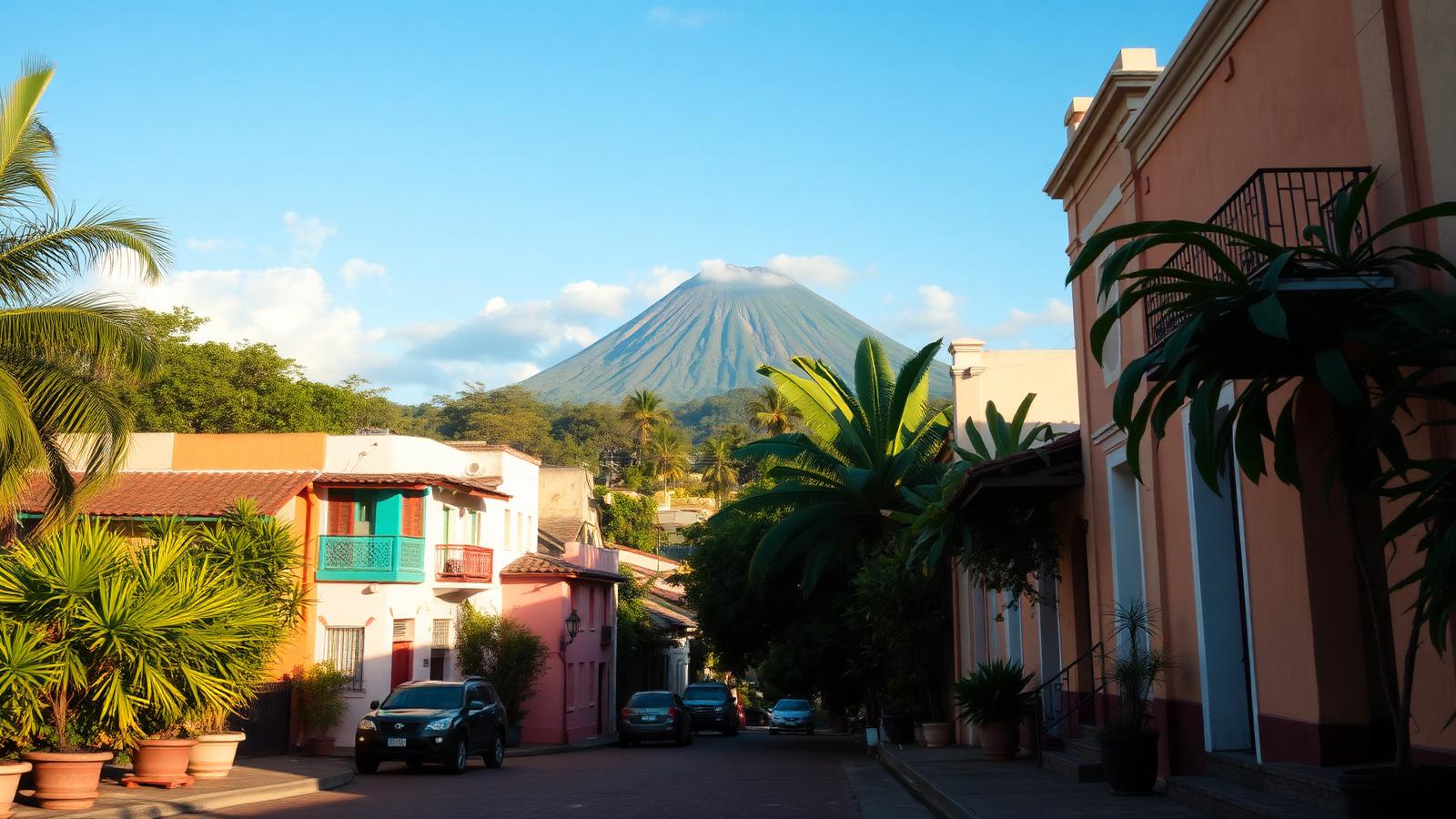
Central America is small, cheap and built for solo travel, but most people only see Antigua and a couple of beaches. These are the off-the-beaten-path towns, islands and volcano hideouts where you get the real thing for less, picked for safety, budget and how easy it is to meet people there.
Central America is the most underrated solo-travel region on the planet. Seven countries, short bus rides between them, low prices, and a backpacker trail dense enough that you are never truly alone but loose enough that you can wander off it whenever you want. The catch is that most travelers see the same few places: Antigua, a Costa Rican beach, maybe Bocas, and home.
The real magic is one stop further. The volcano island where everyone arrives by ferry and leaves with new friends. The chilled Caribbean caye with no cars. The colonial town where you are the only foreigner at the market. These places are off the beaten path not because they are hard or unsafe, but because they ask for a little extra curiosity, and they reward it enormously.
Here are the best off-the-beaten-path destinations in Central America for solo travelers, with why each one works, what it costs and how to meet people while you are there.
1. Suchitoto, El Salvador
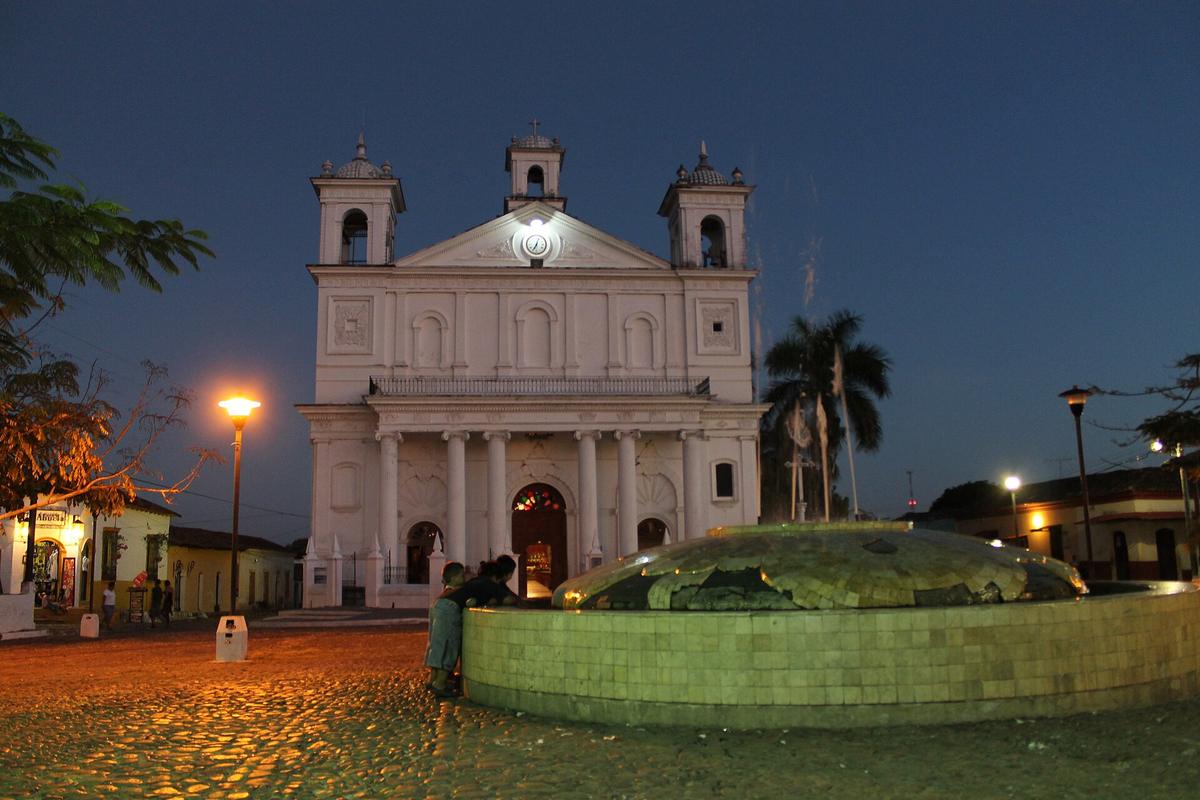
El Salvador's best-preserved colonial town is the country's quiet cultural heart: cobbled streets, a brilliant-white church, lake views and a thriving arts scene, all about an hour from the capital. El Salvador's turnaround has made it one of the safest-feeling countries in the region, and Suchitoto is its slow, creative side. Start with the Suchitoto guide.
2. Leon, Nicaragua
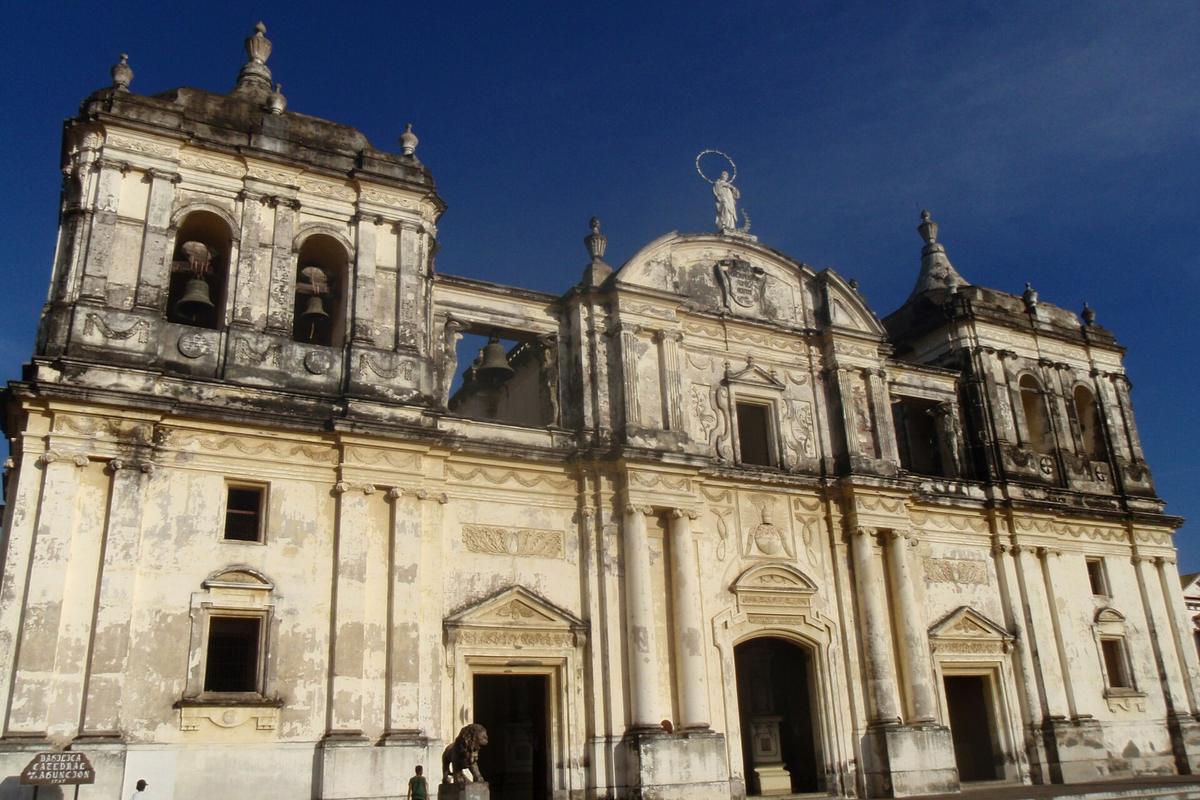
Forget the resorts. Leon is Nicaragua's intellectual, revolutionary city: grand white churches, vivid murals, fierce heat and one of the very few places on earth where you can board down an active volcano on a plank. Cheap, gritty and full of backpackers, it is one of the easiest places in Central America to fall into a group. See the Leon guide.
3. Copan Ruinas, Honduras
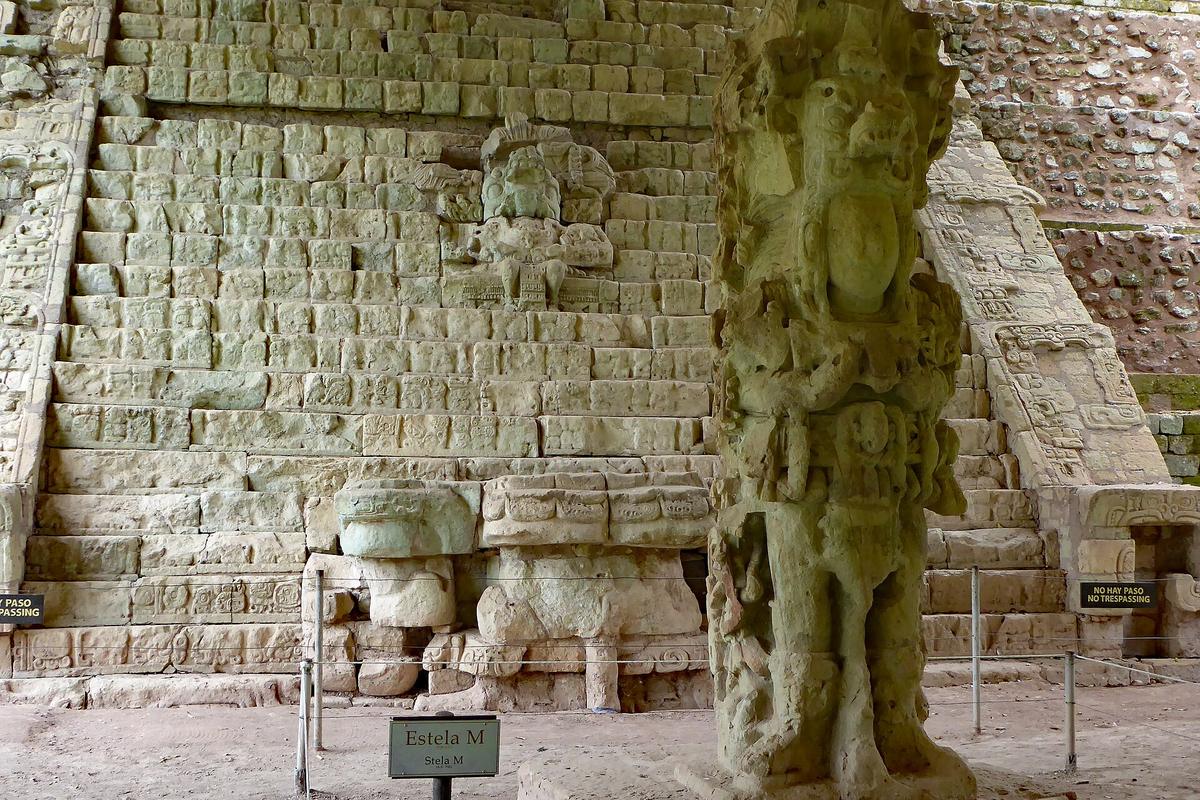
Honduras scares people off the map, but the little town beside the Copan ruins is calm, welcoming and home to one of the most artistically refined Maya sites anywhere: intricate stelae, a hieroglyphic stairway and scarlet macaws in the trees. It pairs perfectly with a hop over the nearby Guatemala border. Read the Copan Ruinas guide.
4. Granada, Nicaragua
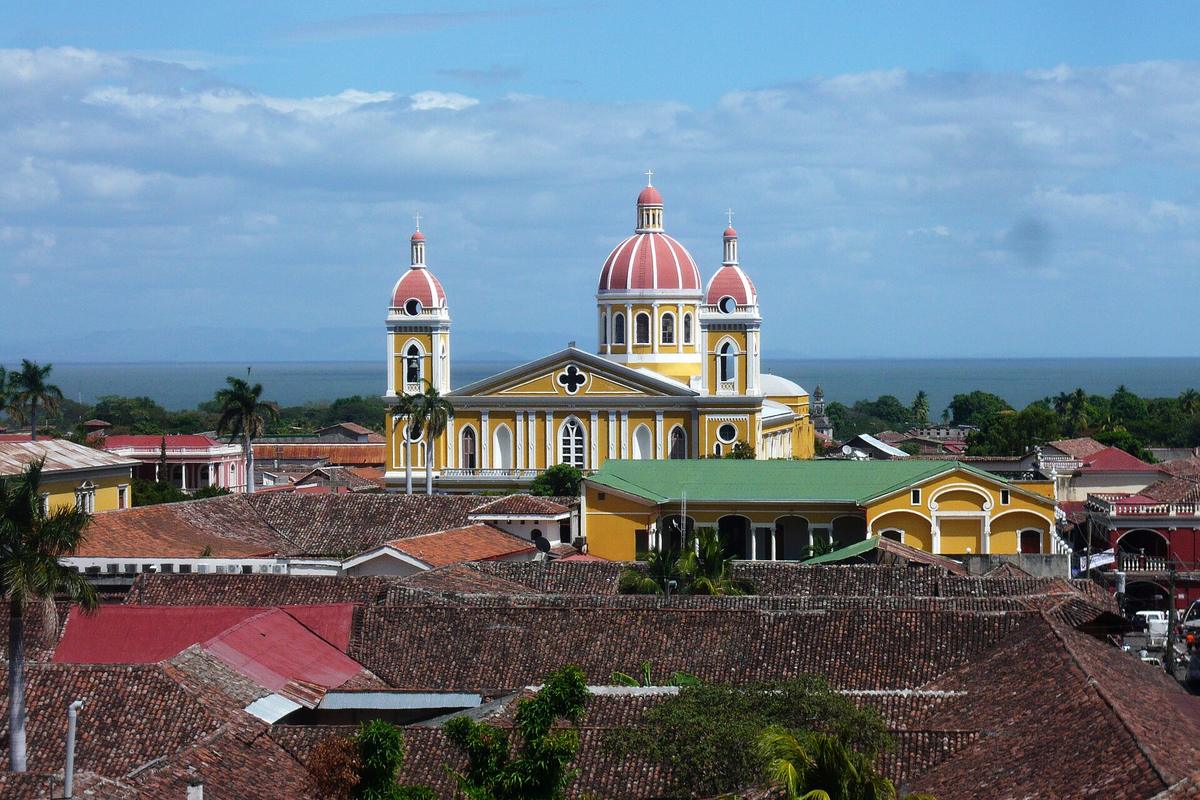
Nicaragua's postcard colonial city sits on a huge lake dotted with tiny islets you can kayak between. Painted churches, horse-drawn carriages, rooftop bars and a sociable hostel scene make Granada an easy, beautiful base, and far quieter than Antigua in Guatemala. See the Granada guide.
5. Ometepe Island, Nicaragua
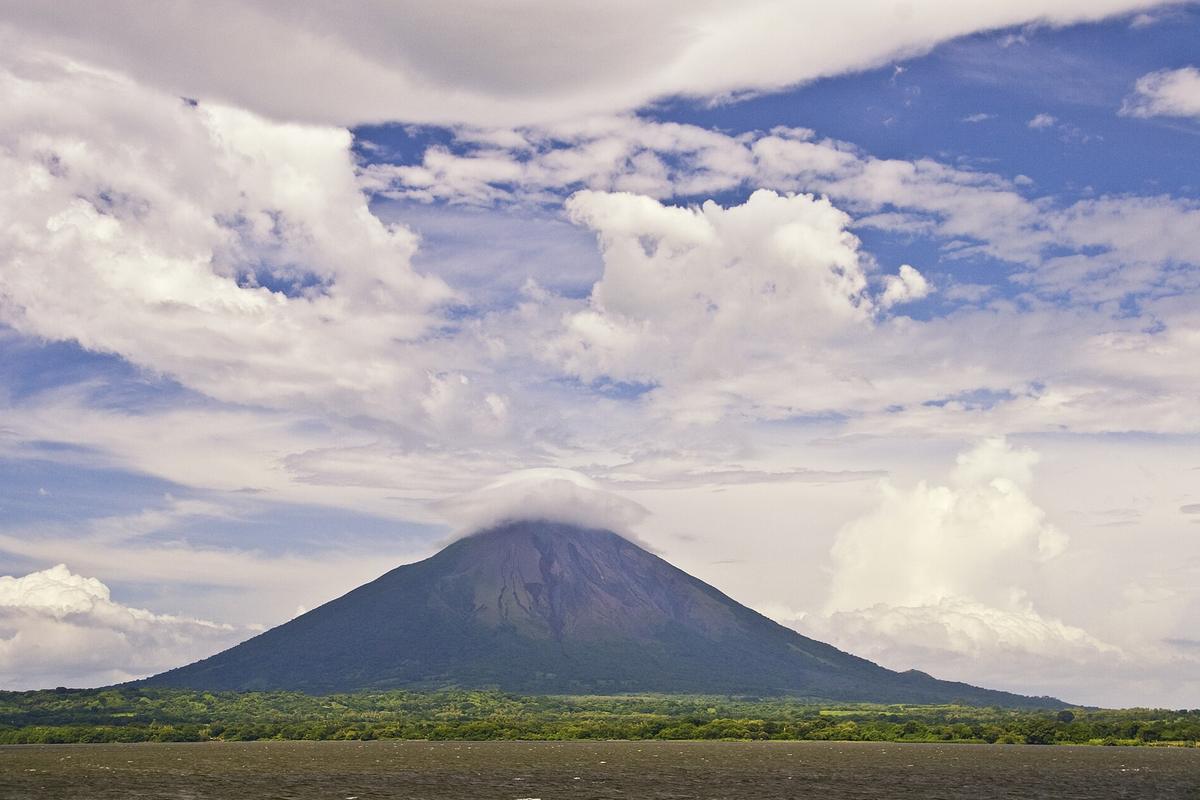
Two volcanoes rising straight out of a freshwater sea: Ometepe is rural Nicaragua at its most magical. You reach it by ferry, rent a scooter, and spend your days swimming in natural springs, hiking volcanoes and watching howler monkeys. Everyone arrives by the same boat, so the social scene forms instantly. Plan with the Ometepe guide.
6. Flores, Guatemala
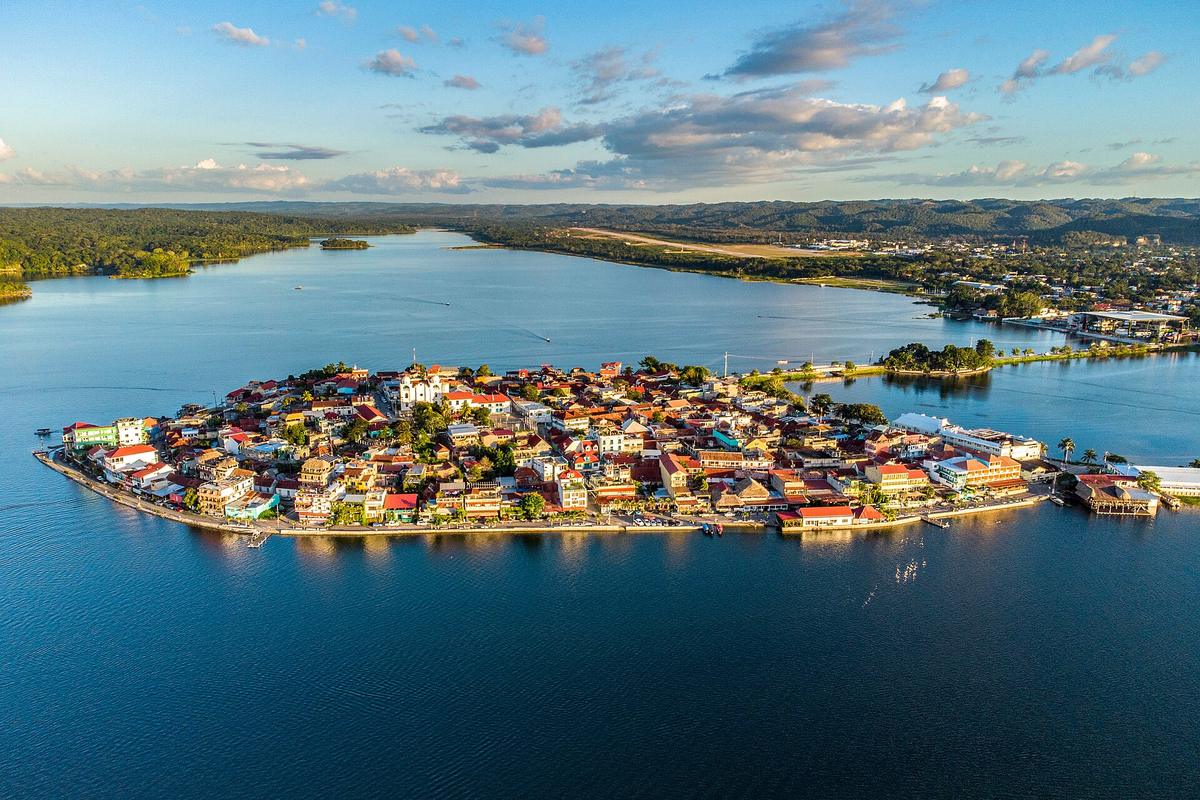
A tiny pastel island town floating on Lake Peten Itza, Flores is the gateway to Tikal, the most jaw-dropping Maya city in the jungle. Watch sunrise over the temples above the canopy, then return to a town small enough to walk in 15 minutes. Hostels here run early-morning Tikal trips that bundle you with other solo travelers. See the Flores guide.
7. Caye Caulker, Belize
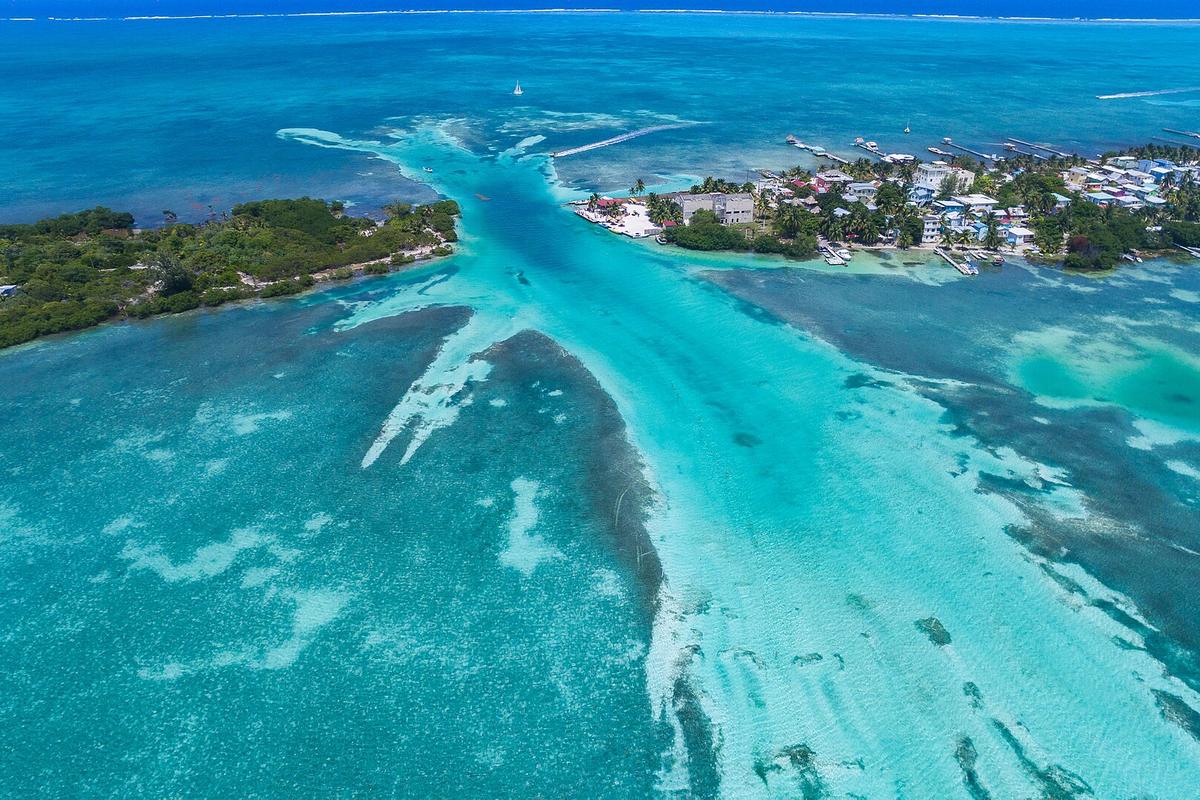
'Go slow' is the island motto, and Caye Caulker means it: no cars, sandy lanes, barefoot beach bars and the famous swimming spot known as the Split. It is the launch point for snorkelling the world's second-largest barrier reef. English-speaking and effortlessly social, it is a soft landing for first-time solo travelers. Read the Caye Caulker guide.
8. Bocas del Toro, Panama
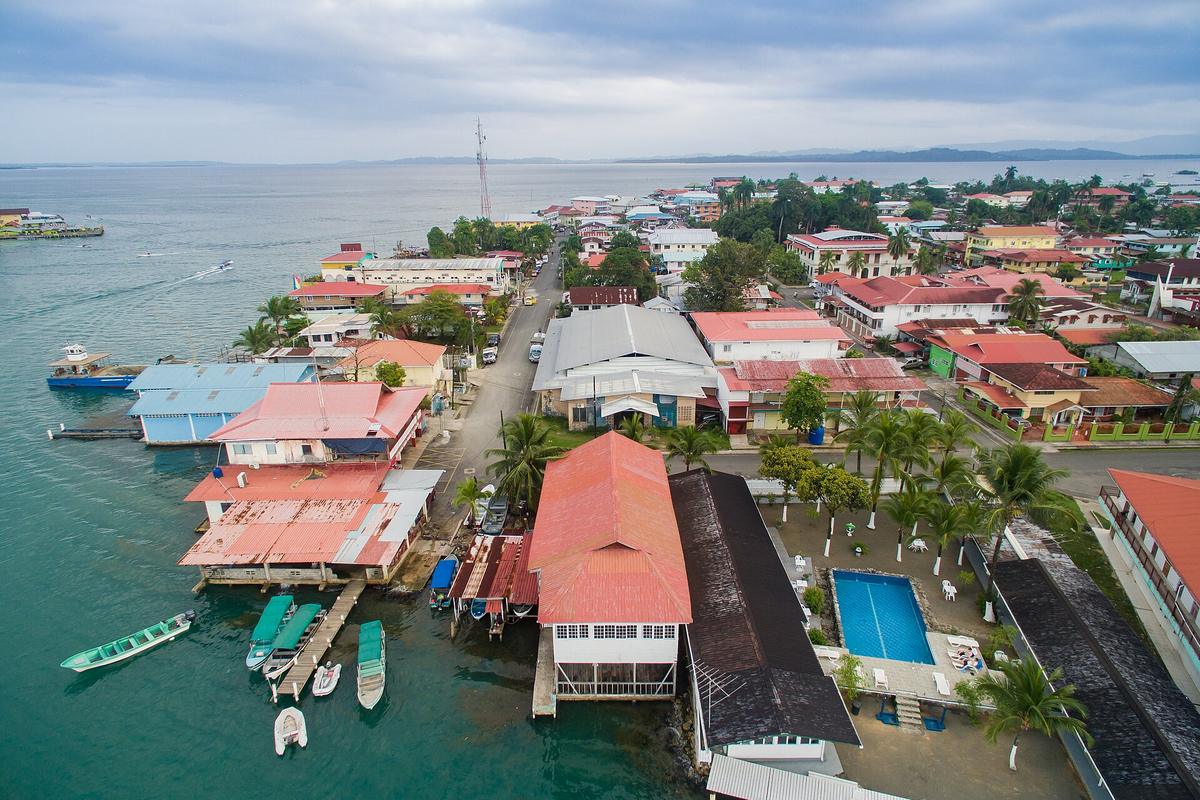
A Caribbean archipelago of overwater bungalows, bioluminescent bays and island-hopping by water taxi. Bocas is more developed than the others on this list but still feels remote, with a strong backpacker community and a party-when-you-want, hammock-when-you-don't rhythm. See the Bocas del Toro guide.
9. Boquete, Panama
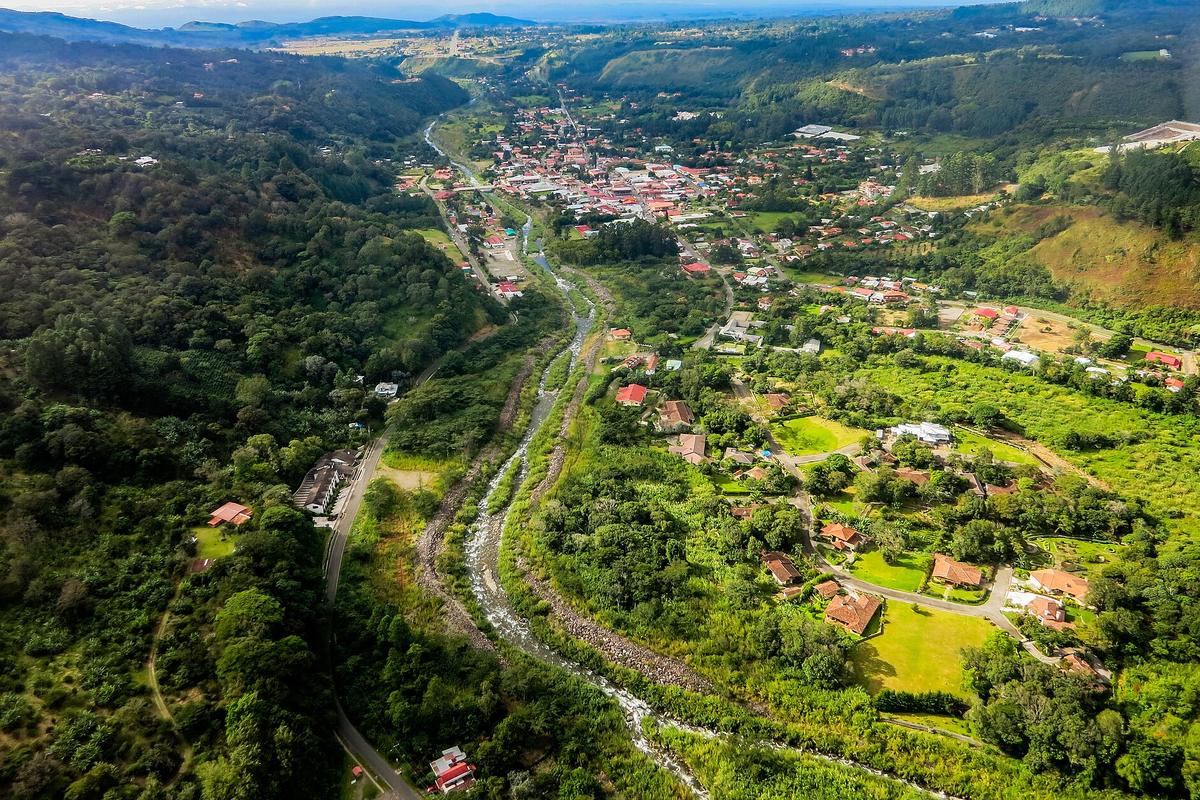
Up in Panama's green highlands, Boquete is cloud forests, volcano trails, hot springs, river rafting and some of the best coffee on the continent. It is cooler than the coast, easy to navigate and popular with active travelers, so group hikes and rafting trips make meeting people simple. Browse the Boquete guide.
10. Monteverde, Costa Rica
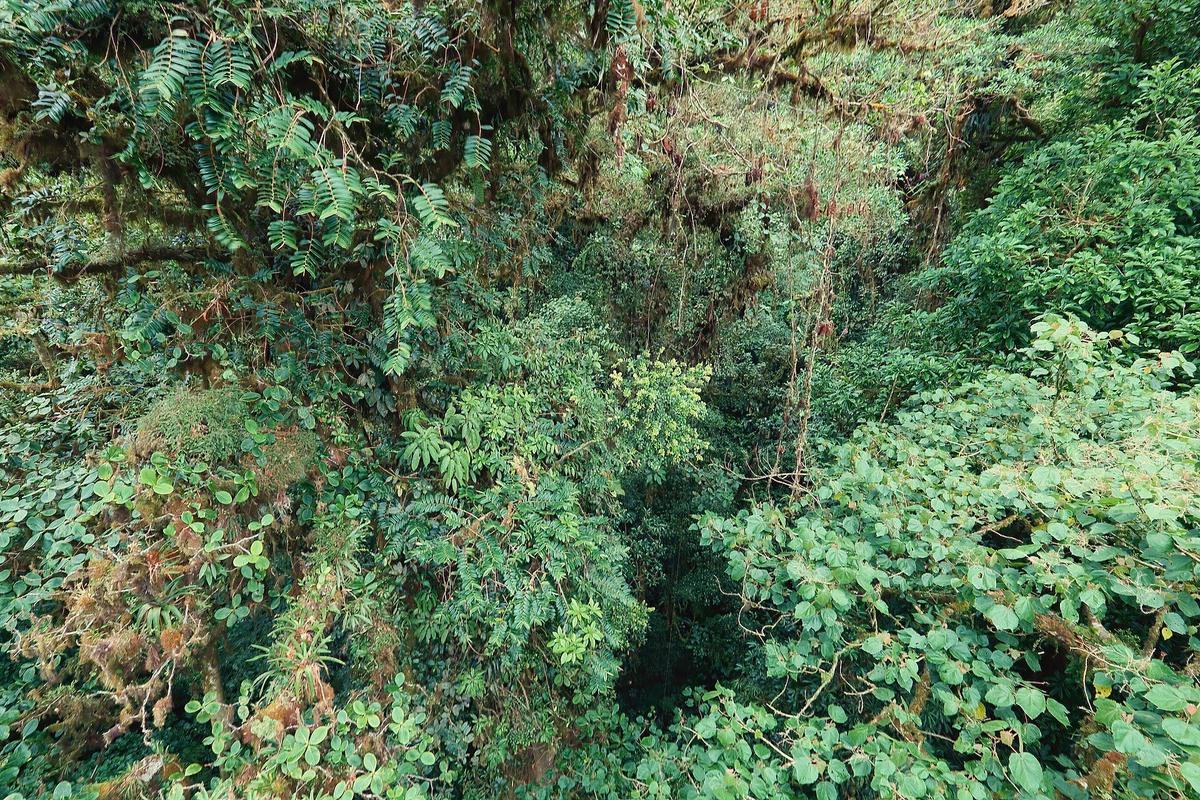
Costa Rica's legendary cloud forest is a model for sustainable ecotourism: hanging bridges through the mist, zip-lines over the canopy and a genuine chance of spotting a quetzal. Tours are the norm here and naturally social, making it an easy off-the-beaten-path pick inside an otherwise well-trodden country. See the Monteverde guide.
Honourable mentions
If you have time, add Puerto Viejo on Costa Rica's Caribbean coast for reggae bars and sloths, and Utila in Honduras for some of the cheapest scuba certification courses in the Caribbean. Both are dripping with solo-traveler energy.
How to route it
Central America is made for overland travel. A classic path runs Guatemala (Flores and the highlands) into Honduras (Copan and Utila), down through Nicaragua (Leon, Granada, Ometepe), into Costa Rica (Monteverde, Puerto Viejo) and finishing in Panama (Boquete and Bocas del Toro). Shuttle buses link the gringo-trail towns; local chicken buses are cheaper and more of an adventure, though UK and US travel advice warns of crime on them in El Salvador, Guatemala and Honduras.
Solo safety, honestly
The region is very doable solo, but conditions vary by country. El Salvador, Nicaragua, Costa Rica, Panama and Belize's tourist areas feel calm; in all of them, avoid travelling between cities at night, use registered shuttles, keep valuables hidden, and check current advice for Nicaragua, Guatemala, Honduras, Belize City and any capital city. Buy insurance that covers diving, volcano hikes and medical evacuation.
Plan it in seconds with Joy Plus
Pick a stop on this route, add up to two more in the same country, and Joy Plus builds a day-by-day itinerary with a map, timed stops and the transit between them. Planning solo, it can also flag bookable group experiences where you can meet other travelers. Start planning your trip
Frequently asked questions
What is the most off-the-beaten-path destination in Central America?
Ometepe Island in Nicaragua and Suchitoto in El Salvador are two of the most rewarding lesser-visited spots. Ometepe is a twin-volcano island reached only by ferry, while Suchitoto is a beautifully preserved colonial arts town most travelers never reach. Copan Ruinas in Honduras and Flores in Guatemala are also wonderfully quiet for the quality of what you see.
Is Central America safe for solo travelers?
For prepared travelers, yes. The tourist areas of El Salvador, Nicaragua, Costa Rica, Panama and Belize feel calm and welcoming. The key habits: don't travel between cities after dark, use registered shuttles rather than hitchhiking, keep valuables out of sight, and check current advice for Nicaragua, Guatemala, Honduras, Belize City and major capitals. Caye Caulker, Flores and Monteverde are especially easy first-timer choices.
How much does it cost to travel Central America solo?
It is one of the cheapest regions for solo travel. Nicaragua, Guatemala, Honduras and El Salvador can run $30 to $50 a day including a hostel dorm bed, local food and transport. Costa Rica, Panama and Belize are pricier, around $55 to $100 a day. Eating at local comedores and taking chicken buses keeps costs at the bottom of the range.
What is the best route through Central America for solo travelers?
A popular overland route runs from Guatemala (Flores, Antigua, Lake Atitlan) into Honduras (Copan, Utila), south through Nicaragua (Leon, Granada, Ometepe), into Costa Rica (Monteverde, Puerto Viejo) and ending in Panama (Boquete, Bocas del Toro). Tourist shuttles connect the main towns; you can do the whole thing in three to five weeks.
When is the best time to visit Central America?
The dry season, roughly December to April, is the most reliable for beaches, volcano hikes and island hopping. The green season (May to November) is cheaper and lush, with afternoon downpours rather than all-day rain in most areas. Cloud-forest spots like Monteverde and Boquete are misty year round, so pack a rain layer whenever you go.
How do solo travelers meet people in Central America?
Very easily. The backpacker trail is dense and linear, so you keep seeing the same faces between towns. Hostels in Leon, Granada and Flores run group volcano and ruin trips, ferry arrivals on Ometepe and Caye Caulker create instant groups, and dive courses in Utila bond people fast.
Which Central American country is best for a first solo trip?
Costa Rica and Belize are the gentlest first-timer choices: stable, with strong tourism infrastructure and plenty of English spoken, so Monteverde and Caye Caulker are easy starts. For more adventure on a smaller budget, Nicaragua (Granada, Leon, Ometepe) offers an outstanding mix of value and a built-in social scene, but check current travel advice before you go.